How to read the surf for striped bass
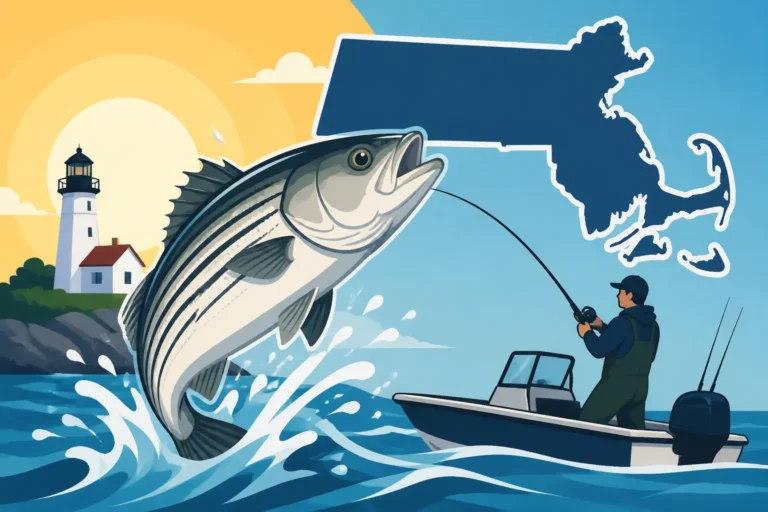
There's nothing quite like the rush of the ocean against your waders, the salty air in your face, and the hopeful cast of your line into the Massachusetts surf. But let's be honest, standing on a beach, blindly casting into what looks like endless water, can feel incredibly frustrating. You know the striped bass are out there, but how do you find them in such a vast, dynamic environment? This guide is here to unravel the mysteries of the surf zone, helping you develop the keen eye and intuition needed to truly read the water and locate those elusive stripers.
The Foundation: Understanding the Ocean's Rhythms
Before you even think about casting, you need to develop a fundamental understanding of how the ocean works. It’s not just a big bathtub; it’s a living, breathing system with patterns and habits that directly influence where striped bass will be. Ignoring these basics is like trying to navigate Boston without a map – you might get lucky, but you'll likely just get lost.
Understanding Tides and Currents
Tides are the ocean's heartbeat, and they dictate so much of what happens in the surf. Imagine the water level rising and falling, revealing and submerging sandbars, rocks, and channels. Striped bass are opportunists, and they use these tidal movements to their advantage, often pushing into shallower areas with the rising tide to feed, and then retreating with the falling tide.
For instance, a rising tide might push baitfish into a shallow cove, making it a prime feeding ground for stripers. Conversely, a falling tide can pull bait out of those same areas, concentrating them in deeper channels or around points, where stripers will lie in wait. Understanding the nuances of a Best tide to fish the Cape Cod Canal isn't just about the Canal itself, but about how tides generally funnel water and bait. Currents, which are the horizontal movements of water, are equally crucial. They transport food, oxygen, and, most importantly for us, baitfish. Striped bass love to position themselves just out of the main current, in an eddy or a seam, where they can ambush passing prey without expending too much energy. Learning how to recognize these current breaks is a huge step in narrowing down your search.
Identifying Structure and Cover
Just like in freshwater fishing where bass hide near fallen logs or lily pads, saltwater stripers relate heavily to structure and cover. These aren't always obvious to the untrained eye, but they're absolutely critical hiding spots and ambush points for fish.
Natural structures like rocky points, jetties, and even subtle changes in the bottom contour, like sandbars and troughs, are prime real estate for stripers. A rocky outcrop provides cover from strong currents and a place for bait to congregate. A sandbar might create a deeper trough on its ocean side, which acts as a highway for migrating baitfish and a perfect ambush spot for bass. You can often see these structures forming from an elevated position on the beach, especially at lower tides. Man-made structures, such as piers, bridges, and rock jetties, also concentrate fish. These structures disrupt currents, provide shelter, and often have barnacles and other small marine life that attract bait, which in turn attracts stripers. Imagine a long jetty extending into the ocean – the bass will often hold on the leeward (down-current) side, where the water is calmer, waiting for food to wash by. When you're fishing a spot like the Best surf fishing beaches near Plum Island, always be on the lookout for these natural and man-made features.
Decoding the Surf Zone: Key Visual Cues
Once you understand the basic mechanics of tides and structure, it's time to start observing the water itself. The surf zone is constantly giving you clues, if you just know how to interpret them. This is where the art of "reading the surf" truly comes into play.
Reading Waves and Rip Currents
Waves aren't just for surfing; they're incredibly informative for anglers. The way waves break, or don't break, can tell you a lot about the underwater topography.
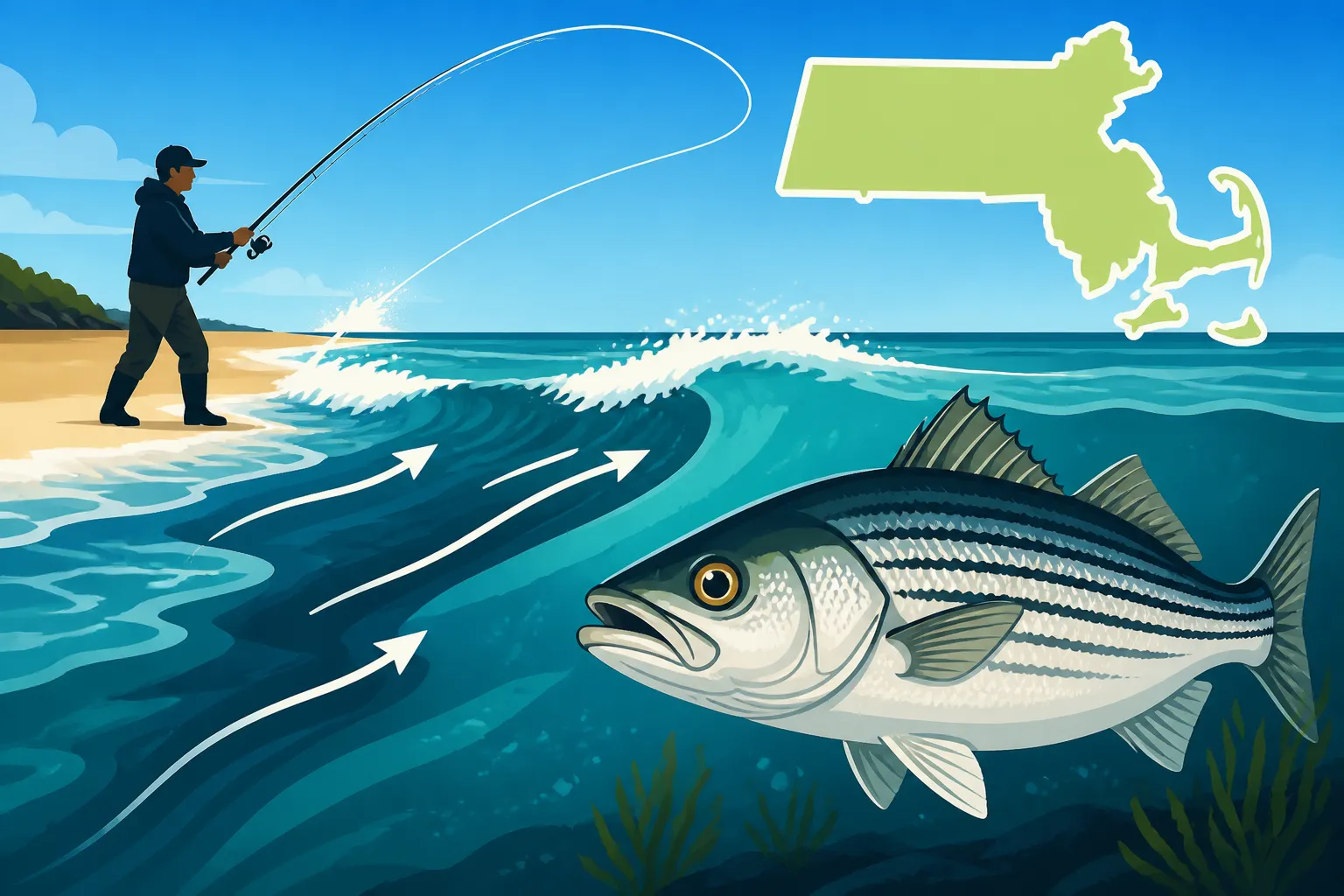
- Consistent Breaking Waves: If waves consistently break in the same spot, it usually indicates a shallow area, like a sandbar. The water behind that sandbar, in the deeper trough, is often where stripers will patrol.
- Irregular or Non-Breaking Waves: If waves roll in without breaking, it suggests deeper water or a channel. Stripers often use these deeper channels to move along the coast unseen, especially during daylight hours.
- Reaching the Bar: One of the most common mistakes is not casting far enough to get your lure over the first sandbar and into that productive trough. Sometimes, it pays to work an artificial lure like a minnow plug or a weighted soft plastic through that deeper water just beyond the breaking waves.
Rip currents, though often feared by swimmers, are a surf angler's best friend. These are narrow, fast-moving channels of water flowing offshore, and they act like conveyor belts for baitfish, pulling them out to sea. And where the bait goes, the bass will follow. You can spot a rip current by looking for:
- A channel of churning, choppy water extending seaward through the incoming waves.
- A break in the incoming wave pattern, where waves don't consistently break.
- Discolored water (often brown from sand) moving offshore.
- Floating debris (seaweed, foam) moving rapidly away from shore.
Casting your lure into the edges of a rip current, or letting it drift out with the current, can be incredibly effective, as you're essentially presenting your bait right where stripers expect to find their next meal.
Spotting Water Color and Disturbances
The color of the water might seem like a minor detail, but it can tell you a story about what's happening beneath the surface. Different hues often indicate changes in depth, bottom composition, or the presence of food.
- Darker Patches: These often signify deeper water or areas with rocky bottoms or submerged ledges. These are excellent places for stripers to hide and ambush.
- Lighter Patches: Usually indicate shallower water or sandier bottoms. While stripers will cruise these areas, they might not hold there for long periods unless actively feeding.
- Turbid or Murky Water: This can be a double-edged sword. While stripers might hunt by scent in murky conditions, too much turbidity can make it hard for them to find prey. However, a slight chop and some light murkiness can be ideal, offering stripers cover from above while still allowing them to see their food.
Surface disturbances are perhaps the most exciting and undeniable clues that fish are present. When you see these, it’s time to cast!
- Baitfish Jumps: Small baitfish scattering or leaping out of the water indicate a predator below. Keep an eye out for these nervous movements.
- Gulls and Terns Diving: Birds are incredible fish spotters. If you see gulls or terns dive-bombing into the water, they're likely feasting on baitfish, which means stripers are probably driving those baitfish to the surface.
- "Boiling" Water: This is the Holy Grail! If the water appears to be boiling or churning with splashes, it's a sure sign of a school of stripers actively feeding on baitfish. Get your lure in there, fast!
Having a good pair of polarized sunglasses is truly essential for spotting these subtle clues and seeing into the water more clearly. You can find excellent options on online retailers like Amazon, making it easier to see those crucial differences in water color and movement.
Putting It All Together: Strategic Surf Casting
Reading the surf is only half the battle; the other half is knowing how to use that information to your advantage. It’s about being observant and adaptable, not just casting randomly.
Planning Your Approach Based on Conditions
Effective surf fishing is rarely about showing up and hoping for the best. It's about combining your knowledge of the area with what the surf is telling you right now.
- Timing is Everything: Many experienced anglers will tell you that the hour before and after high tide, or low tide, are often the most productive. Why? Because the moving water disorients baitfish and creates those current breaks and ambush points we talked about earlier. Additionally, fishing during low light conditions – dawn, dusk, or even at night – often increases your chances, especially for larger stripers. For instance, knowing When striped bass season starts in Massachusetts helps you plan your calendar, but knowing the daily rhythms helps you plan your specific outing.
- Scouting Your Spot: Don't just pull up and immediately cast. Take a few minutes to observe the beach. Walk up to a higher dune if possible. Look for those breaking waves, the rips, the darker patches, and any bird activity. Think about how the tide is moving and what path the baitfish might take.
- Don't Be Afraid to Move: If you've been casting for a while in one spot with no luck, don't get stubborn. The fish might have moved, or you might have misread the conditions. Walk down the beach a hundred yards, observe again, and try a new spot. Sometimes, a slight change in location, even just 50 yards, can put you right on top of a school of fish.
Gear Considerations for Effective Surf Fishing
Having the right gear won't guarantee fish, but it certainly puts the odds in your favor. Your tackle needs to be suited to the conditions you’re reading.
- Rods and Reels: For surf fishing, you’ll want a longer, stout rod, typically 9 to 11 feet, paired with a robust spinning reel capable of handling heavy lines and casting distance. This setup helps you cast over those sandbars and fight larger stripers in strong currents. Check out Best rod and reel setup for surfcasting for more in-depth advice on specific models.
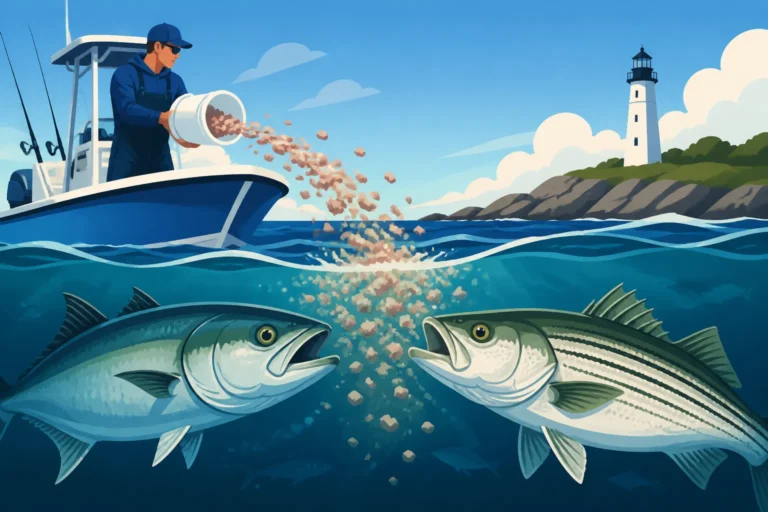
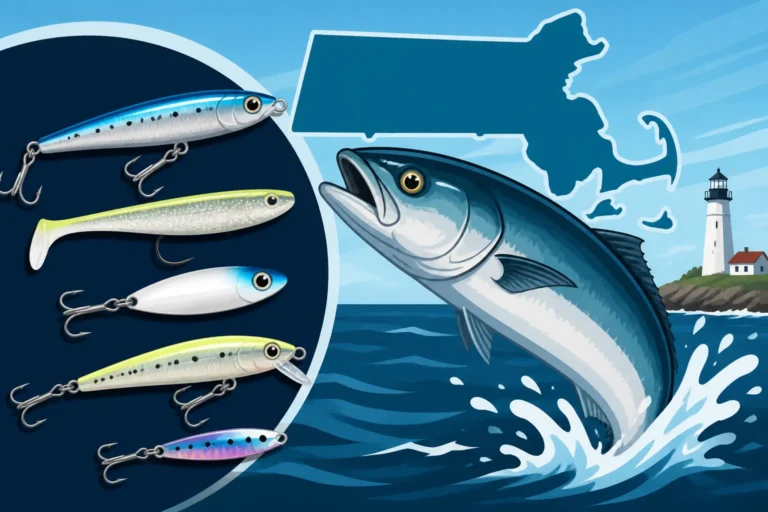
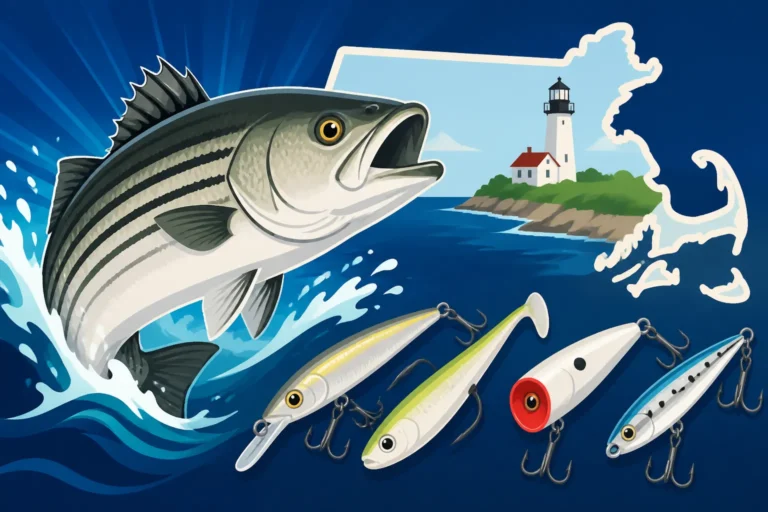
- Lures and Bait: Your lure choice should reflect what you’re seeing (or expecting to see) in the water. If you spot schools of small baitfish, match the hatch with smaller lures or soft plastics. If the water is murky, perhaps a brighter, louder lure that creates more vibration would be effective. Common striper lures include bucktail jigs, swimming plugs, soft plastic shads, and metal lip swimmers. You can always find a wide variety of these options available on sites like Amazon, ready to be delivered to your door. Fresh bait like clams, bunker, or eels can also be incredibly effective, especially when dead-sticking or fishing around structure. The Best lures for the Cape Cod Canal are often effective across many surfcasting scenarios.
- Essential Accessories: Don't forget your waders (essential for reaching deeper water), a surf bag to carry your lures, a good headlamp for night fishing, and a Boga Grip or fish lip gripper for safely handling your catch. Always remember to check the Massachusetts Striped Bass Size and Bag Limit before your trip and have a tape measure handy to ensure your catch is legal.
| Visual Cue | What It Means | Striper Behavior | Your Strategy |
|---|---|---|---|
| Consistent Breaking Waves | Shallow area (sandbar) | Stripers patrol deeper trough behind the bar | Cast beyond the bar, retrieve through the trough. |
| Rip Current | Strong offshore flow, baitfish conveyor belt | Stripers ambush at edges of rip or where it dissipates | Cast into the rip's edge, let lure drift naturally. |
| Darker Water Patches | Deeper water, rocks, or submerged structure | Stripers hold here for cover and ambush | Target casts to these areas, work lures slowly. |
| Nervous Baitfish | Predatory fish (stripers) are present | Actively feeding, pushing bait to surface | Match bait size/color, cast into or near the disturbance. |
| Diving Birds | Baitfish being driven to surface by predators | Stripers feeding below | Cast where birds are diving, use topwater or subsurface lures. |
| Calm Seams/Eddies | Current breaks, calmer water near structure | Stripers conserving energy, waiting for food | Cast into the seam, allowing lure to sit in calmer water briefly. |
Common Mistakes and How to Avoid Them
Even the most experienced surfcasters can make mistakes. The ocean is dynamic, and conditions are always changing. But recognizing common pitfalls can help you learn faster and be more consistently successful.
Overlooking Subtle Signs
It's easy to get tunnel vision when you're excited to cast, or frustrated by a lack of bites. You might be focused on the big breaking waves and miss the smaller, more subtle clues that are just as important. Forgetting to periodically scan the horizon for diving birds, or not noticing a slight discoloration in the water, can mean missing out on an opportunity.
A slight change in wave height might indicate a subtle dip in the bottom contour where baitfish are holding. A single bird hovering intently over a spot could signal a lone striper pushing bait. The ripple of a current across an otherwise calm section of water might be guiding a school of bunker right past your feet. The key is to slow down, be patient, and truly absorb everything the environment is telling you. Take a moment to just watch and listen before you even make your first cast. This observational period, often overlooked, is crucial for reading the surf effectively.
Sticking to One Spot
We've all been there: you pick a spot, set up your gear, and plant your feet, convinced that this is the spot. You might cast for an hour, two hours, without a single bump. This stubbornness is a common mistake. Striped bass are migratory and highly mobile, especially in the surf. What was a productive spot an hour ago might be completely barren now, simply because the tide changed, the bait moved, or the fish decided to relocate.
Don't be afraid to be a "mobile angler." If you've given a spot a fair shot (say, 20-30 minutes with varied casts and retrieves) and aren't getting any action, move. Walk down the beach a quarter-mile, re-evaluate the conditions, and try again. Sometimes, a slight change in beach contour, the presence of an unseen cut, or just a new patch of bait is all it takes to turn a slow day into a successful one. Remember, you're looking for fish, and sometimes finding them means covering ground. This is especially true when trying to figure out How to fish a falling tide at the Cape Cod Canal, where current changes can quickly redistribute fish.
Reading the surf for striped bass in Massachusetts is a skill that comes with practice, patience, and a deep appreciation for the ocean. It’s about becoming a detective, piecing together clues from the waves, currents, birds, and water color to locate your target. So next time you're on the beach, take a moment, observe, and let the ocean tell you its story. You might just find yourself having your best fishing day yet! And don't forget your Massachusetts Freshwater Fishing License Costs and Rules or Massachusetts Saltwater Recreational Fishing Permit Explained depending on where you're casting!
Disclaimer
This article is for general informational purposes only and does not constitute professional advice. Laws, prices and regulations vary by location and change over time. Consult a qualified professional for guidance on your specific situation.