Where to ice fish near Boston
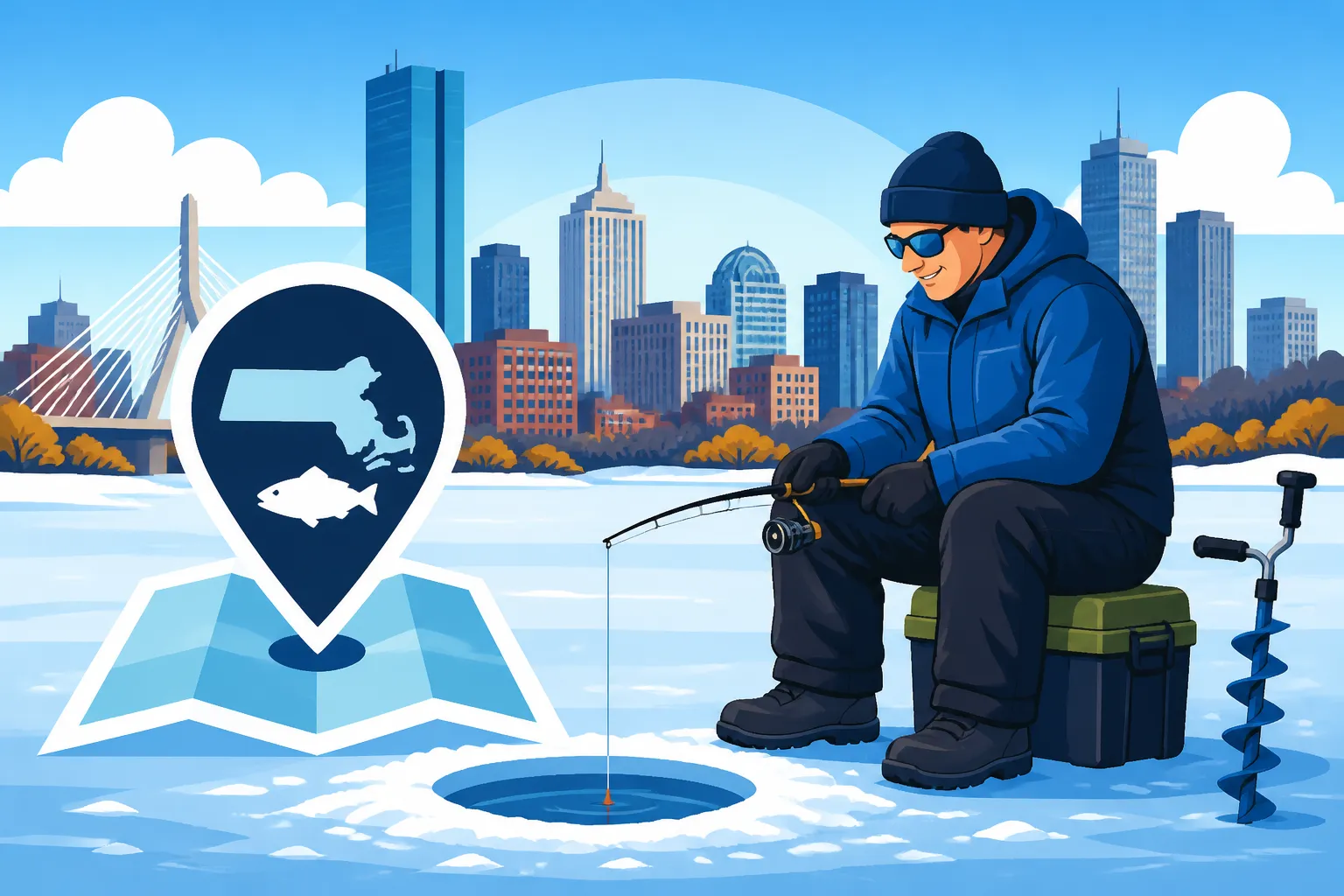
When the cold winds blow and turn Massachusetts lakes and ponds into solid sheets of ice, many anglers feel their season is over. But for those who embrace the chill, it's just the beginning of a unique fishing adventure. Trying to find reliable, accessible ice fishing spots near a bustling city like Boston can feel daunting, leading to frustration and wasted time searching. This comprehensive guide will cut through the noise, revealing prime hardwater locations within easy reach of the city, along with crucial safety tips and regulatory insights to make your winter angling successful and safe.
The Unique Appeal and Challenges of Ice Fishing Near Boston
Ice fishing offers a tranquil yet exhilarating experience distinct from any other type of angling. It’s a chance to connect with nature in its frosty beauty, often yielding some of the most consistent bites for certain species. However, doing so close to a major metropolitan area like Boston presents its own set of considerations.
Why Brave the Cold for Hardwater Angling
There's something truly magical about stepping out onto a frozen lake, drilling a hole, and dropping a line into the icy depths. The world becomes quiet, muffled by the snow, and the focus narrows to that small opening in the ice. Unlike open-water fishing where fish can scatter across vast areas, ice fishing often concentrates fish into predictable patterns, especially around structure or deeper pockets where they seek warmer, more stable water. This can lead to surprisingly productive days, particularly for species like yellow perch, crappie, chain pickerel, and even some largemouth bass.
Beyond the thrill of the catch, ice fishing is a fantastic way to combat cabin fever during the long New England winter. It’s an activity that can be enjoyed solo for quiet reflection or with friends and family, bundled up, sharing stories, and warming up with hot cocoa. Plus, fresh air in winter, especially after a successful fishing outing, simply hits different. It's a true test of patience and perseverance, rewarding those who embrace the challenge.
The Realities of Urban-Adjacent Ice Fishing
While the appeal is strong, ice fishing near a city like Boston comes with practical considerations. One of the primary challenges is finding bodies of water that consistently freeze to safe depths given the urban heat island effect and fluctuating winter temperatures. Many smaller, shallower ponds tend to freeze first and most reliably. Larger lakes, especially those with currents or deeper sections, might take longer or never fully solidify.
Another reality is access. Many prime fishing spots might be surrounded by private property or within state parks that have specific entry requirements or limited parking during winter. Crowds can also be a factor, especially on weekends when popular spots might see a significant number of anglers. This means you might need to arrive early to secure a good spot. Furthermore, environmental factors like road salt runoff can sometimes impact water quality in urban ponds, so always be mindful of local consumption advisories. For general guidance on what you need to legally fish, check out our guide on the Massachusetts Fishing License Guide.
Premier Ice Fishing Spots Within Easy Reach of Boston
Fortunately, the greater Boston area is dotted with numerous ponds and lakes that offer excellent ice fishing opportunities, often just a short drive from downtown. These spots cater to various skill levels and target species.
North Shore Gems: Woburn, Stoneham, and Wakefield
Heading just a bit north of the city, you’ll find several reliable options that draw anglers throughout the hardwater season.
Horn Pond in Woburn is a perennial favorite. This municipal pond is relatively shallow in many areas, allowing it to freeze solid quickly and consistently. It’s a great spot for targeting chain pickerel, perch (both yellow and white), and sometimes even a respectable largemouth bass. Access is generally good, with parking available around the perimeter. It’s a manageable size, making it easy to explore different depths and structures throughout the day. The convenience of Horn Pond makes it an ideal spot for a quick morning or afternoon trip without venturing too far.
Just a stone's throw away, Spot Pond within the Middlesex Fells Reservation in Stoneham offers another excellent option. This larger pond can hold some impressive fish, including brown trout that are occasionally stocked. While it may take a bit longer to freeze completely, once it does, it offers diverse fishing experiences. Anglers here often target trout, bass, and panfish. The natural setting of the Fells provides a beautiful backdrop, making it feel more remote than its actual proximity to the city. Always verify ice conditions carefully, especially in its deeper sections.
Further north is Lake Quannapowitt in Wakefield. This large lake is very popular for both open-water and ice fishing. It’s known for good populations of yellow perch, crappie, and northern pike, which can be a thrilling catch through the ice. Due to its size, it can be windier, and ice conditions can vary across the lake, so local knowledge or a thorough check of conditions is paramount. Public access points are available, making it a favorite for many local anglers looking for a diverse catch. Remember, understanding Massachusetts Recreational Fishing Rules and Bag Limits is crucial before you head out.
West of Boston: Concord and MetroWest Opportunities
Venturing west offers a mix of iconic and lesser-known spots that are well worth the drive for some quality ice fishing.
Walden Pond in Concord is legendary, not just for its literary history but also for its natural beauty. While it’s a deep glacial pond, some of its coves and shallower areas can offer good ice fishing opportunities, particularly for stocked trout (rainbow and brook) and smallmouth bass. Given its status as a state reservation, specific regulations and access points must be respected, and ice safety is paramount due to its depth. Always check the official DCR website for current rules and conditions before planning a trip here. The serene atmosphere is a major draw, offering a peaceful escape from urban life.
In the MetroWest region, Lake Cochituate, spanning Natick, Wayland, and Framingham, is a substantial body of water composed of three basins. This lake offers diverse fishing for largemouth bass, smallmouth bass, perch, pickerel, and even some stocked trout. Its size means varying ice conditions, so careful scouting is essential. The lake has several access points, including state park areas, which provide convenient entry. Due to its popularity, it's wise to arrive early on prime ice fishing days to secure a good spot. Lake Cochituate can be a fantastic option for those seeking a larger ice fishing experience with a wide array of target species.
For those looking for something a little smaller and more intimate, ponds in towns like Ashland or Holliston might provide hidden gems. While specific names might vary year to year based on ice formation and stocking, these smaller bodies of water often freeze quickly and provide excellent panfish action, perfect for a family outing. Researching local town conservation areas or state forests can often reveal these less-pressured spots. Keep an eye on local forums or bait shops for the most up-to-date information on smaller, reliable freezes.
South Shore Selections: Hingham and Beyond
The South Shore provides a number of excellent hardwater spots that are within a reasonable drive of Boston, offering varied fishing experiences.
Wompatuck State Park in Hingham is home to several ponds that can offer reliable ice fishing. While typically known for its hiking and biking trails, in winter, its ponds become popular for species like largemouth bass, pickerel, and various panfish. These ponds are generally smaller and shallower than some of the larger lakes, which often means quicker and more consistent ice formation. Access is straightforward, with plenty of parking, making it a family-friendly destination for a winter day out. It's a great choice for those looking for a manageable outing close to home.
Further south, though requiring a slightly longer drive but still within an hour to an hour and a half of Boston, Assawompset Pond in Lakeville and Middleborough is a significant draw. As the largest natural lake in Massachusetts, it's a serious destination for ice anglers targeting northern pike, largemouth bass, yellow perch, and crappie. Its size and depth mean it's one of the last to freeze reliably, but when it does, it offers exceptional fishing. Anglers often set up tip-ups for pike and jig for perch and crappie. Due to its immense size, consider exploring different areas if one spot isn't producing. Always check ice conditions diligently and ensure you're familiar with the local access points. This is a destination worth the drive for serious ice anglers. For details on what you might catch, our guide on Chain Pickerel Fishing in Massachusetts or Yellow Perch Fishing in Massachusetts can be very helpful.
Here's a quick overview of some top spots:
| Pond/Lake Name | Location | Primary Target Species | Typical Drive from Boston | Notes |
|---|---|---|---|---|
| Horn Pond | Woburn | Chain Pickerel, Yellow Perch, Largemouth Bass | 20-30 minutes | Reliable ice, good access, popular. |
| Spot Pond | Stoneham | Trout, Largemouth Bass, Panfish | 20-30 minutes | Beautiful setting, can hold stocked trout, check ice carefully. |
| Lake Quannapowitt | Wakefield | Yellow Perch, Crappie, Northern Pike | 30-40 minutes | Large lake, good species diversity, can be windy. |
| Walden Pond | Concord | Trout, Smallmouth Bass | 35-45 minutes | Deep, iconic, DCR regulations apply, ice varies. |
| Lake Cochituate | Natick/Framingham | Largemouth/Smallmouth Bass, Perch, Pickerel | 35-50 minutes | Large, multi-basin lake, diverse fishing, check conditions. |
| Wompatuck State Park | Hingham | Largemouth Bass, Pickerel, Panfish | 30-40 minutes | Smaller ponds, reliable freeze, family-friendly. |
| Assawompset Pond | Lakeville/Middleborough | Northern Pike, Largemouth Bass, Perch, Crappie | 60-75 minutes | Largest natural lake, exceptional fishing, last to freeze. |
Essential Safety, Gear, and Regulations for Ice Anglers
Ice fishing, while incredibly rewarding, demands a strong commitment to safety and adherence to specific regulations. The frozen landscape can be unforgiving if not respected.
Prioritizing Ice Safety Above All Else
This cannot be stressed enough: no fish is worth risking your life over thin ice. Always assume ice is unsafe until you verify it yourself. The general rule of thumb for safe ice is at least 4 inches for individual foot travel, 5-7 inches for snowmobiles or ATVs, and 8-12 inches for small vehicles. However, these are minimums, and ice thickness can vary dramatically even on the same body of water. Factors like springs, currents, pressure cracks, and submerged structures can create dangerously thin spots. This is especially true in Massachusetts, where mid-winter thaws are common.
Before heading out, always:
- Check local conditions: Call local bait shops or DCR offices for recent reports, but always verify yourself.
- Go with a buddy: Never ice fish alone.
- Carry safety gear: This includes ice picks (worn around your neck for quick access), a spud bar (to test ice thickness as you go), a throw rope, and a whistle.
- Dress in layers: Hypothermia is a real danger. Wear waterproof outer layers.
- Tell someone your plan: Inform a friend or family member where you are going and when you expect to return.
Our dedicated guide on Massachusetts Ice Fishing Safety and Ice Thickness provides even more critical details to ensure your outing is safe. Knowing How thick ice needs to be for safe fishing in Massachusetts is literally a matter of life or death.
Equipping Yourself for Massachusetts Ice Fishing
You don't need a massive amount of gear to start, but a few key items are essential. Firstly, an ice auger is crucial for drilling holes. Manual augers are great for shallower ice, while power augers (gas or electric) are ideal for thicker ice or drilling many holes. Next, you'll need ice fishing rods, which are shorter and stiffer than conventional rods, designed for fishing in a small hole. Many anglers also use tip-ups, which allow you to fish multiple lines simultaneously (within legal limits) and signal a bite with a flag.
Beyond the basics, a good ice skimmer is handy to clear slush from your holes, and a five-gallon bucket doubles as a seat and a place to carry your gear or your catch. Don't forget a depth finder or flasher to locate fish and structure under the ice. Warm, waterproof boots, gloves, and layered clothing are non-negotiable. For a comprehensive list and expert advice, consult our article on Best Ice Fishing Gear for Massachusetts Winters. When it comes to bait, live shiners are a classic for pickerel and bass, while small jigs tipped with wax worms or plastics work wonders for perch and crappie. You can learn more about specific bait options in Best tip-up bait for Massachusetts ice fishing.
Navigating Licensing and Local Rules
Just like any other form of fishing in Massachusetts, ice fishing requires the appropriate licenses. For freshwater ice fishing, you’ll need a valid Massachusetts Freshwater Fishing License Costs and Rules. Everyone aged 15 and older must possess a license. These licenses are typically valid for the calendar year.
Beyond the general license, it's vital to be aware of local regulations, which can sometimes vary. These might include specific pond rules, access restrictions, or even restrictions on certain types of bait or methods. The Massachusetts Division of Fisheries and Wildlife (MassWildlife) publishes an annual fishing guide with all current regulations, which you can usually find online or at a local bait shop. Always check the daily bag and possession limits for the species you intend to target. For instance, there are specific techniques and limits for How to catch pickerel through the ice, a popular species in many Massachusetts ponds. Keep in mind that When ice fishing season starts in Massachusetts is entirely dependent on safe ice formation, as there isn't a fixed "opening day" for ice fishing itself.
Making the Most of Your Boston-Area Ice Fishing Trip
With the right preparation and mindset, ice fishing near Boston can become a cherished winter tradition. It’s an opportunity to truly experience the quiet beauty of a New England winter, hook into some great fish, and create lasting memories.
When planning your trip, consider the time of day and weather. Overcast days are often preferred for ice fishing, as bright sun can make fish more wary. Early mornings and late afternoons are typically the most active feeding times. If you're looking for an even deeper dive into techniques for specific species or general hardwater tactics, explore our guide on Ice Fishing Techniques for Massachusetts Ponds. These resources can significantly enhance your chances of a successful outing, providing insights into everything from jigging patterns to setting up your tip-ups effectively.
Don't be afraid to move around if a spot isn't producing. Fish, like people, don't always stay in one place. Drilling a few holes in different depths or along varying structures can make all the difference. Remember to leave no trace behind – pack out everything you pack in, including any trash or discarded fishing line, to keep these precious fishing spots pristine for future generations. While traditional charters aren't common for ice fishing, some independent local guides might offer tailored experiences. Platforms like FishingBooker could potentially list such specialized guides, though their focus is typically on open-water trips. However, for those keen on maximizing their chances or learning from a pro, a local guide's expertise on a particular pond can be invaluable. Always prioritize safety, respect the environment, and enjoy the unique magic of ice fishing in Massachusetts!
Disclaimer
The information provided in this guide is for general informational purposes only. Ice conditions can change rapidly due to weather fluctuations. Always exercise extreme caution on the ice, check conditions yourself, and follow all local and state regulations. Fishing requires a valid license, and adherence to all bag limits and rules is mandatory. This guide does not constitute professional advice, and anglers should always prioritize their safety.