Wompatuck State Park Pond Fishing
Finding a peaceful, accessible fishing spot near the bustling Greater Boston area, especially one that welcomes families and offers diverse freshwater opportunities, can feel like searching for a needle in a haystack. Many anglers get frustrated with crowded reservoirs or overly complex access rules. But what if I told you there's a sprawling state park just a short drive away that offers exactly that? This comprehensive guide will take you through everything you need to know about pond fishing at Wompatuck State Park, ensuring your next outing is relaxing, productive, and truly memorable.
Wompatuck State Park: An Angler's Oasis Near Boston
Nestled across Hingham, Cohasset, Scituate, and Norwell, Wompatuck State Park is a massive natural playground covering over 3,500 acres. While it's famed for its extensive network of biking and hiking trails and lush forests, it's also a surprisingly excellent destination for freshwater fishing, particularly pond fishing. Its relatively close proximity to Boston makes it an ideal escape for city dwellers and suburban families looking to cast a line without a long drive.
Why This Park is a Go-To for Freshwater Anglers
Wompatuck State Park offers a unique blend of convenience and wilderness that's hard to beat for freshwater anglers in Massachusetts. Unlike some more remote fishing destinations, Wompatuck is easily accessible, making it perfect for a spur-of-the-moment fishing trip or a planned family outing. The park boasts several ponds and the notable Aaron River Reservoir, providing a variety of fishing environments. You'll find everything from open water perfect for casting from shore to more secluded coves ideal for a kayak or canoe. The abundant tree cover and diverse vegetation also create fantastic habitat for a range of warm water species, promising action for anglers of all skill levels. It's a place where you can genuinely unwind, listen to the sounds of nature, and forget the stresses of everyday life, all while waiting for that tell-tale tug on your line.
One of the biggest advantages of Wompatuck is its suitability for families. The easy access, well-maintained trails, and relatively calm waters mean kids can enjoy a safe and fun introduction to fishing. There are plenty of spots along the shore where younger anglers can try their luck with a simple bobber and worm setup, making it an inclusive environment for everyone. Plus, the sheer size of the park means you can often find a quiet corner away from the crowds, offering a more intimate fishing experience even on busier weekends. It's truly a gem for those seeking a tranquil fishing experience close to home, providing a sense of escape that belies its suburban location.
More Than Just Fishing: Amenities for a Full Day
What sets Wompatuck State Park apart isn't just the fishing; it's the entire experience it offers. This park is designed for a full day of outdoor enjoyment, making it a fantastic destination even for non-anglers in your group. Beyond the fishing ponds, Wompatuck features over 90 miles of paved and unpaved trails perfect for mountain biking, hiking, and walking. Imagine starting your day with a peaceful fishing session, then swapping your rod for hiking boots to explore the park's diverse ecosystems. The trails wind through mature forests, past wetlands, and offer glimpses of the local wildlife.
The park also provides excellent picnicking areas, complete with tables and grills at various locations, making it easy to pack a lunch and enjoy a meal amidst nature. There's even a campground, Mount Blue Campground, available for those who want to extend their stay and fully immerse themselves in the park's tranquility. This means you can wake up early, be on the water for sunrise, and then spend the rest of the day exploring or relaxing. Having these additional amenities transforms a simple fishing trip into a comprehensive outdoor adventure, ensuring that everyone in your party, whether they fish or not, has a fantastic time. It truly caters to a diverse range of interests, solidifying its reputation as a premier natural escape on the South Shore.
Navigating the Waters: Key Ponds and Their Bounties
Wompatuck State Park is home to several distinct water bodies, each offering its own unique fishing opportunities. While the park is crisscrossed by many small brooks and seasonal wetlands, a few key areas stand out as prime fishing destinations. Knowing which waters to target and what fish you're likely to encounter can significantly improve your chances of a successful and enjoyable outing.
Aaron River Reservoir: The Crown Jewel
The undeniable star of Wompatuck State Park for anglers is the Aaron River Reservoir. This expansive body of water, formed by the damming of the Aaron River, offers the most significant fishing opportunities within the park. It's a relatively shallow reservoir in many areas, with plenty of submerged structure, fallen trees, and weed lines that create ideal ambush points for predatory fish. The shoreline is largely accessible, offering numerous points and coves for shore anglers, while its size also makes it perfect for those exploring by kayak or canoe. Many anglers consider it one of the top spots for Best Freshwater Ponds and Lakes in Massachusetts on the South Shore.
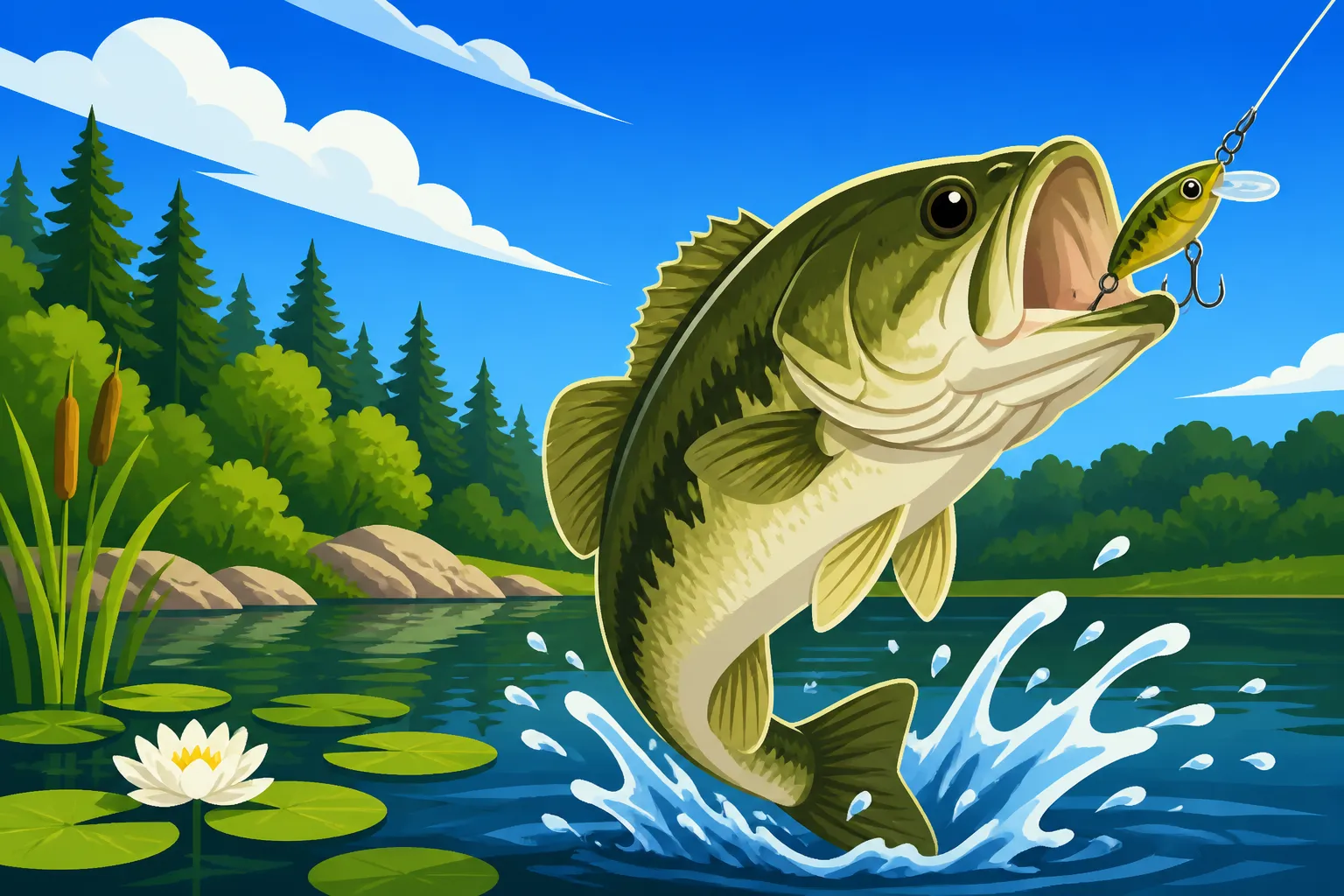
The reservoir is particularly renowned for its healthy population of largemouth bass, which can grow to impressive sizes here. Anglers frequently report catching bass in the 2-4 pound range, with larger trophy fish always a possibility. Beyond bass, the Aaron River Reservoir is teeming with various panfish, including yellow perch, white perch, bluegill, and black crappie, providing consistent action, especially for younger anglers or those looking for a relaxing day of catching. Pickerel are also present, adding another layer of excitement with their aggressive strikes. For anyone planning a trip to Wompatuck, dedicating a good portion of your time to exploring the Aaron River Reservoir is highly recommended, as it truly lives up to its reputation as the park's premier fishing spot.
Exploring Wompatuck's Smaller Ponds and Brooks
While the Aaron River Reservoir often steals the spotlight, Wompatuck State Park is dotted with numerous smaller, often unnamed, ponds and widened sections of its various brooks that can offer delightful surprises for the adventurous angler. These smaller waters are usually less pressured than the main reservoir, providing a more secluded and intimate fishing experience. Access to some of these spots might require a short hike along the park's extensive trail system, but the reward can be finding a tranquil corner where you have the water all to yourself.
These smaller ponds and slower-moving brook sections are typically home to abundant panfish, such as sunfish (bluegill and pumpkinseed), yellow perch, and smaller crappie. These species are perfect for kids learning to fish, as they are often eager biters and can provide continuous action. You might also encounter chain pickerel in these waters, lying in wait amidst the lily pads or submerged vegetation. While large bass are less common in these smaller, shallower areas compared to the reservoir, a cunning largemouth or a feisty pickerel can still make for an exciting catch. Exploring these lesser-known spots adds an element of discovery to your fishing trip, allowing you to uncover hidden gems within the park's vast landscape.
What You'll Be Catching: Target Fish Species
Understanding the primary fish species you're likely to encounter at Wompatuck State Park is key to tailoring your gear and techniques for success. The park's ponds and reservoir are predominantly warm water fisheries, meaning they host a vibrant community of species that thrive in warmer temperatures.
- Largemouth Bass: These are arguably the most sought-after fish in Wompatuck, especially in the Aaron River Reservoir. Known for their aggressive strikes and powerful fights, largemouth bass prefer areas with structure, such as fallen trees, weed lines, and submerged brush. Anglers targeting bass will find plenty of action, particularly during the warmer months. If you want to learn more, check out our guide on How to Catch Largemouth Bass in Massachusetts Ponds.
- Panfish (Yellow Perch, White Perch, Bluegill, Black Crappie): These species are abundant throughout the park's waters and are a fantastic target for anglers of all ages and skill levels. They are often found in schools, providing consistent bites. Yellow perch and bluegill are particularly common, offering bright colors and lively fights on light tackle. White perch, though similar in appearance to striped bass juveniles, are also plentiful and offer good eating. Crappie tend to school around submerged cover.
- Chain Pickerel: These slender, toothy predators are widespread in Wompatuck's ponds and reservoir, especially in areas with dense aquatic vegetation. Pickerel are ambush predators that strike lures and baits with ferocity, making for an exciting fight. Be mindful of their sharp teeth when handling!
- Bullhead Catfish: While perhaps not as glamorous as bass or pickerel, bullhead catfish can be found in the deeper, muddier sections of the reservoir. They are typically caught using bait fished on the bottom, especially in the evenings or overnight. They offer a different kind of angling challenge and can be a tasty reward.
- Trout (Limited/Seasonal): While Wompatuck's ponds are not regularly stocked with trout by MassWildlife, nearby waters in the region are. It's always a good idea to check the Massachusetts Trout Stocking Schedule for other local options if trout are your primary target. However, for Wompatuck specifically, focus your efforts on the robust warm water populations for the best chance of success.
By focusing on these common species, you can optimize your tackle box and approach, increasing your chances of a rewarding day on the water.
| Water Body | Key Species | Primary Access Type | Notes |
|---|---|---|---|
| Aaron River Reservoir | Largemouth Bass, Yellow Perch, White Perch, Crappie, Bluegill, Chain Pickerel, Bullhead Catfish | Shore, Kayak, Canoe | Main fishing destination, ample structure, good for all skill levels. Multiple access points, including the boat launch area. |
| Smaller Ponds & Brooks | Sunfish (Bluegill, Pumpkinseed), Yellow Perch, Small Chain Pickerel | Shore, Hike-in, Kayak/Canoe (limited) | Less pressured, ideal for light tackle and kids. May require walking to access. Offers a more secluded experience. Check maps for specific pond locations. |
Mastering the Catch: Techniques and Gear for Wompatuck
To truly make the most of your fishing trip to Wompatuck State Park, it's essential to match your techniques and gear to the species you're targeting and the environment you're fishing in. Freshwater pond fishing in Massachusetts, especially in a diverse park like Wompatuck, calls for a versatile approach.
Essential Baits and Lures for Pond Fishing Success
When heading to Wompatuck, a well-rounded selection of baits and lures will serve you best, allowing you to adapt to different conditions and target various species. For panfish like yellow perch, bluegill, and crappie, simplicity often reigns supreme. Live bait such as nightcrawlers, red worms, or mealworms fished under a small bobber are incredibly effective and almost guaranteed to get bites. Small jigs (1/32 to 1/16 oz) tipped with a piece of worm or a tiny soft plastic grub also work wonders. For those targeting trout in other stocked areas, remember that worms and PowerBait are often the Best Bait for Trout Fishing in Massachusetts.
For the park's abundant largemouth bass and aggressive chain pickerel, you'll want to step up your tackle. Soft plastic baits, like wacky-rigged Senkos, Texas-rigged worms, or jig trailers, are phenomenal for probing structure and weed lines. Spinnerbaits and chatterbaits are excellent for covering water and eliciting reaction strikes from bass and pickerel, especially around submerged vegetation. When the fish are active, topwater lures like poppers or frogs can provide exhilarating blow-ups, particularly in the early morning or late evening. Small crankbaits that dive to different depths can also be very effective. Don't forget a few weedless setups if you plan on fishing through lily pads or heavy cover, as these areas are prime real estate for Wompatuck's predatory fish.
Strategies for Shore, Kayak, and Canoe Anglers
Wompatuck offers great opportunities for both shore-bound anglers and those who prefer to explore by small craft.
Shore Fishing Strategies:
Many areas around the Aaron River Reservoir and several smaller ponds are easily accessible from shore. When fishing from shore, focus on casting towards visible structure such as fallen trees, rocky outcrops, or distinct weed lines. These areas almost always hold fish. Vary your retrieve speed and depth, trying different lures or baits until you find what the fish are responding to. Don't be afraid to move around; if a spot isn't producing after 15-20 minutes, try another. Early morning and late evening often yield the best results for shore anglers, as fish tend to move closer to the banks during these cooler, lower-light periods. For panfish, a simple cast-and-wait approach with live bait is often all that's needed, while bass and pickerel might require more active lure presentations.
Kayak and Canoe Fishing Strategies:
Bringing a kayak or canoe to Wompatuck opens up a whole new world of fishing possibilities, allowing you to reach areas inaccessible from shore. The Aaron River Reservoir is particularly well-suited for small paddle craft. The key advantage here is stealth and the ability to target isolated cover. Paddle quietly along the shorelines, casting into pockets in the weeds, around submerged timber, and into small coves. Focus on parallel casts along weed edges, as fish often cruise these transition zones. Trolling a small crankbait or spinnerbait behind your kayak or canoe can also be an effective way to cover water and locate active fish. Remember to always wear a personal flotation device (PFD) and be aware of weather conditions, as even calm waters can turn choppy with unexpected winds. Fishing from a small craft offers unparalleled access to prime fish habitat and a truly immersive experience in the park's natural beauty.
Responsible Angling: Catch, Release, and Conservation
As stewards of our natural resources, responsible angling practices are paramount when fishing at Wompatuck State Park. The health of the fishery depends on everyone doing their part to ensure sustainable populations for future generations.
Catch and Release Practices:
While keeping some fish for a meal is certainly part of the angling experience, practicing catch and release, especially for larger bass and pickerel, helps maintain healthy breeding stocks. If you do intend to release a fish, handle it with care. Wet your hands before touching the fish to protect its slime coat, which is vital for its immune system. Use pliers or a dehooking tool to remove hooks quickly and gently. If a fish is deeply hooked, it's often better to cut the line as close to the hook as possible rather than attempting to rip it out, which can cause internal damage. Support the fish horizontally and allow it to recover in the water before releasing it, ensuring it swims away strongly. This mindful approach ensures that the thrill of the catch can be enjoyed again and again.
Conservation and Regulations:
Always be aware of and adhere to the Massachusetts Recreational Fishing Rules and Bag Limits for freshwater species. These regulations are in place to protect fish populations and ensure fair sport for all. For instance, specific size and daily catch limits apply to certain species like largemouth bass. Before your trip, familiarize yourself with the current MassWildlife regulations, which can be found on their official website. Beyond fish-specific rules, remember to pack out everything you pack in. Leave no trace of your visit, including fishing line, bait containers, or any other trash. Picking up any litter you find also goes a long way in keeping the park pristine for everyone. By following these simple guidelines, you contribute directly to the ongoing conservation efforts that make Wompatuck State Park such a fantastic place to fish.
Planning Your Wompatuck Adventure: Access, Rules, and Resources
A successful and stress-free fishing trip to Wompatuck State Park hinges on good planning. Knowing how to get there, what rules apply, and where to find extra help can make all the difference between a frustrating day and a fantastic one.
Getting There: Entrances, Parking, and Trail Access
Wompatuck State Park has multiple entrances, but the main access points are typically off Union Street in Hingham or near the intersection of Chief Justice Cushing Highway (Route 3A) and Ward Street. The park is well-signposted once you get close. For anglers targeting the Aaron River Reservoir, there are parking areas conveniently located near the main reservoir access points, including a small boat launch area for kayaks and canoes. Specific details and maps are usually available on the MassDCR website, which manages state parks.
Once you've parked, the park's extensive network of trails provides excellent foot access to various shorelines and smaller ponds. Many trails are wide and relatively flat, making them easy to navigate with fishing gear. It's a good idea to bring a park map (often available at kiosks or online) to help you explore and find less-pressured spots. Remember that some of the smaller ponds may require a short hike, adding to the adventure but also requiring appropriate footwear and gear that's easy to carry. Parking is generally free at Wompatuck, but always double-check for any posted signs or fee requirements, especially during peak seasons or for specific events.
Understanding Massachusetts Fishing Regulations in State Parks
Fishing in any Massachusetts water body, including those within Wompatuck State Park, requires adherence to state regulations. The most fundamental requirement for most anglers is a valid Massachusetts Fishing License Guide. This applies to both residents and nonresidents. You'll need to understand the nuances of the Massachusetts Freshwater Fishing License Costs and Rules, which can vary by age and residency status.
For example, while adults generally need a license, questions like Do Kids Need a Fishing License in Massachusetts? are common. Currently, anglers under 15 years of age are typically exempt from needing a license. However, regulations can change, so always verify the latest information from MassWildlife. Additionally, while Wompatuck is known for its ponds, the question "Do You Need a License to Fish in Massachusetts Ponds?" often arises, and the answer is almost universally yes, unless specific exemptions apply (like private ponds not connected to public waters, which is not the case here). Always carry proof of your license while fishing, whether it's a physical copy or a digital image on your phone. Disregarding these regulations can lead to penalties, so it's always better to be informed and compliant.
Leveraging Local Knowledge and Tools
To enhance your Wompatuck fishing experience, tapping into local knowledge and utilizing available resources can be incredibly helpful. The Massachusetts Division of Fisheries and Wildlife (MassWildlife) website is an invaluable tool, providing up-to-date regulations, stocking reports, and information on fish species. Visiting local bait and tackle shops in nearby towns like Hingham, Cohasset, or Norwell can also provide real-time insights into what's biting, successful bait choices, and current water conditions. These shops are often run by seasoned local anglers who are happy to share tips and tricks.
If you're looking to expand your fishing adventures beyond the self-guided pond experience, there are many opportunities across Massachusetts. For instance, if your Wompatuck trip sparks an interest in trying saltwater fishing or a guided experience on other waters, platforms like FishingBooker can connect you with experienced captains for diverse adventures across Massachusetts, from offshore tuna trips to inshore striped bass charters. While Wompatuck's pond fishing is usually a DIY affair, knowing about resources like FishingBooker can be handy for exploring different angling facets elsewhere. These tools help you stay informed and connected to the broader fishing community, ensuring you're always ready for your next cast.
Beyond Wompatuck: Expanding Your Massachusetts Fishing Horizons
While Wompatuck State Park offers a fantastic freshwater fishing experience, Massachusetts is a state rich with diverse angling opportunities. After you've explored all Wompatuck has to offer, you might find yourself eager to discover new waters and different species.
Nearby Freshwater Gems Worth Exploring
If you've fallen in love with freshwater fishing after your visits to Wompatuck, you're in luck, as the South Shore and surrounding areas boast many other excellent ponds and rivers. Just a short drive away, you can find other state-managed ponds that offer similar warm water fishing for bass, pickerel, and panfish. For example, ponds within the Myles Standish State Forest in Carver or the numerous lakes and ponds in the Taunton and Plymouth areas are great places to cast a line. Each body of water has its unique character and species composition, providing endless exploration for the enthusiastic angler.
Beyond the ponds, Massachusetts also has some incredible river fishing. The Charles River, closer to Boston, offers urban fishing for bass and carp, while the Connecticut River further west is renowned for its smallmouth bass, northern pike, and seasonal shad runs. Consulting a guide like Best Freshwater Ponds and Lakes in Massachusetts can provide a wealth of options for your next outing. Remember to always check local regulations for any specific body of water, as rules can vary even within close proximity, ensuring you're always fishing legally and responsibly.
Dipping a Toe in Saltwater: Coastal Fishing Opportunities
Given Wompatuck State Park's location just a stone's throw from the Massachusetts coastline, it's easy to transition from freshwater ponds to the vast opportunities of the Atlantic Ocean. The South Shore is a prime location for saltwater fishing, with options ranging from surfcasting on scenic beaches to chartering a boat for deep-sea adventures. Many anglers find the thrill of catching powerful saltwater species like striped bass, bluefish, and cod to be an exhilarating change of pace.
To participate in saltwater fishing, most anglers will need a Massachusetts Saltwater Recreational Fishing Permit Explained. This permit is separate from your freshwater license and is essential for legal saltwater angling. Places like Nantasket Beach in Hull, Duxbury Beach, or the various jetties and piers along the coast offer fantastic shore fishing opportunities for species that migrate close to shore. If you're looking for more extensive offshore experiences, fishing charters operate out of numerous harbors, including nearby Cohasset, Scituate, and Plymouth. You might even consider exploring guides for Best Saltwater Fishing Spots on Cape Cod, Massachusetts for a slightly longer trip. For those interested in a guided saltwater adventure, remember that resources like FishingBooker can help you find and book charters with experienced captains along the Massachusetts coast, whether you're after monster tuna or feisty striped bass. The sheer variety between Wompatuck's tranquil ponds and the dynamic ocean waters ensures that Massachusetts truly has something for every angler.
Disclaimer
Please note that fishing regulations, park rules, and fish stocking schedules are subject to change. Always consult the official Massachusetts Division of Fisheries and Wildlife (MassWildlife) and Massachusetts Department of Conservation and Recreation (MassDCR) websites for the most current and accurate information before planning your fishing trip. This guide is for informational purposes only and should not be considered a substitute for official sources.