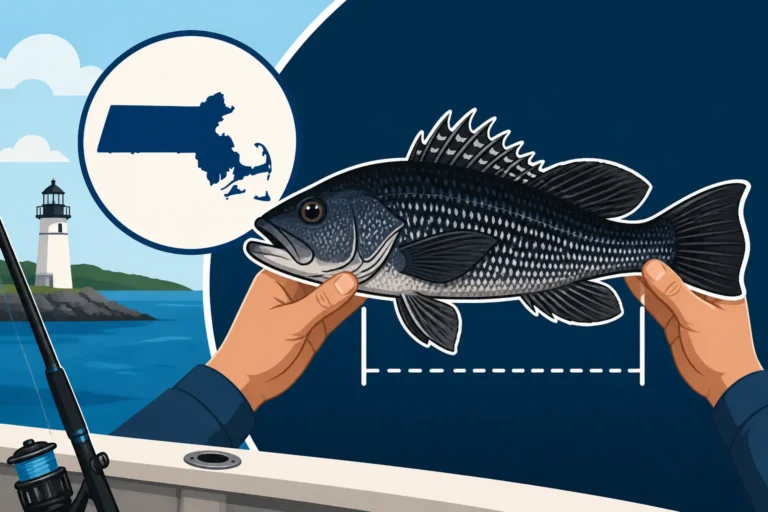
Scup and Porgy Fishing in Massachusetts
If you've ever spent a beautiful day fishing the Massachusetts coast, you've likely heard whispers of "scup" and "porgy." Maybe you've even caught one, or several, and then found yourself scratching your head, wondering if they're the same fish, or just very similar cousins. It can be a real head-scratcher when you're trying to identify your catch and understand the local lingo. Don't worry, you're not alone! This comprehensive guide is here to clear up the confusion, dive deep into what makes scup and porgy such fantastic targets for anglers of all skill levels, and help you land more of these feisty, delicious fish in our bountiful New England waters.
What Exactly Are Scup and Porgy? Demystifying the Fish
Alright, let's cut to the chase and clear up one of the most common questions out there: are scup and porgy the same fish? In Massachusetts, and largely throughout the Northeast, the answer is yes, mostly! The term "porgy" is often used as a more general, colloquial name for a variety of fish in the Sparidae family, which includes our beloved scup. So, when someone talks about "porgy fishing," they're almost certainly talking about scup. It’s a bit like how some folks say "soda" and others say "pop" – same delicious drink, different regional flavor in the name. Understanding this local nomenclature is the first step to confidently discussing and targeting these widespread bottom-dwellers.
Scup: The Massachusetts Mainstay
Scup, scientifically known as Stenotomus chrysops, are true gems of the Massachusetts saltwater scene. They're a schooling fish, easily recognized by their silvery bodies, somewhat deep and compressed shape, and often a subtle iridescent sheen. They have a small, somewhat pointed mouth with sharp teeth, perfectly adapted for crushing shells and picking off small invertebrates from the seabed. Scup typically don't grow to massive sizes, but what they lack in sheer bulk, they more than make up for in fighting spirit and abundance. They're incredibly common from Cape Cod Bay all the way down to Buzzards Bay and beyond, making them an accessible target for many anglers. When you feel that distinctive rapid-fire tap-tap-tap on your line, chances are, you've got a scup on the hook!
Porgy: A Rose by Another Name?
While "porgy" is often synonymous with scup here in Massachusetts, it's worth noting that in other parts of the world, "porgy" can refer to different species within the broader Sparidae family. However, in our local waters, if you hear someone say "porgy," they're almost certainly referring to scup. It's important for anglers to understand that these terms are used interchangeably in New England, so you don't miss out on an excellent fishing opportunity just because you're unsure of the name. Whether you call them scup or porgy, the fishing techniques, preferred habitats, and delicious results remain the same, so embrace the local dialect and get ready to catch some fish!
Why They're So Popular (and Tasty!)
Scup hold a special place in the hearts of many Massachusetts anglers, and for good reason. First off, they're incredibly cooperative. Unlike some more finicky species, scup are often eager biters, making them an excellent target for beginners, families, or anyone looking for consistent action. You don't need a fancy boat or expensive gear to get into scup; they're readily available from shore, piers, and small boats. Secondly, they are absolutely delicious! Their white, flaky meat is mild and sweet, making them superb pan-fried, baked, or grilled. There's nothing quite like bringing home a cooler full of fresh scup for a family dinner after a successful day on the water.
Their popularity is also tied to their strong fight for their size. Pound-for-pound, a scup can pull harder than you might expect, especially on light tackle. This makes for a thoroughly enjoyable angling experience, keeping you on your toes even when the fish are small. Plus, because they often school together, once you find them, you can often enjoy continuous action, making for a memorable and productive outing. They truly embody the joy of simply getting out, wetting a line, and enjoying the abundance of our coastal waters.
Where to Find Scup and Porgy in Massachusetts Waters
So, you're ready to target these silvery, feisty fish? Fantastic! The good news is that scup are incredibly widespread in Massachusetts' saltwater environments. They're not picky about being in deep offshore canyons; in fact, some of the best scup fishing can be had right from public access points or just a short boat ride from shore. Their habitat preferences are fairly consistent, revolving around structure and food availability. This means once you understand what they like, you can start pinpointing prime locations.
Coastal Hotspots and Structure
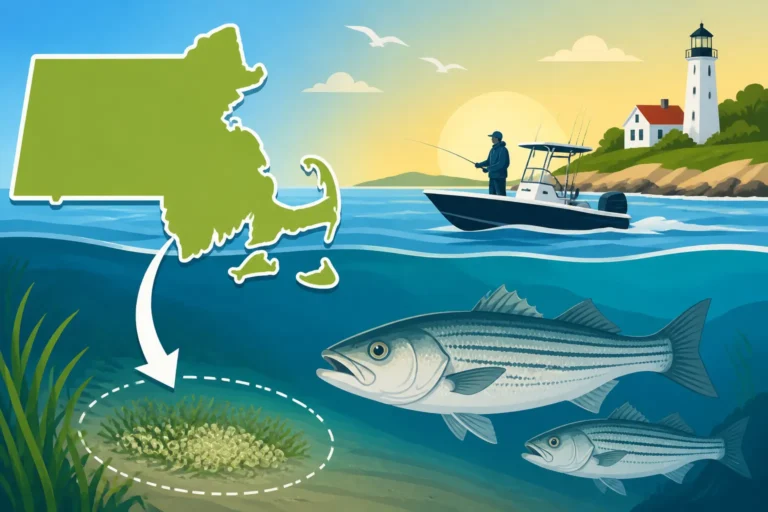
Scup absolutely love structure, whether it's natural or man-made. Think about rocky bottoms, mussel beds, submerged ledges, wrecks, and artificial reefs. These areas provide both shelter from predators and a buffet of their favorite foods: small crustaceans, worms, and mollusks. In Massachusetts, you'll find excellent scup habitat along the rocky shores of Cape Ann, throughout Boston Harbor, and extensively around Cape Cod and the Islands. Places like Buzzards Bay are particularly renowned for their scup populations, offering vast stretches of ideal bottom conditions. Don't be afraid to consult local bait shops or fishing forums; they often have up-to-date information on where the scup bite has been hot.
Specific areas that are frequently productive include around jetties and breakwaters, especially those with deeper water nearby. The varied terrain and currents created by these structures are perfect for ambush feeding. If you're near a navigation channel, look for areas where the bottom drops off sharply or where debris might have settled. For example, Best Saltwater Fishing Spots on Cape Cod, Massachusetts often highlight areas that are also prime scup territory. Remember, scup are schooling fish, so if you find one, you're likely to find many more in the immediate vicinity.
Fishing from Shore, Piers, and Boats
One of the great things about scup fishing is its accessibility. You absolutely don't need a dedicated fishing boat to get in on the action. Many public piers, docks, and even rocky shorelines offer fantastic opportunities. Imagine setting up your gear on a public pier in Plymouth or down on the Cape, casting out, and within minutes feeling those distinct scup tugs. This makes them a perfect target for families with kids, or anyone who enjoys a relaxed day of fishing without the hassle of launching a boat.
For shore anglers, look for spots with deeper water access, particularly near rocks or other submerged features. Areas with a bit of current can also be productive as they bring food past the fish. From a boat, you have the advantage of moving around to locate schools. Using a depth finder to identify rocky bottom, humps, or drop-offs will significantly increase your success. Anchor upcurrent from promising structure and let your bait drift back into the feeding zone. Whether you're casting from a sandy beach that transitions to rocky bottom or motoring out to a known reef, there's a scup spot waiting for you.
Understanding Their Habitat Preferences
To consistently catch scup, it helps to think like a scup. They are opportunistic feeders and bottom-dwellers by nature, meaning they spend their time near the seabed. They prefer moderately warm water, which is why their season peaks in the warmer months. While they'll tolerate sandy bottoms, they really thrive where there's some kind of hard structure. This structure provides not only shelter but also a concentrated food source of small crustaceans, worms, and shellfish that they can easily crunch with their strong jaws.
Consider the tide as well; scup often feed most actively during moving tides, either incoming or outgoing. This current helps dislodge food items from the bottom, making them easier for the scup to find. While they can be caught at slack tide, the bite often picks up significantly when the water is moving. Being aware of these preferences will guide your scouting efforts, helping you choose the best time and location for a productive day. Understanding Massachusetts Saltwater Fishing Seasons will also give you a better idea of when scup are most abundant and active in our local waters.
Best Times to Fish for Scup and Porgy in Massachusetts
Timing is everything when it comes to fishing, and scup are no exception. While they can be quite cooperative, knowing their seasonal patterns, tidal preferences, and how weather impacts their behavior can dramatically improve your catch rates. Massachusetts offers a fantastic window for scup fishing, but hitting it at the right moment can turn a good day into a great one.
Seasonal Movements and Peak Windows
Scup are migratory, moving into Massachusetts' inshore waters as temperatures warm in the late spring and early summer. Typically, you'll start seeing a consistent scup bite by late May or early June, with the action really heating up through July, August, and September. This warm-water season is when they are most abundant and actively feeding in coastal areas. As the fall progresses and water temperatures begin to drop, they'll start moving to deeper, warmer offshore waters for the winter months. Therefore, the late spring through early fall offers your best opportunity to target them.
During these peak months, scup are often found in large schools, making them a prime target for anglers looking for consistent action. Many seasoned anglers consider the late summer and early fall as the absolute prime time, as the fish are larger and more aggressive. Keeping an eye on local fishing reports will give you the most accurate real-time information on when the scup have arrived and where they are concentrated. Knowing the general Massachusetts Fishing Seasons Explained can also help you anticipate their arrival.
Tidal Influences and Daily Patterns
Like many saltwater species, scup are strongly influenced by tidal movements. They tend to feed most actively when the tide is moving, whether incoming or outgoing. The moving water stirs up the bottom, dislodging worms, crabs, and other small critters that scup love to munch on. Slack tide, the period just before and after the tide changes, can sometimes see a slowdown in activity, but it's not uncommon to still pick up fish. Anglers often find the hour or two leading up to high tide, and the hour or two after high tide, to be particularly productive. The same applies to low tide.
As for daily patterns, scup can bite throughout the day, but often the early morning and late afternoon into early evening can be especially good. These times often coincide with cooler water temperatures and lower light, which can make fish more active. However, if you find a good school during the middle of the day, they will often continue to bite vigorously. The key is to pay attention to your specific fishing spot and learn its unique tidal and daily rhythms.
Weather and Water Temperature Considerations
Water temperature is a primary driver for scup movements. They prefer water temperatures generally above 55-60 degrees Fahrenheit. This is why their presence in shallow, inshore Massachusetts waters is seasonal. A sudden cold snap can send them deeper, while consistently warm weather keeps them active and feeding. When it comes to weather, a cloudy day with a light chop can sometimes be better than bright, sunny, calm conditions, as it can make the fish feel more secure.
Heavy winds, however, can make fishing challenging, especially for shore anglers, as it makes casting difficult and can create turbulent conditions on the water, dispersing scent and making it harder for fish to locate bait. Light breezes are often ideal. After a strong storm, it can take a day or two for the water to clear and the fish to settle back into their feeding patterns, but once they do, the fishing can sometimes be excellent as the storm may have churned up new food sources. Always check marine forecasts before heading out, not just for safety, but to understand how the conditions might affect the bite.
Essential Gear and Tackle for Scup and Porgy
One of the beautiful things about scup fishing is that it doesn't require a massive investment in specialized gear. In fact, many anglers already have suitable tackle in their arsenal. However, having the right setup can make a significant difference in your enjoyment and success, especially when you're looking for those rapid-fire bites that scup are famous for.
Rods, Reels, and Line Choices
For scup, light to medium-light tackle is generally ideal. This allows you to feel those subtle bites and enjoy the fight of even a modest-sized fish.
- Rods: A 6 to 7-foot spinning rod with a fast action and a sensitive tip is perfect. Look for a rod rated for 6-15 pound line or similar. This length gives you good casting distance from shore or a boat, and the fast action provides the backbone to set the hook firmly.
- Reels: Pair your rod with a reliable spinning reel in the 2500-4000 series. It should have a smooth drag system, which is important for handling those surprisingly strong scup runs. Make sure it's spooled with plenty of line.
- Line: Most anglers opt for braided line, typically 10-20 pound test. Braid offers superior sensitivity, allowing you to detect the slightest tap, and its thin diameter helps with casting distance and cutting through current. You'll want to add a fluorocarbon leader of 10-20 pound test, usually 2-4 feet long, at the business end. Fluorocarbon is nearly invisible underwater and more abrasion-resistant, which is key around rocky structure.
Rigs and Terminal Tackle
Keeping your rig simple and effective is key for scup. They're not particularly shy, and a clean presentation is often all that's needed.
- Hi-Lo Rigs: This is arguably the most popular and effective rig for scup. It consists of a main line with two short dropper loops, each holding a hook, and a sinker at the bottom. This allows you to present two baits at different depths close to the bottom. You can find pre-tied hi-lo rigs at most tackle shops, or you can tie your own.
- Sinker Slide Rigs: Another effective option, particularly if you want your bait to move more naturally in the current. This rig features a sinker slide on your main line, followed by a swivel, and then a leader (18-36 inches) to your hook. The sinker slide allows the line to pass through freely, so the fish doesn't feel the weight of the sinker when it bites.
- Hooks: Stick with small, sharp hooks. Sizes #4 to #1 octopus or bait holder hooks are usually perfect. Scup have small mouths, so bigger hooks will result in missed bites.
- Sinkers: The weight of your sinker will depend on the current and depth. Carry an assortment of bank sinkers or pyramid sinkers ranging from 1/2 ounce to 3 ounces. You need just enough weight to hold bottom without being excessively heavy.
Best Baits for Scup and Porgy
Scup are not picky eaters, which is another reason they're so much fun to catch! They'll hit a wide variety of natural baits, and sometimes artificial ones too.
- Clams: Hands down, fresh clam (surf clam or sea clam) is the undisputed king of scup baits. Its strong scent and soft texture are irresistible to them. Cut small pieces, just big enough to cover the hook.
- Squid: Strips of fresh or frozen squid are another excellent choice. They're durable, stay on the hook well, and scup love them. Slice them into small, thin pieces.
- Worms: Bloodworms and sandworms are also highly effective, especially for smaller scup. They are a bit more delicate and expensive, but can be deadly.
- Shrimp: Small pieces of fresh or frozen shrimp can also work wonders, though they tend to get picked off quickly.
- Artificial Baits: While natural bait is usually preferred, small bits of Gulp! scented baits, particularly those resembling worms or shrimp, can sometimes entice a bite, especially if you're running low on fresh bait. You can often find a great selection of these on Amazon, making it easy to stock up before your trip. For fresh bait, always check your local bait and tackle shop first. Having a variety on hand means you're prepared for whatever the scup are in the mood for that day.
| Bait Type | Pros | Cons | Best Uses |
|---|---|---|---|
| Fresh Clam | Highly effective, strong scent, soft | Messy, can be expensive, easily stolen | All conditions, primary bait |
| Squid | Durable, readily available, affordable | Less scent than clam, sometimes less preferred | Good backup, stays on hook |
| Sandworms | Very effective, natural food source | Fragile, expensive, harder to keep alive | Finesse fishing, when bite is slow |
| Shrimp | Good scent, widely available | Can be quickly stolen by bait stealers | Opportunistic, when other baits are scarce |
| Gulp! Baits | Convenient, scented, durable | Not always as effective as natural, costs more | Travel, when fresh bait is unavailable |
Effective Techniques for Catching Scup and Porgy
Once you have your gear ready and you're at a promising spot, it's time to put some techniques into action. Scup fishing isn't overly complicated, but a few subtle approaches can significantly increase your success. The key is often in bait presentation and staying engaged with your line.
Bottom Fishing Strategies
Bottom fishing is the bread and butter of scup angling. Since they are bottom-dwelling fish, you need to get your bait down to where they live and feed.
- Finding the Zone: Cast your baited rig out and let it sink until you feel it hit the bottom. Take up any slack line until you feel the weight of your sinker. You want to maintain contact with the bottom, but not drag your sinker excessively unless you're trying to cover ground.
- The "Jiggle": Scup bites are often a series of rapid taps. Resist the urge to yank immediately on the first tap. Instead, let them "chew" on it a bit. Many anglers will gently lift and drop their rod tip a few inches, or give a slight reel twitch, to impart some action to the bait and attract attention. This gentle jiggle can mimic a struggling crustacean or worm, making your offering more appealing. When you feel a more solid pull, set the hook with a swift, but not violent, upward sweep of the rod.
- Stay Attentive: Because scup are schoolers and aggressive, once one starts biting, often others will follow. Don't be afraid to keep your bait in the strike zone if you're getting bites, even if you don't hook up every time. Sometimes a slight repositioning of your cast can put you right in the middle of a hungry school. For more on this technique, you might find tips in Bottom Fishing for Tautog in Massachusetts helpful, as the principles are quite similar.
Jigging and Light Tackle Approaches
While traditional bottom fishing with bait is king, don't underestimate the effectiveness of light tackle jigging for scup, especially when they are actively feeding or you're fishing in a strong current.
- Small Jigs: Small bucktail jigs or metal jigs in the 1/4 to 1 ounce range can be incredibly effective. Tip them with a small piece of clam or squid for added scent and appeal. The key is to work the jig near the bottom with a series of short lifts and drops, mimicking an injured baitfish or a hopping crustacean.
- Soft Plastics: Small soft plastic baits, particularly those that imitate worms or shrimp (like Gulp! shrimp or sand eels), can also be deadly when fished on a light jig head. Again, add a dab of clam or squid for scent. The action of these baits can be very enticing, and the lack of a heavy sinker can sometimes result in a more natural presentation, especially in shallower waters or when drifting. You can find a wide variety of these jigs and soft plastics on Amazon, making it convenient to experiment with different sizes and colors.
- Enjoy the Fight: Using lighter tackle for jigging really amplifies the fighting power of scup. Even a 1-pound scup can feel like a much larger fish, providing exciting sport and making every catch a thrill.
Anchoring vs. Drifting Tactics
Deciding whether to anchor or drift can depend on the current, wind, and the specific structure you're targeting. Both have their advantages for scup.
- Anchoring for Structure: If you've located a specific piece of structure – a small wreck, a rock pile, or a distinct drop-off – anchoring is usually the most effective approach. Position your boat upcurrent from the structure so your baits drift back right into the feeding zone. This allows you to saturate a small area with bait and concentrate the fish. It's particularly useful when you're getting consistent bites in one spot. Remember to use enough anchor rode for a secure hold, especially in strong currents.
- Drifting to Locate Fish: When you're unsure where the scup are holding, or if they are spread out over a larger area, drifting can be an excellent scouting technique. Allow your boat to drift with the current or wind, dragging your baits along the bottom. This covers a wider area and increases your chances of encountering a school. Once you start getting bites, you can then mark the spot on your GPS and consider anchoring to thoroughly work the area. Drifting is also good for covering varying bottom terrains, potentially revealing new hotspots. Always be mindful of other boaters and maintain situational awareness while drifting.
Regulations and Responsible Angling for Scup and Porgy
Enjoying the bounty of Massachusetts' waters comes with a responsibility to understand and adhere to fishing regulations. These rules are in place to ensure healthy fish populations for future generations of anglers. Scup are no exception, and knowing the current rules for size, bag limits, and seasons is crucial before you even cast your first line.
Massachusetts Scup and Porgy Regulations
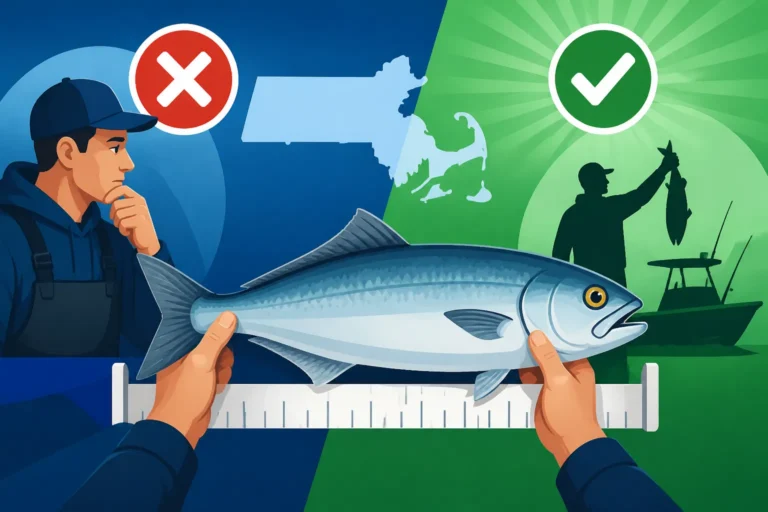
Massachusetts regulations for scup can change, so it's always important to check the most current rules published by the Massachusetts Division of Marine Fisheries (DMF) before heading out. Generally, there are minimum size limits and daily bag limits that recreational anglers must follow. These limits can vary depending on the season or even the specific body of water. For example, the bag limit might be higher at certain times of the year when scup are more abundant.
You will almost certainly need a Massachusetts Saltwater Recreational Fishing Permit Explained to legally fish for scup and other saltwater species. Additionally, it's wise to be familiar with the broader Massachusetts Recreational Fishing Rules and Bag Limits as these will cover other species you might encounter and general angling practices. Always carry proof of your permit when fishing, either a printed copy or on your phone, as wardens can and do check. Failure to comply with regulations can result in fines and loss of fishing privileges, so play it safe and stay informed! You can usually find the most up-to-date information in the annual fishing regulations pamphlet, which can often be downloaded online or picked up at tackle shops.
Handling and Releasing Your Catch
While scup are often targeted for their delicious table fare, there will be times when you catch fish that are undersized or when you simply want to release a portion of your catch. Proper handling practices are essential to maximize the survival rate of released fish.
- Minimize Handling: Try to handle fish as little as possible. If a fish is deeply hooked and you plan to release it, cut the line as close to the hook as possible rather than trying to remove it. J-hooks tend to hook in the lip, while circle hooks are even better for gut-hook prevention.
- Wet Hands: Always wet your hands before touching a fish you intend to release. Dry hands can remove the protective slime coat, making the fish more susceptible to disease.
- Support the Fish: If you need to lift the fish for a quick photo, support its body horizontally, especially heavier fish. Avoid holding them vertically by the jaw or gills, which can damage internal organs.
- Quick Release: Get the fish back into the water as quickly as possible. If it seems sluggish, gently hold it in the water, facing into the current, until it swims away under its own power. These practices contribute directly to the health of the scup population and allow undersized fish to grow into future keepers.
Conservation and Sustainable Practices
As anglers, we are stewards of our marine resources. Practicing conservation and sustainable fishing techniques ensures that scup populations remain healthy and abundant for years to come.
- Know Your Limits: Adhere strictly to Massachusetts Saltwater Bag Limits by Species and size restrictions. These limits are scientifically determined to prevent overfishing. Taking only what you need and what is legally allowed is a fundamental aspect of responsible angling.
- Respect the Resource: Avoid unnecessary waste. If you're keeping fish, make sure to clean and consume them. If you're releasing, do so with care.
- Report Violations: If you witness illegal fishing activity, such as exceeding bag limits or taking undersized fish, report it to the Massachusetts Environmental Police. This helps protect the resource for everyone.
- Educate Others: Share your knowledge of responsible angling and regulations with fellow fishermen, especially new anglers. The more informed and responsible our fishing community is, the healthier our fisheries will be. Learning about Massachusetts Fish Identification Guide is also a crucial part of knowing what you've caught and whether it's legal to keep. By integrating these practices into your fishing routine, you become a part of the solution for sustainable fishing in Massachusetts.
Disclaimer
This article is for general informational purposes only and does not constitute professional advice. Laws, prices and regulations vary by location and change over time. Consult a qualified professional for guidance on your specific situation.