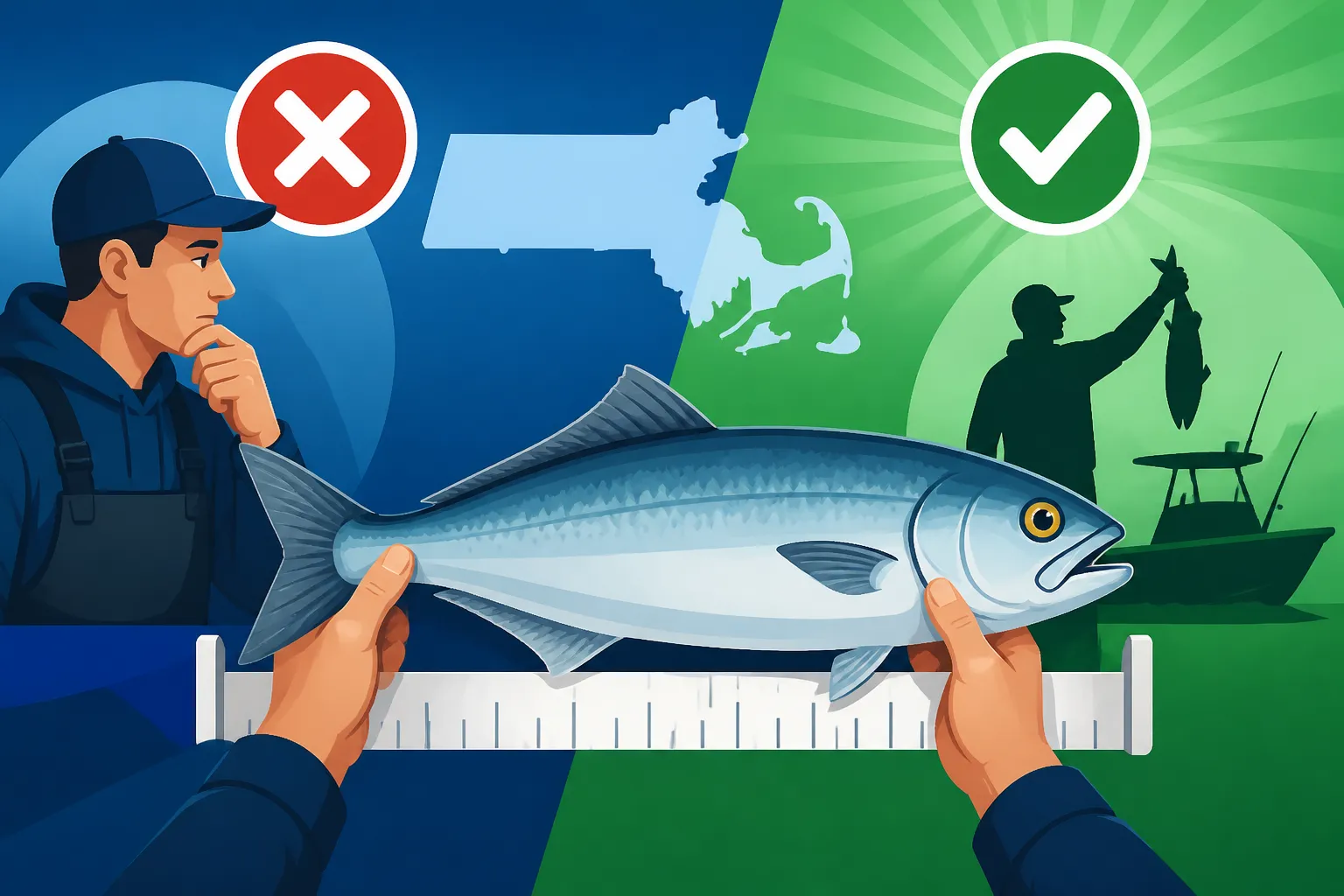
Whether you need to measure a bluefish before keeping it
It's a common question that pops into every angler's mind when they hook into a feisty bluefish here in Massachusetts: "Do I need to measure this one?" It's a natural thought, especially with all the talk about slot limits and minimum sizes for other popular species like striped bass. But here’s the scoop: for bluefish, the regulations are typically more straightforward, often focusing on how many you can keep, not necessarily how long each one is. This guide will clear up that confusion, diving deep into the rules, practical considerations, and what you really need to know when you're out on the water chasing these toothy critters.
Understanding Massachusetts Bluefish Regulations
When you're out on the water, whether you're casting from a Cape Cod beach or jigging from a boat in Buzzards Bay, it’s crucial to understand the rules. The Massachusetts Division of Marine Fisheries (MassDMF) sets these guidelines to ensure healthy fish populations for years to come. For bluefish, the focus is quite different from what you might be used to with other popular game fish.
The Importance of Bag Limits Over Size Limits for Bluefish
Unlike many other species, bluefish in Massachusetts don't typically have a minimum or maximum size limit that you must adhere to. This often comes as a surprise to anglers who are constantly reaching for their tape measures when targeting striped bass or tautog. The primary regulation for bluefish revolves around a "bag limit" – meaning how many fish you can keep per person per day.
Why this difference? Bluefish are known for their rapid growth, aggressive feeding habits, and relatively short lifespan. They're a highly migratory species, and their populations are generally robust. Because of these biological factors, managing their numbers through a daily bag limit is usually sufficient to maintain a healthy stock. Conservation efforts for bluefish often focus on preventing overharvesting across the entire population rather than protecting specific age classes (which is what size limits are designed to do, like ensuring fish can spawn before being kept). So, while you might hear a lot about the Massachusetts Striped Bass Slot Limit Explained, for bluefish, it's more about quantity than individual dimensions.
Why No Minimum Size for Bluefish?
The absence of a minimum size for bluefish also comes down to a few practical realities. Firstly, as mentioned, their life history doesn't necessitate strict size regulations for conservation in the same way it does for longer-lived, slower-growing species. Secondly, let's be real: bluefish are notoriously aggressive and possess a formidable set of teeth. Measuring a live, thrashing bluefish with a mouthful of razor-sharp chompers can be a challenge, even for experienced anglers. It increases the risk of injury to the angler and can cause undue stress and harm to the fish if you're trying to release it. Without a conservation need for a size limit, avoiding this potentially dangerous step simplifies the process for everyone involved and prioritizes safety.
Think about it: trying to get a precise measurement on a fish that’s actively trying to bite anything in its vicinity is not only stressful for you but also rough on the fish. While catch and release is always a great practice, sometimes a quick unhook and release is better than a prolonged measurement process for a species that doesn't require it.
The Bluefish Daily Bag Limit
So, if you don't need to measure them, what do you need to know? The critical rule for bluefish in Massachusetts is the daily bag limit. This number dictates how many bluefish an individual angler can legally possess in a 24-hour period. This limit is set by the state and can be subject to change, so it's always, always, always a good idea to consult the most current Massachusetts Recreational Fishing Rules and Bag Limits or the MassDMF website before you head out. These regulations are often printed in the annual fishing regulation pamphlet, which is your best friend on the water.
For example, if the regulation states a daily bag limit of X bluefish per angler, you cannot keep more than X bluefish, regardless of their size. This applies whether you're fishing from shore, a private boat, or even on a charter. If you catch more than the limit, any additional fish must be immediately and safely released. This is a hard and fast rule that all anglers are expected to follow. Adhering to this limit is how we ensure that future generations of anglers can also enjoy the thrill of catching these vibrant fish.
Practicalities of Handling and Keeping Bluefish
Catching bluefish is exhilarating! They strike hard, fight aggressively, and pull like freight trains. But once you've landed one, there are some important practical considerations, especially since you don't need to measure them.
Safety First: Dealing with a Toothed Predator
Bluefish, affectionately (or sometimes fearfully) known as "choppers" or "gators," have mouths full of very sharp, conical teeth. They are designed for slicing through baitfish with incredible efficiency, and they can do serious damage to an unsuspecting finger. This is why, even without a size limit, responsible handling is paramount.
When a bluefish comes aboard, never, ever put your hands directly into its mouth. Use a good pair of long-nosed pliers or a dehooking tool to remove the hook. These tools are invaluable for safety and efficiency, allowing you to unhook the fish quickly while keeping your digits clear of those formidable teeth. You can find excellent, durable options on platforms like Amazon, often with rust-resistant coatings perfect for saltwater environments. A fish gripper or lip gaff can also be helpful for securing the fish while you work, further reducing the risk of a bite or a lost fish. Proper handling also means supporting the fish horizontally if you're holding it for a quick photo, especially if you plan to release it. flopping around can cause internal damage.
When to Release and When to Keep: Beyond the Regulations
Just because there isn't a size limit doesn't mean you have to keep every bluefish you catch. Many anglers choose to release smaller bluefish, or even larger ones, based on personal preference or conservation ethic. Bluefish are often viewed as excellent sportfish, and releasing them to fight another day is a common practice.
However, bluefish are also a popular food fish, especially when handled correctly. If you plan to keep bluefish for the table, consider the quality of the fish. Smaller bluefish (often referred to as "snappers" when very young, or "harbor blues" when a bit bigger) tend to have milder, less "fishy" meat. Larger bluefish, while offering more fillets, can have a stronger, oilier flavor that some find overpowering. Your decision to keep or release might depend on your culinary preferences or simply how many you already have in the cooler. Practicing selective harvesting helps ensure you take home the best quality fish for your plate and leaves plenty for the ecosystem.
What to Do After Catching a Bluefish
So, you've landed a bluefish, admired its powerful form, and decided to keep it. What's next?
Counting Your Catch: Ensuring Compliance with Bag Limits
This is where the bag limit really comes into play. As you catch and retain bluefish, you must keep a running tally in your head. If the limit is, say, 5 fish, then once you have five bluefish in your cooler or on your stringer, you must stop retaining bluefish for that day. Any additional bluefish you catch after reaching your limit must be immediately released, even if they're absolute monsters.
It's not uncommon for anglers, especially when the bite is hot, to accidentally exceed their limit. That's why being mindful is crucial. Some anglers will even keep a mental note or a simple tally on a waterproof notepad to avoid any mistakes. Remember, ignorance of the law is no excuse, and violating bag limits can lead to penalties, including fines. Always be aware of your current count, especially when fishing with multiple people on a boat where individual limits apply.
Care for Your Catch: Keeping Bluefish Fresh
Even without a size limit, ensuring the quality of your bluefish for consumption is paramount. Bluefish, due to their oily flesh, can spoil quickly or develop a strong flavor if not properly handled after being caught. The moment you decide to keep a bluefish, it should go straight into a cooler filled with ice. A good quality cooler is an investment worth making; you can find highly rated, insulated options on Amazon that will keep your catch chilled for hours, even on a hot Massachusetts summer day.
Many experienced anglers also recommend "bleeding" bluefish immediately after catching them. This involves making a quick cut to the gills or caudal artery (near the tail) to allow the blood to drain. Bleeding the fish helps to improve the taste and texture of the meat by removing blood that can contribute to a strong, "fishy" flavor. After bleeding, immediately place the fish on ice. This rapid chilling and proper handling will make a world of difference when it comes time to fillet and cook your bluefish, ensuring a delicious meal.
Differentiating Bluefish from Other Species
One of the most important reasons to understand bluefish regulations, and why they differ from other species, is to prevent misidentification. Accidentally keeping a striped bass that is out of slot, for example, because you thought it was a bluefish, can lead to significant penalties.
Visual Cues for Identification
Bluefish are generally easy to identify once you know what to look for, but new anglers might occasionally confuse them with other species, particularly striped bass, especially when the fish are smaller or when visibility is poor.
Here are some key characteristics of bluefish:
- Coloration: Bluefish typically have a greenish-blue or bluish-gray back that fades to silvery sides and a white belly.
- Body Shape: They have a more streamlined, torpedo-shaped body compared to a striped bass, which can be stockier.
- Mouth and Teeth: This is the dead giveaway! Bluefish have a prominent, deeply forked mouth with very sharp, visible teeth. Striped bass have a softer mouth with small, rasp-like teeth, not sharp dagger-like ones.
- Dorsal Fins: Bluefish have two dorsal fins that are distinctly separated. The first dorsal fin is spiny, and the second is softer-rayed.
- Tail: Their tail fin is deeply forked and powerful.
Contrast this with a striped bass:
- Coloration: Striped bass also have a darker back (often olive-green or grayish) fading to silver, but they are defined by their distinct horizontal dark stripes running along their sides.
- Mouth: Striped bass have a more standard fish mouth without the menacing teeth of a bluefish.
- Dorsal Fins: They also have two dorsal fins, but they are generally closer together.
- Tail: Their tail is typically less deeply forked than a bluefish's.
If you're ever in doubt, err on the side of caution or take a good look at the mouth. Those teeth are a definitive bluefish characteristic! For more details on identification and how to target them, check out Difference Between Bluefish and Striped Bass and How to Catch Bluefish in Massachusetts.
Regulatory Differences: Bluefish vs. Striped Bass
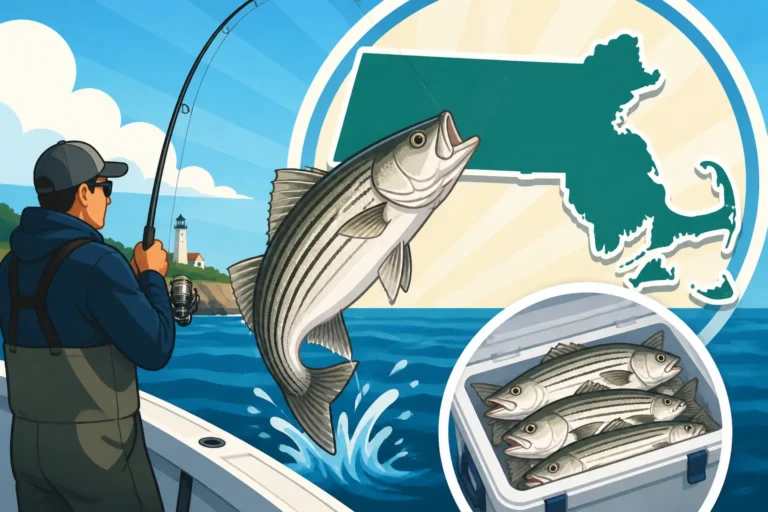
This is perhaps the most critical distinction for Massachusetts anglers. While bluefish typically have only a bag limit, striped bass are managed with strict slot limits and bag limits that absolutely require measuring every fish you intend to keep.
| Feature | Bluefish | Striped Bass |
|---|---|---|
| Size Limit | Generally none (check current regs) | Specific slot limit (e.g., X to Y inches) |
| Bag Limit | Yes (e.g., X fish per person per day) | Yes (e.g., X fish per person per day) |
| Teeth | Very sharp, conical | Small, rasp-like |
| Identification | No prominent stripes, deeply forked tail | Distinct horizontal dark stripes, less forked tail |
| Measuring | Not typically required | Absolutely required for every keeper |
This table highlights why understanding the species you've caught is so vital. Mistaking a keeper-sized striped bass for a bluefish and not measuring it, only to find out it was outside the legal slot, can land you in hot water. Similarly, knowing you don't need to measure a bluefish saves you time and reduces stress on the fish. You can find detailed information on Massachusetts Saltwater Bag Limits by Species to keep yourself informed across the board.
Staying Informed and Enjoying Your Catch
The world of fishing regulations can seem like a moving target sometimes, and it’s why staying informed is part of being a responsible angler. Always check the current regulations before each fishing season, as rules can change from year to year. The MassDMF website is an excellent resource, and local bait shops often have the most up-to-date information and printed pamphlets. You might also want to look into The Massachusetts Wildlands Conservation Stamp Explained which is often required for various licenses and contributes to conservation efforts.
Whether you're targeting bluefish for their incredible fight or for a delicious meal, understanding the rules, practicing safe handling, and respecting the resource are what make fishing in Massachusetts such a rewarding experience. So go out there, enjoy the thrill of the chase, and know that you’re doing your part to keep our waters healthy for all to enjoy!
Disclaimer
This article is for general informational purposes only and does not constitute professional advice. Laws, prices and regulations vary by location and change over time. Consult a qualified professional for guidance on your specific situation.