Where striped bass spawn near Massachusetts
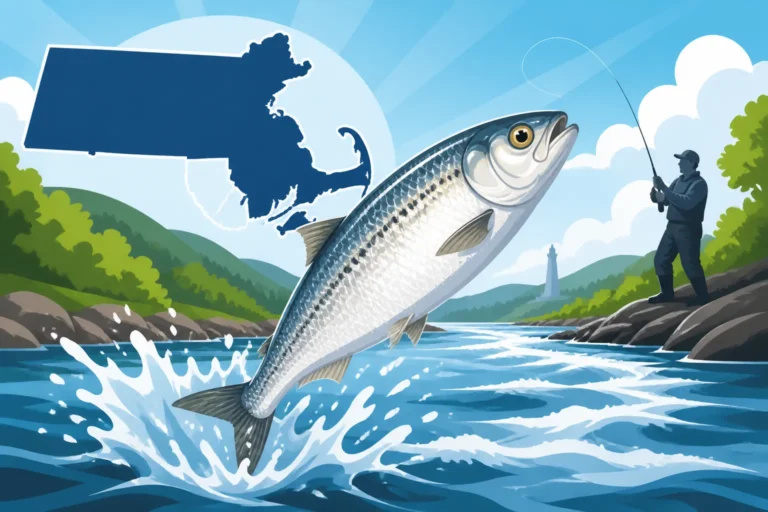
It's a common misconception among anglers, especially those new to the thriving striped bass fishery here in Massachusetts, that these incredible fish actually spawn in our local waters. You spend all spring and summer chasing them along our coast, from the sandy beaches of Cape Cod to the rocky shorelines north of Boston, so it's only natural to assume they must be making babies somewhere close by, right? Well, friend, the truth is a little more complex, and understanding it is key to appreciating the amazing journey these fish undertake and why conservation efforts are so vital. This guide will dive deep into the real spawning grounds of striped bass, explain their incredible migration, and show you why knowing this information makes you a more informed and ethical angler right here in the Bay State.
The Truth About Striped Bass Spawning Grounds
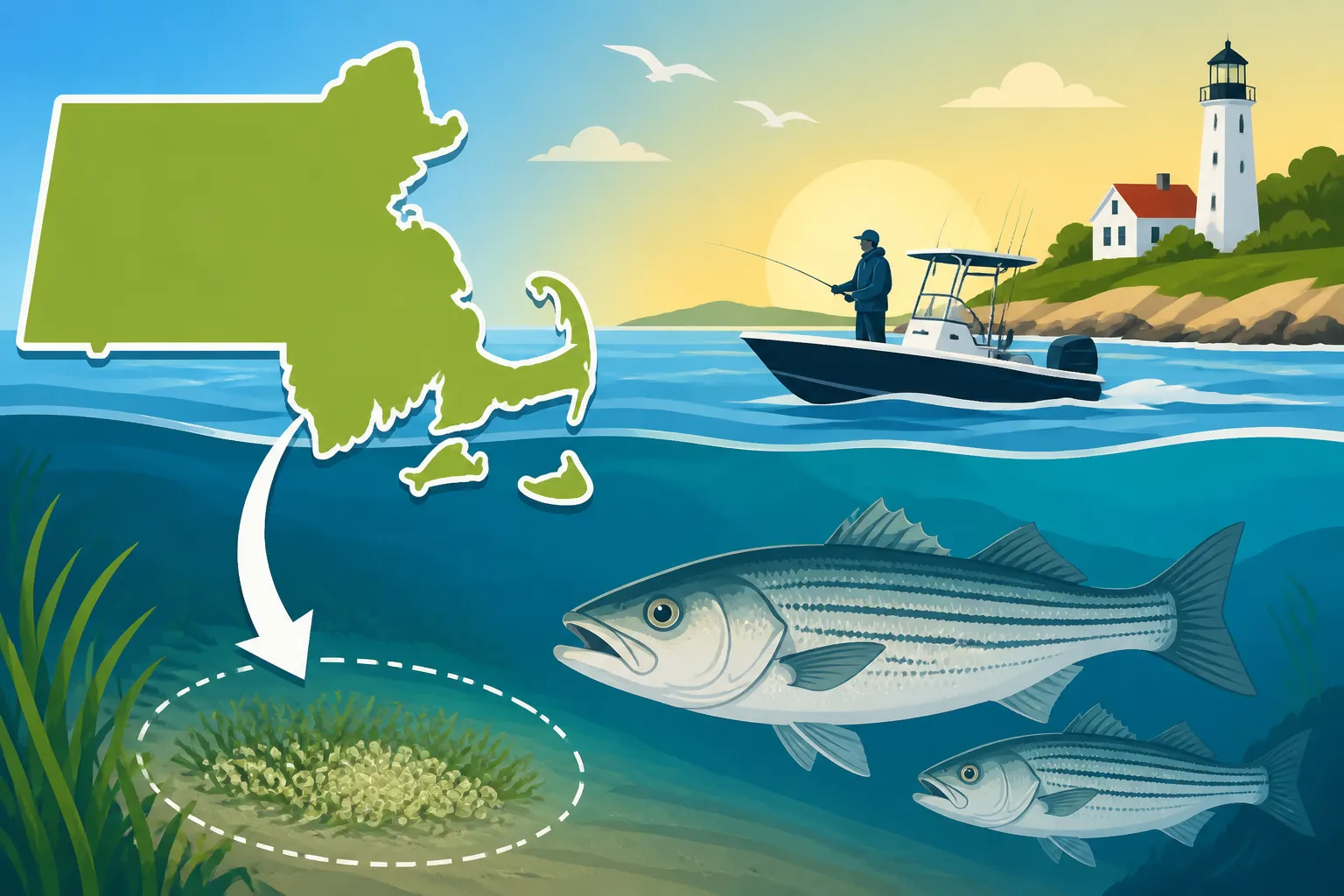
Let's clear the air right away: while Massachusetts offers some of the best striped bass fishing in the country, it's not where these magnificent fish lay their eggs. Our waters serve as critical feeding grounds and a summer vacation destination for stripers, but their nursery is far to the south.
Dispelling the Local Spawning Myth in Massachusetts
When you see schools of baitfish being annihilated by hungry stripers off our coast in June, or you catch a hefty cow bass in the middle of July, it's easy to imagine that these fish are simply living their entire lives here. Perhaps they were born in a local river or estuary and just grew up to be giants in our rich coastal waters. It makes logical sense, doesn't it? Many freshwater fish, like our beloved trout, are stocked directly into our local ponds and streams, and some freshwater species absolutely reproduce right here. But striped bass, being an anadromous species (meaning they live in saltwater but spawn in freshwater), have a different life strategy. Their specific spawning requirements mean they seek out very particular environments that Massachusetts simply doesn't offer in the necessary scale for the vast majority of the population.
The Grand Nursery: The Chesapeake Bay
When it comes to striped bass spawning, there is one undisputed king: the Chesapeake Bay. This immense estuary, spanning parts of Maryland and Virginia, is the single most important spawning and nursery area for Atlantic striped bass. Imagine a vast, nutrient-rich inland sea fed by numerous rivers like the Susquehanna, Choptank, Potomac, and James. These rivers provide the ideal conditions: a mix of fresh and slightly brackish water, specific temperatures that trigger spawning, and extensive shallow areas that offer protection and food for newly hatched fry.
The sheer volume of striped bass that return to the Chesapeake Bay each spring is mind-boggling. It's truly an ecological spectacle, with an estimated 70-90% of the entire Atlantic coast's striped bass population originating from this one area. The females, sometimes enormous "cows," release millions of eggs, and the males fertilize them in the current. It's a testament to the incredible productivity of this ecosystem, and its health is directly tied to the success of our striped bass fishery here in Massachusetts.
Other Important Spawning Rivers
While the Chesapeake Bay is the undisputed champion, it's not the only place striped bass spawn. Other significant rivers further south along the Atlantic seaboard also contribute to the overall population, albeit on a smaller scale. The Delaware River, flowing through Pennsylvania, New Jersey, and Delaware, is another vital spawning ground. The Hudson River in New York also plays a crucial role, supporting a distinct stock of striped bass. These rivers, much like those feeding the Chesapeake, offer the necessary freshwater influence and specific environmental conditions that striped bass need to successfully reproduce. However, when we talk about the vast numbers of fish that arrive in Massachusetts each year, it's generally understood that the vast majority have completed their earliest life stages in the expansive nurseries of the Chesapeake Bay.
The Journey to Spawning: Migration Patterns
Understanding where striped bass spawn naturally leads us to their incredible migratory behaviors. These fish are true travelers, undertaking epic journeys driven by the primal urge to reproduce and the need to find rich feeding grounds.
The Spring Migration to Spawning Grounds
As winter gives way to spring, adult striped bass, many of whom have spent their winter months in deeper offshore waters or warmer southern estuaries, begin their journey towards their natal spawning grounds. This is a mass movement, a biological clock ticking, telling them it's time to head south and inland. Fish that have wintered off the coast of New Jersey or even further south will push into the freshwater sections of rivers like the Susquehanna and James.
The timing is critical. They are looking for specific water temperatures, generally in the range of 55-68 degrees Fahrenheit, which signal that conditions are right for their eggs and larvae to develop. This pre-spawn migration is a taxing time for these fish, as they are focused solely on reproduction, often not feeding heavily until after the spawn. Anglers along the mid-Atlantic coast eagerly anticipate this movement, knowing that a successful spawn directly impacts the future health of the entire fishery. It's a reminder that the fish we pursue here in Massachusetts are part of a much larger, interconnected system.
The Post-Spawn Migration North to Massachusetts
Once the arduous task of spawning is complete, usually by late spring, the adult striped bass undertake another massive migration. This time, they're heading north, eager to replenish their energy reserves after expending so much on reproduction. And guess what? Massachusetts is one of their prime destinations! Our coastline, from Buzzards Bay all the way up to Plum Island, explodes with activity as these post-spawn stripers arrive, hungry and ready to feast.
This is when we, as Massachusetts anglers, truly come alive. The arrival of these migratory fish, often referred to as the "spring run," kicks off our prime fishing season. From May through early summer, our waters are teeming with stripers, from schoolie-sized fish to massive breeders, all looking for abundant baitfish like mackerel, herring, and bunker. This northward journey is essential for their growth and survival, transforming them from spent spawners into powerful, robust predators once again. Knowing this helps us understand why When striped bass arrive in Massachusetts waters is such a critical period for local anglers.
The Spawning Process Itself
It's one thing to know where stripers spawn, but how does it actually happen? The process is fascinating and entirely different from how many other fish reproduce.
Ideal Conditions for Reproduction
Striped bass are quite particular about their spawning environment. They need flowing freshwater that’s close enough to brackish water that the tiny larvae can drift downstream into the slightly salty nursery areas. The specific river flow is crucial, as their eggs are semi-buoyant and need to be kept suspended in the water column to develop properly. If the flow is too slow, the eggs might sink and suffocate; too fast, and they could be swept out of the ideal nursery conditions prematurely.
Temperature, as mentioned, is another non-negotiable factor. If the water is too cold, the eggs won't develop; too warm, and development can be abnormal or lead to high mortality. Salinity is also key; while they spawn in freshwater, the larvae thrive in slightly brackish conditions as they mature. This intricate balance of environmental factors makes the major river systems of the Chesapeake, Delaware, and Hudson so uniquely suited for striped bass reproduction.
The "Broadcast Spawning" Event
Unlike salmon who build redds or bass who create nests, striped bass engage in what's known as "broadcast spawning." Imagine numerous males surrounding a large female in the river's current. The female releases her eggs directly into the water, and simultaneously, the males release their milt (sperm) to fertilize them externally. There's no parental care, no protective nest—it's all about releasing a massive quantity of eggs and letting nature take its course.
A single large female striped bass can release millions of eggs in one spawning event. These eggs are small, typically less than a millimeter in diameter, and have a unique characteristic: they're slightly heavier than pure freshwater but lighter than saltwater. This semi-buoyancy allows them to drift downstream with the current, remaining suspended for the few days it takes for them to hatch into tiny larvae. This drift is vital, carrying them from the freshwater spawning grounds down into the brackish estuaries where the young can find shelter and food.
The Life Cycle of a Striped Bass from Egg to Juvenile
The journey from a tiny egg to a robust juvenile striped bass is fraught with peril and relies heavily on healthy ecosystems.
Larval Development and Survival Challenges
Once hatched, the striped bass larvae are incredibly vulnerable. They are tiny, translucent, and at the mercy of the current, predators, and environmental conditions. Over the next few weeks, they'll develop fins, eyes, and mouths, transitioning from yolk-sac larvae to actively feeding fry. Their survival rates are staggeringly low during this stage, with only a tiny fraction making it to the juvenile phase.
Factors like pollution from agricultural runoff or industrial discharge in the spawning rivers can be devastating, affecting egg viability or larval development. Fluctuations in water temperature, severe storms, or periods of drought can also impact their survival. It’s a delicate balance, and any disturbance can have ripple effects throughout the entire Atlantic striped bass population, including the fish that eventually swim into Massachusetts saltwater recreational fishing permit explained waters.
Nursery Habitats for Young Stripers
As the larvae grow, they drift into the shallow, productive nursery habitats within the estuaries. These areas, typically characterized by tidal marshes, seagrass beds, and muddy bottoms, offer crucial shelter from predators and an abundant supply of microscopic organisms and tiny crustaceans for them to feed on. These estuarine nurseries, such as the vast reaches of the Chesapeake Bay, act as vital havens where juvenile stripers can grow rapidly.
Young striped bass will spend their first year or two, sometimes even longer, within these nursery grounds before they are large and strong enough to join the migratory patterns of the adults. During this time, they gradually become more tolerant of saltwater, preparing for their future lives in the open ocean. Protecting these estuarine nursery habitats is just as critical as protecting the spawning rivers themselves for the long-term health of the species. For anglers looking to understand more about the full life cycle and conservation, there are many excellent books available on Amazon that delve into these crucial biological details.
Why Understanding Spawning Matters for Massachusetts Anglers
So, why should an angler in Massachusetts care so deeply about what happens hundreds of miles south in the Chesapeake Bay? The answer is simple: the health of our local fishery depends on it entirely.
Conservation and Management Efforts
Every striped bass you catch in Massachusetts, whether it's a feisty schoolie or a bragging-rights keeper, began its life in those southern rivers. This makes conservation and management efforts incredibly complex and emphasizes the need for interstate cooperation. Regulations set by organizations like the Atlantic States Marine Fisheries Commission (ASMFC) aim to manage the entire coastal stock, not just individual state populations. Our Massachusetts Recreational Fishing Rules and Bag Limits are directly influenced by the need to ensure enough adult fish survive to return to those spawning grounds year after year.
When conditions are poor in the spawning rivers—due to pollution, habitat loss, or unfavorable environmental conditions—it means fewer young stripers will survive to eventually migrate north to our waters. This directly translates to fewer fish for us to catch in the years to come. That's why supporting broader conservation efforts, even those that seem geographically distant, is so important for every angler who enjoys fishing for striped bass off the Massachusetts coast. Protecting the spawning grounds isn't just about protecting fish elsewhere; it's about protecting our own fishing future.
Ethical Angling Practices
Knowing the incredible journey a striped bass undertakes to reach our waters should inspire a deeper sense of responsibility in every angler. Many of the large striped bass we catch in Massachusetts are mature females, or "cow bass," that have made multiple trips to the spawning grounds. While the Massachusetts Striped Bass Size and Bag Limit dictates what we can legally keep, practicing responsible catch-and-release, especially for these larger breeding fish, becomes an ethical choice that supports the future of the fishery.
Proper handling techniques—minimizing out-of-water time, supporting the fish horizontally, and using appropriate gear to avoid gut-hooking—can significantly increase a released fish's chances of survival. There's a wide range of catch-and-release tools, like de-hookers and measuring tapes, available on Amazon that can help anglers minimize stress on the fish. By doing our part to ensure that fish we release are healthy enough to make their next spawning run, we contribute directly to the sustainability of this cherished species.
Supporting Healthy Spawning Habitats
As anglers, we have a vested interest in ensuring the spawning and nursery grounds remain healthy and productive. While we might not be able to directly impact conditions in the Chesapeake Bay or Hudson River, we can support organizations that work tirelessly on habitat restoration, water quality improvement, and sustainable fishery management throughout the Atlantic coast.
Staying informed about current regulations and scientific findings, easily found in resources like the Massachusetts Fishing Regulations Pamphlet, Explained, is another crucial step. Advocating for clean water, responsible land use practices, and robust conservation funding—both locally and nationally—helps to ensure that the critical habitats for striped bass, from their freshwater birthing grounds to their saltwater feeding havens, are protected for generations of anglers to come.
| Spawning Ground Feature | Chesapeake Bay / Southern Rivers | Massachusetts Coastal Waters |
|---|---|---|
| Primary Function | Spawning and Nursery Grounds | Feeding and Growth Grounds |
| Water Type for Spawning | Freshwater to Brackish River Estuaries | Predominantly Saltwater (Ocean, Bays) |
| Ideal Temperature Range | ~55-68°F (for spawning) | ~50-70°F (for feeding) |
| Spawning Method | Broadcast Spawning | Does not occur in MA |
| Egg Type | Semi-buoyant, drift with current | Eggs not present |
| Juvenile Habitat | Shallow, brackish estuaries | Only older juveniles/adults present |
| Timing of Adult Presence | Early Spring (for spawning) | Late Spring through Fall (for feeding) |
Knowing the true origin of our striped bass makes every catch a little more meaningful, doesn't it? It connects us to a much larger ecosystem and reinforces the idea that what we do here in Massachusetts can have an impact far beyond our local waters.
Disclaimer
This article is for general informational purposes only and does not constitute professional advice. Laws, prices and regulations vary by location and change over time. Consult a qualified professional for guidance on your specific situation.