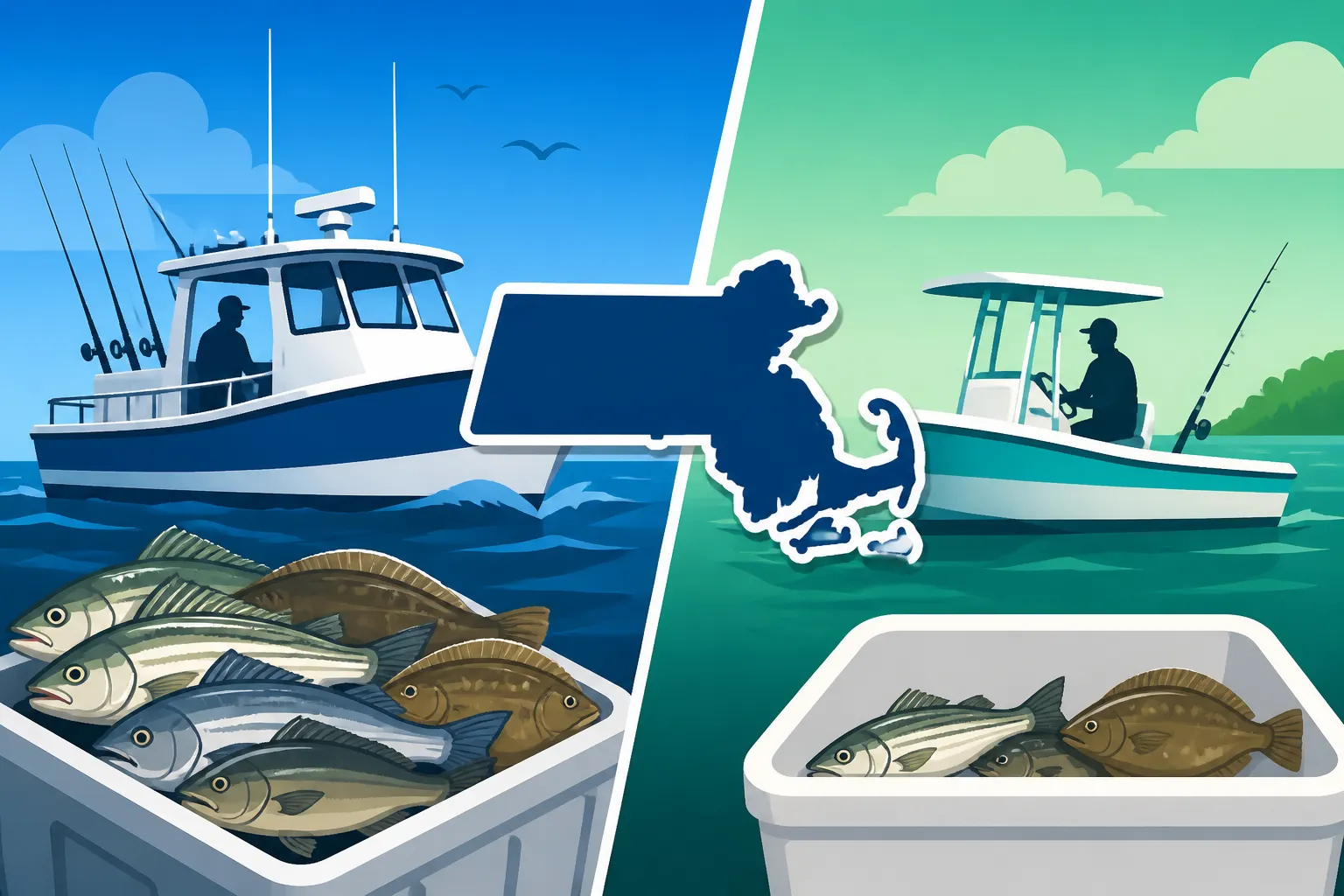
For-hire vessel bag limits versus private boat limits in Massachusetts
It’s a common scenario: you’re out on the water, whether on your own boat or with a professional charter, and suddenly a question pops into your head – "Wait, are the rules the same for everyone?" This confusion around bag limits and regulations for for-hire vessels versus private boats in Massachusetts can be a real headache, leading to uncertainty and even potential fines. This guide is here to untangle those complexities, ensuring you understand the distinct rules that apply, so you can enjoy your fishing trip with confidence and stay on the right side of the law.
Understanding Massachusetts Fishing Bag Limits
Let's face it, fishing regulations can sometimes feel like a labyrinth, especially when you're trying to figure out if you, as a private boat owner, are held to the same standards as a seasoned charter captain. The short answer is: not always. Massachusetts, like many states, implements different bag limits and rules based on whether you're fishing recreationally from your own vessel or participating in a for-hire fishing trip. These distinctions are crucial for conservation efforts, managing fishing pressure, and ensuring fairness across different angling sectors.
What Are Bag Limits and Why Do They Matter?
Bag limits, sometimes called creel limits, are simply the maximum number of fish of a particular species that an individual angler can keep in a single day. These limits are absolutely vital for maintaining healthy fish populations. Without them, it would be far too easy for anglers to overfish a species, leading to declines that could take years, even decades, to recover. Think of it like a savings account for fish: we take out a little, but always leave enough for future generations to enjoy. Beyond daily limits, there are often minimum or maximum size restrictions (slot limits), and even closed seasons for certain species to protect them during critical spawning periods. It’s all part of a larger, well-thought-out plan to ensure sustainable fishing for everyone in Massachusetts. You can always refer to the Massachusetts Fishing Regulations Pamphlet, Explained for the full details.
The Core Difference: Recreational vs. For-Hire
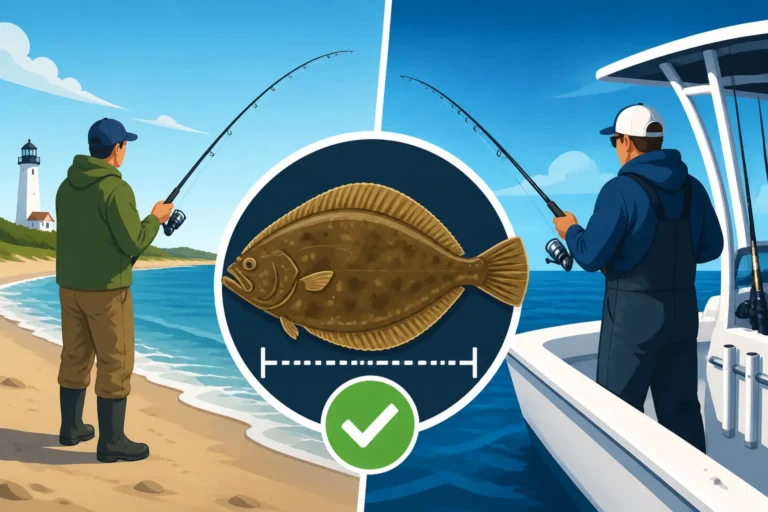
The fundamental difference lies in the nature of the fishing activity. When you're fishing from your private boat, you're engaging in recreational fishing. The rules are designed for individual anglers, focusing on personal enjoyment and responsible harvesting. When you step onto a for-hire vessel – whether it’s a small charter boat with just a few friends or a large headboat (also known as a party boat) with dozens of strangers – you're entering a commercial operation that offers fishing services. Because these operations often target specific species, have professional crews, and can potentially put more pressure on fish stocks due to the sheer volume of anglers they host, they are often subject to different, and sometimes more stringent, regulations. These differences are often aimed at managing the overall impact of the fishing fleet and can include nuances in how licenses are handled, what gear is used, and of course, the actual bag limits themselves.
Specific Bag Limits for Private Boats in Massachusetts
As a private boat angler in Massachusetts, your fishing adventure is governed by recreational limits set by MassWildlife for freshwater species and by the Massachusetts Division of Marine Fisheries (DMF) for saltwater species. These limits are generally straightforward and apply directly to you, the individual angler. It’s your responsibility to know these rules before you cast a line, otherwise, you could find yourself in a sticky situation with a marine patrol officer.
Common Freshwater Species Limits for Private Anglers
Massachusetts offers fantastic freshwater fishing, from the quiet ponds of the Berkshires to the larger lakes and rivers across the state. The bag limits for freshwater species are designed to manage these diverse fisheries. For instance, if you’re targeting trout, whether it's rainbow, brown, or brook trout, you'll generally be allowed to keep a combined total of 3 fish per day, with a minimum size of 9 inches. This applies to most "stocked trout waters" which are plentiful. For species like largemouth and smallmouth bass, the typical limit is 5 fish per day, with a minimum size of 12 inches. Pickerel often have a generous limit, sometimes 10 fish per day, while panfish like crappie and perch can have limits of 15-25 fish. These numbers can vary slightly by water body, especially for certain trophy areas or special management zones, so it’s always wise to check the latest Massachusetts Freshwater Daily Catch Limits before heading out. Keep in mind, these limits are per person, per day.
Saltwater Species Limits for Private Recreational Fishing
When you venture into Massachusetts' beautiful coastal waters, whether it's a small skiff in a bay or a larger center console heading offshore, you're subject to saltwater recreational fishing regulations. These limits are arguably where most of the confusion arises compared to for-hire operations, mainly due to the often-changing nature of regulations for popular species like striped bass or cod. For example, the current recreational limit for striped bass is typically one fish per person per day, within a very specific slot limit – meaning it must be between a minimum and maximum length (e.g., 28 to less than 31 inches). Fluke (summer flounder) also have strict size and bag limits, often around 4 fish per day with a minimum size that can differ slightly between shore and boat fishing. Species like black sea bass and tautog have highly regulated seasons and bag limits that change frequently to protect spawning stocks. It’s imperative to check the most current Massachusetts Saltwater Bag Limits by Species before each trip, as these can literally change year-to-year, or even mid-season. Knowing these regulations is part of being a responsible angler and helps preserve these incredible fisheries.
Carrying Proof of Your Massachusetts Fishing License
Before you even think about bag limits, remember that almost every angler aged 15 and over needs a valid fishing license to fish in Massachusetts waters. For freshwater, you need a Massachusetts freshwater fishing license. For saltwater, you'll need a Massachusetts saltwater recreational fishing permit. And yes, you need to carry proof of it while fishing. A physical copy is always best, but a clear photo on your phone is often accepted as well. Many anglers keep their licenses and a small tape measure handy in a tackle box or waterproof pouch. If you're a new angler, learning How to Buy a Massachusetts Fishing License Online is a great first step. Don't forget, failing to have proof of your license can lead to a fine, even if you did purchase one. It’s always best to be prepared.
Specific Bag Limits for For-Hire Vessels (Charters and Headboats)
Now, let's talk about fishing on a for-hire vessel. This is where the landscape shifts a bit. Charters and headboats operate under specific federal and state regulations that often differ from private recreational limits. These differences are designed to account for the professional nature of the trip and the potential for a larger collective harvest from multiple paying customers.
How For-Hire Vessel Limits Differ
The primary distinction for for-hire vessels often comes down to who the bag limit applies to. While on a private boat, each individual angler is subject to their own daily bag limit. On a for-hire vessel, especially those operating in federal waters or targeting federally managed species, the boat itself may be assigned a specific "boat limit" or the limits might be more restrictive per person than private recreational limits for certain species. For example, some for-hire vessels might have slightly different size restrictions or season dates for certain species compared to private boats, particularly for highly sought-after fish like cod or tuna. The captain of the for-hire vessel is ultimately responsible for ensuring the entire trip adheres to these regulations, but as a passenger, it’s good practice to be aware of them.
Examples of For-Hire Saltwater Species Limits
Let's look at some real-world examples. For striped bass, while private recreational anglers are often restricted to one fish per person within a slot limit, for-hire vessels might sometimes operate under slightly different rules depending on the specific permit the vessel holds and the regulations for federal vs. state waters. It's not uncommon for federal regulations to sometimes have different possession limits or size restrictions for certain species when compared to state recreational limits. For species like black sea bass or cod, federal for-hire regulations can often be more dynamic, with different seasons, size limits, and bag limits than what a private recreational angler might face. These distinctions are complex and can change annually. The best source of up-to-date information will always be your charter captain, who is legally obligated to know and follow these rules. They'll typically brief you on what you can and cannot keep before you even leave the dock. You can also research the Massachusetts Saltwater Recreational Fishing Permit Explained to understand the permits required for the vessel itself.
Who Needs a License on a For-Hire Trip?
This is a common question, and thankfully, it's generally simpler than the bag limit discussion. On most for-hire vessels in Massachusetts, particularly those engaged in saltwater fishing, you, as a passenger, usually do NOT need your own individual Massachusetts saltwater fishing permit. The vessel itself operates under a blanket federal permit (like a federal for-hire permit) that covers all individuals on board. This is a huge convenience for visitors or those who only fish occasionally, eliminating the need to purchase a separate permit. However, there are nuances. If the charter ventures into freshwater, then individual freshwater licenses would still apply. Always confirm with your charter captain before booking or embarking on the trip, especially if you're planning a multi-species trip that might cross into different regulatory zones. For a deeper dive, check out Do Charter Passengers Need Their Own Massachusetts Saltwater Permit?.
Navigating the Regulations: Tips for Anglers
Understanding the nuances between private and for-hire vessel bag limits can feel overwhelming, but with a bit of proactive effort, you can ensure a smooth and compliant fishing experience. Nobody wants to have their exciting day on the water interrupted by a run-in with law enforcement due to a simple misunderstanding of the rules.
Staying Informed with Current Regulations
The single most important piece of advice is to stay informed. Fishing regulations, especially for popular saltwater species, are not static. They can change annually, sometimes even mid-season, in response to scientific assessments of fish stocks and management goals.
Here's how you can keep up:
- MassWildlife and DMF Websites: The official websites for the Massachusetts Division of Fisheries and Wildlife (MassWildlife) and the Division of Marine Fisheries (DMF) are your ultimate authority. They publish the most up-to-date regulations for both freshwater and saltwater species.
- Fishing Regulation Pamphlets: Both agencies produce annual regulation pamphlets that are usually available online and at bait and tackle shops. These are excellent resources to keep on hand.
- Local Bait & Tackle Shops: These local businesses are often a goldmine of information. Shop owners and employees are usually avid anglers themselves and stay current on local rules and conditions. When you need a new reel or some specialized bait, stopping by a shop like Kittery Trading Post or a local independent outfitter rather than just relying on Amazon for everything, can also offer valuable real-time advice on what's biting and what the current rules are.
- Charter Captains: If you're booking a for-hire trip, your captain is your expert. Don't hesitate to ask them about the specific regulations for the species you'll be targeting. They are professionals and are expected to know the rules inside and out.
It's a good habit to quickly check the regulations just before your trip, even if you think you know them, as small but significant changes can occur. This is especially true for popular species with complex regulations, such as the Massachusetts Striped Bass Slot Limit Explained.
Best Practices for Charter Guests and Private Boat Owners
For a hassle-free fishing experience, here are some best practices tailored to both scenarios:
For Private Boat Owners:
- Know Your Limits: Before you leave the dock, double-check the bag and size limits for all species you intend to target.
- Measure Carefully: Always carry a reliable measuring device. There are great, compact fish rulers available on Amazon that are perfect for boat use. Measure fish accurately from the tip of the snout to the end of the tail (or however the specific regulation dictates) to ensure they meet the minimum/maximum size.
- Respect Slot Limits: If a species has a slot limit, understand that fish outside that slot (too small or too large) must be released. These are critical for managing spawning stocks.
- Proper Release Techniques: If you're releasing fish, especially those outside the legal limit, learn how to do it properly to maximize their survival chances. Use appropriate hooks, handle fish minimally, and release them quickly.
- Proof of License: Keep your Massachusetts Fishing License Guide accessible.
For For-Hire Vessel Guests:
- Listen to Your Captain/Crew: They are the experts on board. Pay attention to their instructions regarding what fish to keep, what to release, and how to handle your catch.
- Ask Questions: If you're unsure about a specific rule or what to do with a fish, ask the crew. They are there to help and ensure compliance.
- Understand Boat Limits: Be aware that the boat might have a total limit for certain species, meaning that even if you haven't caught your individual share, the boat might have to stop keeping a particular species once the boat limit is reached.
- Don't Bring Your Own Measuring Devices (Unless Asked): Your captain will have certified measuring tools if needed. Trust their judgment.
- Focus on the Experience: While catching fish is fun, remember that a charter is also about the experience. Enjoy the camaraderie and the beauty of the ocean, even if the fish aren't biting as hard as you hoped.
By following these simple guidelines, you'll contribute to sustainable fishing practices and ensure an enjoyable, legal day on the water. If you’re preparing for a charter, reviewing What to Bring on a Massachusetts Fishing Charter can also be very helpful.
Penalties for Fishing Without a License in Massachusetts
Let's be blunt: fishing without the proper license or permit in Massachusetts is a gamble you don't want to take. The Massachusetts Environmental Police are active and they do enforce these regulations. The penalties for fishing without a license or permit can range from fines to more severe consequences, depending on the nature and severity of the violation.
- Fines: A first offense for fishing without a license or permit in Massachusetts can typically result in a fine. These fines can be significant enough to make you wish you'd spent the small amount on a license.
- Confiscation: In some cases, your fishing gear, including rods, reels, and even your catch, could be confiscated.
- Court Appearances: More serious violations, or repeat offenses, might require a court appearance.
- License Suspension: Future fishing privileges could be revoked or suspended.
It’s just not worth the risk. A Massachusetts fishing license is affordable, and easily accessible. You can often purchase one online via the MassFishHunt system, which streamlines the process. For more details on avoiding these unpleasant situations, check out Penalties for Fishing Without a License in Massachusetts and learn about How MassFishHunt Works for Buying a Massachusetts License. Always err on the side of caution and ensure you have all your ducks in a row before you hit the water.
Massachusetts Fishing Bag Limits: Private vs. For-Hire Comparison
To help clarify the differences, here's a general comparison table for some popular species. Please remember, regulations are subject to change, so always consult the latest official sources before you fish.
| Species | Private Recreational Angler Limits (General Example) | For-Hire Vessel Limits (General Example) | Key Considerations |
|---|---|---|---|
| Striped Bass | 1 fish, 28" to <31" slot limit per angler/day | 1 fish, 28" to <31" slot limit per angler/day, but often the vessel holds the federal permit, covering all onboard. | Highly regulated; federal and state rules might have subtle differences. Captain responsible for compliance. |
| Fluke (Summer Flounder) | 4 fish, 17" minimum size per angler/day | 4 fish, 17" minimum size per angler/day | Size limits can vary slightly between shore and boat fishing; often the same limits apply per angler on charters. |
| Black Sea Bass | 4 fish, 15" minimum size (seasonally restricted) | 4 fish, 15" minimum size (seasonally restricted) | Season dates and bag limits are highly variable and subject to frequent changes, often different for federal vs. state waters and for-hire vs. recreational. |
| Tautog | 3 fish, 16" minimum size (seasonally restricted) | 3 fish, 16" minimum size (seasonally restricted) | Extremely seasonal with varying bag limits by month; always confirm current regulations with your captain or DMF. |
| Cod | Historically 1 fish, 21" minimum size (often closed or highly restricted) | Highly restricted, often 1 fish, 21" minimum size in federal waters (groundfish trip limits apply to commercial vessels) | Recreational cod fishing is very limited in Massachusetts; for-hire vessels may have specific federal permits and regulations that can be more complex or restrictive. |
| Bluefish | 10 fish per angler/day (no size limit) | 10 fish per angler/day (no size limit) | Generally, the same liberal limits apply to both private and for-hire. |
| Freshwater Trout | 3 fish, 9" minimum size (combined species) | N/A (charters generally target saltwater; individual freshwater license needed if applicable) | Charters typically operate in saltwater. If a guide offers freshwater trips, individual angler rules apply, and clients need their own Massachusetts Freshwater Fishing License Costs and Rules. |
Disclaimer
The information provided in this guide is for general informational purposes only and does not constitute legal advice. Fishing regulations in Massachusetts are complex and subject to change. Always consult the official Massachusetts Division of Marine Fisheries (DMF) and MassWildlife websites or printed regulations for the most current and accurate information before engaging in any fishing activity. Non-compliance with fishing laws can result in fines and penalties.