Can You Fish Wachusett Reservoir From a Boat?
It’s a question many Massachusetts anglers ask with a mix of hope and frustration: can you fish Wachusett Reservoir from a boat? This vast, beautiful body of water looks absolutely perfect for a day out on the water, but the rules aren't always what you'd expect. This guide will cut through the confusion and explain exactly when, where, and how you can legally get a boat onto Wachusett Reservoir for some incredible fishing.
The Strict Rules for Boating on Wachusett Reservoir
Wachusett Reservoir isn't just another pretty lake in Massachusetts; it's a vital, protected source of drinking water for Boston and many surrounding communities. Because of this critical role, the rules and regulations governing its use are far more stringent than most other bodies of water in the Commonwealth. It's not about keeping anglers out; it's about safeguarding the water quality for millions of people.
Why Wachusett Has Unique Regulations
Imagine a bustling lake with dozens of motorboats, personal watercraft, and all the associated activities like waterskiing, swimming, and picnicking. Now imagine all the potential pollutants that could introduce to a public drinking water supply – fuel leaks, oil, sunscreen, discarded bait, human waste, and just general debris. That’s precisely why the Department of Conservation and Recreation (DCR), which manages Wachusett, has such strict guidelines. Their primary objective is source water protection, and everything else, including recreational fishing, falls secondary to that. This means Wachusett Reservoir operates under a very different set of rules compared to most other lakes and ponds you might fish in Massachusetts.
These regulations extend to nearly every aspect of fishing, from what kind of bait you can use to where you can access the shoreline. Even simple things like whether you can bring a cooler or a certain type of lure can be restricted, all with the goal of preserving water purity. So, while it might seem like a hassle, understanding that these rules are in place for public health can help put the "why" into perspective. It's a trade-off: pristine fishing in a beautiful setting, but with strict controls to ensure the water remains potable. For a broader look at all the regulations, check out our comprehensive guide on Wachusett Reservoir Fishing Guide for Massachusetts Anglers.
The "No Personal Boats" Policy
Here’s the straightforward answer to the main question: no, you absolutely cannot launch your personal boat – whether it’s a bass boat, kayak, canoe, or paddleboard – onto Wachusett Reservoir. This is a non-negotiable rule enforced by the DCR. Bringing your own vessel, regardless of how clean it appears, poses an unacceptable risk of introducing invasive species, bacteria, or other contaminants into the drinking water supply.
This policy is strictly enforced, and DCR park rangers regularly patrol the reservoir. Attempting to launch a personal boat can result in significant fines and potentially even legal action. It’s simply not worth the risk. Many anglers find this frustrating, especially those who have invested in their own fishing kayaks or small aluminum boats. They see the vast expanse of water and imagine the possibilities, only to be met with signage prohibiting personal watercraft. However, this restriction is a cornerstone of the DCR’s protection strategy, and there are no exceptions for private use. So, if you’ve got your heart set on fishing Wachusett from a boat, you’ll need to adjust your approach significantly.
Seasonal Access and DCR Boats
While personal boats are a no-go, the DCR does offer a specific, regulated way to get on the water: their DCR boat rental program. This is the only way to legally fish Wachusett Reservoir from a boat. The program operates seasonally, typically from early April to late October, but these dates can shift slightly based on weather conditions and DCR staffing. During this open season, the DCR provides a fleet of aluminum boats, usually 14-16 feet in length, equipped with electric motors and batteries for rent. These boats are meticulously maintained and undergo strict cleaning protocols to prevent contamination.
The DCR typically opens its Wachusett boat rental facility around the time that most Massachusetts Fishing Seasons Explained kick off for freshwater species. Availability can be limited, especially on prime weekends and holidays, so planning ahead is crucial. You’re not just renting a boat; you're also agreeing to abide by a comprehensive set of rules regarding its use, the areas you can fish, and the equipment you can bring onboard. Understanding these operational windows and the DCR's role is key to enjoying a successful boat fishing trip on Wachusett. It's a unique system, but it's designed to protect a precious resource while still offering recreational opportunities.
How to Legally Fish Wachusett Reservoir from a Boat
If you want to experience the thrill of fishing Wachusett from the water, embracing the DCR boat rental program is your only viable path. It requires a bit of planning and adherence to their specific guidelines, but the reward of accessing incredible fishing spots makes it worthwhile.
Utilizing the DCR Rental Program
To participate in the DCR boat rental program, you'll first need to head to the DCR boat launch area, often referred to as the Wachusett Reservoir Boat Livery. This facility is typically located off Route 140 in West Boylston, Massachusetts. When you arrive, you’ll need to check in, pay the rental fee, and get assigned a boat. The fees cover the boat itself, an electric trolling motor, and a marine battery, along with all the necessary safety equipment like oars and life jackets. While the DCR provides the essentials, you’ll still need your own fishing gear – rods, reels, tackle, and bait that meets the reservoir’s strict requirements.
Reservations for DCR boats are usually not taken in advance; it’s typically a first-come, first-served system. This means arriving early, especially on weekends or during peak fishing times, is absolutely critical. Imagine showing up mid-morning on a beautiful Saturday, only to find all boats are rented for the day – it's a common frustration that can be avoided with early planning. Always check the DCR website or call the Wachusett office for the most current information on operating hours, rental fees, and any changes to their reservation policy before you go. Remember, every angler over 15 years old also needs a valid Massachusetts Fishing License Guide to fish these waters.
Permitted Launch Points and Hours
The official DCR boat launch is your only permitted access point for launching any watercraft onto Wachusett Reservoir, and again, those are strictly DCR-owned rental boats. You cannot use any other area around the reservoir to launch, even if it looks accessible. The DCR facility itself usually opens at specific times in the morning and closes in the late afternoon, with all boats required to be returned before closing. These hours are non-negotiable for safety and operational reasons.
For example, the Wachusett Reservoir Boat Launch off Route 140 typically opens around sunrise, but boats need to be returned an hour or so before sunset. These specific times are strictly enforced, so make sure to factor them into your fishing day. It's a good idea to confirm the exact operating hours for the season you plan to visit, as they can sometimes vary slightly. There are specific boundaries on the reservoir where DCR boats are allowed to operate, generally excluding the immediate vicinity of the dam and other restricted zones. A map of these zones is usually provided at the livery or posted clearly. You'll also need to ensure you understand all the Massachusetts Recreational Fishing Rules and Bag Limits for any fish you plan to keep.
Safety Gear and Other Mandatory Requirements
When you rent a DCR boat, essential safety gear like life jackets for all occupants and oars will be provided. It is mandatory for children 12 years old and under to wear a U.S. Coast Guard-approved life jacket at all times while on board. For adults, carrying one on the boat is sufficient, but wearing it is always recommended, especially in cooler weather or if you're not a strong swimmer. Beyond what the DCR provides, there are other crucial rules to follow to ensure a safe and compliant trip.
For instance, only electric motors are allowed on DCR boats, and gas motors are strictly prohibited. The DCR boats come equipped with electric motors, and you are generally not permitted to bring your own. Bait restrictions are another big one: only artificial lures or worms are allowed. Live baitfish, shiners, or anything caught from another body of water is strictly forbidden to prevent the introduction of foreign species or diseases. Always ensure you have a current Massachusetts Freshwater Fishing License Costs and Rules before heading out. Anglers are also typically advised to bring their own small cooler for drinks and snacks, but large coolers that could be mistaken for live wells are usually discouraged. Common sense and courtesy towards other anglers and DCR staff go a long way in ensuring a pleasant experience for everyone.
Understanding the Wachusett Reservoir Fishing Experience
Despite the strict regulations, fishing Wachusett Reservoir from a DCR boat offers an unparalleled experience. The size of the reservoir, its depth, and the species it holds make it a truly special place for anglers seeking a challenge and potential trophy catches.
Species You Can Target from a Boat
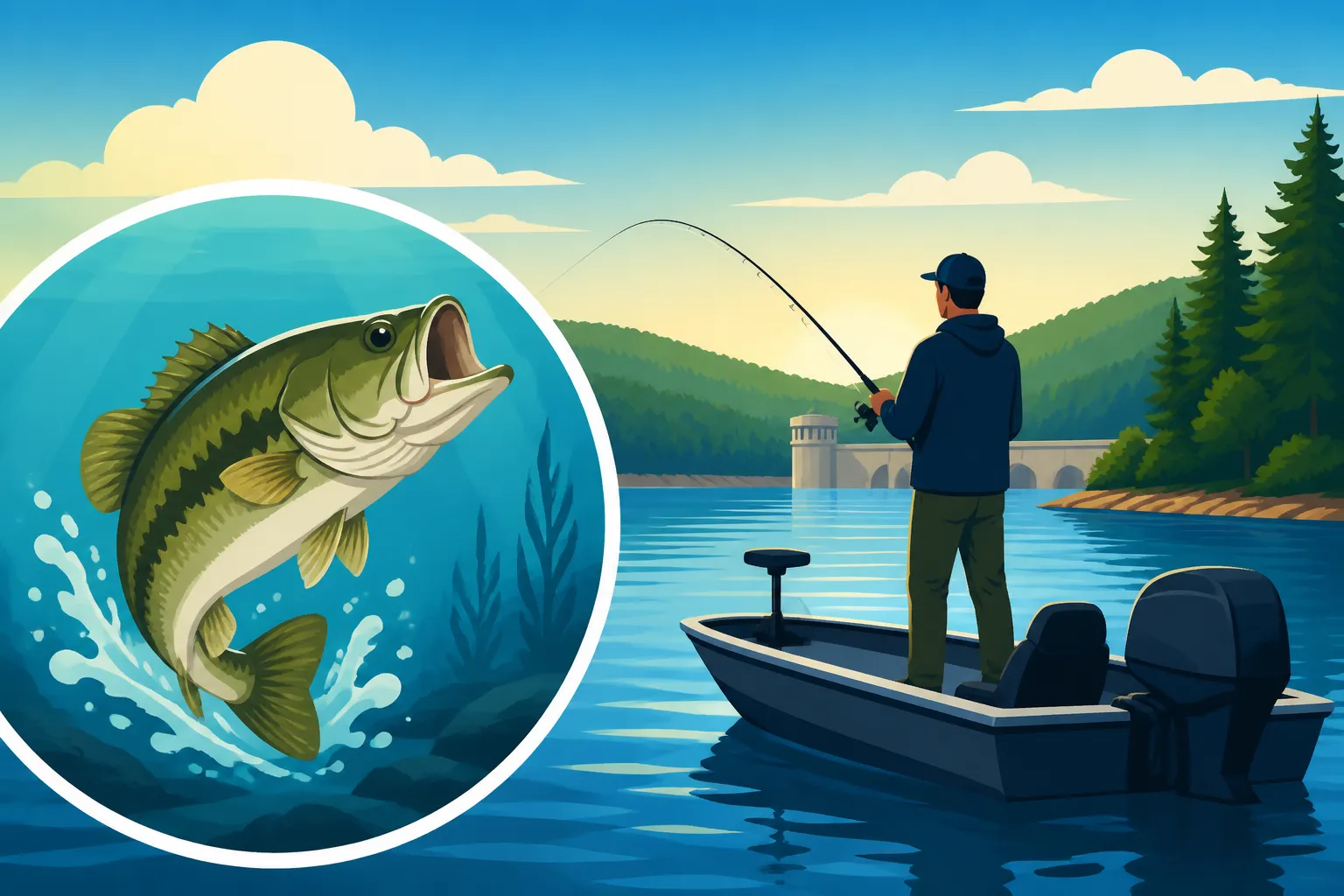
Wachusett Reservoir is renowned for its diverse cold-water and warm-water fisheries. From a DCR boat, you gain access to deeper waters where some of the reservoir's most prized species thrive. Cold-water species like lake trout, brown trout, and rainbow trout are abundant, often growing to impressive sizes thanks to the deep, cold water and ample forage. Landlocked salmon are also a highly sought-after species here, offering a thrilling fight for anglers. While not as famous for its warm-water species when compared to its trout and salmon, you can also find healthy populations of smallmouth bass, which are excellent sportfish, especially around rocky structures.
Many anglers specifically target the deep-dwelling lake trout and salmon by trolling spoons or stickbaits. The sheer size of the reservoir means these fish have vast areas to roam, and finding them can be a rewarding challenge. MassWildlife regularly stocks various trout species, ensuring a robust population. For specific regulations on keeping these fish, refer to the Massachusetts Freshwater Daily Catch Limits. It's a truly exceptional fishery that, while restrictive in access, more than makes up for it with the quality of its fish.
Best Times and Techniques for Boat Fishing
The "best" time to fish Wachusett from a boat often depends on your target species and preferred fishing method. Early spring, shortly after ice-out and the DCR boat launch opens (which often coincides with When Massachusetts trout stocking starts in 2026), is fantastic for actively feeding trout and salmon. Water temperatures are cold, and these fish are often near the surface or in shallower areas, making them more accessible. Trolling with spoons like Mooselooks, Suttons, or small stickbaits is a popular and effective technique for covering water and finding active fish.
As summer progresses, the deeper, cooler water becomes key. This is when lake trout and landlocked salmon retreat to the thermocline. Downriggers or lead-core line can be invaluable for getting your lures down to the right depth. Jigging with heavy spoons or bucktails over deep structure can also be very productive for these same species, especially for lake trout. For smallmouth bass, look for rocky points and submerged humps, using tube jigs, drop-shot rigs, or crankbaits. Fall can also be excellent, as water temperatures cool and fish become more active again, often feeding heavily before winter. Paying attention to the Massachusetts Fishing Seasons Explained can give you an edge in planning your trip.
Restrictions on Motors and Other Equipment
When using a DCR rental boat on Wachusett, it's essential to remember the limitations on equipment. As mentioned, only electric motors are permitted. The DCR boats are outfitted with these, and you cannot bring or use your own gas-powered motor. This policy is primarily for water quality protection, preventing fuel and oil from entering the reservoir. Typically, the DCR provides one battery with the rental, but some anglers choose to bring a second, fully charged marine battery of their own to ensure they have power for a full day of fishing, especially if they plan to cover a lot of water. It's always best to confirm if bringing an additional battery is allowed and what the specific limits are.
Beyond motors, certain types of fishing equipment that could pose a risk to the water supply are also prohibited. For instance, any equipment that has recently been used in another body of water and not thoroughly cleaned and dried might be disallowed to prevent the transfer of invasive species. This includes things like anchor lines, nets, or even waders. While not always explicitly checked, it's a good practice to ensure all your gear is clean before heading to Wachusett. The goal is to minimize any external impact on the reservoir's pristine condition.
Alternatives to Boat Fishing on Wachusett Reservoir
While Wachusett Reservoir offers excellent boat fishing via the DCR program, it's not the only way to enjoy its waters, nor is it the only large reservoir in Massachusetts that offers fantastic fishing opportunities. Knowing your options can help you plan the perfect fishing trip for your preferences.
Shore Fishing Opportunities
If the DCR boat rental program doesn't fit your schedule or preferences, don't despair! Wachusett Reservoir offers extensive and productive shore fishing opportunities. The DCR manages numerous access points around the reservoir, providing miles of shoreline for anglers to explore. Many of these areas are easily accessible from main roads and offer parking. Some popular spots include causeways and bridges that span parts of the reservoir, allowing anglers to cast into deeper water without a boat.
Shore fishing can be incredibly effective, especially during the spring and fall when trout and salmon are often found closer to the banks. You can target rainbow trout, brown trout, and even landlocked salmon from shore using a variety of techniques, including casting spoons, spinners, or bait (like worms, where allowed). Some areas even yield decent catches of smallmouth bass. Keep an eye on our Wachusett Reservoir Shore Fishing Access Points guide for detailed locations and tips. Remember, a valid Massachusetts fishing license is always required, and all species-specific bag and size limits still apply.
Other Massachusetts Waters for Boat Fishing
If you're dead set on launching your own boat, kayak, or canoe, Massachusetts has a wealth of other fantastic lakes and reservoirs where personal watercraft are permitted. These spots offer diverse fishing experiences without the DCR boat rental restrictions.
One of the most notable alternatives is the Quabbin Reservoir, another massive drinking water supply, but with different boating regulations. At Quabbin, you can bring your own boat, but it must be completely decontaminated and inspected by DCR staff before launch, and only boats with a valid Quabbin boat permit are allowed. This is a crucial distinction, as Quabbin allows private vessels under strict conditions, unlike Wachusett. For more details, explore our Quabbin Reservoir Fishing Permits and Rules in Massachusetts guide.
Beyond the major reservoirs, countless other lakes and ponds across the state allow unrestricted personal boat access (assuming you follow state boating and fishing laws). From the larger lakes like Lake Quinsigamond near Worcester or Otis Reservoir in the Berkshires, to smaller local ponds, you can find excellent fishing for largemouth bass, smallmouth bass, pickerel, perch, and various panfish. These locations are perfect for those who want the freedom of their own vessel. Many of these spots are regularly stocked with trout by MassWildlife, too.
| Wachusett Reservoir Boating Rules | Quabbin Reservoir Boating Rules | Other MA Lakes/Ponds (General) |
|---|---|---|
| Personal Boats: NO | Personal Boats: YES (after DCR inspection/permit) | Personal Boats: YES (generally, check local rules) |
| Rental Boats: YES (DCR provided, electric motors only) | Rental Boats: YES (DCR provided, electric motors only) | Rental Boats: Varies by location (private marinas) |
| Motor Type: Electric only (DCR provided) | Motor Type: Electric only (DCR provided for rentals, private electric also allowed after inspection) | Motor Type: Varies (gas, electric often allowed) |
| Access: DCR Boat Livery only | Access: Designated boat launches (e.g., Gate 8, Gate 31, Gate 43) | Access: Public boat launches, private ramps |
| Bait Restrictions: Artificial lures, worms only | Bait Restrictions: Artificial lures, worms only | Bait Restrictions: Varies (live bait often allowed) |
| Focus: Drinking water protection, highly restrictive | Focus: Drinking water protection, managed access | Focus: Recreation, less restrictive |
Ultimately, while Wachusett’s rules are strict, they ensure a quality fishing experience in a protected environment. For anglers prioritizing convenience and the use of their own vessel, the many other beautiful Massachusetts waters are ready and waiting.
Disclaimer
The information provided in this guide is for general informational purposes only and is subject to change. Fishing regulations, licensing requirements, and access rules for Wachusett Reservoir are determined by the Massachusetts Department of Conservation and Recreation (DCR) and MassWildlife and can be updated without prior notice. Always consult the most current official DCR and MassWildlife regulations and notices before planning your fishing trip to Wachusett Reservoir or any other body of water in Massachusetts.