Wachusett Reservoir Shore Fishing Access Points
Many anglers dream of fishing Wachusett Reservoir, but the sheer size and strict regulations can feel overwhelming, leaving you wondering where you can even start to cast a line from shore. It’s frustrating when you just want to enjoy a peaceful day, yet every path seems to lead to a "No Access" sign. This guide is here to cut through the confusion, detailing the prime shore fishing access points and essential tips to help you successfully navigate Wachusett's unique rules and land some fantastic fish.
Understanding Wachusett Reservoir's Unique Access Rules
Stepping up to Wachusett Reservoir, many anglers feel a mix of excitement and a touch of trepidation. It's a truly magnificent body of water, famed for its trophy-sized trout and salmon, but it's also a primary drinking water source for millions in Greater Boston. This dual purpose means that fishing here isn't just about casting a line; it's about navigating a very specific set of regulations put in place by the state. You can't just pull over anywhere and start fishing, which can be a real head-scratcher for those accustomed to more relaxed rules on other lakes and ponds. Understanding these ground rules before you even load your car is absolutely crucial for a successful and penalty-free day on the water, starting with ensuring you have your Massachusetts Fishing License Guide.
The DCR and MWRA Regulations You Need to Know
The Wachusett Reservoir watershed is managed by two main entities: the Massachusetts Department of Conservation and Recreation (DCR) and the Massachusetts Water Resources Authority (MWRA). Their mission is to protect the reservoir's pristine water quality, and that directly impacts how and where you can fish. This isn't a suggestion; it's a mandate. You'll encounter clear signage around the reservoir indicating approved fishing areas, parking zones, and strict prohibitions. For instance, wading in the water, swimming, or even letting your dog off-leash are generally off-limits in most areas. These rules are designed to prevent contamination, as any foreign substance, from sunscreen to pet waste, can compromise the drinking water supply.
It’s important to remember that these aren't arbitrary rules meant to make your life difficult. They are vital for public health. Because of this, enforcement is taken seriously by DCR Rangers. Think of it as a shared responsibility; we all want clean drinking water, and responsible anglers play a huge part in that. Before you even think about Wachusett Reservoir Fishing Access Rules in Massachusetts, it's a good idea to visit the DCR's official website or grab a copy of their latest watershed regulations pamphlet. This ensures you're working with the most up-to-date information, as rules can occasionally be tweaked or specific areas might be temporarily closed for maintenance or environmental reasons. Always double-check before you head out, especially if you're planning a trip around a holiday weekend when more people might be out and about.
Permit Requirements and Restrictions for Anglers
For the typical shore angler at Wachusett Reservoir, you won't need a separate DCR permit in addition to your state fishing license. Your standard Massachusetts Fishing License Requirements by Age covers the act of fishing itself. However, the "permits" here come in the form of strict adherence to access points and behavioral guidelines. For example, private boats are emphatically prohibited on Wachusett Reservoir – no exceptions. This is a crucial distinction from many other large water bodies in Massachusetts. If you see someone in a boat, it's almost certainly a DCR or MWRA vessel, or one of the few permitted rental boats from the DCR-managed boat launches, which are also highly regulated and not for casual private use.
Another critical restriction involves the use of live bait. While live shiners and worms are common choices for many freshwater species, Wachusett has specific rules to prevent the introduction of invasive species or diseases into its ecosystem. You are generally only allowed to use commercially purchased bait or bait collected directly from Wachusett itself. This means you can't just scoop shiners from a local pond and bring them here. Always verify what specific baits are permissible to avoid any issues with DCR rangers. Furthermore, anglers are typically restricted to two fishing poles, and certain fishing methods might be prohibited. It's worth a quick check on a fishing app or platform, even one like FishingBooker (which often details local regulations even for non-charter fishing spots), to get a general overview before finalizing your bait and tackle selection. These stringent measures might seem cumbersome, but they are the reason Wachusett continues to thrive with healthy fish populations and provides clean drinking water.
Navigating the Gates and Parking for Shore Anglers
The sheer size of Wachusett Reservoir means that "shore access" isn't a simple concept. The perimeter is vast, and much of it is protected, making finding a legal and accessible spot a bit of an adventure. You'll quickly learn that Wachusett fishing often revolves around its numbered access gates. These gates are your entry points to designated fishing areas, but they come with their own quirks – especially concerning their seasonal operation and the always-tricky question of parking. Many anglers arrive full of enthusiasm, only to be met with a locked gate or a "No Parking" sign, which can instantly deflate the excitement of a planned fishing trip. Knowing which gates to aim for and how to handle parking is paramount.
Key Gates and Their Seasonal Openings
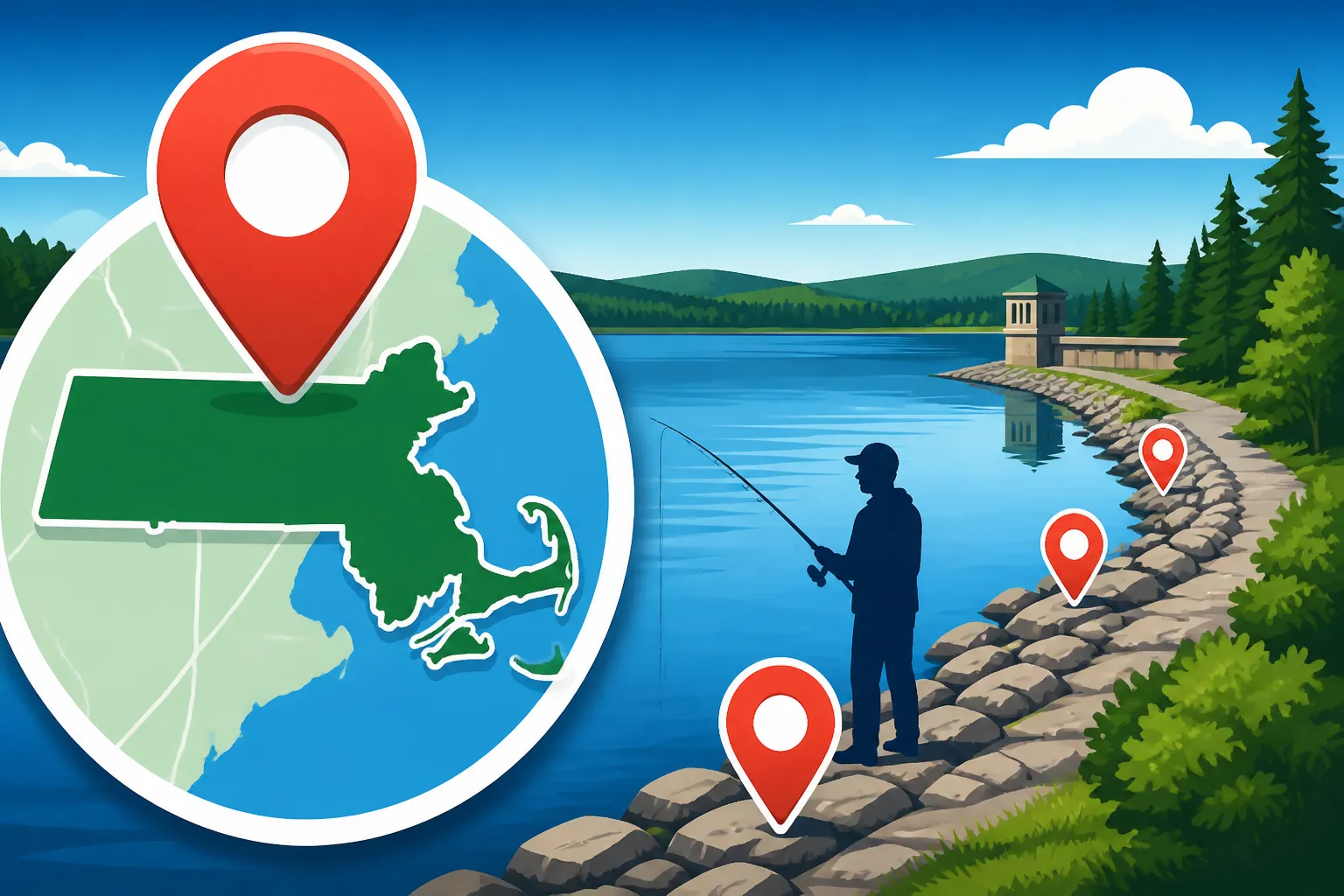
Wachusett Reservoir has numerous gates around its perimeter, but not all of them offer public fishing access, and those that do often operate on a seasonal schedule. Generally, the most popular and reliable access points are on the western and southern sides, particularly around the towns of Clinton, Boylston, and West Boylston. Gate 16 in West Boylston, for example, is a well-known spot, often open year-round for pedestrian access, allowing anglers to walk to prime fishing areas. Other gates, like those near the causeway in Clinton, might offer good access during specific seasons, often aligning with the general Massachusetts Freshwater Fishing Season Calendar.
It’s common for gates that allow vehicle access to be open only during daylight hours, typically from early morning to dusk, and often only from April 1st through the fall, sometimes closing for the winter. This seasonal variation is critical because showing up to a closed gate means a long walk or, more likely, a wasted trip. Always check the DCR website or call their watershed management office for the current operating hours and seasonal closures for specific gates. Locals often share updated information on community fishing forums, which can also be a valuable resource for real-time intel on gate status and parking availability.
Parking Challenges and Solutions for Popular Areas
Parking at Wachusett's popular shore fishing access points can be a significant challenge, especially during peak seasons or on weekends. Many designated parking areas are relatively small and fill up quickly. Arriving early in the morning, often right at dawn, is usually your best bet to secure a spot. Gate 16, mentioned earlier, offers some dedicated parking, but even that can be scarce. You'll often find informal parking along the shoulders of roads leading to some gates, but beware: DCR rangers are diligent about ticketing vehicles parked illegally or blocking access roads. A hefty fine can quickly turn a peaceful fishing day into a costly one.
For gates with limited parking, or if you arrive late, be prepared for a walk. Some of the best shore fishing spots require a hike from the nearest legal parking area. This means packing light and bringing only essential gear. Consider investing in a fishing backpack or a small cart to transport your rods, tackle, and cooler. It’s a bit of extra effort, but it allows you to access less-pressured areas that are often overlooked by anglers who aren't willing to put in the legwork. Sometimes, for a truly hassle-free experience, especially if you're not familiar with the local area, looking up information on Massachusetts Fishing License Vendor Locations might also provide some local intel from staff who know the reservoir's quirks.
Prime Shore Fishing Hotspots at Wachusett Reservoir
Now that we've covered the crucial access rules and how to navigate the gates and parking, let's talk about the exciting part: where to actually cast your line from shore! Wachusett Reservoir is renowned for its diverse fishery, holding everything from trophy brown trout and landlocked salmon to robust largemouth bass and plenty of panfish. The key to success from shore is understanding the reservoir's topography and where these different species tend to congregate. Each access point offers unique opportunities, and knowing what to target in each area can make all the difference in your catch rate.
Areas Known for Trout and Salmon
For many, Wachusett Reservoir immediately brings to mind large trout and landlocked salmon. These cold-water species thrive in the reservoir's deep, cool waters, but they do come into shore-accessible areas, especially during the cooler months of spring and fall. The areas around the Thomas Basin (accessible near Gate 16 in West Boylston) are prime spots. Here, the deeper water close to shore and the varying bottom structure provide excellent habitat. Anglers casting spoons, stickbaits, or even simple shiners (remembering the bait rules!) can have great success. The Clinton Dam area and the causeway are also historically productive for these species, particularly during the spring run-off when baitfish are active near the surface.
Another excellent area is the shore along Route 140 near the causeway in Boylston. The deeper drop-offs here can hold schools of baitfish, attracting opportunistic trout and salmon. Early morning and late evening are often the most productive times, as these fish move closer to shore to feed under lower light conditions. Don't be afraid to experiment with different casting distances; sometimes, a long cast out into deeper water is necessary, while other times, fish might be cruising surprisingly close to the shoreline. The key is persistence and paying attention to any signs of activity, like baitfish jumping or subtle rises on the surface.
Spots for Bass and Panfish
While the cold-water species often get the headlines, Wachusett Reservoir also boasts a fantastic warm-water fishery, particularly for largemouth bass, smallmouth bass, and a variety of panfish like yellow perch and crappie. These species are typically found in shallower, warmer sections of the reservoir, often near structure. The coves and calmer sections, especially those with submerged timber, rock piles, or weed beds, are ideal. Access points along the western shore, particularly in Boylston and West Boylston where the shoreline is a bit more varied with smaller coves, can be excellent for these species.
For largemouth bass, target areas where you see lily pads, fallen trees, or overhanging brush. Soft plastics, spinnerbaits, and topwater lures can be incredibly effective during warmer months. Smallmouth bass often prefer rocky points and deeper, clear water, making areas with riprap or natural rock formations good choices. For panfish, a simple bobber and worm setup or small jigs will usually do the trick, especially in sheltered coves. Remember that while you're focused on these species, you might still hook into a large trout or salmon, adding an exciting surprise to your day. Many anglers find the diverse fishing at Wachusett makes it a destination worth revisiting through the seasons, perhaps even checking guides on Massachusetts Largemouth Bass Fishing Guide for tips specific to bass in these waters.
Hidden Gems and Less Crowded Options
Given Wachusett's popularity, finding a less crowded spot, especially on a beautiful weekend, can feel like a quest. However, there are indeed "hidden gems" – spots that require a bit more effort to reach but offer solitude and often excellent fishing. These typically involve longer walks from designated parking areas. For example, some of the more remote sections of shoreline accessible from Gate 16, or the paths leading away from the main causeway, can offer a more peaceful experience. These areas often have less fishing pressure, meaning the fish might be less wary.
To find these spots, consult detailed maps of the reservoir watershed, looking for areas where walking trails extend along the shoreline away from main roads or highly visible access points. Sometimes, even exploring a lesser-known gate, even if it has limited parking, can lead you to a secluded cove that hasn't seen much angling pressure. The key is to be prepared for a longer hike and to carry all your essentials, as there won't be facilities nearby. Utilizing satellite imagery on mapping apps can also help identify promising stretches of shoreline with good structure. While you might not find specific charter information for these remote shore spots on a platform like FishingBooker, the detailed maps they often provide can still be incredibly helpful in scouting out potential areas for your next adventure. The reward for this extra effort is often a more serene fishing experience and the chance to discover your own secret hotspot.
Essential Gear and Tactics for Wachusett Shore Fishing
Successfully fishing Wachusett Reservoir from shore requires more than just knowing where to go; it demands the right gear and a flexible approach to tactics. This reservoir is known for strong, hard-fighting fish, so robust equipment is a must. Many anglers come unprepared, quickly realizing that a lightweight panfish setup might not cut it when a 20-inch landlocked salmon decides to strike. Let's dive into what you'll need and how to best present your offerings to the diverse fish species inhabiting these waters.
Recommended Rods, Reels, and Line
For general shore fishing at Wachusett, a versatile medium to medium-heavy spinning rod, typically 7 to 9 feet in length, is an excellent choice. This length provides the necessary casting distance to reach deeper water or structure further from the bank, while still offering enough sensitivity to detect subtle bites. Pair this with a reliable spinning reel in the 3000 to 4000 size range, capable of holding a good amount of line and providing a smooth drag. Look for reels from reputable brands like Shimano, Daiwa, or Penn, which can handle the abuse of repeated casting and fighting larger fish.
Line selection is also critical. Many successful Wachusett anglers opt for braided line, in the 15 to 20 lb test range, as their main line. Braid offers superior casting distance, sensitivity, and strength for its diameter. However, because braid is highly visible, it’s wise to tie on a fluorocarbon leader (6 to 10 lb test, depending on your target species and water clarity) of about 3 to 6 feet. Fluorocarbon is nearly invisible underwater and offers good abrasion resistance against rocks and submerged structures. Having a secondary setup, perhaps a lighter rod (6.5-7 ft, medium light) for panfish or finesse tactics, can also be beneficial if you plan to target smaller species specifically. For tips on setting up your gear, sometimes general online resources, including those that aggregate fishing information or even list guides (like FishingBooker), can offer valuable insights on recommended setups for specific fish, even if the primary focus is on guided trips rather than shore fishing.
Baits and Lures That Produce Results
Wachusett Reservoir's diverse fish population means you'll want a variety of baits and lures in your tackle box. For the highly sought-after trout and salmon, classic offerings like silver or gold Kastmaster spoons (1/4 to 3/8 oz), Phoebe spoons, and small Rapala stickbaits (like the F7 or F9 models in silver, blue, or gold patterns) are perennial favorites. Trolling spoons like the Mooselook Wobbler are also popular if you're able to cast them far enough from shore. Live shiners, if procured according to DCR regulations, are deadly for all cold-water species, often fished under a float or on a bottom rig.
For largemouth and smallmouth bass, soft plastic stickbaits (Wacky rigged Senkos are always a winner), Texas-rigged worms, crankbaits, and spinnerbaits are effective. Topwater lures like poppers or walking baits can provide explosive strikes during low-light conditions. Panfish, on the other hand, are often less finicky. Small jigs tipped with a grub or a piece of worm, or simply a hook and a nightcrawler under a bobber, will usually do the trick, especially in sheltered coves. Always have some common live baits like nightcrawlers or mealworms on hand, as they are universally appealing to many species. Remember the rules about live bait source – commercially purchased or caught within Wachusett only.
Shore Casting Techniques for Different Species
Effective shore casting at Wachusett involves more than just heaving your bait out as far as possible. Understanding how different fish species feed and relate to structure will help you refine your presentation. For trout and salmon, a long cast is often beneficial, allowing your lure to sink and be retrieved through deeper water. A slow, steady retrieve for spoons and stickbaits, sometimes with a subtle twitch, can mimic a wounded baitfish. During periods of active feeding, a faster retrieve might trigger a chase.
When targeting bass, focus your casts around visible structures like fallen trees, rock outcrops, or weed lines. Pitching soft plastics into these areas and slowly working them back, imitating a crawfish or a worm, can be very effective. For topwater action, cast parallel to the shoreline near cover during dawn or dusk, allowing your lure to "walk" or "pop" enticingly. Panfish often congregate in schools in shallower coves, so fan-casting small jigs or bobber rigs around these areas can help you locate the school. Don't be afraid to let your bait sit for a while, especially for bottom-feeding perch or crappie. Experimentation is key at Wachusett; what works one day might not work the next, so be prepared to adapt your approach.
Conservation and Respectful Angling Practices
Wachusett Reservoir isn't just a phenomenal fishing destination; it's a vital natural resource that requires our utmost respect and careful stewardship. As anglers, we have a profound responsibility to protect this unique ecosystem, ensuring its health for both future generations of fish and people who rely on it for drinking water. This commitment to conservation goes beyond just following the rules; it's about adopting a mindset of "leave no trace" and practicing responsible catch and release, especially for the larger, older fish that are so crucial to the reservoir's genetic pool.
Catch and Release Ethos and Best Practices
While keeping a legal catch for the dinner table is certainly part of the angling experience, practicing responsible catch and release, especially for trophy-sized fish and vulnerable species, is paramount at Wachusett. Large trout and salmon, in particular, are slow-growing and contribute significantly to the breeding population. If you intend to release a fish, handle it with extreme care. Minimize its time out of the water; a quick photo is fine, but get it back into its element as fast as possible. Wet your hands before touching the fish to protect its protective slime coat, which is vital for disease prevention.
Use appropriate tackle that doesn't deep-hook fish, such as circle hooks for bait fishing, and consider crushing the barbs on your lures for easier, less damaging hook removal. If a fish is deeply hooked and bleeding heavily, it's often best to cut the line as close to the hook as possible rather than trying to rip the hook out, as this can cause more trauma. Always revive fish gently, holding them in the water until they swim away under their own power. This commitment ensures that Wachusett's impressive fish populations continue to thrive, providing exciting angling opportunities for everyone. It's a key part of maintaining the health of the fishery, much like knowing the current Massachusetts Freshwater Daily Catch Limits is essential for responsible harvesting.
Leave No Trace Principles
The "Leave No Trace" philosophy is incredibly important at a sensitive area like Wachusett Reservoir, given its role as a drinking water supply. This means whatever you bring in, you must take out – and then some. This includes all your fishing line, bait containers, snack wrappers, drink bottles, and any other trash. Even biodegradable items like orange peels or apple cores can take a long time to break down and are considered litter in this environment. Pack a small trash bag with you and commit to leaving your fishing spot cleaner than you found it.
Beyond physical litter, "Leave No Trace" also extends to minimizing your impact on the natural environment. Stick to established paths and access points, avoid trampling vegetation, and do not disturb wildlife. Be mindful of others enjoying the outdoors, whether they are fellow anglers or hikers. Noise pollution can also be a factor, so keep voices and any music at a respectful level. This considerate approach not only preserves the beauty and ecological integrity of Wachusett Reservoir but also helps maintain positive public perception of anglers, ensuring continued access to this magnificent fishing destination for years to come.
Planning Your Wachusett Shore Fishing Trip
Planning a successful shore fishing trip to Wachusett Reservoir can sometimes feel like coordinating a small expedition, but with a bit of foresight, you can ensure a rewarding and enjoyable experience. From picking the right time to understanding local nuances, having a clear plan will significantly increase your chances of finding fish and avoiding common pitfalls. Let’s look at the final pieces of the puzzle to make your Wachusett adventure a memorable one.
Best Times of Year and Day
The best time to fish Wachusett Reservoir from shore largely depends on your target species. For the highly prized trout and landlocked salmon, spring (April and May) and fall (September and October) are typically the most productive seasons. During these cooler months, the surface water temperatures are ideal, and these cold-water fish are often more active and closer to shore. Early morning, from dawn until a few hours after sunrise, and late evening, from an hour or two before sunset until dark, are universally considered the prime times. These low-light periods offer increased fish activity and less pressure from other anglers.
During the warmer summer months (June through August), while trout and salmon tend to retreat to deeper, cooler waters, the bass and panfish bite can be excellent. Target sheltered coves and areas with structure during the early morning and late evening. Mid-day summer fishing can be slower, but if you do venture out, focus on shaded areas or deeper drop-offs if accessible from shore. Even in winter, dedicated ice anglers find success on specific, designated areas of the reservoir once safe ice conditions permit, though shore fishing is usually out of the question. Checking a Massachusetts Fishing Seasons Explained guide can offer broader context for various species throughout the year.
Checking Conditions and Forecasts
Before you even leave the house, checking current conditions and the weather forecast is absolutely non-negotiable for a Wachusett trip. Sudden changes in weather, especially strong winds, can make shore fishing challenging and even dangerous if you're on exposed points. High winds can create whitecaps, making it difficult to cast accurately, detect bites, or even hold your position comfortably. Rain itself isn't usually a deal-breaker, but heavy thunderstorms bring lightning, which means you should immediately seek shelter.
Beyond weather, consider water levels and clarity. Heavy rains can sometimes cause turbidity, making fishing more difficult, especially for sight-feeding fish like trout. Conversely, a slight rise in water level after a rain can sometimes push baitfish closer to shore, activating predators. Websites that provide local weather, wind forecasts, and even water temperature readings (if available for the reservoir) are invaluable. While FishingBooker is primarily known for connecting anglers with charters, many reputable platforms and local bait shops also provide daily fishing reports or conditions updates, which can be immensely helpful for shore anglers too. Always prioritize safety, and if conditions look unfavorable, it’s always better to reschedule your trip for another day. Wachusett will still be there, waiting for you.
| Gate Number / Area | Typical Season Access | Primary Species Targeted | General Characteristics | Notes for Anglers |
|---|---|---|---|---|
| Gate 16 (W. Boylston) | Year-round (pedestrian), limited vehicle access seasonal | Trout, Salmon, Bass | Deeper water close to shore, good structure, often crowded | Long walks to less-pressured spots, early arrival for parking |
| Clinton Dam / Causeway | Spring-Fall (seasonal vehicle access) | Trout, Salmon, Perch | Access to deep water, baitfish congregation, strong currents possible | Can be very busy, watch for casting space, active feeding frenzies |
| Rt 140 Shoreline (Boylston) | Spring-Fall (seasonal vehicle access) | Trout, Salmon, Smallmouth Bass | Rocky points, deeper drop-offs, good current flow | Requires careful parking, often less crowded than main dam |
| Route 70 Shoreline (Sterling) | Seasonal (check DCR updates) | Bass, Panfish, Pickerel | Shallower coves, calmer water, good for warm-water species | Limited access points, often requires longer walks, more secluded |
| Thomas Basin | Year-round (pedestrian, check closures) | Trout, Salmon | Access to deeper basin, good for bait fishing, can be windy | Parking can be challenging, popular during spring for salmon |
Disclaimer
The information provided in this guide is for general informational purposes only and is subject to change. Fishing regulations, access rules, and conditions at Wachusett Reservoir can be updated by the Massachusetts Department of Conservation and Recreation (DCR) and the Massachusetts Water Resources Authority (MWRA) at any time. Always consult the official DCR website or contact their watershed management office for the most current and accurate regulations before planning your fishing trip. Adherence to all local, state, and federal laws is the responsibility of the angler.