Can you fish from the Boston waterfront
Trying to figure out if you can actually cast a line right from the bustling Boston waterfront can be a bit confusing. With all the historic sites, busy ferries, and urban development, it’s easy to wonder if fishing is even allowed, let alone worthwhile. The good news is, absolutely, you can! This guide will walk you through everything you need to know about fishing from Boston's waterfront, from where to go and what you can catch, to the important regulations that keep our waters healthy and accessible.
Navigating the Boston Waterfront for Anglers
Boston's waterfront is a dynamic blend of history, commerce, and recreation. For anglers, this means navigating through various public access points, understanding local rules, and respecting the diverse uses of the harbor. It's not just about finding a spot; it's about being a responsible and informed urban angler.
Accessibility and Public Access Points
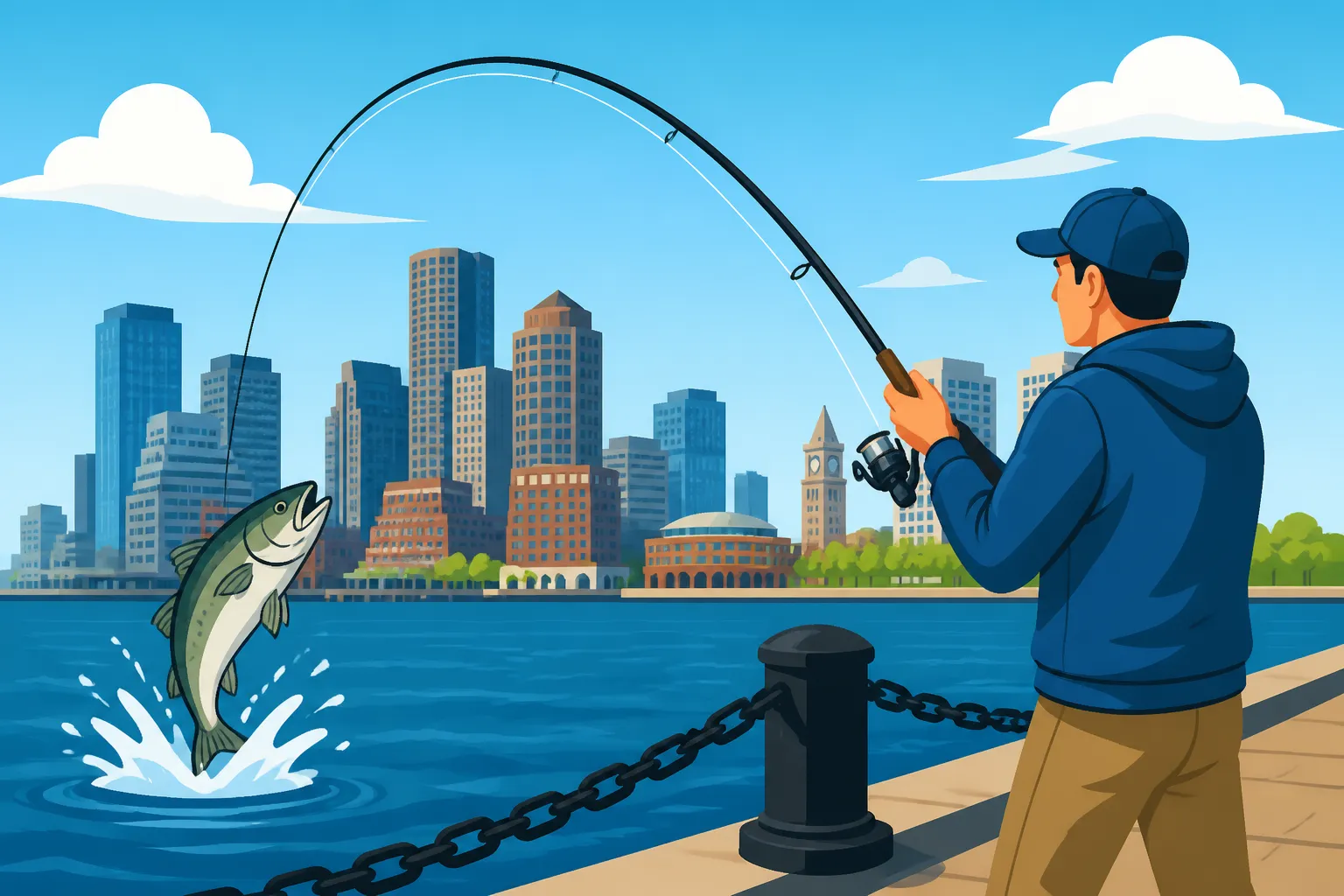
Boston boasts a surprisingly extensive network of public access points along its waterfront, perfect for shore-based fishing. From the northern reaches of the Harborwalk in Charlestown to the southern stretches in South Boston, there are numerous spots where you can set up shop. Places like Fan Pier Park, the Seaport Boulevard area, and Castle Island offer broad expanses of public space with excellent views and opportunities to cast into Boston Harbor. These areas are designed for public enjoyment, so you'll often find benches, walkways, and sometimes even amenities like restrooms nearby. It's a fantastic way to enjoy the city skyline while pursuing your passion for fishing.
However, keep in mind that "public access" doesn't always mean "secluded fishing haven." These are often popular spots for walkers, joggers, and tourists, especially during warmer months. Patience and a willingness to share the space are key. You might also encounter areas where specific activities are restricted, so always keep an eye out for posted signs. Knowing where to go can make all the difference, and you'll find that many parts of the Boston Harbor Islands Fishing Spots in Massachusetts offer incredible experiences just a short ferry ride away if you're looking for a slightly different vibe. Before heading out, a quick online check or a visit to a local bait shop can often provide up-to-date information on the best current access points and any temporary closures.
Understanding Local Regulations and Permits
Fishing anywhere in Massachusetts, including the Boston waterfront, requires adherence to specific regulations. For saltwater fishing, which is what you'll primarily be doing here, most anglers aged 16 and older need a Massachusetts Saltwater Recreational Fishing Permit. This isn't just a suggestion; it's a legal requirement designed to help monitor fish populations and fund conservation efforts. It's always a good idea to check the most current regulations on the MassWildlife website or grab a copy of the Massachusetts Recreational Fishing Rules and Bag Limits pamphlet.
Beyond the statewide permit, local ordinances can sometimes apply, especially concerning things like hours of access or specific areas where fishing might be prohibited for safety reasons or to protect infrastructure. For instance, some pier sections might have restrictions on casting, or certain bridges might be off-limits. Make sure you understand how to get your Massachusetts Saltwater Recreational Fishing Permit Explained before you go. Enforcement officers, whether from the Massachusetts Environmental Police or local port authorities, are often present, and they're usually happy to answer questions if you approach them respectfully. Ignorance of the law is rarely an excuse, so taking a few minutes to be informed will save you potential headaches and fines down the line.
Prime Fishing Locations Along Boston's Waterfront
Boston's waterfront offers a variety of spots, each with its own character and potential for different types of fishing experiences. Whether you prefer the bustling energy of a busy pier or a quieter, more secluded shoreline, there's likely a perfect spot waiting for you.
Iconic Piers and Docks
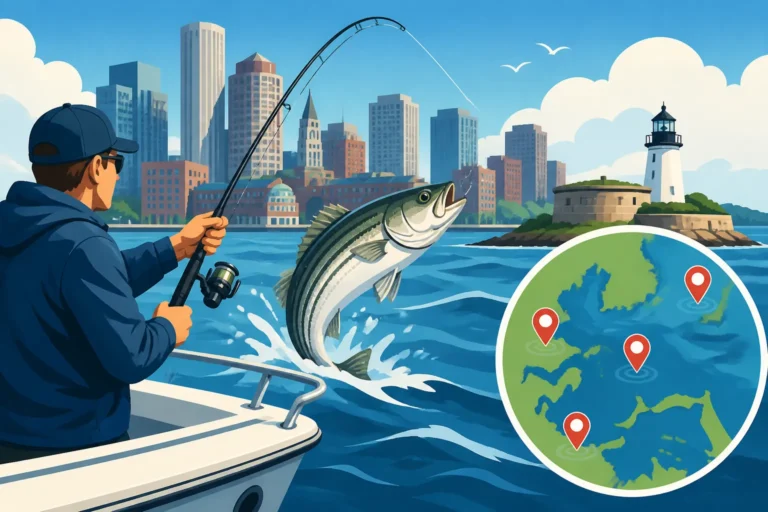
Boston's numerous piers and docks are angler magnets, offering convenient access to deeper water without needing a boat. One of the most popular and productive spots is Castle Island in South Boston. Here, you can cast from the seawall or near Fort Independence, targeting a variety of species. The currents here can be strong, especially with incoming and outgoing tides, which often brings in baitfish and, consequently, game fish. Another excellent option is the stretch along the Harborwalk in the Seaport District, particularly around Fan Pier and the Institute of Contemporary Art (ICA). While these areas are very public, they offer fantastic opportunities, especially for species like striped bass. For those looking for a different angle, the fishing pier at Lopresti Park in East Boston provides stunning city views and access to the inner harbor.
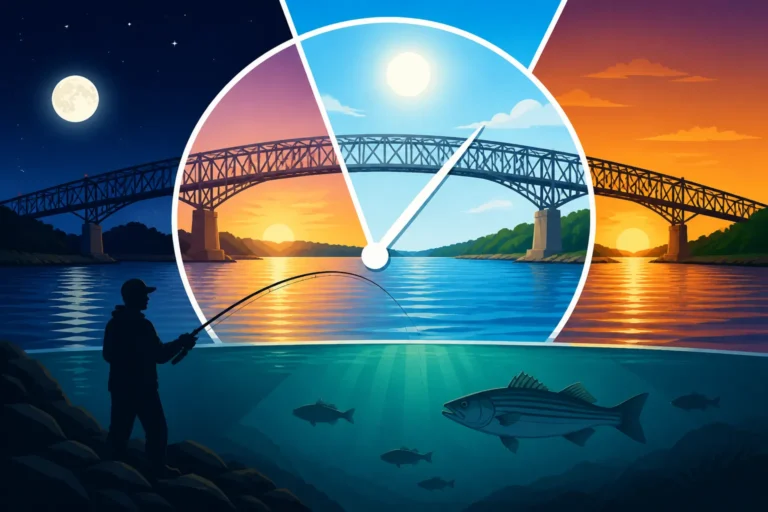
When fishing these areas, it’s important to be mindful of boat traffic, especially ferries and private vessels navigating in and out of the various marinas. You'll want to use heavier tackle to avoid losing your line if a fish decides to run into a pile or structure, which is abundant in an urban environment. Early mornings or late evenings can be less crowded and often more productive for fishing, especially during the peak summer season. Local anglers often congregate at these spots, and a friendly chat can reveal invaluable insights into what's biting and the best techniques to use. Using platforms like FishingBooker can sometimes help you find local guides or charter captains who specialize in these areas if you prefer a guided experience or want to venture just beyond the immediate waterfront.
Hidden Gems and Shoreline Spots
While the big, well-known piers are great, Boston's waterfront also has some lesser-known shoreline spots that can offer a more tranquil fishing experience, or at least less foot traffic. Exploring the smaller parks and coves along the outer edges of the harbor can yield surprising results. Areas around Spectacle Island (accessible by ferry and part of the Boston Harbor Islands) offer natural shorelines away from the city bustle, where you can cast into cleaner, less disturbed waters. Similarly, parts of the Neponset River estuary in Quincy and Dorchester, though slightly removed from the immediate downtown waterfront, provide excellent brackish water opportunities with less competition.
These hidden gems often require a bit more exploration to find, and parking might be less convenient than at the main tourist hubs. However, the reward can be a more peaceful fishing session and potentially less pressured fish. These spots are often ideal for lighter tackle, fly fishing, or simply enjoying the natural beauty of the urban estuary. Sometimes, the best way to discover these spots is to simply walk the Harborwalk in areas you haven't explored before, keeping an eye out for quiet coves or rocky outcroppings that look promising. Just remember to always be respectful of private property boundaries, even in less populated areas, and ensure you have proper public access.
What You Can Catch and When
Boston Harbor is surprisingly productive and diverse, supporting a wide range of fish species throughout the year. Knowing what to target and when can significantly increase your chances of a successful outing.
Common Species and Seasonal Opportunities
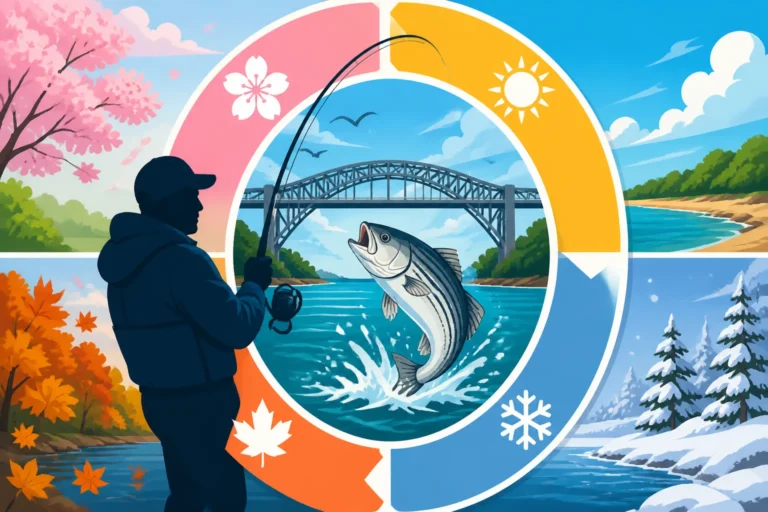
The true superstar of Boston Harbor fishing is, without a doubt, the striped bass. These powerful fish migrate into Massachusetts waters starting in late spring, usually May, and remain through the fall, often into October or early November. During this time, they can be caught consistently from shore along the entire Boston waterfront, feeding on baitfish like menhaden, mackerel, and herring. Many anglers specifically target these fish, and understanding Striped Bass Fishing in Massachusetts is key to a successful trip. You'll find stripers ranging from schoolies (small, juvenile fish) to impressive cows (large, mature fish) during their migration.
Another popular target is the bluefish, a formidable fighter known for its aggressive strikes and sharp teeth. Bluefish typically show up in Boston Harbor a little later than stripers, usually by June, and stick around through September. They often travel in schools and can provide fast and furious action when they're present. For a deeper dive into these powerful fish, check out our guide on Bluefish Fishing in Massachusetts. Beyond these two main predators, you can also expect to encounter winter flounder, especially in the spring and fall in muddier bottom areas, and various panfish like scup (porgy) and tautog, which prefer rocky bottom structures and shellfish baits during the warmer months. Occasionally, a black sea bass might show up, especially on clearer, rocky bottom.
| Species | Primary Season | Best Time of Day | Preferred Bait/Lure | Notes |
|---|---|---|---|---|
| Striped Bass | Late Spring – Fall | Dawn, Dusk, Night | Live Bait (Eels, Mackerel), Soft Plastics, Plugs | Strong fighters, abundant. |
| Bluefish | Summer – Early Fall | Daytime, Dusk | Cut Bait, Metal Jigs, Poppers | Aggressive, sharp teeth. |
| Winter Flounder | Spring, Fall | Daytime | Worms (Sandworms, Bloodworms), Clams | Bottom feeders, prefer muddy bottoms. |
| Scup (Porgy) | Summer – Early Fall | Daytime | Clams, Squid, Worms | Great for kids, good eating. |
| Tautog | Late Spring, Fall | Daytime | Green Crabs, Hermit Crabs | Structure-oriented, excellent table fare. |
For anglers interested in freshwater species, while the immediate waterfront is saltwater, some of the rivers feeding into Boston Harbor, like the Charles River, offer excellent opportunities for largemouth bass, carp, and various panfish just a short drive or public transit ride inland.
Best Baits and Techniques for Boston Waters
Given the diverse species and urban environment, a versatile approach to bait and tackle is often best. For striped bass and bluefish, live bait is incredibly effective. Eels are a classic choice for stripers, especially at night, while mackerel, herring, or menhaden (pogies) can be excellent when available. If live bait isn't an option, various artificial lures work wonders. Soft plastic jerkbaits or paddle tails (like those from Guppy Lures or Savage Gear) rigged on jig heads are incredibly versatile and can imitate many types of baitfish. Topwater plugs and poppers are exhilarating to use, especially during dawn or dusk, as you can witness explosive strikes. Metal jigs are also fantastic for casting long distances and cutting through the wind, reaching fish that might be further out.
For bottom feeders like winter flounder, scup, and tautog, fresh bait is paramount. Sandworms and bloodworms are irresistible to flounder and scup, fished on a simple high-low rig with a sinker. Tautog, often called "blackfish," are notoriously finicky and prefer crustaceans; green crabs or hermit crabs are the go-to baits, fished directly on the bottom near rocky structure. A heavy-duty jig or a single hook rig with a sinker will suffice. When fishing from the Boston waterfront, remember that casting distance can sometimes be limited by structures or boat traffic, so focusing on nearby pilings, eddies, or channel edges can be more productive than trying to cast as far as possible. Many local anglers find great success exploring new areas with fishing apps or looking for charters on platforms like FishingBooker that offer specialized trips within Boston Harbor, providing a unique perspective and access to prime spots. It's also worth understanding the broader Massachusetts Fishing Seasons Explained to get a clearer picture of year-round opportunities.
Safety and Etiquette for Urban Angling
Fishing in an urban environment like the Boston waterfront comes with unique challenges and responsibilities. Being aware of your surroundings and practicing good etiquette ensures a pleasant experience for everyone.
Navigating Crowds and Marine Traffic
Boston's waterfront is a vibrant, multi-use space. You'll share the area with tourists, joggers, cyclists, families picnicking, and a constant stream of marine traffic, from small pleasure crafts to massive ferries and cargo ships. This means situational awareness is crucial. When casting, always check your surroundings to ensure no one is behind or near you. A wayward cast with a heavy lure can be dangerous. Avoid casting into navigation channels or directly in front of boat launches, as this can impede safe passage for vessels. Remember that a fishing line is incredibly hard to see in the water, especially for boat operators.
When fishing from busy piers, try to keep your gear compact and out of the way. Bring only what you need to avoid cluttering walkways. If you're using multiple rods, position them so they don't create a tripping hazard. Politeness goes a long, long way; a simple "Excuse me, just casting out" can prevent potential conflicts. If a boat is passing close by, it’s a good idea to reel in your line slightly to prevent it from getting snagged in propellers. Some areas might have signs indicating where fishing is permitted or prohibited, so always be on the lookout. For larger groups or those unfamiliar with the local waters, booking a trip through a reputable service on FishingBooker can offer a safer and more structured way to experience fishing in a busy port environment, with captains who are expert navigators of Boston's marine traffic.
Environmental Responsibility and Fish Consumption
As urban anglers, we have a heightened responsibility to protect the environment and ensure the long-term health of our fisheries. The Boston Harbor, while significantly cleaner than it once was, still carries some legacy pollutants. This is why it's vital to be mindful of fish consumption advisories. For instance, the Massachusetts Department of Public Health often issues guidelines on how much of certain species, especially larger or longer-lived fish like striped bass, are safe to eat, particularly for vulnerable populations such as pregnant women or young children. You can find detailed advisories on the Massachusetts DPH website, and it's always wise to check "Can You Eat Striped Bass Caught in Boston Harbor?" before planning to bring your catch home for dinner.
Beyond consumption, practicing "leave no trace" is paramount. Dispose of all trash, including discarded fishing line, bait containers, and food wrappers, in designated receptacles. Monofilament line can be incredibly harmful to wildlife, so make extra sure to pack it out. Releasing fish responsibly is also critical. If you're not keeping a fish, handle it gently, minimize its time out of water, and use de-hooking tools if necessary. Consider using circle hooks, especially when bait fishing, as they tend to hook fish in the corner of the mouth, reducing gut-hooking and improving survival rates. By being diligent in these practices, we ensure that the Boston waterfront remains a healthy and enjoyable fishing destination for generations to come.
Disclaimer
Please note that fishing regulations, including licensing requirements, seasons, and bag limits, are subject to change by the Massachusetts Division of Fisheries and Wildlife (MassWildlife) and other regulatory bodies. Always consult the official MassWildlife website or local authorities for the most current and accurate information before planning your fishing trip. This guide is for informational purposes only and does not constitute legal advice.