Whether the Wildlands Conservation Stamp is optional
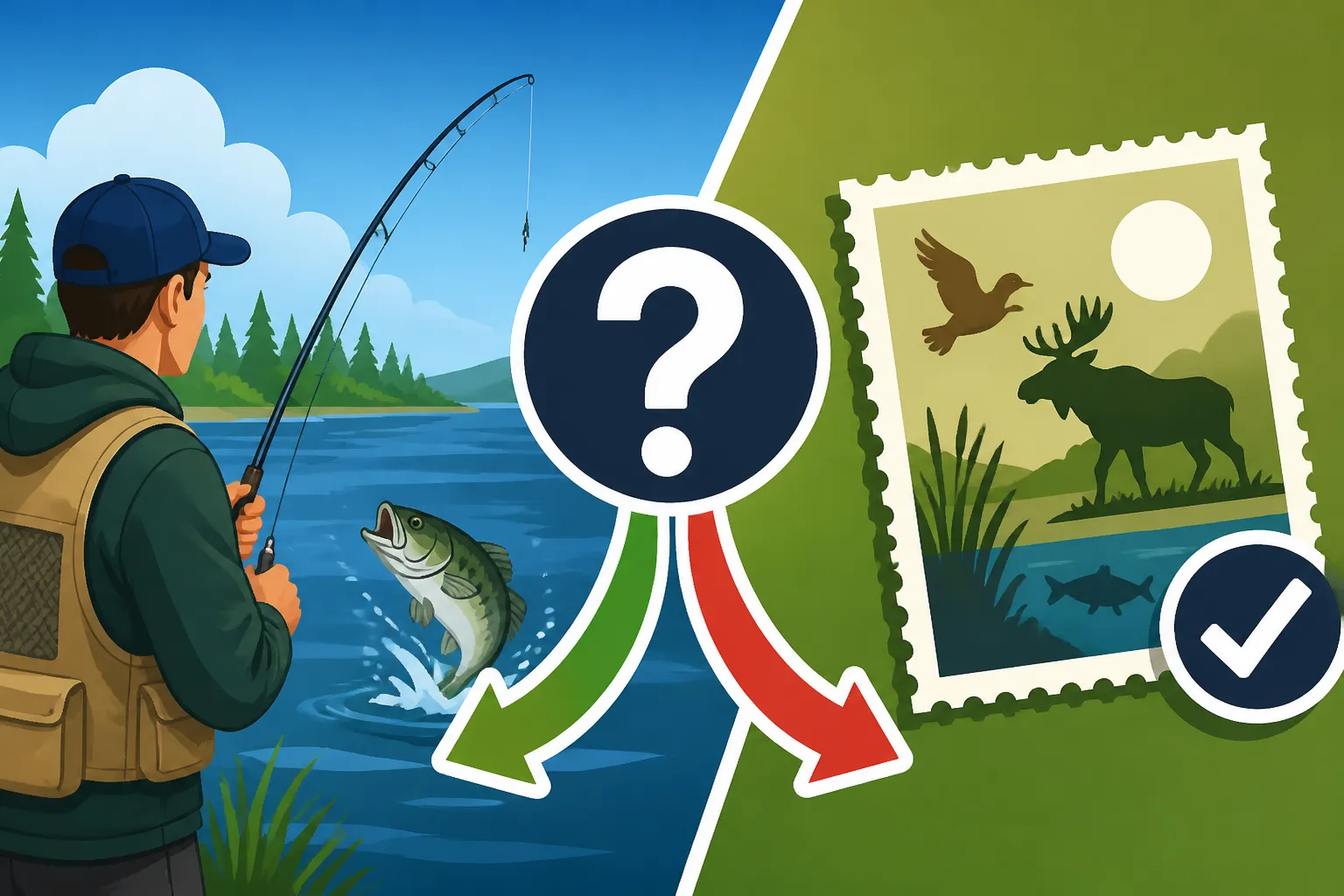
Many anglers and outdoor enthusiasts in Massachusetts find themselves scratching their heads when it comes to the Wildlands Conservation Stamp. It's often unclear whether this stamp is just an extra add-on or a mandatory requirement for their beloved outdoor activities. This guide is here to untangle that confusion, clearly explaining what the Wildlands Conservation Stamp is, who needs it, and why it plays a crucial role in preserving the beautiful natural spaces we all enjoy across the Commonwealth.
Understanding the Massachusetts Wildlands Conservation Stamp
The Massachusetts Wildlands Conservation Stamp is more than just a piece of paper or an entry on your digital license; it's a direct investment in the very lands and waters that make fishing, hunting, and other outdoor pursuits so special here in the Bay State. Often, when you're purchasing your annual fishing or hunting license, you'll see an option or a requirement for this stamp, and it's easy to wonder what it's all about.
What the Stamp Is and Its Purpose
At its core, the Wildlands Conservation Stamp is a funding mechanism. It’s a fee that goes directly towards the acquisition, enhancement, and maintenance of conservation lands throughout Massachusetts. Think of it as a small contribution that helps ensure there are always public places for you to cast a line, hike a trail, or observe wildlife. The funds are managed by the Massachusetts Department of Fish and Game (MassWildlife) and are specifically earmarked for conservation efforts. This isn't just about protecting pristine wilderness; it's also about managing existing state-owned lands to make them more accessible and ecologically healthy for both wildlife and people.
The money generated by the stamp supports the continued work of MassWildlife in managing over 200,000 acres of Wildlife Management Areas (WMAs), as well as a range of other properties. These areas are vital habitats for countless species and provide essential recreational opportunities for everyone from serious sportsmen to casual nature lovers. Without dedicated funding streams like the Wildlands Conservation Stamp, the ongoing costs of land acquisition, habitat restoration, infrastructure improvements, and public access projects would be much harder to cover. It's about preserving our natural heritage.
Who Needs to Purchase It
This is where the "optional or mandatory" question really comes into play. The Wildlands Conservation Stamp is required for anyone over the age of 17 who purchases a Massachusetts hunting or fishing license, or a trapping permit. If you're buying a freshwater fishing license, a saltwater recreational fishing permit (if you're not exempt), a hunting license, or a combination license, the system will automatically prompt you to acquire the stamp, and it will be added to your total. It's designed to be an integral part of participating in these regulated activities.
For instance, if you're planning a weekend fishing trip to the Connecticut River and need a Massachusetts Fishing License Guide, you'll find the Wildlands Conservation Stamp is part of that process. Similarly, if you're a seasoned hunter buying your annual hunting permit, this stamp is a non-negotiable component of your purchase. The system is set up this way to ensure that all participants in these activities contribute to the conservation efforts that directly benefit their pursuits. This applies whether you're a resident or a nonresident, as everyone benefiting from these managed lands is expected to contribute. You can learn more about Massachusetts Freshwater Fishing License Costs and Rules which will inevitably include this stamp.
How It Funds Conservation Efforts
The revenue from the Wildlands Conservation Stamp goes into a dedicated fund that MassWildlife uses to purchase new lands for conservation, restore critical habitats on existing properties, and maintain public access features like boat ramps, parking areas, and informational kiosks. These funds are not diverted for other state purposes; they are specifically earmarked for the agency's land stewardship and acquisition programs.
Imagine the work involved in maintaining a pristine trout stream, protecting nesting grounds for endangered birds, or ensuring that a forest remains healthy for deer and turkey. This stamp helps make that happen. For example, it might fund the restoration of a wetland area to improve waterfowl habitat, or the purchase of a new parcel of land that connects existing public areas, creating larger, more resilient ecosystems. The money also contributes to staff time and resources needed for managing these lands, from invasive species control to prescribed burns that promote forest health. It's a tangible link between your outdoor activities and the long-term health of Massachusetts' natural resources.
Is the Wildlands Conservation Stamp Optional or Mandatory?
This is the million-dollar question for many outdoor enthusiasts. The short answer is that for most licensed hunters and anglers over the age of 17, it's generally mandatory if you're participating in activities that require a state license or permit. However, like many regulations, there are specific scenarios that dictate its requirement.
When It's a Requirement
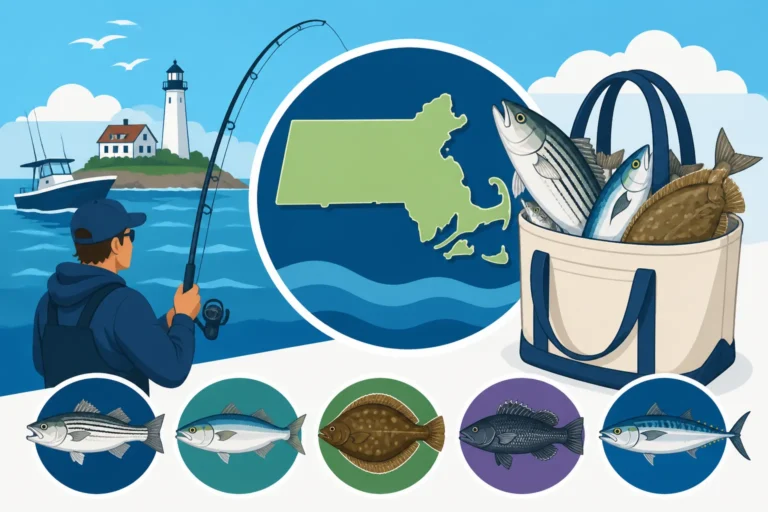
As mentioned, if you're 18 years of age or older and purchasing any type of Massachusetts fishing license (freshwater or saltwater recreational permit), hunting license, or trapping permit, the Wildlands Conservation Stamp is a mandatory addition. You won't be able to complete your license purchase through the MassFishHunt system, or at a vendor, without also acquiring the stamp. This means that if you're planning to target striped bass in coastal waters and need a Massachusetts Saltwater Recreational Fishing Permit Explained, the Wildlands Conservation Stamp will be part of that transaction.
It's automatically bundled into the purchase price, ensuring a broad base of support for conservation from those who directly benefit from access to these wildlands. Think of it as a user fee that supports the infrastructure and resources necessary for your chosen outdoor pursuit. This applies whether you're a resident or a non-resident. If you're an out-of-state angler looking into a Massachusetts Fishing License for Nonresidents, be prepared to include the stamp in your total cost.
Situations Where It's Not Needed
There are a few specific instances where the Wildlands Conservation Stamp is not required:
- Anglers Under 18: If you are 17 years old or younger, you are generally exempt from needing to purchase the Wildlands Conservation Stamp, even if you purchase a fishing or hunting license. This aligns with regulations like Do Kids Need a Fishing License in Massachusetts? where youth often have different fee structures or exemptions.
- Free Fishing Days: During designated Free Fishing Days in Massachusetts, when licenses are not required for fishing, the Wildlands Conservation Stamp is also not needed. These special days are designed to encourage participation and remove barriers for newcomers.
- Specific Exemptions: Certain individuals, such as those with permanent disabilities who qualify for specific free licenses, may also be exempt from the stamp requirement. Always check the latest MassWildlife regulations for precise details on exemptions.
- No License Required Activities: If you are participating in an outdoor activity that does not require a MassWildlife license or permit (e.g., general hiking on non-MassWildlife land, birdwatching in areas not covered by license requirements), then you do not need the stamp. It's tied directly to the purchase of a regulated MassWildlife license or permit.
It’s crucial to understand these nuances. If you fall into an exempt category, you save a little money, but most active adult anglers and hunters will find it an unavoidable part of their annual licensing process.
The Ramifications of Not Having the Stamp
Since the Wildlands Conservation Stamp is a mandatory component of most adult fishing, hunting, and trapping licenses, the primary ramification of "not having" it is that you won't be able to legally purchase or possess the underlying license itself. The MassFishHunt system, as well as licensed vendors, are programmed to include the stamp in your total purchase if you are an adult requiring a license.
If, hypothetically, there was a scenario where someone managed to obtain a license without the required stamp (perhaps due to an error in an older system or an oversight, which is highly unlikely with current digital systems), they would effectively be fishing or hunting without a valid, complete license. This could lead to penalties, including fines, if encountered by an Environmental Police Officer. The Penalties for Fishing Without a License in Massachusetts can be significant, so it’s always best to ensure your entire licensing package is in order.
The bottom line is to always ensure you have the correct and complete licensing package for your intended activity. The stamp is a small price to pay for compliance and, more importantly, for supporting the outdoor spaces we cherish.
Here's a quick overview of the stamp's applicability:
| Age Group | Activity Requiring MassWildlife License/Permit | Wildlands Conservation Stamp Required? | Notes |
|---|---|---|---|
| 17 and Under | Yes | No | Youth are typically exempt from the stamp, though they may still need specific licenses/permits. |
| 18 and Over | Yes (Freshwater/Saltwater Fishing, Hunting, Trapping) | Yes | Automatically added to your license purchase. Mandatory for most adult residents and nonresidents engaged in these activities. This covers scenarios like a Massachusetts Resident Fishing License Cost or a nonresident equivalent. |
| All Ages | No (e.g., general hiking, birdwatching without license) | No | If the activity doesn't require a MassWildlife license or permit, the stamp is not needed. |
| All Ages | Free Fishing Days | No | During designated free fishing events, neither a license nor the stamp is required. |
| Select Exemptions | Yes | No (in specific cases) | Certain disabled individuals or other special categories may qualify for exemptions. Always confirm current MassWildlife guidelines. |
Purchasing and Managing Your Wildlands Conservation Stamp
Getting your Wildlands Conservation Stamp is typically a seamless part of acquiring your fishing or hunting license. MassWildlife has made the process straightforward, especially through their online system.
How to Acquire the Stamp
The most common and convenient way to acquire your Wildlands Conservation Stamp is when you purchase your annual fishing or hunting license through the MassFishHunt online licensing system. When you go through the steps to buy a new license or complete your Massachusetts Fishing License Renewal Guide, the system will automatically include the Wildlands Conservation Stamp as a line item in your cart, provided you are an adult needing a license. It’s part of the standard checkout process, so you won't miss it.
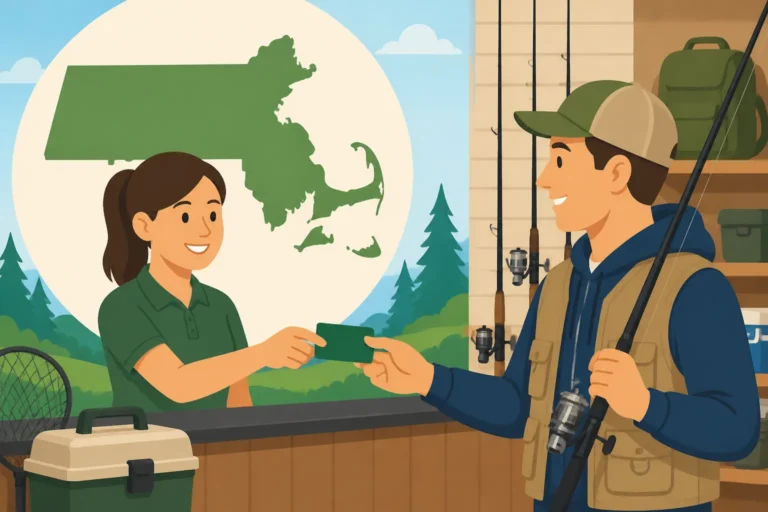
Alternatively, you can purchase your license and stamp in person at a licensed vendor across the state. Many sporting goods stores, bait shops, and town clerks are authorized agents. When you complete your purchase there, the stamp will again be included as part of your required licensing package. If you’re setting up your MassFishHunt account setup guide for the first time, you’ll find the process quite intuitive. You won't have to navigate separate menus to find the stamp; it's right there with your other license selections.
Cost of the Wildlands Conservation Stamp
The cost of the Wildlands Conservation Stamp is relatively modest, especially considering the significant impact it has on conservation efforts. While specific fees can change periodically, it's generally a flat fee that applies to all adult license purchasers. Currently, the Wildlands Conservation Stamp costs $5.00. This is in addition to the cost of your specific fishing or hunting license. For a complete breakdown, including all fees, you can consult the Massachusetts fishing license cost breakdown including all fees on the MassWildlife website. It's a small but powerful contribution to the preservation of Massachusetts' natural beauty.
This $5.00 fee might seem minor on its own, but when thousands of anglers and hunters contribute it each year, it accumulates into substantial funding that truly makes a difference in protecting our diverse ecosystems. It's a testament to how collective small actions can lead to large-scale conservation success.
Integrating the Stamp with Your Fishing License
Once purchased, the Wildlands Conservation Stamp isn't a separate physical stamp you need to affix to anything. Instead, it is digitally associated with your MassFishHunt profile and will appear as an endorsement or line item on your printed or digital license document. This means you don't have to worry about losing a physical stamp or remembering to carry an extra piece of paper.
When you print your license at home or show it on your mobile device, the Wildlands Conservation Stamp will be clearly listed as part of your valid credentials. This ensures that if you're ever checked by an Environmental Police Officer, all your required documentation is consolidated and easily accessible. It's an efficient system that simplifies compliance for outdoor enthusiasts. Just remember to carry proof of your license, whether it's a paper copy or a digital display, whenever you're out enjoying your regulated activities. You can even find specific products, like waterproof license holders, on Amazon to keep your printed license safe and secure while you're out on the water or in the woods.
The Broader Impact of Your Contribution
When you purchase the Wildlands Conservation Stamp, you're not just complying with a regulation; you're actively investing in the health and accessibility of Massachusetts' natural resources. Your contribution extends far beyond just enabling your own outdoor enjoyment for the year.
Supporting Wildlife Management Areas
One of the primary benefits of the Wildlands Conservation Stamp is its direct support for the extensive network of Wildlife Management Areas (WMAs) across Massachusetts. These WMAs are critical habitats for a vast array of wildlife, including deer, bear, turkey, various waterfowl, small game, and countless non-game species. They also encompass vital wetlands, forests, and fields that provide crucial ecosystem services, such as clean water and air.
The funds generated by the stamp are used for habitat restoration projects, such as clearing invasive species, planting native vegetation, creating food plots, and enhancing water bodies. These improvements directly benefit wildlife populations, ensuring robust and healthy ecosystems. For anglers, this might mean better water quality in streams that flow through WMAs, or improved access points to ponds and rivers within these protected areas. These areas are vital for Massachusetts Recreational Fishing Rules and Bag Limits as they provide the natural resources where these regulations apply.
Ensuring Access for Outdoor Recreation
Beyond habitat work, the Wildlands Conservation Stamp also helps maintain and improve public access to these lands. MassWildlife is constantly working to ensure that hunters, anglers, hikers, birdwatchers, and other outdoor enthusiasts have safe and convenient ways to enjoy nature. This includes funding for:
- Parking areas: Essential for anyone driving to a remote fishing spot or trailhead.
- Boat launches: Providing access to lakes, ponds, and rivers.
- Trails: For hiking, hunting, and general exploration.
- Signage and informational kiosks: Helping visitors navigate and understand the rules and features of each area.
- Barrier-free access: Creating opportunities for individuals with disabilities to enjoy the outdoors.
Your stamp contributes to ensuring that these resources remain open, well-maintained, and enjoyable for everyone. It means that future generations will also have the opportunity to experience the thrill of a first catch or the quiet solitude of a morning in the woods. These contributions help maintain and expand the very infrastructure that allows us to pursue activities like Massachusetts Fishing License Requirements by Age across diverse landscapes.
Contributing to Future Generations of Anglers and Hunters
Ultimately, the Wildlands Conservation Stamp is an investment in the future. By contributing to habitat protection and public access, you are helping to safeguard the traditions of fishing and hunting for the next generation. Healthy ecosystems with abundant wildlife are fundamental to ensuring that these pursuits remain viable and enjoyable.
Think about the importance of youth engagement in outdoor activities. The maintenance and acquisition of wildlands create opportunities for kids to learn about nature, develop outdoor skills, and foster a lifelong appreciation for conservation. When you purchase the stamp, you're playing a part in a larger legacy, ensuring that the natural beauty and rich wildlife of Massachusetts will continue to thrive for years to come, providing experiences for future anglers, hunters, and nature lovers. It’s a collective effort, and your stamp is a vital part of that shared responsibility. If you're looking for Massachusetts fishing license rules for group and youth outings, you'll appreciate how the stamp contributes to the overall health of these environments for everyone.
Disclaimer
Please note that fishing and hunting regulations, including license requirements and fees, can change. It is always the responsibility of the individual angler or hunter to consult the most current regulations issued by the Massachusetts Division of Fisheries and Wildlife (MassWildlife) before engaging in any activity. The information provided in this guide is for general informational purposes only and should not be considered legal advice.