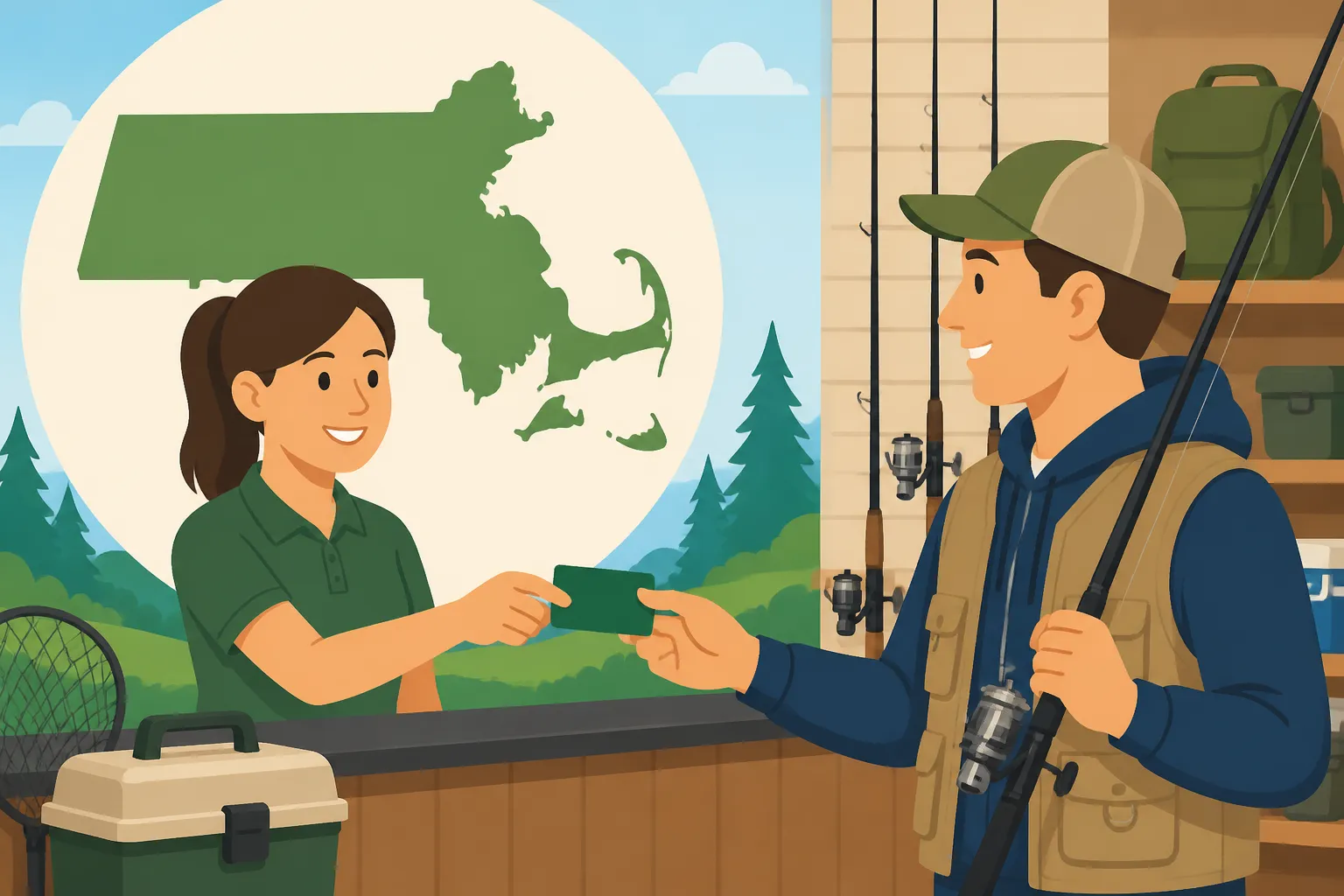
Buying a Massachusetts fishing license at a sporting goods store
Navigating the world of fishing licenses can sometimes feel more complicated than actually catching fish, especially if you prefer a human touch over clicking through endless web pages. For many anglers, the idea of getting their Massachusetts fishing license at a local sporting goods store just feels right. It's a tried-and-true method that offers a level of personal interaction and immediate satisfaction that online portals can't always match. This comprehensive guide will walk you through everything you need to know about purchasing your fishing license in person, ensuring you're fully prepared and can hit the water without a hitch.
Why Choose a Sporting Goods Store for Your Fishing License?
In an age where everything seems to be moving online, there's a comforting appeal to doing things the old-fashioned way. For many Massachusetts anglers, a trip to the sporting goods store isn't just about buying a license; it's part of the ritual, a chance to soak up some local knowledge, and maybe even pick up a new lure or two.
The Appeal of a Tangible Experience
Let's be honest, staring at a computer screen trying to figure out which drop-down menu to select isn't everyone's idea of a good time. Some folks simply prefer the clarity and directness of speaking to a real person. When you walk into a sporting goods store, you're not just a transaction; you're often a fellow enthusiast. You can ask questions, clarify confusing regulations, and leave with a physical license in hand, providing a sense of immediate accomplishment and readiness. This direct interaction can be incredibly valuable, especially for those who might be new to fishing in the Commonwealth or simply prefer a more personal touch.
Instant Gratification and Local Expertise
One of the biggest draws of buying your license in person is the instant gratification. No waiting for an email confirmation, no worrying about printer issues at home; you hand over your information and payment, and moments later, you've got your official Massachusetts fishing license. But it's more than just a quick exchange. Many sporting goods stores and, particularly, local bait and tackle shops, are staffed by seasoned anglers. These individuals are often a treasure trove of hyper-local information. They can tell you what's biting in nearby ponds, which lures are hot, or even suggest a great spot for beginners. It's like getting a mini-fishing report included with your license purchase, which is something you just can't replicate online.
Avoiding Online Frustrations and Digital Hurdles
While the MassFishHunt online system is generally efficient for those comfortable with technology, it's not without its potential pitfalls. Internet connectivity can be spotty, website interfaces can sometimes be confusing, and not everyone feels secure entering their personal and financial information online. For older anglers, those with limited internet access, or simply anyone who finds digital processes more frustrating than convenient, a trip to a physical store removes these barriers entirely. You avoid potential website glitches, forgotten passwords, or the anxiety of a transaction not going through correctly. It’s about peace of mind and simplicity.
Where to Find a Store That Sells Massachusetts Fishing Licenses
Finding a place to buy your fishing license in person isn't difficult, but knowing which types of establishments typically carry them can save you a lot of time and searching. MassWildlife, the state agency overseeing fishing regulations, partners with numerous vendors across the Commonwealth to make licenses readily available.
Major Retail Chains
You might be surprised to learn that many larger retail chains with a sporting goods section often serve as authorized license vendors. Stores like Dick's Sporting Goods and sometimes even Walmart locations with a dedicated hunting and fishing counter are common places where you can pick up your license. These stores offer the convenience of often being located in easily accessible shopping plazas and usually have extended hours compared to smaller, independent shops. They're a good option if you're already out running errands and want to knock out your license purchase simultaneously. However, it's always a good idea to call ahead to confirm that the specific location sells fishing licenses, as availability can sometimes vary.
Local Bait and Tackle Shops
These are arguably the best places to buy your fishing license, hands down. Local bait and tackle shops are the heart of the fishing community. Businesses like B & D Bait and Tackle in Carver or Surfland Bait and Tackle on Plum Island are not just places to buy worms and lures; they're hubs of local angling culture. The staff here often live and breathe fishing, and they're incredibly knowledgeable about local conditions, effective techniques, and current regulations. When you purchase your license from a local bait and tackle shop, you're not only getting your permit, but you're also tapping into a wealth of free, reliable advice and supporting a vital local business. It's a win-win situation for anglers and the community.
Other Authorized Vendors
Beyond dedicated sporting goods and bait shops, you might also find authorized license vendors at certain hardware stores, convenience stores, or even town clerk offices. While the focus of this guide is sporting goods stores, it's worth noting that if you're in a pinch, these other locations can also be an option. MassWildlife maintains a comprehensive list of all authorized vendors on its website, which can be easily searched by zip code if you're looking for the closest in-person option. This ensures that no matter where you are in Massachusetts, there's likely a vendor within a reasonable distance.
What You'll Need and What to Expect at the Store
To ensure a smooth and quick transaction when buying your Massachusetts fishing license in person, it's wise to come prepared. Knowing what documents to bring and what types of licenses are available will make the process much more efficient.
Essential Documents to Bring
The most crucial item to bring is a valid form of identification. This typically means a driver's license or state ID. If you're looking to purchase a resident license, you'll need to prove your Massachusetts residency. For most people, a Massachusetts driver's license will suffice. If you've purchased a license in Massachusetts before, even if it was several years ago, having your old license number or MassFishHunt customer ID can sometimes expedite the process, though it's not strictly necessary as they can usually look you up by name and date of birth. For those who are not Massachusetts residents, you'll be looking at a Massachusetts Fishing License for Nonresidents and will simply need a valid ID from your home state. Always double-check your ID's expiration date before you head out!
Understanding License Types and Fees
Massachusetts offers a variety of fishing licenses to suit different needs, and the cost will vary depending on your age, residency, and whether you want to fish in fresh or saltwater.
Here’s a general breakdown of what you might encounter:
- Freshwater Fishing License: This covers fishing in all inland waters, including lakes, ponds, and rivers.
- Saltwater Recreational Fishing Permit: If you plan to fish in marine waters, such as off Cape Cod or in Boston Harbor, you'll need this. It's often referred to simply as a "saltwater permit."
- Combination Hunting and Fishing License: For the avid outdoorsperson, this bundled license offers both freshwater fishing and hunting privileges.
- Youth Licenses: Often, Do Kids Need a Fishing License in Massachusetts? is a common question, and generally, anglers under 15 (sometimes 12, depending on the specific permit) do not need a license, but specific rules apply, especially for the saltwater permit.
- Senior Discounts: If you're a senior, make sure to ask about any potential discounts. For instance, Massachusetts Senior Fishing License Discounts are available for residents aged 65 to 69, and those 70 and over often receive a free license.
- Wildlands Conservation Stamp: This is a mandatory add-on for most annual freshwater and combination licenses, contributing funds directly to habitat and wildlife conservation efforts. It's good to understand The Massachusetts Wildlands Conservation Stamp Explained.
The staff at the sporting goods store will be able to guide you through the options and help you determine which license is right for you, based on where and how you plan to fish. You can also explore the specific Massachusetts Freshwater Fishing License Costs and Rules and Massachusetts Saltwater Recreational Fishing Permit Explained for more details.
The In-Store Process and Payment
Once you've presented your ID and specified the type of license you need, the vendor will typically enter your information into the MassFishHunt system. This is the same system used for online purchases, just accessed by the vendor. They will confirm your details, process the payment, and then print your official license right there on the spot. Most stores accept cash, debit cards, and credit cards, but it's always a good idea to have a backup payment method just in case, or inquire beforehand if you're relying on a specific method.
One important thing to note is that while the state sets the core license fees, some vendors might charge a small processing or convenience fee on top of the state-mandated costs. This is similar to how Massachusetts fishing license online processing and convenience fees are handled, where there's a small charge for the convenience of processing. Once the transaction is complete, you'll receive your physical license, which you should keep with you while fishing, as a valid form of Carrying Proof of Your Massachusetts Fishing License is required.
Benefits and Drawbacks of In-Person Purchase
Deciding where to buy your fishing license in Massachusetts often comes down to personal preference. While online options offer unparalleled convenience, buying in-person at a sporting goods store has its own set of unique advantages, alongside a few potential drawbacks to consider.
Advantages of Going to a Store
There's a lot to be said for the traditional method. First and foremost, you get personalized service. If you have questions about whether you need a freshwater or saltwater license (check out Massachusetts Freshwater vs Saltwater License Differences for a full breakdown), or what the latest rules are, a knowledgeable employee can walk you through it. This human element is a huge benefit, especially for beginners or those navigating complex regulations for the first time. Secondly, you leave with a physical license immediately. No waiting for mail, no printing at home worries—just your license in hand, ready for the water. Thirdly, and perhaps most importantly for many, it's a chance to support local businesses. When you choose a local bait and tackle shop, your money often goes directly back into the community, fostering a healthier local economy and keeping these invaluable resources open. You might even discover some great local gear or bait that you wouldn't find at a big box store.
Potential Downsides
While the in-person experience is great, it's not without its minor inconveniences. Store hours can be a limiting factor; you're restricted to when the business is open, which might not always align with your schedule. This is a stark contrast to the 24/7 availability of the online MassFishHunt system. You also have to factor in travel time to and from the store, which could be a concern if you live in a rural area or are just passing through. Additionally, while most sporting goods stores are equipped with reliable systems, there's always a slim chance of technical issues on their end, or simply longer wait times if the store is busy, especially during peak fishing seasons. It's a trade-off: personalized service for less schedule flexibility.
Comparing with Online Options for License Purchase
To help you decide, here's a quick comparison of buying your fishing license online versus at a sporting goods store:
| Feature | Online Purchase (MassFishHunt) | In-Store Purchase (Sporting Goods/Tackle Shop) |
|---|---|---|
| Accessibility | 24/7 from any internet-connected device | Limited to store operating hours and physical location |
| Immediate Proof | Digital license available instantly, can print at home | Physical license printed and handed to you immediately |
| Personal Assistance | None, relies on FAQs and self-navigation | Direct interaction with staff, allows for questions |
| Local Knowledge | Not provided | Often available from knowledgeable staff and local anglers |
| Payment Methods | Credit/debit card only | Typically cash, credit/debit card (store dependent) |
| Required Documents | Personal info, residency proof, previous license # (optional) | Valid ID (driver's license), residency proof if applicable |
| Supporting Local | N/A | Direct support for local businesses (if applicable) |
| Ease of Renewal | Very easy if account is set up | Easy if you know your customer ID or have previous license |
| Processing Fees | Standard state online processing fee applies | May include small vendor processing fee |
Ultimately, the best way to get your Massachusetts Fishing License Guide depends on your personal preferences and needs. If you value direct interaction, local insights, and immediate physical proof, then a trip to your nearest sporting goods or tackle shop is an excellent choice. If you prefer the ultimate convenience and don't mind navigating a website, then buying your How to Buy a Massachusetts Fishing License Online is likely your preferred route. Either way, the goal is the same: to get you legally on the water and enjoying all the amazing fishing Massachusetts has to offer. Just remember to always check the latest Massachusetts Recreational Fishing Rules and Bag Limits before casting your line!
Disclaimer
The information provided in this guide is intended for general informational purposes only and is not a substitute for official regulations. Fishing rules and license requirements in Massachusetts can change, and it is always the angler's responsibility to consult the latest official Massachusetts Division of Fisheries and Wildlife (MassWildlife) regulations before fishing.