Massachusetts charter boat captain license requirements
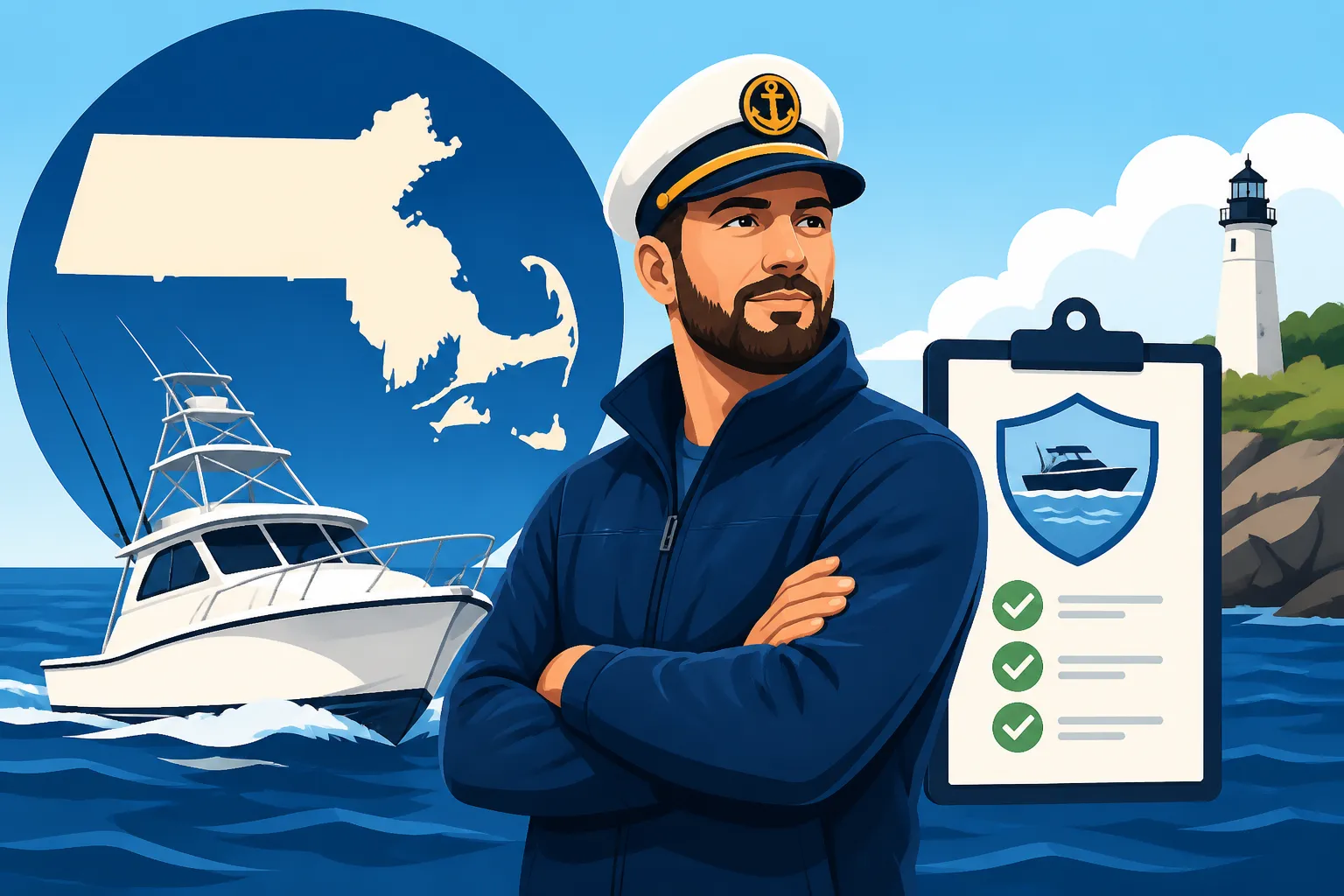
So, you're dreaming of being your own boss, leading anglers to those epic striper schools or that monster bluefin tuna out of Gloucester, or maybe showing families the ropes on a calm Cape Cod bay trip? It's a fantastic goal, but before you can hang out your "Charter Fishing" sign, there's a whole maze of licensing requirements to navigate. It can feel overwhelming, like trying to untangle a hundred yards of mono after a bluefish blitz, but don't fret! This guide is here to break down exactly what it takes to get your Massachusetts charter boat captain's license, cutting through the confusion so you can focus on making those fishing dreams a reality.
The Foundation: Understanding U.S. Coast Guard (USCG) Licensing
Operating any vessel for hire in U.S. navigable waters, which absolutely includes all of Massachusetts' coastal and major inland waters where charters typically operate, means you need a federal license issued by the U.S. Coast Guard. This isn't just a Massachusetts thing; it's a nationwide standard to ensure safety and competency. Think of it as your absolute baseline, the non-negotiable first step. Without a USCG license, you can't legally take paying customers out on the water.
Operator of Uninspected Passenger Vessels (OUPV) or "Six-Pack" License
For many aspiring charter captains, especially those running smaller operations, the journey begins with the Operator of Uninspected Passenger Vessels (OUPV) license, commonly known as the "Six-Pack." This license allows you to operate uninspected vessels (meaning they don't carry more than six paying passengers) up to 100 gross tons. Most recreational fishing boats and smaller commercial charters fall into this category. It's often the most accessible entry point into the world of charter fishing.
To qualify for an OUPV license, you need to prove a certain amount of "sea time." This isn't just time spent relaxing on the water; it's documented experience operating a vessel. The USCG typically requires 360 days of documented experience on the water, with at least 90 of those days occurring within the last three years. Of that total, 90 days must be accumulated on Great Lakes or near coastal waters if you plan to operate in saltwater, or 90 days on inland waters if you only intend to run freshwater charters. A "day" is generally considered at least four hours of underway time. You'll need to fill out a "Small Vessel Sea Service Form" and have your experience verified by the vessel owner (which could be yourself, a family member, or a previous employer). This process alone can feel like a fishing expedition, gathering all the right documentation and signatures.
Beyond sea time, you'll need to pass a comprehensive exam covering navigation, rules of the road, safety, and pollution regulations. Many aspiring captains opt for accredited courses offered by maritime training schools, which often include the examination as part of their curriculum. These courses can be intensive, but they're invaluable for preparing you for the rigorous knowledge required. You can also find study guides and materials on platforms like Amazon to supplement your learning if you choose the self-study route.
Master Licenses: For Larger Vessels or More Passengers
If your dream involves running a larger vessel, perhaps one that carries more than six passengers or exceeds the OUPV tonnage limits, you'll be looking at a Master license. Master licenses are tiered based on the gross tonnage of the vessel you wish to command (e.g., Master 25, 50, or 100 Gross Tons). This license allows you to operate inspected vessels (which must meet stricter USCG construction and safety standards) and carry more than six passengers. While most fishing charters in Massachusetts don't require an "inspected" vessel for carrying up to six passengers, a Master license provides greater versatility and can open doors to headboat operations or larger private charters.
The sea time requirements for a Master license are significantly higher than for an OUPV. For a Master Inland or Near Coastal, you generally need 720 days of documented sea service, with half of that (360 days) on navigable waters. A portion of that time might also need to be as a mate or in a supervisory capacity, depending on the specific endorsement. The exams for Master licenses are also more extensive, delving deeper into subjects like vessel stability, firefighting, medical care, and advanced navigation. These licenses represent a higher level of responsibility and command, reflecting the increased complexity of managing larger vessels and more people. Securing these higher-level licenses is a serious commitment, often requiring years of dedicated maritime experience and study.
Navigating Endorsements and Specific Requirements
Getting your base USCG license (OUPV or Master) is a huge step, but it's not the only piece of the puzzle. You'll also need specific endorsements and certificates, along with understanding what your clients need. These add layers of certification that ensure you're prepared for emergencies and that your operation complies with all the relevant rules.
Essential Endorsements: Radar, Sail, and Towing
Most charter captains will need to add specific endorsements to their base USCG license. For instance, if your vessel is equipped with radar, you'll need a Radar Observer endorsement. While not strictly mandatory for all OUPV licenses, it's highly recommended for anyone operating in coastal Massachusetts waters, especially with dense fog or heavy boat traffic, like in Boston Harbor. If you plan to operate a sailing vessel for charter, a Sail endorsement is crucial.
Perhaps one of the most practical and commonly sought endorsements for fishing charters is the Commercial Assistance Towing endorsement. This allows you to legally tow other disabled vessels for hire, which can be a valuable service, especially in busy areas like the Cape Cod Canal or Nantucket Sound. Even if you don't plan to offer towing as your primary service, having this endorsement means you can assist a fellow boater in distress and be compensated for it, which is good practice for any professional mariner. Many maritime training schools offer specific courses for these endorsements, and you can often find study materials for them on reputable marine supply sites or even through online bookstores.
TWIC Card and First Aid/CPR Certification
Before you can even apply for your USCG license, you'll need to obtain a Transportation Worker Identification Credential (TWIC). This biometric ID card is required by the Transportation Security Administration (TSA) for all personnel who require unescorted access to secured areas of ports and vessels. The application involves a background check, fingerprinting, and a fee. It's a critical piece of security documentation for anyone working in the maritime industry.
You'll also need current certification in First Aid and CPR (Cardiopulmonary Resuscitation). These certifications are vital for the safety of your passengers and crew. Knowing how to respond to a medical emergency far from shore is an essential skill for any captain. Many local community centers, fire departments, or organizations like the American Red Cross offer these courses regularly, and it's something you'll need to renew periodically to keep your license valid.
State-Specific Requirements and Operating in Massachusetts
While your USCG license covers the federal aspect of operating a vessel for hire, Massachusetts has its own set of rules and regulations that charter captains must adhere to. These typically involve state-issued permits for fishing and potential business registrations. It's crucial not to overlook these, as state violations can lead to fines or even suspension of your ability to operate.
Massachusetts Commercial For-Hire Permit
Any vessel carrying passengers for a fee to fish in Massachusetts waters (both freshwater and saltwater) is generally required to possess a Massachusetts Commercial For-Hire Permit, issued by the Division of Marine Fisheries (DMF) for saltwater and the Division of Fisheries and Wildlife (MassWildlife) for freshwater. This is distinct from your personal Massachusetts Fishing License Guide or even the Massachusetts Saltwater Recreational Fishing Permit Explained that recreational anglers carry. This permit acknowledges that you are operating a commercial fishing enterprise and helps the state manage its fisheries.
The requirements for this permit can vary slightly between freshwater and saltwater operations, so it's always best to check the most current regulations on the Mass.gov website for both DMF and MassWildlife. You'll typically need to provide proof of your USCG license, vessel registration, and insurance. Furthermore, understanding the Massachusetts Recreational Fishing Rules and Bag Limits for all species is paramount, as you, as the captain, are responsible for ensuring your clients comply.
It's also essential to note the specific rules for your passengers. A common question from clients is, "Do I need a license if I'm on a charter?" The answer, in Massachusetts, is generally yes, unless specifically exempted. While the charter vessel itself has a for-hire permit, individual anglers (unless under specific age exemptions detailed in Massachusetts Fishing License Requirements by Age) still need their own valid Massachusetts Freshwater Fishing License Costs and Rules or a Massachusetts Recreational Saltwater Fishing Permit, depending on where they're fishing. As the captain, it's your responsibility to inform your clients about these requirements.
Business Registration and Insurance
Beyond the permits to operate your boat and fish, you'll also need to consider your business structure. Are you operating as a sole proprietorship, an LLC, or another entity? You'll need to register your business with the Commonwealth of Massachusetts and obtain any necessary tax IDs. This also includes securing adequate commercial marine insurance. This isn't optional; it protects you, your vessel, and your passengers in case of accidents, injuries, or other unforeseen circumstances. A comprehensive policy will typically cover hull damage, liability, and potentially even lost income.
Consider the complexity involved here. You're not just a fishing expert; you're also a small business owner. This means understanding everything from marketing your services, handling bookings (perhaps through online platforms that might even be advertised on Amazon), managing finances, and ensuring you meet all legal obligations. Some captains even find it beneficial to consult with a maritime attorney or a business advisor specializing in small marine businesses to ensure they've covered all their bases.
The Journey to Becoming a Captain: A Step-by-Step Overview
Let's distill all these requirements into a clearer path. It’s a journey that takes dedication, time, and a significant investment in both learning and financial resources. But for those passionate about the sea and sharing the thrill of fishing, it's incredibly rewarding.
Step 1: Accumulate and Document Sea Time
This is often the longest part of the process. You need to log those hours on the water. Keep a meticulous record of every trip, including dates, duration, location, and the type of vessel. This documentation is crucial when you submit your application. Remember, the quality and verification of your sea time are just as important as the quantity. If you're currently working as a mate or deckhand on another charter, make sure the captain is properly documenting your time.
Step 2: Complete Required Training and Certifications
Enroll in an approved USCG OUPV or Master course. These courses, offered by maritime academies and private schools across the country (and often in Massachusetts), are designed to give you the knowledge you need to pass the exams. Simultaneously, obtain your First Aid and CPR certifications. Don't forget to apply for your TWIC card early, as the background check process can take several weeks.
Step 3: Pass the USCG Exam
Whether you take the exam through a school or directly with the Coast Guard, passing this comprehensive test is non-negotiable. It covers navigation, rules of the road, safety, pollution, and general seamanship. Studying diligently is key, and many people find practice exams and review materials (available from various publishers, some even found on Amazon) incredibly helpful.
Step 4: Submit Your Application to the USCG
Once you have all your sea time, course completion certificates, First Aid/CPR, and TWIC, you'll compile a massive application package for the USCG. This includes medical forms, drug test results, and all your sea service documentation. Ensure every form is filled out accurately and completely to avoid delays. The USCG website provides detailed instructions, but many applicants find assistance from their maritime school invaluable at this stage.
Step 5: Obtain State Permits and Business Registrations
After receiving your federal USCG license, immediately apply for your Massachusetts Commercial For-Hire Permit. Register your business with the state and secure appropriate commercial marine insurance. This is also the time to set up your booking system, marketing materials, and get ready to welcome your first clients. You'll also want to brush up on all the specific state regulations regarding Massachusetts Saltwater Bag Limits by Species and Massachusetts Freshwater Daily Catch Limits, as you'll be responsible for ensuring your clients adhere to them.
Here's a quick overview of the key differences between the common USCG licenses for charter operations:
| License Type | Passengers Allowed | Vessel Tonnage | Area of Operation | Sea Time Required (Minimum) | Exam Difficulty | Primary Use Case |
|---|---|---|---|---|---|---|
| OUPV (6-Pack) | Up to 6 (paying) | Up to 100 GT | Inland or Near Coastal | 360 days (90 in last 3 yrs) | Moderate | Small fishing charters, recreational tours |
| Master (Near Coastal) | More than 6 (inspected vessel) | Tiered (e.g., 25, 50, 100 GT) | Inland or Near Coastal | 720 days (360 on navigable) | High | Larger fishing charters, headboats, passenger ferries |
Remember, this table provides general guidelines. Specific requirements can vary based on the exact tonnage, endorsements, and the latest USCG regulations. Always check the official USCG website or consult an accredited maritime training school for the most up-to-date information.
The journey to becoming a licensed charter captain in Massachusetts is rigorous, but it's a testament to your dedication and passion for the water. Once you have those credentials in hand, you'll be ready to provide unforgettable fishing experiences, from calm bay fishing to thrilling offshore adventures, knowing you've met the highest standards of safety and professionalism. Just remember to keep your Massachusetts Fishing License Renewal Guide handy for yourself, and always advise your clients on what they need for a smooth trip.
Disclaimer
The information provided in this guide is for general informational purposes only and does not constitute legal or professional advice. Massachusetts fishing regulations, U.S. Coast Guard licensing requirements, and other maritime laws are subject to change. Always consult the official websites of the U.S. Coast Guard, the Massachusetts Division of Marine Fisheries, and MassWildlife for the most current and accurate information. It is highly recommended to seek personalized advice from a qualified maritime attorney or an accredited maritime training institution before undertaking any licensing or commercial fishing endeavors.