What waters are open during Massachusetts Free Fishing Weekend
The thought of spending a glorious weekend out on the water, rod in hand, without the usual hassle of permits and licenses, is incredibly appealing. But for many anglers, especially those new to the hobby or visiting Massachusetts, the concept of "Free Fishing Weekend" often sparks more questions than answers: "Can I fish anywhere? Are there hidden catches?" It's a common and totally valid concern to want to understand the exact boundaries of this fantastic opportunity. This guide is designed to thoroughly explain precisely which waters are open for fishing during Massachusetts Free Fishing Weekend, outline the permits you don't need, and clarify the crucial regulations that still apply to ensure your angling adventure is both enjoyable and compliant.
Understanding Massachusetts Free Fishing Weekend
Massachusetts Free Fishing Weekend is a wonderful initiative by the state to encourage more people to experience the joys of fishing. It's often celebrated over a specific weekend in June, typically coinciding with National Fishing and Boating Week, though exact dates can shift year to year. The core idea is simple: for these two designated days, residents and non-residents alike can fish in most public waters without needing a freshwater fishing license or a saltwater recreational fishing permit. This waiver is a huge draw, especially for families or individuals who might be hesitant to invest in a full license before they even know if they enjoy the sport.
The primary goal of this weekend is outreach and education. It's an invitation to try fishing, perhaps for the very first time, or to reacquaint yourself with a favorite pastime. It's a perfect opportunity for seasoned anglers to introduce friends and family to the hobby without them having to commit financially right away. The state hopes that by lowering this initial barrier, more people will discover a lifelong passion for fishing, which, in turn, helps foster appreciation for Massachusetts' natural resources and supports conservation efforts down the line. It's not just about catching fish; it's about connecting with nature, enjoying the peacefulness of the water, and perhaps even catching a delicious dinner.
What Permits Are Waived During Free Fishing Weekend?
During the official Massachusetts Free Fishing Weekend, two major permits are typically waived for all participants, regardless of age (though kids often don't need licenses anyway, as detailed in Do Kids Need a Fishing License in Massachusetts?):
- Massachusetts Freshwater Fishing License: This is the permit normally required for anyone aged 15 or older to fish in the state's inland waters. This includes all public lakes, ponds, rivers, and streams. For those two special days, you can leave your wallet at home (or at least, your license within it!). This means you can explore countless freshwater opportunities without having to go through the process of getting a Massachusetts Fishing License Guide beforehand. It’s a fantastic way to try out a new pond or river without any upfront commitment.
- Massachusetts Saltwater Recreational Fishing Permit: Similarly, the recreational permit typically required for saltwater fishing is also waived. This means you can cast a line in the ocean, bays, estuaries, and tidal rivers without this specific permit. This applies whether you're surfcasting from a beach, fishing from a public pier, or even heading out on your own boat (though boat registration and other boating safety rules still apply, of course). The ability to fish both fresh and saltwater without permits truly opens up the entire coastline and inland waterways for exploration.
It's important to understand that these waivers are specific to the state's basic fishing licenses. Other, more specialized permits or stamps, while sometimes less common, are typically not included in this waiver. This helps maintain specific management plans for certain areas or species. Always double-check with the Massachusetts Division of Fisheries and Wildlife (MassWildlife) website for the most current information regarding any additional permits that might still be in effect for highly regulated areas.
Freshwater Havens: Where You Can Cast a Line
Massachusetts is absolutely brimming with incredible freshwater fishing opportunities, and during Free Fishing Weekend, almost all of these public access points become fair game without a license. From tiny, picturesque ponds tucked away in state forests to expansive lakes and meandering rivers, the options are vast. This is the time to explore those local spots you’ve always driven past but never had a chance to fish. Many anglers find it the perfect excuse to visit a new area, perhaps one that's known for a different species than what they usually target.
You can freely enjoy fishing in the myriad of state-owned lakes, ponds, and rivers that crisscross the Commonwealth. Think of places like Lake Quinsigamond near Worcester, the sprawling Otis Reservoir in the Berkshires, or the countless small ponds stocked by MassWildlife with trout each spring and fall. Even smaller, unnamed ponds in state parks are typically open. Many town-managed ponds also fall under this umbrella, providing easy access for local anglers. This accessibility is a cornerstone of the Free Fishing Weekend, aiming to make fishing as welcoming as possible to all.
Public Ponds, Lakes, and Rivers
During Free Fishing Weekend, the vast majority of Massachusetts' public ponds, lakes, and rivers are open for license-free fishing. This includes popular spots for largemouth bass, smallmouth bass, perch, pickerel, and panfish. Whether you're a seasoned angler looking to introduce a newcomer to the sport or a complete novice eager to try it out, these waters offer abundant opportunities. For example, you could head to the beautiful Long Pond in Lakeville or Assawompset Pond in Carver, both known for their bass and pickerel populations. The Connecticut River, with its diverse fishery, also becomes fully accessible for freshwater species like carp, catfish, and various panfish without a license. This offers a chance to explore stretches of the river that might typically require a specific plan or longer travel.
You’ll find that many state parks and wildlife management areas offer designated fishing access points, often with parking and easy shoreline access. These areas are ideal for beginners or families with young children, as they often have relatively easy-to-reach fishing spots. When preparing for such an outing, remember to pack all the essentials. Even simple gear, like a basic spinning rod and reel combo, a selection of hooks, bobbers, and weights, along with some power bait or worms, can be found readily on Amazon and will serve you well. Don't forget a small cooler for drinks and snacks, and maybe a simple folding chair for comfort. Exploring these spots can be a fantastic way to discover new favorite fishing holes without any commitment beyond your time.
Restrictions at Specific Reservoirs
While the Free Fishing Weekend is incredibly generous, there are a few notable exceptions regarding specific bodies of water that have unique management plans or are critical drinking water sources. The most prominent examples in Massachusetts are the Quabbin Reservoir and the Wachusett Reservoir. These aren't just any lakes; they are massive, pristine bodies of water that supply drinking water to millions of residents, and as such, they have very stringent regulations to protect water quality and ecological integrity.
Even during Free Fishing Weekend, fishing at the Quabbin Reservoir generally still requires a specific Quabbin Reservoir Fishing Permit in addition to your state fishing license (which would be waived). This permit helps manage access and ensure compliance with their unique rules, which include restrictions on boat types, bait, and launch locations. Similarly, the Wachusett Reservoir also has its own set of detailed access rules, often requiring special permits for shore fishing or boat access (though boat fishing is generally prohibited on Wachusett). These reservoirs are exceptions to the "free" rule due to their critical function. Always check the Department of Conservation and Recreation (DCR) website for specific information on Quabbin Reservoir fishing permits and rules in Massachusetts and Wachusett Reservoir fishing access rules in Massachusetts before planning a trip to these particular locations.
Saltwater Shores: Navigating Coastal Opportunities
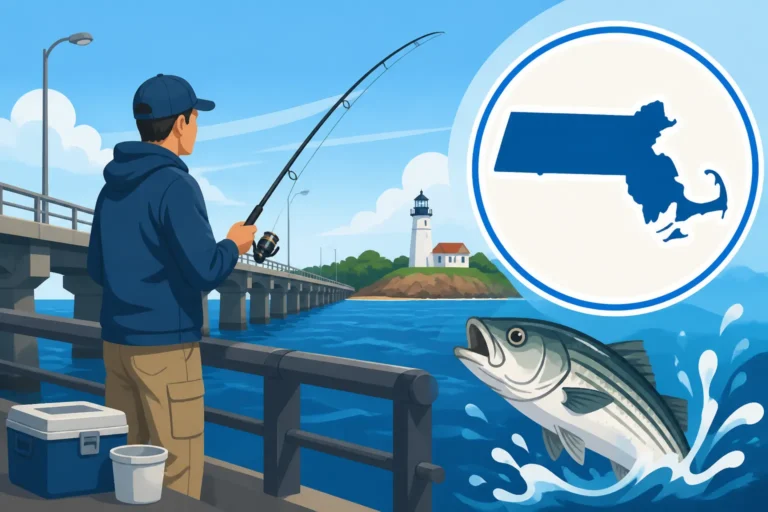
Massachusetts boasts an incredible coastline, from the rocky shores of Cape Ann to the sandy beaches of Cape Cod and the islands. During Free Fishing Weekend, all these amazing saltwater opportunities also open up without the need for the state's recreational saltwater fishing permit. This means you can try your hand at catching striped bass, bluefish, tautog, or fluke from a variety of coastal vantage points. It’s an ideal time for people who primarily fish freshwater to try out the excitement of saltwater angling, or for beachgoers to simply toss a line in while enjoying the sun and sand.
Whether you prefer the solitude of a remote beach for surfcasting, the convenience of a public pier, or venturing out on a boat, the coastal waters are calling. Imagine catching a feisty striped bass right from the beach at Plum Island, or trying for scup and tautog off a jetty in Buzzards Bay. These experiences, normally requiring a permit, become accessible to all during this special weekend. It's a fantastic chance to explore different techniques and target different species than what you might typically find inland.
Beaches, Piers, and Public Access Points
During Massachusetts Free Fishing Weekend, you can absolutely cast your line from any public beach, pier, or public access point along the coast without needing a state saltwater recreational fishing permit. This is fantastic news for surfcasters and pier anglers who prefer to keep their feet on solid ground. Imagine spending a morning on a beautiful Cape Cod beach, feeling the sand between your toes as you cast for striped bass. Popular surfcasting destinations like Coast Guard Beach in Eastham or Race Point Beach in Provincetown become even more inviting. Similarly, numerous public piers and jetties in towns like Gloucester, Plymouth, and New Bedford provide easy access to deeper water, making them excellent spots for beginners or those seeking species like black sea bass, scup, and tautog.
Many towns along the coast also have municipal fishing piers that are great for families, often with amenities nearby. Even bridge fishing, where permitted, is open for those two days without the permit. When planning your outing, consider checking local town websites or Mass DCR resources for specific access points and any localized rules. For convenience, a collapsible fishing cart, easily available on Amazon, can be a real back-saver for hauling gear down to the beach or out onto a long pier. Just remember to be mindful of swimmers and other beachgoers, especially during peak season, and always adhere to any posted signs regarding fishing zones.
Fishing from Private Boats (with waivers) and For-Hire Vessels
If you're lucky enough to own a private boat, the Massachusetts Free Fishing Weekend also extends to you! You and your passengers can enjoy saltwater fishing from your vessel without the need for individual state saltwater recreational fishing permits. This means you can head out into Massachusetts Bay, Nantucket Sound, or Buzzards Bay to target various species. This waiver only covers the state recreational saltwater permit; your boat still needs to be properly registered with the state, and all federal and state boating safety regulations, including having all required safety equipment on board, must be strictly followed.
For those considering a guided experience, it's worth noting that while individual anglers on a private boat benefit from the waiver, if you decide to go on a for-hire vessel like a charter or party boat, the situation can be a bit different. Reputable charter and party boat operators typically hold federal permits that cover their passengers' recreational saltwater fishing activities. This means that even outside of Free Fishing Weekend, passengers on these vessels are often covered by the captain's permit and don't need their own individual state permit. However, during the Free Fishing Weekend, it simply reinforces that you won't need to worry about the state permit if you're on a vessel like this. Always confirm permit requirements with your chosen charter or head boat service, especially if planning a trip outside of the designated free weekend, as detailed in Do Charter Passengers Need Their Own Massachusetts Saltwater Permit?.
Essential Rules That Still Apply During Free Fishing Weekend
Even though the "license" aspect is waived during Free Fishing Weekend, it's absolutely crucial to remember that this isn't a free-for-all. Every other fishing regulation that ensures sustainable fisheries and protects both anglers and the environment still applies. This is arguably the most important takeaway for anyone participating in the weekend. The goal is to encourage participation, not to deplete fish stocks or create unsafe conditions. Ignoring these rules can lead to fines, confiscation of gear, or even more serious penalties, so it's vital to be informed.
These regulations cover everything from the size of fish you can keep to the number of fish you can take home, and even the type of bait or gear you're allowed to use. It’s also important to respect private property and environmental boundaries. Thinking that no license means no rules is a common misconception, and one that MassWildlife works hard to dispel through educational efforts. Always approach your fishing trip with an understanding that conservation is paramount, even on free days.
Size Limits and Bag Limits
This is where many newcomers can get tripped up. Just because you don't need a license doesn't mean you can keep every fish you catch. Massachusetts has very specific and strictly enforced size limits and bag limits for virtually all species, both freshwater and saltwater. These limits are in place for conservation, ensuring that fish have a chance to reproduce and maintain healthy populations. For example, for freshwater species, there are daily catch limits, such as for trout and bass. For saltwater species like striped bass, there's a slot limit, meaning you can only keep fish within a specific size range, not too small and not too big, as explained in Massachusetts Striped Bass Slot Limit Explained. Bluefish also have a specific daily bag limit.
Always check the current Massachusetts fishing regulations pamphlet or the MassWildlife website before you head out. These resources will provide the most up-to-date information on Massachusetts Freshwater Daily Catch Limits and Massachusetts Saltwater Bag Limits by Species. It's a good idea to have a ruler or tape measure on hand to verify your catch, and a simple stringer or cooler to properly store any keepers. Even if you're planning a purely catch-and-release trip, understanding these limits is important because accidentally catching an undersized or oversized fish isn't usually an issue if it's immediately released, but keeping it would be.
Gear Restrictions and Protected Areas
Beyond size and bag limits, there are also rules concerning the gear you can use and specific areas where fishing might be restricted or prohibited, even during Free Fishing Weekend. For instance, the use of lead sinkers and jigs weighing less than one ounce is prohibited in Massachusetts freshwater to protect wildlife from lead poisoning. Certain bait restrictions might also apply in specific sensitive areas or for particular species. For example, using live baitfish collected from one body of water in another is often illegal to prevent the spread of invasive species or diseases.
Furthermore, some areas are always closed to fishing, regardless of license status or the time of year. These might include fish ladders, designated spawning grounds, or areas around dams or sensitive environmental sites. Always look for posted signs near waterways, as these will indicate any local restrictions or closures. Similarly, fishing on private property without permission from the landowner is always illegal, even on Free Fishing Weekend. Always be respectful of private land boundaries. Understanding Massachusetts Recreational Fishing Rules and Bag Limits goes a long way in ensuring a legal and ethical fishing experience. Many local tackle shops, or even a quick search on Amazon for a copy of the official MassWildlife guide, can provide invaluable local knowledge and regulatory clarity.
Making the Most of Your Free Fishing Adventure
Free Fishing Weekend is an incredible opportunity, but a little planning can go a long way in making it a truly memorable experience. It’s not just about showing up with a rod; it’s about preparing for a fun, safe, and successful outing. This is especially true if you’re bringing along kids or introducing someone new to fishing. Thinking ahead about your destination, what to bring, and how to stay safe will enhance the enjoyment for everyone involved.
Consider this weekend as your chance to scout out new locations or try a different type of fishing you've always been curious about. Maybe you usually stick to ponds, but this time you want to try surfcasting. Or perhaps you've always wanted to try fly fishing but never committed to a license. This is your moment!
Planning Your Trip and Essential Gear
To truly make the most of Free Fishing Weekend, start by picking your spot. Do you want freshwater or saltwater? A quiet pond for panfish, or a bustling beach for stripers? Look into Best Fishing Spots in Massachusetts for inspiration. Once you have a location in mind, do a quick check on recent fishing reports or local forums to see what’s biting and what techniques are working. The MassWildlife website often has good resources for trout stocking schedules if you’re targeting those.
As for gear, you don't need anything fancy, especially if you're just starting. A basic spinning rod and reel combo, some assorted hooks, sinkers, bobbers, and a tub of worms or a few simple lures (like Kastmasters or small swimbaits easily found on Amazon) will suffice for most freshwater species. For saltwater, a heavier spinning rod and reel, stronger line, and bigger lures or bait (like clam snouts or mackerel pieces) will be more effective. Don't forget essentials like sunscreen, a hat, sunglasses, insect repellent, a small first-aid kit, plenty of water, and snacks. A cooler for your catch (if you plan to keep any) is also important. Dress in layers, as New England weather can be unpredictable, even in June.
Safety and Conservation Practices
Safety should always be your top priority, even more so if you're exploring new areas or fishing with inexperienced companions. Always let someone know where you're going and when you expect to return. Wear a life jacket if you're in a boat, kayak, or even fishing from slippery rocks near the ocean. Be aware of your surroundings, especially near water, and teach children about water safety. If fishing near roads or trails, be mindful of traffic and pedestrians.
Conservation is also paramount. Beyond respecting size and bag limits, practice responsible catch and release for fish you don’t intend to keep. Handle fish gently, minimize their time out of water, and use de-hooking tools if necessary. Always dispose of fishing line, hooks, and trash properly – never leave anything behind. These small acts of stewardship ensure that Massachusetts' beautiful waters and abundant fish populations remain healthy for future generations of anglers. It's about being a good steward of the environment, something that's always in season, as much as understanding Massachusetts Fishing Seasons Explained.
Disclaimer
Please note that while this guide provides comprehensive information, fishing regulations can change. It is always the angler's responsibility to consult the most current Massachusetts Division of Fisheries and Wildlife (MassWildlife) regulations before fishing. This content is for informational purposes only and should not be considered legal advice.