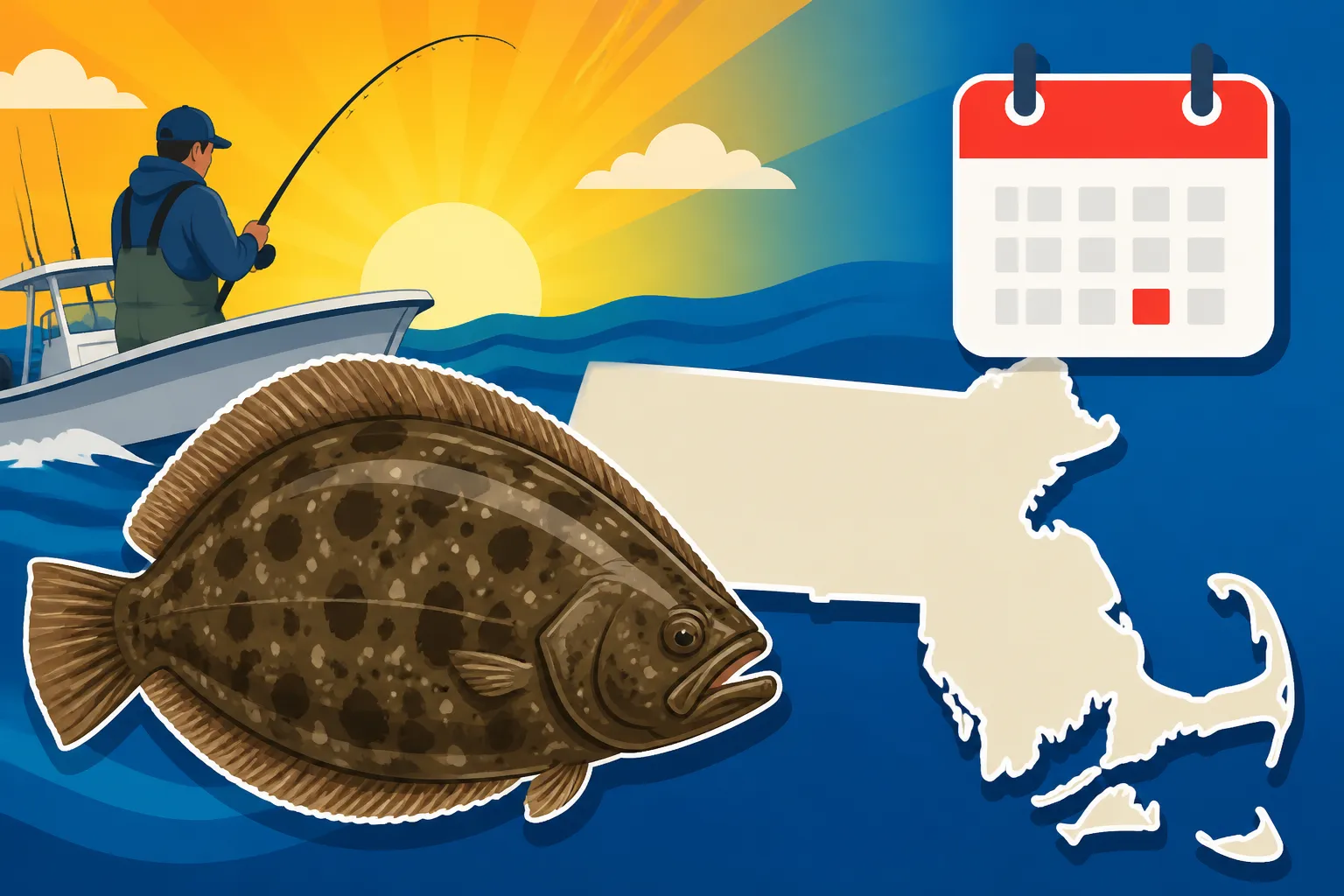
When fluke season starts in Massachusetts in 2026
One of the most anticipated times for saltwater anglers in Massachusetts is the opening of fluke season, yet waiting for the official dates and rules each year can be a real nail-biter, leaving many of us wondering exactly when we can hit the water for these delicious flatfish. This guide is here to shed some light on when fluke season typically starts in the Bay State, what to expect for 2026, and how to stay on top of the regulations so you're ready the moment the season kicks off.
Understanding the Massachusetts Fluke Season Calendar for 2026
The opening of summer flounder (fluke) season in Massachusetts isn't always a fixed date that rolls over perfectly year after year. It's often subject to annual review by the Massachusetts Division of Marine Fisheries (DMF) and the Atlantic States Marine Fisheries Commission (ASMFC), which manage migratory fish stocks along the East Coast. This can lead to a bit of suspense as anglers eagerly await the finalized regulations.
Typical Start Dates for Summer Flounder
While the official 2026 start date for fluke season won't be set until closer to the fishing year, we can look to recent history to get a very good idea of when to expect it. Historically, the recreational summer flounder season in Massachusetts tends to open sometime in May. It's usually a date that allows for a good spring-to-early-summer fishery, giving anglers a chance to target these fish as they move into shallower, warmer waters.
For instance, in previous years, the season has often kicked off in mid- to late May, sometimes around the third or fourth week. This timing aligns with when the water temperatures become more favorable and the fluke begin to feed actively closer to shore and in estuaries. It's a sweet spot before the full summer rush, when you can often find good numbers of fish. You'll want to keep an eye on official announcements, but marking your calendar for a potential mid-May opening is a smart preliminary step.
How Regulations Are Set for Fluke Season
The process for setting fishing regulations for species like summer flounder is quite complex, involving a lot of science, data, and interstate cooperation. The Atlantic States Marine Fisheries Commission (ASMFC) is a key player, developing fishery management plans for species that cross state lines, like fluke. Massachusetts, through its Division of Marine Fisheries, then implements regulations that are consistent with these regional plans, often with some local adjustments based on state-specific data and management goals.
This means that factors like stock assessments, harvest data from previous years, and even discussions with other states in the region all play a role in determining the season length, start and end dates, and bag and size limits. It's a delicate balance of ensuring a healthy fishery for future generations while still allowing recreational opportunities. This is why you might see slight tweaks to the rules each year – it’s all part of responsive fisheries management. Knowing this helps us understand why we can't always get a definitive "When fluke season starts in Massachusetts in 2026" answer too far in advance!
Key Regulations Beyond Just the Season Opening
Knowing when the season starts is only one piece of the puzzle. To be a responsible and successful angler, you absolutely need to be aware of the other critical regulations that go hand-in-hand with the season. These include size limits, daily bag limits, and understanding whether you need a specific permit. Ignoring these can lead to fines and harm the very fishery we all love.
Understanding Fluke Size and Bag Limits
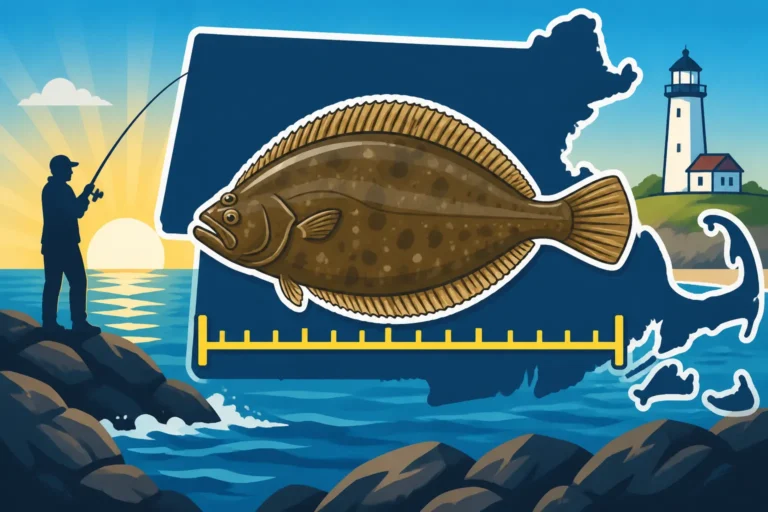
Once the season is open, there are strict rules about the size of fluke you can keep and how many you can take home each day. These limits are in place to ensure that enough fish can reproduce and contribute to the population, preventing overfishing. The minimum size limit for fluke in Massachusetts has typically been around 17 inches for recreational anglers. This means any fish shorter than that must be immediately and carefully released. Measuring your catch accurately is crucial; always measure from the tip of the snout to the end of the tail, making sure to pinch the tail for an accurate reading.
The daily bag limit for summer flounder also varies, but it's often set at a reasonable number, such as five fish per person per day. It’s important to remember that these limits apply per angler, so if you're fishing with friends, each person has their own limit. These limits can also sometimes differ slightly based on whether you're fishing from a private boat or shore versus a for-hire vessel like a charter boat. Always consult the most current regulations for any subtle distinctions. You can dive deeper into these specifics by checking out our guide on Massachusetts Fluke Size Limits Explained.
Here's a look at typical recent fluke regulations to give you an idea of what to expect for 2026:
| Year (Typical) | Season Start (Approx.) | Season End (Approx.) | Minimum Size Limit | Daily Bag Limit (Private/Shore) |
|---|---|---|---|---|
| 2023 | Mid-May | Late September | 17 inches | 5 fish |
| 2024 | Mid-May | Late September | 17 inches | 5 fish |
| 2025 (Projected) | Mid-May | Late September | 17 inches | 5 fish |
| 2026 (Expected) | Mid-May | Late September | 17 inches | 5 fish |
Note: These are typical historical and projected values. Official 2026 regulations will be announced by the Massachusetts Division of Marine Fisheries.
Required Permits for Fluke Fishing
To legally fish for fluke in Massachusetts, you absolutely need to possess a valid Massachusetts saltwater recreational fishing permit. This isn't just for fluke, but for virtually all saltwater species you might target. It's a fundamental requirement that helps fund conservation efforts and ensures the state has accurate data on fishing participation.
The good news is that acquiring one is pretty straightforward. You can usually purchase your permit online through the MassFishHunt system, or sometimes in person at an authorized vendor. There are specific age requirements, and certain exemptions might apply (for instance, if you're fishing on a licensed for-hire vessel where the captain's permit covers passengers). But for most individual recreational anglers, getting your own permit is a non-negotiable step. For comprehensive details, check out our guide on Massachusetts Saltwater Recreational Fishing Permit Explained. Even if you're only planning to catch and release, this permit is still a must-have.
Getting Ready for Fluke Season 2026
With the expected season opening in mind, it's the perfect time to start thinking about how to best prepare for a successful fluke fishing season. From ensuring your gear is in tip-top shape to honing your techniques, a little preparation goes a long way.
Essential Gear and Tackle for Fluke
Fluke fishing doesn't require an overly complicated setup, which is one reason it's so popular. A medium-action spinning rod around 7 feet long, paired with a reel spooled with 15-20 lb braided line, is a fantastic all-around choice. The braided line offers excellent sensitivity to feel those subtle fluke bites and strong hooksets. You'll want to use a fluorocarbon leader, typically 15-20 lb test, as it's nearly invisible underwater and resistant to abrasion.
When it comes to terminal tackle, a standard fluke rig often consists of a dropper loop or three-way swivel rig with a hook (like a Kahle hook or a wide-gap hook in sizes 1/0 to 3/0) and a sinker. The weight of the sinker will depend on the current and depth you're fishing; having an assortment from 1 to 4 ounces is usually a good idea. Many anglers also like to add a colored bead, a spinner blade, or a small bucktail jig above their bait for added attraction. You can find a wide array of fluke rigs, hooks, and sinkers on platforms like Amazon, making it easy to stock up before the season.
Popular Techniques for Catching Summer Flounder
Fluke are ambush predators, often lying camouflaged on the bottom, waiting for baitfish or crustaceans to swim by. This behavior dictates the most effective fishing techniques. Drift fishing is by far one of the most popular and productive methods. As your boat drifts, your bait or lure covers a lot of ground, increasing your chances of encountering a fluke. You'll want to bounce your rig gently along the bottom, trying to imitate a fleeing baitfish or a struggling crustacean. This "bounce" is key to getting their attention.
Bait choices are pretty straightforward. Live or fresh-cut bait is usually superior. Strips of squid, spearing (silversides), mackerel, or even fluke belly strips are all excellent choices. Some anglers also have great success with artificial baits like bucktail jigs tipped with Gulp! Swimming Mullet or other soft plastics. The key is to keep your bait moving and near the bottom. If you want to refine your approach, consider exploring our guide on Drift Fishing Techniques for Summer Flounder.
Staying Up-to-Date on 2026 Regulations
Given that specific dates and limits can shift, it's absolutely essential to consult the most current official sources before you head out. The primary source for all Massachusetts fishing regulations is the Massachusetts Division of Marine Fisheries (DMF) website. They typically publish their recreational regulations well in advance of the season, usually in late winter or early spring.
Another valuable resource is the annual Massachusetts Marine Fisheries Guide, often available digitally on the DMF website or in print at bait and tackle shops. This guide consolidates all the rules in one easy-to-read format. You can also sign up for email alerts from the DMF to receive notifications when new regulations are proposed or finalized. Don't rely solely on word-of-mouth or last year's rules; a quick check of the official sources will ensure you're fishing legally and responsibly. Keeping an eye on their announcements is the best way to know the precise moment "When fluke season starts in Massachusetts in 2026."
Where to Target Fluke in Massachusetts
Once you've got your gear ready and the regulations memorized, the next question is, where do you actually find these elusive flatfish? Massachusetts offers a fantastic array of spots for fluke, from sandy beaches to productive estuaries and offshore grounds.
Productive Shore Fishing Locations
You don't always need a boat to catch fluke! Many excellent shore-based opportunities exist, especially along the extensive coastline of Massachusetts. Areas with sandy or muddy bottoms, particularly near inlets, harbors, and tidal estuaries, are prime fluke habitat. The key is to find areas where currents will bring bait to the fluke, and where there are slight drop-offs or depressions in the bottom where they can lie in wait.
The beaches and harbors of Cape Cod, particularly in towns like Falmouth, Woods Hole, and some of the Nantucket Sound access points, can be very productive. Similarly, various points along the South Shore and parts of Buzzards Bay offer shore access to fluke grounds. Look for areas where you can cast into moving water and slowly retrieve or drift your bait along the bottom. Just remember to check for public access points and any local restrictions before setting up your spot. Exploring some Best Shore Fishing Spots in Massachusetts can give you more specific ideas.
Prime Boat Fishing Grounds
For those with a boat, the options for targeting fluke open up even more. Productive boat fishing grounds typically include bays, sounds, and inshore waters with depths ranging from 10 to 60 feet. Again, sandy or muddy bottoms are preferred, especially areas with subtle changes in depth, oyster beds, or structure that can hold bait.
Nantucket Sound is a legendary fluke fishery, with vast expanses of suitable bottom and strong tidal currents that concentrate baitfish. Buzzards Bay is another fantastic area, offering numerous coves, channels, and humps where fluke congregate. The waters off the South Shore, like those around Plymouth and Duxbury, also hold good numbers of summer flounder. Even within Boston Harbor and its surrounding islands, you can find surprisingly good fluke fishing in the right spots. Keep an eye on your fishfinder for bottom contours and bait schools, which are often indicators of where fluke might be lurking. For more localized advice, our guide on Best Saltwater Fishing Spots on Cape Cod, Massachusetts is an excellent resource.
Factors Influencing Fluke Distribution
Understanding why fluke are found in certain areas can significantly improve your success. Water temperature is a primary factor; fluke prefer water that is comfortably warm, generally between 55-70°F. As water temperatures rise through the spring and into summer, they move into shallower areas, estuaries, and bays. Later in the season, as temperatures peak, they might move to slightly deeper, cooler waters, or further offshore.
Tides and currents are also incredibly important. Fluke often position themselves facing into the current, waiting for food to be swept to them. Fishing during a moving tide, especially the beginning or end of a tide cycle, can be highly productive. Look for areas where currents create eddies or where baitfish are being swept along. Bottom structure also plays a role; while they love flat, sandy bottoms, they'll also utilize subtle changes in depth, edges of channels, or areas with scattered rocks or shell beds as ambush points.
By paying attention to these environmental cues, you can better predict where fluke will be holding and increase your chances of a successful outing, especially when the season finally opens in 2026.
Disclaimer
Please be aware that fishing regulations, including season dates, size limits, and bag limits, are subject to change by the Massachusetts Division of Marine Fisheries (DMF) at any time. While this guide provides the best available information and typical projections, it is crucial to consult the official Massachusetts DMF website or their most current fishing regulations guide before heading out on the water. Relying solely on historical data or unofficial sources could lead to violations.