How many trout Massachusetts stocks each spring
Every spring, anglers across Massachusetts eagerly anticipate the official word: when will the trout trucks roll out, and just how many fish are coming our way? It’s a perennial question, often sparking a mix of excitement and friendly competition, because understanding the sheer volume and strategic distribution of stocked trout is key to planning a successful fishing season. This guide will dive deep into MassWildlife's impressive spring stocking program, giving you the inside scoop on what to expect.
Understanding MassWildlife's Spring Trout Stocking Program
The Massachusetts Division of Fisheries and Wildlife, affectionately known as MassWildlife, undertakes an immense operation each spring to enrich our state's freshwater fishing opportunities. It's more than just dumping fish into a pond; it's a carefully coordinated effort designed to sustain and enhance recreational angling for thousands of residents and visitors alike. When you consider the vast network of water bodies across the Commonwealth, from the smallest streams to expansive lakes, the logistics are truly impressive.
The Sheer Scale of Annual Stocking Efforts
So, let's get right to it: how many trout does Massachusetts stock each spring? The numbers are genuinely astounding. Each year, MassWildlife typically stocks over 500,000 trout into public waters across the state. This half-million-plus figure includes fish that have been carefully raised in state hatcheries, destined to provide countless hours of angling enjoyment. It’s a massive undertaking that ensures a vibrant fishing scene from the Berkshires to the Cape.
This robust stocking program is fundamental to supporting Massachusetts' freshwater fisheries, especially in areas where natural trout reproduction might be limited or insufficient to meet angler demand. Without this effort, many popular fishing spots would simply not offer the same opportunities for success. It's a testament to the state's commitment to outdoor recreation and conservation.
Think about the impact of half a million fish being introduced into our waterways. It's an economic driver too, encouraging sales of fishing licenses, bait, tackle, and other outdoor gear. Many anglers rely on resources found on platforms like Amazon to stock up on their essentials before the season kicks off, knowing that MassWildlife is working hard to put fish in the water.
A Breakdown by Trout Species
While "trout" is a broad term, MassWildlife focuses on stocking several key species that thrive in our local waters and are highly prized by anglers. The majority of the stocked fish fall into three main categories: Rainbow, Brown, and Brook Trout. Each species has its own characteristics, offering different challenges and rewards for those casting a line.
Rainbow Trout often make up the largest portion of the spring stocking numbers. These fish are known for their spirited fight and willingness to strike at a variety of baits and lures, making them a favorite for many anglers, especially beginners. They adapt well to diverse habitats and are frequently found in both ponds and rivers.
Brown Trout are typically a bit more elusive and harder to catch, appealing to anglers who enjoy a greater challenge. They are renowned for their ability to grow to impressive sizes and often prefer cooler, more structured environments. While not stocked in the same sheer volume as rainbows, their presence adds a layer of excitement to the stocking program.
Brook Trout, often considered the most beautiful of the stocked species with their vibrant colors, are native to many Massachusetts waterways. While some wild brook trout populations exist, hatchery-raised brookies are a welcome addition to many streams and ponds, offering a chance to catch a piece of local angling heritage. For a deeper dive into the specific types of trout introduced, check out our guide on Trout species Massachusetts stocks each year.
In addition to these three, MassWildlife occasionally stocks a small number of Tiger Trout. These are a sterile hybrid of brown and brook trout, known for their distinctive striped patterns and aggressive nature. They are often stocked in specific locations to add a unique trophy fishing opportunity.
Where Do All These Trout Go? Distribution and Logistics
Stocking half a million trout isn't just about growing them; it's about getting them to the right places, safely and efficiently. MassWildlife's stocking teams work tirelessly, often starting before dawn, to distribute these fish across hundreds of water bodies throughout the Commonwealth. This intricate dance ensures that opportunities are spread wide, giving every angler a fair shot at a memorable day on the water.
The Statewide Reach of Stocking Operations
MassWildlife's spring trout stocking program is truly a statewide endeavor. Anglers can expect to find stocked trout in ponds, lakes, rivers, and streams in over 200 communities across Massachusetts. This expansive coverage means that whether you live near the bustling Boston metro area, the quiet towns of Central Massachusetts, or the scenic landscapes of the Berkshires, there's likely a stocked water body within a reasonable drive.
The process of choosing which water bodies receive fish involves careful consideration of public access, water quality, and the capacity of the water to hold trout. MassWildlife aims to provide equitable access to these fishing opportunities, targeting areas that can support healthy fish populations and accommodate anglers. To find out which specific towns and water bodies are slated for stockings, our Massachusetts Spring Trout Stocking Towns List is an invaluable resource. Knowing the schedule and locations can help you plan your fishing trips strategically.
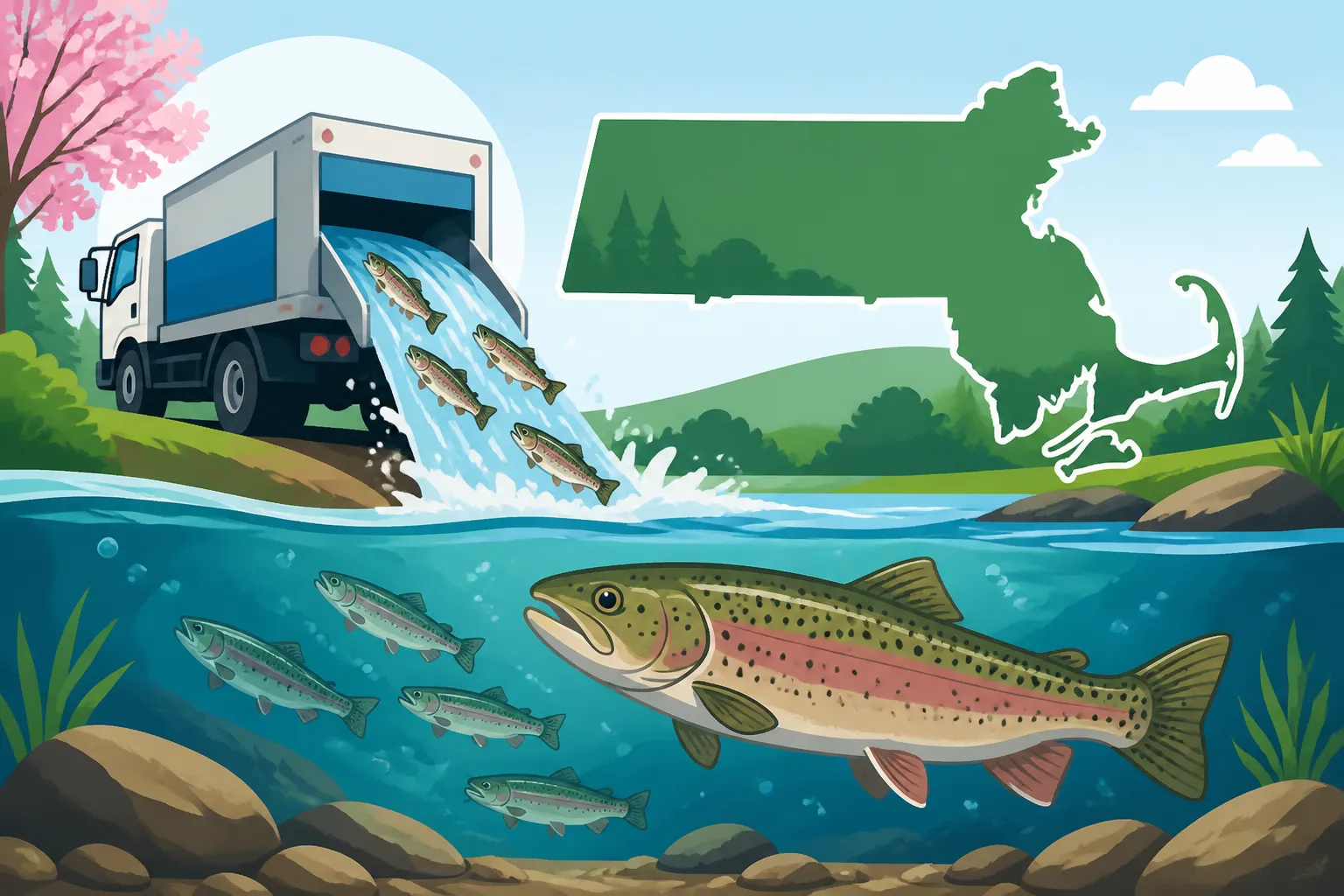
The sheer logistical challenge of transporting thousands of fish in specialized stocking trucks is immense. These trucks are equipped with aerated tanks to ensure the trout arrive at their new homes healthy and ready to be caught. It's a sophisticated operation that relies on dedicated staff and a deep understanding of fish biology and local aquatic environments. Keeping an eye on the official Massachusetts Trout Stocking Schedule is a must-do for any avid trout angler.
The Role of Hatcheries and Conservation
The backbone of this massive stocking effort lies in MassWildlife's five state-of-the-art hatcheries: Sandwich, Palmer, Belchertown, Sunderland, and McLaughlin. These facilities are where the half-million-plus trout begin their lives, growing from tiny eggs into robust, catchable-sized fish. The dedicated staff at these hatcheries are responsible for everything from feeding and tank maintenance to disease prevention, ensuring a healthy stock of fish for release each spring.
Funding for these crucial hatcheries and the entire stocking program comes primarily from the sale of fishing licenses and permits. When you purchase your Massachusetts Resident Fishing License Cost or other permits, you're directly contributing to the sustainability of these programs. Additionally, a portion of the funds from the federal Sport Fish Restoration Program, generated through excise taxes on fishing equipment and motorboat fuel, further supports these conservation initiatives.
A significant portion of the cost also comes from the Wildlands Conservation Stamp, an additional fee often included with fishing and hunting licenses. This stamp specifically funds land acquisition and habitat management, which indirectly benefits trout populations by protecting their natural environments. Understanding The Massachusetts Wildlands Conservation Stamp Explained can shed more light on where your license fees are going. These funds are vital for maintaining the hatcheries and ensuring there are places for the stocked fish to thrive. You can even find books on topics like local conservation efforts or fish species identification on Amazon, further connecting you to the broader world of fishing and wildlife.
What to Expect When Fishing for Stocked Trout
Once those trout hit the water, the real fun begins for anglers. But what kind of fish are we talking about, and how should you approach fishing for them? Knowing what to expect in terms of size and behavior, and having the right techniques in your arsenal, can make all the difference between a frustrating day and a fantastic one.
Size and Quality of Spring Stockings
While MassWildlife stocks a huge number of trout, they're not all behemoths. The vast majority of the trout stocked in the spring are "catchable-size," generally ranging from 9 to 18 inches. These are perfect for a fun day of fishing, providing plenty of action and often a tasty meal. However, MassWildlife also includes a significant number of "brood stock" trout in their spring releases.
These brood stock fish are larger, typically ranging from 18 inches and up, sometimes even pushing 20+ inches. These older, larger trout have been retired from the hatchery breeding program and are released to offer anglers a chance at a real trophy. Landing one of these larger fish can be a truly exciting experience, adding an extra thrill to the early season. To learn more about the typical dimensions of these fish, take a look at our article on the Average size of Massachusetts stocked trout.
MassWildlife takes pride in the quality of their stocked fish, ensuring they are healthy and vibrant. The goal isn't just to stock numbers, but to provide robust fish that offer a good fight. The agency has put a lot of effort into improving its hatchery operations, resulting in larger and healthier fish overall. Our piece on How MassWildlife Grows Bigger Stocked Trout provides more fascinating details on this process.
Best Practices for Anglers After Stocking
Catching recently stocked trout often requires a slightly different approach than targeting wild, resident fish. These hatchery-raised trout are accustomed to a consistent diet and tend to be less wary initially. This can make for some fast action, especially in the days immediately following a stocking event.
When it comes to bait, classic options like worms, power bait, and corn are often highly effective. Trout are opportunistic feeders, and these familiar scents and textures can be irresistible. For those who prefer lures, small spinners, spoons, and jigs in bright, flashy colors can often trigger strikes. Experimentation is key, as what works one day or in one water body might not be as successful elsewhere. Consider checking out resources like Best Lures for Stocked Trout in Massachusetts to refine your tackle box.
For fly anglers, imitations of nymphs, small baitfish, and attractor patterns can be very successful. The key is often to get your offering in front of the fish, as they may be concentrated in certain areas after being released. Sometimes, a simple retrieve is all it takes. For a comprehensive look at bait choices, our guide to the Best Bait for Trout Fishing in Massachusetts can offer valuable insights.
Many anglers find it helpful to walk the banks, casting to different areas until they locate a school of fish. Stocked trout will often cruise shorelines or gather in deeper pockets, especially if there's any current. Having a good variety of gear, easily obtainable from retailers like Amazon, allows you to adapt to the conditions and the trout's preferences on any given day.
Here's a quick overview of what MassWildlife typically stocks:
| Trout Species | Typical Spring Stocking Volume (Estimate) | Average Size (Catchable) | Max Size (Brood Stock) | Notes |
|---|---|---|---|---|
| Rainbow Trout | 250,000 – 350,000+ | 9-14 inches | 18+ inches | Most common, aggressive biters |
| Brown Trout | 100,000 – 150,000 | 9-16 inches | 20+ inches | More wary, can grow large, good fighters |
| Brook Trout | 50,000 – 100,000 | 9-12 inches | 15+ inches | Native to MA, beautiful colors, often in smaller streams |
| Tiger Trout | Limited (few thousand) | 10-16 inches | 18+ inches | Hybrid, aggressive, stocked in select locations |
Beyond Spring: Fall Stocking and Year-Round Opportunities
While spring is undeniably the biggest season for trout stocking in Massachusetts, it's important for anglers to remember that MassWildlife's efforts extend beyond just the warmer months. Understanding the full scope of the stocking program can help you maximize your fishing opportunities throughout the year.
The Importance of Fall Stocking
Beyond the massive spring releases, MassWildlife also conducts a significant fall trout stocking program. While not quite as large in scale as the spring efforts, fall stockings contribute substantially to providing year-round fishing opportunities, especially in waters that remain cool enough for trout through the colder months. These fall-stocked fish can provide excellent angling well into winter, particularly for ice fishing enthusiasts.
Fall stockings are crucial for refreshing trout populations in many ponds and lakes that see heavy angling pressure in the spring and summer. They also extend the open water fishing season for trout, allowing anglers to enjoy crisp autumn days on the water. To stay informed about these later releases, be sure to consult the Massachusetts Fall Trout Stocking Schedule. These fish can be a real treat as they often have a few months to settle in and grow a bit before being targeted.
Accessing Stocking Information
Staying up-to-date on stocking information is crucial for any dedicated trout angler in Massachusetts. MassWildlife makes this information readily available through several channels. The most common way is through their official website, where they publish weekly or even daily updates during peak stocking periods. These updates typically list the specific water bodies that have been stocked, the species, and sometimes even the number of fish.
Anglers can also sign up for email notifications or follow MassWildlife's social media channels to receive timely alerts. Knowing When Massachusetts trout stocking starts in 2026 is the first step, but staying informed throughout the season is what truly makes a difference. Many anglers also rely on online fishing forums and local bait shops for real-time intel from fellow enthusiasts.
Beyond stocking schedules, it's vital to be familiar with the broader fishing regulations and seasons in Massachusetts. Our comprehensive guide to Massachusetts Fishing Seasons Explained can help you plan your entire year of angling adventures, ensuring you're always fishing legally and effectively. With a little planning and the right information, perhaps even some specific fishing apps found on Amazon, you can enjoy the incredible trout fishing opportunities Massachusetts has to offer, year after year.
Disclaimer
The information provided in this guide is for general informational purposes only and is subject to change. Always consult the official Massachusetts Division of Fisheries and Wildlife (MassWildlife) regulations and website for the most current and accurate information regarding fishing licenses, stocking schedules, and bag limits before heading out to fish. Fishing conditions can vary, and responsible angling practices are encouraged.