Best month to catch yellow perch
There’s nothing quite like the thrill of catching a feisty yellow perch, especially when they’re schooling up and biting aggressively. But if you’ve ever found yourself wondering why some days you fill your bucket and others you barely get a nibble, it’s probably because you haven’t quite dialed into the seasonal patterns that make these fish so predictable. This guide is all about helping you pinpoint the best months to target yellow perch in Massachusetts, diving deep into their behavior so you can increase your chances of a successful outing.
Understanding the Yellow Perch Cycle in Massachusetts Waters
Yellow perch are a cornerstone of freshwater fishing in Massachusetts, known for their distinctive stripes and delicious fillets. But like all fish, their behavior is heavily dictated by water temperature and their biological imperative to feed and reproduce. Understanding these cycles is key to knowing when and where to find them in abundance. It’s not just about tossing a line in; it's about connecting with the rhythm of the water.
The Impact of Water Temperature on Perch Behavior
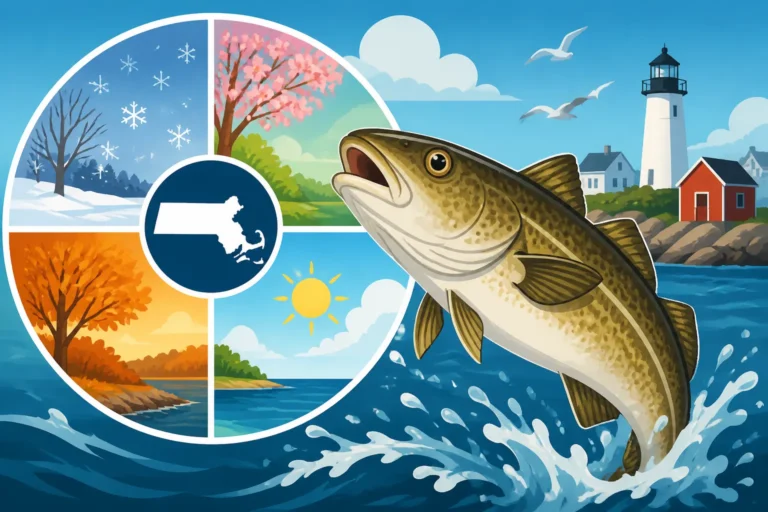
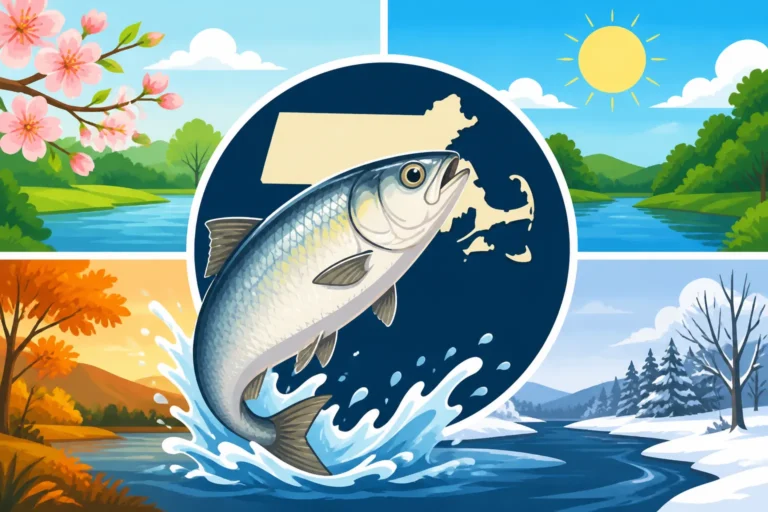
Think of water temperature as the yellow perch’s master clock. As the seasons change, so does the water temperature, prompting perch to move, feed, and spawn. In colder water, their metabolism slows down, making them less active. They'll still feed, but often in deeper, more stable areas. As the water warms, their metabolism picks up, and they become more aggressive feeders, often moving into shallower zones. Conversely, when water gets too warm in the peak of summer, they can become sluggish again, seeking out cooler, deeper refuges. This constant ebb and flow means that the "best month" isn't just one month, but rather periods where conditions align perfectly with their active feeding or schooling behaviors.
Massachusetts' diverse water bodies, from small ponds to large lakes, all experience these temperature shifts, albeit at slightly different rates. A shallow pond will warm and cool faster than a deep glacial lake, influencing when and where perch become active. This is a crucial detail for anglers, as knowing your local waters' characteristics can give you a significant advantage. For instance, a pond that holds good perch might be an early ice-out spot, offering a jumpstart on spring fishing.
Schooling Patterns Throughout the Year
One of the most exciting aspects of yellow perch fishing is their tendency to school. When you find one, you often find many! These schooling patterns, however, aren't constant. They shift dramatically with the seasons, driven by both feeding opportunities and spawning rituals. In cooler water, especially late fall and winter, perch form tight, dense schools, often congregating in deeper basins or along drop-offs. This behavior makes them prime targets for ice anglers or those using electronics to locate structure.
As spring approaches, these schools begin to spread out as perch prepare to spawn. After spawning, they might disperse further as they aggressively feed to regain energy. By summer, schools can be looser, often associating with weed lines, submerged structures, or even suspended in the water column over deeper areas. Come fall, as temperatures drop, they start to tighten up again, preparing for the winter congregation. Knowing these patterns means you're not just casting blindly, but actively targeting where the fish are most likely to be holding. It makes all the difference between a few scattered catches and a truly memorable day out on the water.
Winter: The Prime Time for Massachusetts Yellow Perch
Hands down, for many seasoned anglers in Massachusetts, winter is often heralded as the absolute best month—or rather, season—to target yellow perch. There’s something truly special about ice fishing for perch; the cold air, the camaraderie, and the incredible bite when you hit a school. It's a game-changer if you've never tried it, and a tradition for many who love Ice Fishing in Massachusetts.
January and February: Peak Ice Fishing Action
When the ice gets safe and thick across Massachusetts, typically from January through February, yellow perch become a primary target. During these months, perch are often found in large, concentrated schools in deeper waters, congregating along drop-offs, humps, or near the entrances to shallow bays. They're still actively feeding, but their movements are more predictable, making them easier to locate for diligent ice anglers. Once you find a school, you can often stay on them for hours, enjoying consistent action.
The beauty of ice fishing for perch in these months is that the fish are less scattered. They're not chasing bait all over the lake; rather, they're often holding tight to structure. This means when you drill your holes and drop your line, you’re either right on top of them or you need to move a short distance. Portable fish finders are invaluable during this time, allowing you to quickly scan areas for those telltale arcs indicating a school below. I remember one February outing on Lake Quinsigamond where we drifted over a submerged hump, and the fish finder lit up like a Christmas tree. We drilled a half-dozen holes, and it was non-stop action for what felt like forever – those perch were stacked!
Key Techniques for Winter Perch Success
To truly capitalize on the winter perch bite, a few techniques stand out. Jigging is by far the most popular and effective method. Small jigging spoons, like the popular Swedish Pimple or Kastmaster, tipped with a small piece of bait (a minnow head, a wax worm, or a piece of Berkley Gulp! Maggot) are deadly. The flash and vibration of the spoon, combined with the scent and subtle movement of the bait, are irresistible to schooling perch. Vary your jigging retrieve: short, sharp lifts, subtle shakes, and pauses are all important. Sometimes they want aggressive action, other times a delicate finesse presentation.
Another highly effective technique is using tip-ups or bobbers with live bait. Small shiners or fathead minnows, fished a foot or two off the bottom, can be incredibly productive, especially for those larger "jumbo" perch. Setting up several tip-ups around your jigging holes allows you to cover more water and ascertain the spread of the school. Remember to check Massachusetts Freshwater Daily Catch Limits to ensure you're fishing responsibly. The right gear is crucial for comfort and success on the ice; you'll want a good ice fishing rod, a reliable reel, and plenty of warm layers. Many anglers find great deals on specialized Best Ice Fishing Gear for Massachusetts Winters from retailers like Amazon, making it easy to get ready for the season.
| Season | Best Months | Perch Behavior | Preferred Location | Recommended Techniques & Bait |
|---|---|---|---|---|
| Winter | January, February | Tight schools, slower metabolism, active feeding | Deeper basins, drop-offs, humps | Jigging spoons (tipped), small minnows on tip-ups, jigs |
| Early Spring | March, Early April | Pre-spawn staging, actively feeding, moving shallow | Shallower areas near deeper water, emerging weeds | Small jigs, minnows, worms, light tackle spinning |
| Late Spring | Late April, May | Post-spawn, aggressive feeding, spreading out | Weed lines, submerged structures, flats | Crankbaits, spinners, jigs, worms, small plastics |
| Summer | June, July, August | Seeking cooler water, less aggressive during day | Deeper thermocline, shady areas, dense weeds | Finesse jigs, drop-shot rigs, light line, early/late bites |
| Fall | September, October, November | Schooling up again, aggressive feeding for winter prep | Transition areas, drop-offs, flats with baitfish | Small crankbaits, spoons, jigs, shiners, soft plastics |
Spring and Fall: Transitional Perch Opportunities
While winter might hold the crown for concentrated perch fishing, the shoulder seasons of spring and fall offer fantastic open-water opportunities that shouldn't be overlooked. These are periods of significant transition, and if you know what to look for, you can find some incredible yellow perch action.
Early Spring: Pre-Spawn Frenzy in March
As the ice finally recedes in March, and sometimes into early April, a unique window opens for yellow perch. This is their pre-spawn period, and they become incredibly active feeders. They’re looking to pack on calories before the rigors of spawning, which typically occurs when water temperatures are in the 45-50°F range. During this time, perch will often stage in shallower areas adjacent to deeper water – places where they can quickly move to warmer water to feed but retreat to comfort if needed. Think about the first drop-offs near inlets or sun-drenched northern shorelines that warm up faster.
Fishing in early spring can be incredibly rewarding. Small jigs, often dressed with a grub or a tiny minnow, are very effective. You'll want to use light line and a sensitive rod to detect those subtle bites in the still-cold water. I recall a stunning day in a local pond in Essex County right after ice-out, where the perch were absolutely stacked in a shallow cove. We were using tiny tubes and even catching them on classic red and white bobber rigs with worms. It’s a great time to be on the water, shaking off the winter blues and enjoying the crisp air. The perch are hungry, and often, you're among the first boats out, enjoying the peaceful quiet before the summer crowds arrive.
Fall: Feeding Ahead of Winter in October and November
Just as spring sees perch gearing up for spawning, fall sees them bulking up for winter. As water temperatures begin to drop in October and November, yellow perch become incredibly active feeders, trying to store energy for the long, lean months under the ice. This makes autumn another fantastic time to target them, especially before the full freeze-up. They’ll often be found in areas where baitfish are congregating, such as along weed lines that are starting to die back, around submerged structures, or cruising flats.
In fall, perch will aggressively strike at a variety of lures. Small crankbaits that imitate baitfish, inline spinners, and jigging spoons can be very effective. Live shiners, fished under a slip bobber or slowly retrieved, are also deadly. The key is often finding those transitional zones where deeper water meets shallower feeding grounds. If you're looking for Best freshwater ponds and lakes in Massachusetts to try this technique, consider larger bodies of water that hold healthy bait populations, as perch will follow their food source. Anglers often find this a serene time to fish, with fewer people on the water and the beautiful foliage creating a stunning backdrop. It’s a rewarding period for those who love to feel that distinct perch tug on their line.
Gear, Bait, and Tactics for Massachusetts Perch
Catching yellow perch effectively isn't just about knowing when to fish; it's also about having the right tools and techniques. While perch aren't known for being incredibly picky, certain approaches will consistently outperform others. This is where understanding your tackle and bait choices can truly shine.
Essential Tackle for Perch Fishing
Yellow perch, especially the smaller ones, have delicate mouths and often subtle bites, so light tackle is your best friend. A good ultralight to light action spinning rod, typically in the 5 to 6.5-foot range, paired with a small spinning reel (size 1000 or 2000) spooled with 4-6 pound test monofilament or fluorocarbon line, is ideal. This setup allows for accurate casts of small lures and the sensitivity needed to feel those light bites. For ice fishing, specialized ice fishing rods, much shorter and stiffer, are used to manage line in a small hole and provide good leverage. You can find excellent, sensitive rods and reels perfect for perch fishing, often with great reviews, on platforms like Amazon.
Beyond the rod and reel, having a variety of small lures and jigs is crucial. Think tiny jigging spoons, small soft plastic grubs or worms (1-2 inches), tiny crankbaits, and even small inline spinners. Always carry a selection of small hooks (size 6-10), split shots, and bobbers. A small tackle box that's easy to carry is invaluable, especially if you're hiking into a remote pond or moving between ice fishing spots. Don't forget a pair of needle-nose pliers for hook removal and a small cooler for keeping your catch fresh.
Top Baits for Enticing Yellow Perch
When it comes to bait, yellow perch are not typically fussy eaters, but some options are definitely more effective than others. Live bait often reigns supreme, especially in colder water. Small minnows, such as fatheads or shiners, are irresistible to perch. You can rig them on a small jig head, under a bobber, or on a simple hook with a split shot. Just make sure your minnows are lively! Worms, particularly small pieces of nightcrawlers or red worms, are another classic perch catcher, especially for panfish generally.
For artificial baits, as mentioned before, small jigging spoons are a wintertime staple. In open water, tiny soft plastic grubs, especially in natural colors like brown, green pumpkin, or white, fished on a 1/16 to 1/8 ounce jig head, can be incredibly effective. Small tube jigs also mimic injured baitfish or aquatic insects, which perch love. Don't underestimate the power of a tiny inline spinner or a micro crankbait, especially when perch are actively feeding in shallower water. To learn more about specific bait types, check out our guide on the Best bait for yellow perch. Experimentation is key; sometimes what works one day won't work the next, so always have a variety of options ready.
Locating Perch in Different Seasons
Finding yellow perch is a dynamic process that changes with the season. In winter, as we've discussed, focus on deeper water structures like humps, channel edges, and drop-offs. A fish finder is almost essential for ice fishing success. In spring, look for those warmer, shallower areas adjacent to deeper water, often near emerging weed beds or rocky points. Perch will use these areas to feed and spawn.
During the warmer summer months, perch often retreat to cooler, deeper water during the hottest parts of the day, moving shallower at dawn and dusk. Targeting submerged structure, the thermocline (if present in deeper lakes), or dense weed beds can be productive. In the fall, as water cools, perch will follow baitfish into shallower flats and coves, but will also stage on deeper drop-offs as they begin to school up again. Using topographic maps of lakes and ponds to identify these features can save you a lot of time. Our comprehensive guide on Yellow Perch Fishing in Massachusetts offers even more location-specific tips. Learning to "read the water" and understanding where perch should be based on the season and conditions is a skill that develops over time, and it's what truly separates the occasional angler from the consistently successful one.
Disclaimer
This article is for general informational purposes only and does not constitute professional advice. Laws, prices and regulations vary by location and change over time. Consult a qualified professional for guidance on your specific situation.