Best technique for catching crappie in Massachusetts
It's incredibly frustrating when you're out on a beautiful Massachusetts pond or lake, you know there are crappie lurking, but they just won't bite. They can be elusive little panfish, often requiring a specific approach to coax them into striking, especially when other anglers are struggling. This guide is all about equipping you with the best techniques and insights to consistently catch crappie in Massachusetts waters, turning those frustrating days into successful, enjoyable outings.
Understanding Massachusetts Crappie Habits and Habitats
Crappie, whether black or white, are fascinating fish that have distinct preferences when it comes to where they live and when they feed. Cracking the code to crappie fishing in Massachusetts starts with understanding these fundamental behaviors. Knowing where and when to find them is half the battle, and honestly, it’s where many folks get stuck. They're not always out in the open, begging to be caught!
Where Crappie Hang Out: Shallow vs. Deep Water
Crappie are true structure lovers. They absolutely adore cover, and you’ll rarely find them just swimming aimlessly in open water. Think of them as shy homebodies who like to stick close to their comfort zones.
- Shallow Water Havens: In the spring, when the water warms up, crappie migrate to shallower areas for spawning. You'll find them around fallen trees, submerged brush, lily pads, cattails, and even old docks or boat lifts. These spots offer protection from predators and plenty of ambush points for small baitfish and insects. Look for areas with a mix of cover and a slightly harder bottom, usually in water ranging from a few feet deep to maybe 8-10 feet. This is when they're most accessible to shore anglers.
- Deep Water Retreats: As summer progresses and water temperatures rise, crappie often move to deeper, cooler water. They'll still seek out structure, but now it might be deeper weed lines, submerged humps, artificial fish attractors, or bridge pilings that extend into deeper sections of a pond or lake. During this time, they’re often suspended in the water column, rather than right on the bottom, making them a bit trickier to pinpoint. In the winter, under the ice, they'll typically school up in deeper basins, often near structures like old stumps or channel edges. Understanding these seasonal movements is crucial to your success, as fishing the wrong depth can mean going home empty-handed.
When Crappie Are Most Active: Time of Day and Year
Crappie have definite peak activity times, and while you can catch them throughout the day, focusing your efforts during these periods will dramatically increase your chances.
- Spring Spawning Frenzy: Hands down, spring is prime crappie time in Massachusetts. As water temperatures climb into the 50s and low 60s, crappie move into the shallows to spawn. They become incredibly aggressive as they protect their nests and feed heavily. This is when you can often catch multiple fish in a single spot. The best time to catch crappie in Massachusetts usually aligns with this pre-spawn and spawn period, typically from late April through May, depending on the specific body of water and weather patterns.
- Summer and Fall Patterns: In summer, crappie often feed most actively during low-light conditions – think early morning, late evening, or even into the night. During the bright, hot midday, they’ll often be lethargic and hunkered down in deep cover. As fall arrives, and water temperatures cool down, crappie start feeding heavily again to fatten up for winter. They'll often school up tighter, making them easier to locate once you find a school.
- Winter Ice Fishing: Don't count out winter! Many Massachusetts anglers enjoy ice fishing for crappie. Under the ice, crappie are still active, though their metabolism slows. They’ll often hold in deep water near structure or channels and can be caught throughout the day, with low-light periods still often producing the most consistent bites. When ice fishing, you'll want to target these deep pockets and use very small, subtle presentations.
Essential Gear for Massachusetts Crappie Fishing
You wouldn't use a sledgehammer to drive a finish nail, right? The same principle applies to crappie fishing. These fish have surprisingly soft mouths and often a very subtle bite, so using the right gear is paramount. Many anglers get frustrated because they're using gear meant for bigger fish, and crappie feel like nothing, or they tear off the hook.
Rods, Reels, and Line: Keeping It Light and Sensitive
Using ultralight tackle isn't just a suggestion for crappie; it's practically a requirement for maximizing your success and enjoyment.
- Rods: An ultralight or light-action spinning rod, typically 5 to 7 feet long, is ideal. The sensitive tip of such a rod allows you to detect even the faintest of crappie bites, which can sometimes feel like nothing more than a slight "tick" or added weight on your line. A fast action tip combined with a flexible backbone provides enough power to set the hook without ripping it out of a crappie's delicate mouth, and enough give to play the fish comfortably. If you're fishing docks or dense cover, a slightly shorter rod (around 5'6") can offer better maneuverability, while open water or long casting might benefit from a 6'6" or 7' rod.
- Reels: Pair your sensitive rod with a small spinning reel, something in the 500 to 1000 size range. These reels are lightweight and perfectly balanced for ultralight rods. Smooth drag is absolutely critical, as crappie can make short, powerful runs, and a sticky drag will inevitably lead to lost fish. A good quality reel will also allow for precise casting of small baits and jigs.
- Line: When it comes to line, lighter is almost always better for crappie.
- Monofilament: 4-6 pound test monofilament is a classic choice. It has a bit of stretch, which acts as a shock absorber, helping to prevent hooks from tearing out. It's also relatively inexpensive.
- Fluorocarbon: If you want increased sensitivity and invisibility, 4-6 pound test fluorocarbon is fantastic. It sinks faster than mono and is nearly invisible underwater, which can be a huge advantage when crappie are finicky. However, it has less stretch, so you need to be mindful of your hookset.
- Braided Line: Some anglers opt for 6-10 pound braided line for its extreme sensitivity and casting distance, especially when fishing deeper water or heavy cover. If you go this route, you must tie on a 2-4 foot leader of fluorocarbon or monofilament (4-6 lb test) to provide that necessary stretch and invisibility. You can find a great selection of all these line types and more fishing essentials online, often from retailers like Amazon, ensuring you have the right tools for the job.
Baits and Lures: What Crappie Can't Resist
Crappie are primarily sight feeders, but scent and movement play a huge role. Their diet mostly consists of small baitfish, insects, and crustaceans, so your offerings should mimic these natural food sources.
- Live Bait: Nothing beats a lively minnow for crappie, especially when they're being picky. Small fathead or shiner minnows are excellent. Hook them lightly through the lips or just behind the dorsal fin, allowing them to swim naturally. Presentation is key: a single hook (size 4 to 8) under a small bobber, or simply tight-lining a minnow into deep cover, can be deadly. Wax worms or small pieces of nightcrawler can also work, especially for crappie that are feeding on insect larvae.
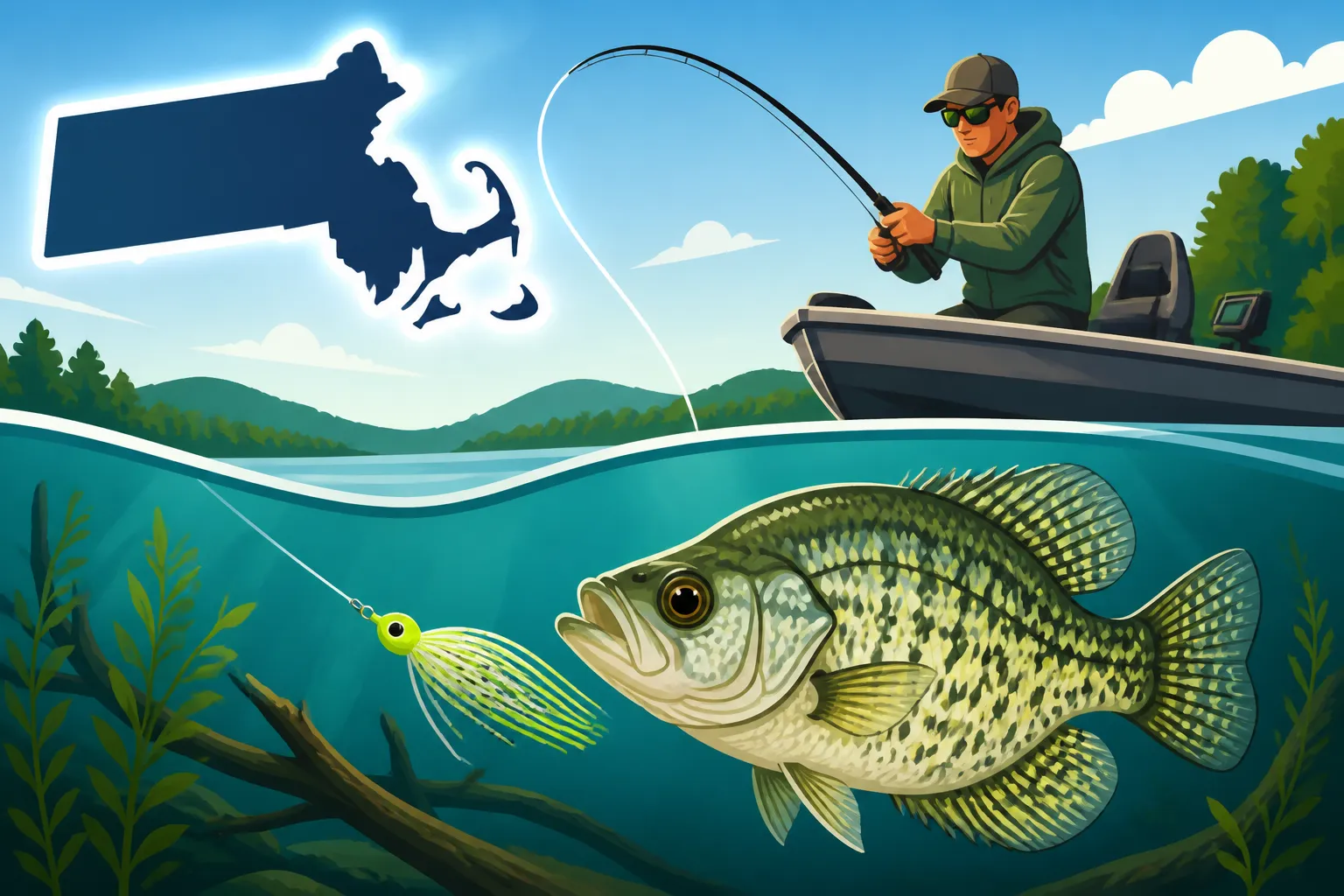
- Jigs: Jigs are perhaps the most versatile and popular crappie lure. They come in an endless array of colors, sizes, and styles.
- Tube Jigs: Small tube jigs (1/32 to 1/8 oz) in colors like white, chartreuse, black, or smoke with glitter are incredibly effective. The tentacles provide a subtle pulsing action crappie can't resist.
- Grub Tails & Curly Tails: Small plastic grubs or curly-tail jigs (same weight range) also produce excellent results. The tail wiggles enticingly on the retrieve or on the drop.
- Hair Jigs: Traditional marabou or bucktail jigs offer a natural breathing action in the water, especially effective for subtle bites.
- Crappie Jigs with Scent: Don't underestimate the power of scent. Many jigs are now pre-scented or designed to hold scent attractants. Adding a dab of crappie attractant can turn a slow day into a productive one. You can easily stock up on a variety of jigs and scent additives from online stores like Amazon, allowing you to experiment with different options without breaking the bank.
- Small Crankbaits and Spoons: For actively feeding crappie, especially those suspended in open water or around deeper structure, small lipped crankbaits that dive to crappie depth can be very effective. Choose lures in natural baitfish patterns or bright, attracting colors. Tiny spoons (1/16 to 1/8 oz) are also excellent, particularly for vertical jigging through the ice or in deep water. Their flash and flutter mimic injured baitfish, often triggering aggressive strikes.
Top Techniques for Enticing Crappie Bites
Once you understand crappie and have your gear ready, it's time to put those skills to the test. There are several go-to techniques that consistently produce crappie in Massachusetts, each suited for different conditions and angler preferences.
Jigging and Tipping: The Classic Crappie Combo
This is probably the most common and effective way to catch crappie, offering a blend of finesse and versatility.
- Vertical Jigging: When crappie are schooled up tight or holding directly under structure (like docks, bridges, or submerged timber), vertical jigging is deadly. Drop your jig or tipped minnow straight down to their depth. Give your rod tip a subtle twitch or two, then let the lure pause. Many times, the bite will occur on the fall or during the pause, feeling like a slight weightlessness or a tap. This technique is fantastic for pinpointing exact depths where crappie are holding. It's often the preferred method when you see crappie stacked on a fish finder screen.
- Casting and Retrieving: For crappie scattered along a weed line or cruising shallower flats, casting a small jig and retrieving it slowly is effective. Use a steady, slow retrieve with occasional pauses or slight twitches of the rod tip. The goal is to make the jig appear like an easy meal. Vary your retrieve speed and depth until you find what the crappie prefer on that particular day. Sometimes a straight retrieve works, other times a stop-and-go retrieve triggers more bites.
- Fishing with a Bobber: This is a fantastic method for beginners and experienced anglers alike, particularly when crappie are in shallower water or near visible cover. Rig your jig or live minnow under a small, sensitive bobber (slip bobbers are great for adjusting depth easily). Cast it near cover and let it sit. The bobber suspends your bait at a constant depth, allowing the crappie to find it without you having to constantly work the lure. When the bobber dips, moves sideways, or lays flat, set the hook! The key here is a small bobber that offers minimal resistance, as crappie can be very sensitive to unnatural drag.
- Tipping for Success: To make your jigs even more irresistible, consider tipping them. A small piece of a minnow, a wax worm, or a "crappie nibbler" (small, scented, often biodegradable baits) can add scent and natural appeal to your artificial jig. This combination is often the ultimate crappie magnet, especially when the fish are hesitant to strike artificials alone. The added scent can often trigger a reaction bite even from less active fish.
Spider Rigging and Trolling: Covering More Water
When crappie are dispersed or holding in deeper, open water, these techniques allow you to cover more ground and find the fish more efficiently.
- Spider Rigging: This technique is all about maximizing your chances by presenting multiple baits at various depths simultaneously. It involves using several long rods (often 10-16 feet) extended from the front or sides of a boat, resembling a "spider." Each rod is rigged with a jig or live bait, and the boat is moved very slowly (often with an electric trolling motor) over crappie-holding structure. This allows you to quickly determine the preferred depth and bait of the day. It’s incredibly effective on larger Massachusetts lakes and ponds where crappie might be scattered, and you're trying to locate schools.
- Slow Trolling: Similar to spider rigging but often with fewer rods and typically used with jigs or small crankbaits. You can troll jigs or minnows behind the boat at a very slow speed, using your boat's movement to impart action to the lure. Trolling can be particularly effective when crappie are suspended over deeper flats or along channel edges, allowing you to present your bait at a consistent depth over a long distance. Pay attention to your fish finder to identify crappie schools and adjust your depth accordingly.
Ice Fishing for Crappie: Winter Wonders
Don't let the cold keep you inside! Ice fishing is a popular and productive way to catch crappie in Massachusetts, especially once stable ice forms on your favorite ponds and lakes.
- Jigging Spoons and Small Jigs: When ice fishing, crappie often respond well to very small jigging spoons (1/32 to 1/8 oz) or tiny tungsten jigs tipped with a grub or a few wax worms. The key is a subtle presentation. Drop your lure down to the crappie's depth (again, a flasher or fish finder is invaluable here), and gently lift and drop your rod tip, creating a small jigging motion. Crappie bites can be incredibly light through the ice, sometimes just a slight stop in the line or a tiny bump. You can find all the necessary ice fishing gear, from tiny jigs to ice fishing rods and specialized electronics, ready to order from places like Amazon.
- Finding Crappie Under Ice: Crappie typically school up in deeper basins during winter, often near structure like sunken brush piles, old foundations, or channel breaks. Drilling a series of holes to search for fish is common. Once you find a school on your electronics, stay put! Crappie will often move through a specific area, and if you're patient, they'll come back around. Sometimes, a "dead stick" (a second rod with a plain minnow or worm suspended under a bobber in another hole) can outfish your actively jigged rod. The fish are often light biters, and a stationary offering can be more appealing. Just remember to check the Massachusetts Ice Fishing Safety and Ice Thickness guidelines before heading out.
Common Massachusetts Crappie Fishing Scenarios and Tips
Even with the right gear and techniques, crappie can sometimes throw you a curveball. Being prepared for different scenarios and having a few extra tricks up your sleeve can make all the difference.
Fishing Docks and Structures
Docks, piers, and other man-made structures are crappie magnets, offering shade, cover, and ambush points. However, fishing them effectively requires a bit of finesse.
- Flipping and Pitching: Instead of making long casts, use short, accurate flips or pitches to place your jig precisely under dock pilings, next to boat lifts, or deep into shadowed areas. This minimizes splash and keeps your presentation stealthy. Crappie under docks are often easily spooked.
- Focus on Shade: During sunny days, crappie will often congregate in the deepest, shadiest parts of a dock or bridge. Target these areas diligently. The cooler water and reduced light make them feel secure.
- Work All Depths: Crappie can suspend at various depths around structures. Don't just fish the bottom. Start by letting your jig fall slowly, counting it down. If you get a bite at a certain depth, try to replicate it. Pay attention to any suspended marks on your fish finder around these structures.
Dealing with Finicky Crappie
Sometimes, crappie just don't want to cooperate. They might show up on your fish finder but refuse to bite. This is when you need to switch things up.
- Downsize Your Bait: If your usual 1/16 oz jig isn't working, try dropping down to a 1/32 or even a 1/64 oz jig. Sometimes a smaller profile is all it takes. This goes for live bait too; a smaller minnow can often entice a hesitant crappie.
- Slow Down Your Retrieve: A common mistake is retrieving too fast. Crappie are not usually aggressive chasers. Slow down to a snail's pace, adding longer pauses. Let the lure flutter and sink naturally.
- Change Colors: While certain colors (chartreuse, white) are perennial favorites, crappie can be particular on any given day. If one color isn't working, cycle through several others. Sometimes a subtle natural color, or even black, can be more effective than a bright, flashy one, especially in clear water.
- Water Clarity: In clear water, line visibility becomes more important. Opt for fluorocarbon leaders. In stained or murky water, brighter colors and lures with more vibration might be more effective.
Locating Crappie in Different Waters
Finding crappie is often the biggest challenge. They are schooling fish, so once you find one, you're likely to find more.
- Using Electronics: A good fish finder (especially a side-imaging or down-imaging unit, or a flasher for ice fishing) is your best friend for locating crappie. Look for schools of baitfish, which often indicate crappie are nearby. Crappie often appear as distinct arcs or blobs on a traditional sonar. Pay close attention to subtle changes in depth, submerged timber, or even schools of suspended fish that could be crappie.
- Observe Other Anglers: While it's important to respect space and privacy, observing where other successful crappie anglers are fishing can provide valuable clues. If you see several boats or ice shacks clustered in one area, it's a good bet the crappie are there.
- Talk to Local Bait Shops: Bait shop owners and staff are often a goldmine of local information. They know which lakes are producing, what baits are working, and even specific areas where crappie have been caught. Don't be shy about asking for tips when you pick up your bait. They often have the most up-to-date intel on local fishing conditions.
- Check MassWildlife Resources: The Massachusetts Division of Fisheries and Wildlife (MassWildlife) provides excellent resources, including lake and pond maps, and information on fish populations. These resources can help you identify suitable crappie habitat in various bodies of water across the state. Remember to always ensure you have a valid Massachusetts Fishing License Guide before heading out.
Finding these elusive panfish can take a little patience and a willingness to adapt, but with the right techniques, you'll be enjoying stringers full of crappie in no time. If you're looking for Massachusetts Freshwater Daily Catch Limits, that's another helpful resource to review before your trip. You might also want to check out information on Massachusetts Freshwater Fishing License Costs and Rules to ensure you're fully compliant with regulations.
| Technique | Description | Best Conditions | Pros | Cons |
|---|---|---|---|---|
| Vertical Jigging | Dropping a jig or tipped minnow directly to target depth, subtle twitches. | Crappie schooled tight, directly under structure, deep water. | Precise presentation, good for pinpointing schools. | Requires active fish, can be slow to cover water. |
| Casting & Retrieving | Casting a jig near cover and retrieving slowly with pauses/twitches. | Crappie scattered along weed lines, shallower flats. | Covers more water than vertical jigging, effective for active fish. | Less precise depth control, can be less effective for finicky fish. |
| Fishing with a Bobber | Suspending live bait or a jig under a small float near cover. | Crappie in shallow water, near visible cover, beginners. | Easy to use, excellent for light bites, keeps bait at consistent depth. | Limited to shallower depths, less active presentation. |
| Spider Rigging | Using multiple long rods from the front of a boat, moving slowly. | Dispersed crappie in open/deeper water, searching for schools. | Covers maximum water, presents multiple options, very efficient. | Requires specialized long rods, boat needed, can be cumbersome. |
| Ice Fishing | Jigging small spoons or jigs through holes in the ice. | Winter months, stable ice conditions, deep basins. | Excellent for schooled crappie, can be very productive. | Requires specialized gear, weather dependent, safety concerns. |
Don't forget that regulations for specific bodies of water, like the Quabbin Reservoir Fishing Permits and Rules in Massachusetts or Wachusett Reservoir Fishing Access Rules in Massachusetts, can have unique rules, so always check before you go. Having your Massachusetts Fishing Regulations Pamphlet Explained handy is always a good idea. Knowing How MassFishHunt Works for Buying a Massachusetts License is essential for compliance. Additionally, if you're traveling from out of state, be sure to understand the Massachusetts Fishing License for Nonresidents requirements.
Disclaimer
This article is for general informational purposes only and does not constitute professional advice. Laws, prices and regulations vary by location and change over time. Consult a qualified professional for guidance on your specific situation.