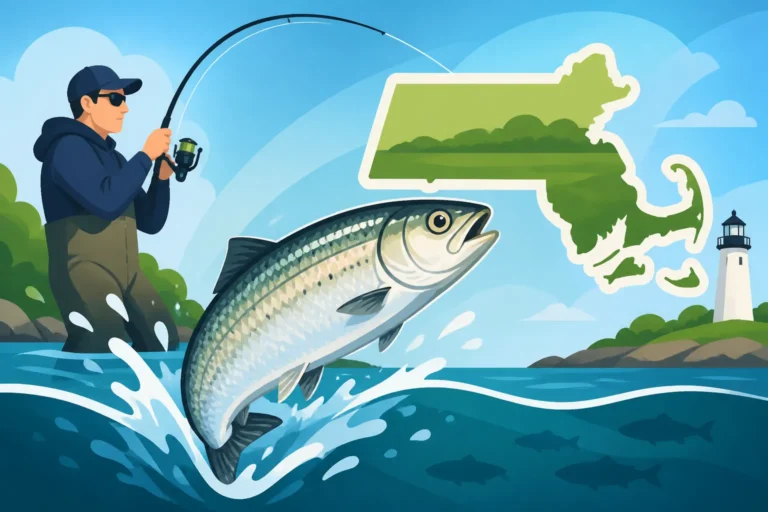
When black sea bass season opens in Massachusetts
The anticipation for black sea bass season in Massachusetts can be a rollercoaster. You spend the colder months dreaming of those feisty, delicious bottom dwellers, but figuring out exactly when you can legally start targeting them often feels like chasing a moving target. It’s frustrating when you just want to get out on the water, but the regulations aren't always crystal clear. This guide is here to cut through the confusion, explaining when black sea bass season typically opens in Massachusetts, detailing the important rules you need to follow, and offering tips to help you make the most of your fishing trips.
Understanding the Massachusetts Black Sea Bass Season Opening
Every year, countless anglers across Massachusetts eagerly await the opening of black sea bass season. It's one of those fisheries that signals the true arrival of warmer weather and promises some fantastic light-tackle action and delicious table fare. However, pinning down the exact opening date can feel like a bit of a moving target, and that's often where the frustration for many passionate anglers begins.
Why Opening Dates Matter and How They're Set
The opening dates for black sea bass season aren't just pulled out of a hat; they're the result of extensive scientific research, stock assessments, and management decisions made by state and federal agencies. In Massachusetts, the Division of Marine Fisheries (DMF) plays a crucial role, but they also operate within a larger framework established by regional bodies like the Atlantic States Marine Fisheries Commission (ASMFC) and the Mid-Atlantic Fishery Management Council (MAFMC). These organizations work tirelessly to ensure the black sea bass population remains healthy and sustainable for generations to come.
Think of it this way: these agencies are like the guardians of our marine resources. They look at data on how many fish are out there, how many are being caught, and what environmental factors are affecting them. If the stock is booming, they might allow for a more generous season. If there are concerns, they might tighten things up. This scientific approach is vital, even if it sometimes means waiting a little longer for that first cast of the season. It’s all about conservation, and while it can be tough to be patient, it ensures we'll have black sea bass to catch next year, and the year after that. Understanding this bigger picture helps contextualize why those dates can seem to shift. For a broader overview of how all these seasons work, check out our guide on Massachusetts Fishing Seasons Explained.
Typical Start Times for Recreational Anglers
Historically, the recreational black sea bass season in Massachusetts has generally kicked off in late May or early June. This timeframe is when water temperatures in our inshore and nearshore waters start to warm up sufficiently, bringing these bottom-dwelling fish closer to shore and into more accessible depths for recreational anglers. They're migratory, moving north into our waters as the spring progresses.
While "late May to early June" is a good general guideline, it's absolutely crucial to understand that the precise opening date can, and often does, vary from year to year. These dates are usually announced by the Massachusetts Division of Marine Fisheries (DMF) closer to the actual season. Anglers are highly encouraged to check the official DMF website or the MassFishHunt portal as the spring approaches. A simple search for "Massachusetts black sea bass regulations" will usually get you to the most current information. The early part of the season can sometimes be a bit hit-or-miss, depending on how quickly the water warms up and how spread out the fish are. The peak season for black sea bass often runs through the summer months, offering consistent action.
Navigating Black Sea Bass Regulations and Limits
Once the season opens, knowing the specific rules is just as important as knowing the date itself. Nothing ruins a great day of fishing faster than realizing you’ve inadvertently broken a regulation. Black sea bass have very specific size and bag limits in Massachusetts, and these are put in place for the health of the fishery.
Recreational Size and Bag Limits in Detail
The black sea bass fishery is carefully managed, and that means strict rules on what you can keep. As a recreational angler, you need to pay close attention to both the minimum size limit and the daily bag limit.
Let’s talk about the minimum size. In recent years, the recreational minimum size limit for black sea bass in Massachusetts has often been set at 16.5 inches. This means any black sea bass you catch must be at least 16.5 inches long from the tip of its snout to the end of its tail (often measured with the tail pinched) to be legally kept. Catching a fish that's just a hair under can be disheartening, but it's vital to release it quickly and gently to help ensure it survives and contributes to future populations. Always carry a reliable measuring device with you, like a rigid fish ruler or a soft measuring tape. For a comprehensive look at all the rules, our guide on Massachusetts Recreational Fishing Rules and Bag Limits is a must-read.
Beyond size, there's also a daily bag limit, which dictates how many black sea bass you can keep per person, per day. This limit has typically been 5 fish per angler in Massachusetts. However, these regulations, especially the bag limits, can sometimes change depending on the management area or even during different segments of the season. Always verify the most up-to-date information before heading out. These limits aren't arbitrary; they're set to ensure that enough fish remain in the population to reproduce and maintain a healthy stock.
The Role of Your Massachusetts Saltwater Permit
Before you even think about casting for black sea bass, you absolutely need to make sure your paperwork is in order. For any saltwater fishing in Massachusetts, including targeting black sea bass, a valid Massachusetts Saltwater Recreational Fishing Permit Explained is mandatory. This isn't just a suggestion; it's a legal requirement for anyone aged 16 and older.
The good news is that obtaining this permit is relatively straightforward. You can easily purchase it online through the MassFishHunt system, which is the state's official licensing platform. It’s a quick process, and you’ll receive proof of your permit almost instantly. This permit covers you for most recreational saltwater species, including black sea bass, flounder, striped bass, and bluefish. While it might seem like just another hoop to jump through, the fees collected from these permits go directly back into marine fisheries management, research, and conservation efforts, directly benefiting the very fish you love to catch. If you're new to fishing in the state, understanding the full scope of requirements can be found in our comprehensive Massachusetts Fishing License Guide. Remember, there are often different rules for saltwater versus freshwater fishing, so be clear on what kind of fishing you're doing.
Potential Changes and How to Stay Informed
It’s important to acknowledge that fishing regulations are not always static. While the opening dates for black sea bass are usually set annually, there's always a possibility that minimum sizes, bag limits, or even season structures could be adjusted, sometimes even mid-season, if new scientific data indicates a need for immediate action. These changes, though uncommon once a season is declared, are generally driven by a commitment to protect the fishery.
To stay completely in the loop, your best bet is to frequently check the official Massachusetts Division of Marine Fisheries (DMF) website. They are the primary source for all current and upcoming regulations. Additionally, many local bait and tackle shops are excellent resources, as they often receive updates directly from the DMF and can provide valuable local insight. Some fishing apps and online forums also do a great job of disseminating information, but always cross-reference with the official state sources to ensure accuracy. Being proactive in checking these sources means you’ll always be compliant and ready for your next trip. This is particularly important for species that might have more dynamic rules, like those detailed in Massachusetts Saltwater Bag Limits by Species.
Maximizing Your Black Sea Bass Season Success
Knowing when and where to fish for black sea bass is one thing, but having the right gear and techniques can truly make or break your trip. These fish are a blast to catch, known for their aggressive strikes and strong fights, especially for their size.
Prime Locations and Habitats
Black sea bass are structure-oriented fish, meaning they love to hang out around anything that offers cover or a place to ambush prey. This includes rocky bottoms, wrecks, artificial reefs, mussel beds, jetties, and even bridge pilings. If you're out on a boat, a good fish finder is your best friend for locating these structures.
In Massachusetts, you'll find excellent black sea bass fishing in various regions. Buzzards Bay, with its rocky shoreline and numerous reefs, is a perennial hotspot. Nantucket Sound and Martha's Vineyard also offer fantastic opportunities, with plenty of varied bottom structure. Even along the outer Cape and in certain parts of Cape Cod Bay, you can find good numbers, especially as the season progresses and the water warms. Shore anglers can target them from rock piles, jetties, and certain deep-water piers. Early in the season, they might be in shallower waters, but as summer progresses, they can often be found in depths ranging from 20 to 80 feet or more. For specific guidance on where to go, our article on the Best Saltwater Fishing Spots on Cape Cod, Massachusetts is a fantastic resource.
Essential Gear and Effective Techniques
When it comes to tackle, black sea bass are generally not overly picky, but having the right setup will increase your enjoyment and success. A medium-light to medium-heavy spinning rod, about 6.5 to 7 feet long, paired with a reliable spinning reel (like a Penn Battle or Shimano Sedona, widely available on Amazon), spooled with 20-30 pound braided line and a 15-25 pound fluorocarbon leader, is a great all-around setup. The braid offers sensitivity to feel those subtle bites, while the fluorocarbon leader provides abrasion resistance against rocky bottoms and can be less visible to the fish.
For bait, you can't go wrong with fresh squid strips. Clams, seaworms, and small crabs are also highly effective. Pre-packaged baits like Berkley Gulp! typically available at your local tackle shop or in bulk on Amazon, also work wonders, especially in chartreuse or white colors. When it comes to lures, bucktail jigs tipped with a strip of Gulp! or squid are deadly. Small diamond jigs or soft plastic swim shads fished near the bottom can also entice strikes. The key technique is often bottom fishing. You want your bait or lure to be close to the structure where the black sea bass are hiding. Vertical jigging directly over a piece of structure from a boat is extremely effective, as is slowly drifting your bait over promising areas. This technique is quite similar to methods used for tautog; you can learn more in our article on Bottom Fishing for Tautog in Massachusetts.
Timing Your Trips for Best Results
While the opening date gets all the attention, understanding the best times within the season can significantly improve your catch rates. Black sea bass are often active throughout the day, but moving tides are usually crucial. Whether it's an incoming or outgoing tide, moving water helps bring bait to the fish and stimulates their feeding activity. Slack tide, when the water is still, tends to be less productive.
Early morning and late afternoon can sometimes offer prime feeding windows, much like many other fish species. Water temperature is another critical factor; black sea bass prefer warmer waters, typically above 50-55°F. This is why the season often starts when summer truly begins to set in. On the weather front, calmer days are generally more comfortable and allow for better boat control, which is important for precise fishing over structure. However, don't shy away from slightly choppier conditions if they are safe, as some anglers find the fish can be more aggressive then. Keep an eye on the long-range forecast and plan your trips accordingly. For a more general guide on how all these factors influence different species throughout the year, refer to our article on the Best Time of Year to Fish in Massachusetts.
Preparing for the Season and What to Expect
A successful black sea bass season isn't just about showing up with a rod and reel. A little pre-season preparation can go a long way in ensuring your trips are enjoyable, productive, and free from preventable mishaps.
Pre-Season Checklist
Before the season officially kicks off, take some time to go through a pre-season checklist. This can save you a lot of headaches later on. First, inspect all your fishing gear. Give your reels a good cleaning and lubrication, spool on fresh line if needed, and sharpen any dull hooks. Ensure all your rod guides are intact and free of cracks. There's nothing worse than losing a big fish due to faulty equipment.
Next, stock up on terminal tackle. You'll need plenty of sinkers (bank or egg sinkers work well), swivels, and an assortment of hooks in various sizes (typically sizes 1/0 to 3/0 are good for black sea bass). Fishing rocky bottoms means snags are almost guaranteed, so having extra on hand is crucial. Many anglers find that buying these items in bulk from online retailers like Amazon can be cost-effective.
Crucially, double-check your Massachusetts Fishing License Requirements by Age and ensure your saltwater permit is current. Most permits expire at the end of the calendar year or have specific renewal dates. You can usually renew your Massachusetts Recreational Saltwater Permit Renewal Deadline online through the MassFishHunt system well in advance. If you're planning on using a boat, make sure it's had its spring maintenance, and all safety equipment (life jackets, flares, horn, etc.) is on board and in good working order.
Common Challenges and Solutions
Even with the best preparation, fishing for black sea bass comes with its own set of challenges. One of the most common frustrations is dealing with snags. Since these fish love structure, you'll inevitably get hung up on rocks or wrecks. To mitigate this, consider using a high-visibility braided line so you can see where your line is going, and try to retrieve your lure or bait quickly off the bottom after it hits. Bring plenty of extra leaders and tackle; it's better to have too much than too little.
Another challenge is encountering undersized fish. It's common to catch many "shorts" before finding a keeper. This emphasizes the importance of proper handling and quick release. Use dehooking tools to minimize stress and injury to the fish, and try to keep them in the water as much as possible.
Finally, black sea bass are a popular species, especially on opening day and prime weekends. This can lead to crowded fishing spots. If you prefer a quieter experience, consider fishing on weekdays, or exploring less-known areas. Sometimes, going just a little bit further, or trying a spot at a different tide, can make all the difference. For more in-depth advice on tackling this rewarding fishery, dive into our main guide on Black Sea Bass Fishing in Massachusetts.
| Factor | Typical Massachusetts Recreational Rules (Always Verify Current Season) | Notes |
|---|---|---|
| Opening Date | Late May / Early June (Variable Annually) | Specific dates are announced by the Massachusetts Division of Marine Fisheries (DMF) each spring. Check official sources! |
| Minimum Size | 16.5 inches (Total Length) | Measure from the tip of the snout to the end of the tail (with tail pinched). Releasing undersized fish quickly and gently is crucial for conservation. Also verify, as this can change based on federal and state regulations. |
| Daily Bag Limit | 5 fish per angler | This is the number of black sea bass an individual angler can keep in a single day. Bag limits are subject to change, so confirm the latest rules from the DMF. |
| Permit Required | Massachusetts Saltwater Recreational Fishing Permit | Required for all anglers 16 years and older. Easily obtainable online via the MassFishHunt system. Funds conservation efforts. |
| Prime Locations | Rocky bottoms, wrecks, reefs, jetties, bridge pilings | Buzzards Bay, Nantucket Sound, Martha's Vineyard, outer Cape Cod are popular areas. Use a fish finder to locate structure when boating. |
| Peak Activity | Moving tides (incoming or outgoing), especially during summer months | While active throughout the day, strong tidal currents stimulate feeding. Warm water temperatures (above 50-55°F) are preferred. Calm weather is ideal for comfort and boat control, but fish can bite in choppier conditions. |
Disclaimer
The information provided in this guide is for general informational purposes only and is subject to change. Fishing regulations, including season dates, size limits, and bag limits, are set by state and federal agencies and can be updated at any time. Always consult the official Massachusetts Division of Marine Fisheries (DMF) website or the MassFishHunt system for the most current and accurate regulations before engaging in any fishing activity. Non-compliance with fishing regulations can result in significant penalties.