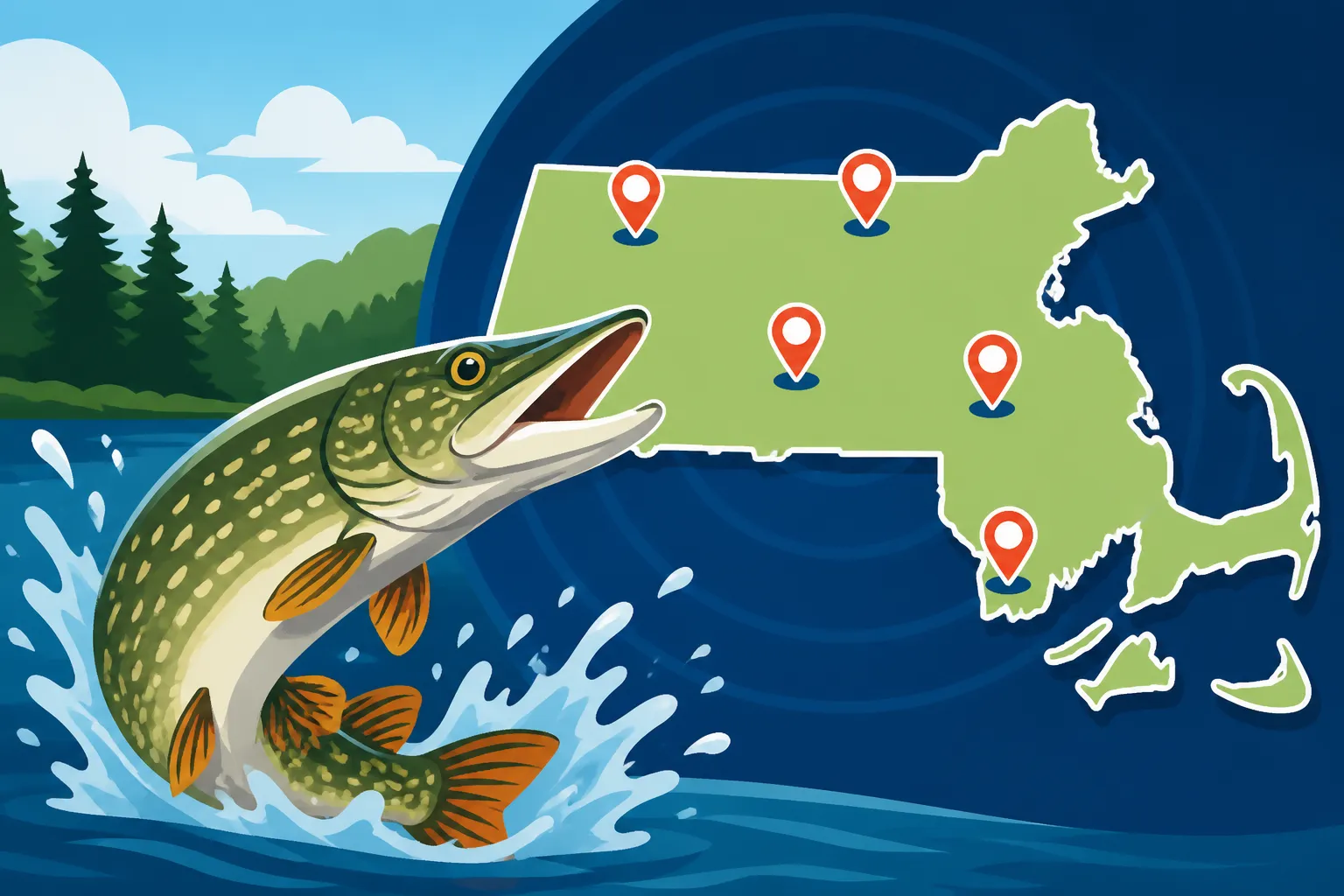
Where northern pike are stocked in Massachusetts
Ah, the northern pike! There's something truly exhilarating about targeting these freshwater giants, isn't there? That moment when you feel that solid thud on your line, followed by a powerful run and head shakes – it's pure adrenaline. But for many anglers here in Massachusetts, the big question isn't how to catch them, it's where to even begin looking for these toothy predators. It can feel like a secret society, figuring out which waters hold a healthy population of pike. Well, you're in the right place, because today we're going to dive deep into where northern pike are stocked and thrive across our beautiful Commonwealth, giving you the best shot at hooking into one of these magnificent fish.
Understanding the Northern Pike in Massachusetts Waters
Before we jump into specific locations, let's chat a bit about what makes the northern pike such a fascinating, and sometimes frustrating, fish to pursue in Massachusetts. They're often misunderstood, sometimes mistaken for our native pickerel (though they're much larger and more aggressive!), and they truly are a unique challenge for any angler. Understanding their biology and habitat preferences is your first step to success.
Why Northern Pike are Present in Massachusetts
Unlike some of our more common fish species, northern pike aren't universally native to all Massachusetts waters. Their presence in many of our lakes and rivers is often a result of management decisions or, occasionally, illegal introductions. MassWildlife has, over the years, managed certain waterways to support pike populations, recognizing their value as a large, predatory game fish. These stockings aim to create diverse fishing opportunities, providing anglers with the chance to tangle with something truly substantial in freshwater. They are powerful, aggressive, and can grow to impressive sizes, making them a top-tier target for many freshwater enthusiasts.
Often, pike are stocked in larger water bodies with ample forage fish, as these predators have quite the appetite! They need space to roam and plenty of smaller fish to sustain their growth. The thought of a trophy pike lurking in the weeds is enough to get any angler's heart pumping, and that's precisely why MassWildlife invests in maintaining these fisheries. It's about balancing the ecosystem and offering unique experiences for us anglers.
Identifying Prime Pike Habitat
Northern pike are ambush predators, through and through. They love to lie in wait, perfectly camouflaged, ready to explode onto unsuspecting prey. This means they are almost always associated with some kind of cover. Think dense weed beds, submerged timber, fallen trees along shorelines, rocky points, or even deep creek channels in larger rivers. If you're looking at a body of water, envision where a predator could hide and then quickly launch an attack – that's often where you'll find pike.
In cooler months, they might gravitate towards deeper water structures, but as the water warms up, they become much more active in shallower, weed-choked bays and coves. These areas provide both cover and an abundance of baitfish like sunfish, perch, or shiners, which make up a significant portion of a pike's diet. Understanding this behavior is crucial because even in a stocked lake, if you're not fishing the right kind of structure, you might as well be fishing in a bathtub! They're not going to be cruising open water like a trout; they're kings of stealth and surprise attacks.
Key Northern Pike Stocking Locations in Massachusetts
Alright, let's get down to brass tacks. Where can you actually go to find these magnificent fish? While MassWildlife doesn't always publicize every single stocking detail, there are certainly well-known water bodies across the state that are celebrated for their northern pike populations, either through active stocking programs or established self-sustaining populations that originated from past stockings. These are the places that should be on your radar.
Western Massachusetts Hotspots
When it comes to big freshwater fish, Western Massachusetts often shines, and northern pike are no exception. The Connecticut River is undeniably the kingpin for pike fishing in the region. While it's a massive waterway, certain sections within Massachusetts, particularly those with slower currents, backwaters, and oxbow lakes, are prime pike territory. You'll find them lurking in the heavy cover along the riverbanks, especially where smaller tributaries feed in or where old docks and downed trees create ambush points. It's a vast system, so a bit of exploration and local knowledge goes a long way here.
Beyond the Connecticut River, several other lakes and ponds in Western Mass have known pike populations. For instance, Pontoosuc Lake in Pittsfield and Lanesborough has been a long-standing pike destination. It offers a mix of deep and shallow water with good weed growth, perfect for pike. Similarly, Onota Lake also in Pittsfield, is another spot where anglers frequently report catching pike. These larger lakes provide the consistent forage and habitat diversity that pike need to thrive and grow large. When you hit these spots, don't be shy about exploring the various coves and points; the pike are there, you just need to find their hiding places.
| Location Name | Region | Primary Habitat Type | Key Features for Pike Anglers |
|---|---|---|---|
| Connecticut River | Western Massachusetts | River backwaters, oxbows, weed lines | Large waterway, diverse habitat, trophy potential |
| Pontoosuc Lake | Western Massachusetts | Large lake, weed beds, varying depths | Established population, boat access, good forage |
| Onota Lake | Western Massachusetts | Large lake, coves, submerged structures | Popular spot, consistent catches, ample cover |
| South Pond (Quabbin) | Central Massachusetts | Deep water, structure, some weed beds | Connected to Quabbin, self-sustaining population, unique challenge |
| Lake Quinsigamond | Central Massachusetts | Large lake, weed beds, docks, bridges | Easy access, good numbers, urban fishing opportunity |
Central Massachusetts Opportunities
Moving eastward, Central Massachusetts also offers some fantastic pike fishing. While perhaps not as numerous as some western spots, the pike here can still grow to impressive sizes and provide thrilling action. Lake Quinsigamond, situated between Worcester and Shrewsbury, is a well-known multi-species fishery, and that includes northern pike. This large, urban lake boasts abundant weed beds, coves, and structural features like bridges and docks that are ideal for pike. It's a convenient spot for many anglers in the central part of the state, offering year-round access, including some great ice fishing opportunities when conditions allow.
Another important note for Central Massachusetts is the Quabbin Reservoir system. While Quabbin itself isn't stocked with pike, they have made their way into the vast waters of South Pond, which is connected to the main reservoir. These are wilder pike, often larger, and present a unique challenge in a stunning, somewhat remote setting. Anglers heading to Quabbin for trout and salmon often encounter pike as a bonus, proving that these fish are truly apex predators that can establish themselves in diverse environments. Remember that Quabbin has very specific regulations for access and fishing, so always check those before you go. You don't want to get caught off guard by the rules of such a pristine fishery.
Eastern Massachusetts and Beyond
While northern pike are generally less prevalent in the far eastern and coastal regions of Massachusetts, there are still a few surprising spots. Anglers might find incidental pike catches in some of the larger freshwater bodies that are slightly inland from the immediate coast, especially those with connections to river systems that flow through central areas. However, these are typically not primary stocking locations, and populations tend to be less robust compared to the western and central parts of the state.
If you're an Eastern Mass angler determined to catch a pike, it might be worth the drive west to increase your odds significantly. The dense population and smaller, often shallower, water bodies closer to Boston simply aren't as conducive to sustaining the large, predatory pike populations that thrive in bigger, deeper, and more interconnected systems. So while it's not impossible to catch one closer to home, you'll likely have a more consistent and rewarding experience by exploring the areas mentioned above. It's all about playing the odds when it comes to specific species!
Best Practices for Targeting Northern Pike in Massachusetts
Now that you know where to find them, let's talk about how to increase your chances of actually hooking into one. Pike are aggressive, but they're also smart and can be finicky. Having the right gear, understanding their habits, and employing effective techniques will make all the difference.
Essential Gear and Tackle
Pike have serious teeth, and they fight hard! This means your gear needs to be up to the task.
- Rod and Reel: You'll want a medium-heavy to heavy action spinning or baitcasting rod, about 6.5 to 7.5 feet long. Pair this with a robust reel spooled with 20-40 lb braided line. The braid offers incredible sensitivity and hook-setting power, which you'll need to penetrate a pike's tough mouth. If you're looking for quality gear without leaving the house, a quick browse on Amazon can help you find everything from heavy-duty leaders to those larger jerkbaits pike just can't resist.
- Leaders: This is non-negotiable. Pike will snip through monofilament or fluorocarbon like butter. You need a steel, titanium, or heavy-duty fluorocarbon (80-100 lb test) leader, at least 12-18 inches long. Many anglers prefer pre-made wire leaders with sturdy snaps. Don't skimp here; losing a fish to a bite-off is heartbreaking.
- Lures: Pike are attracted to flash, vibration, and erratic movement. Large spoons (silver, gold, five of diamonds patterns), spinnerbaits with big blades, crankbaits, and jerkbaits are all excellent choices. For soft plastics, consider large swimbaits or paddle tails. If you’re into fly fishing, large streamer patterns that imitate baitfish can be incredibly effective. Remember, bigger baits often mean bigger fish with pike!
- Bait: Live bait, especially large shiners, suckers, or even small perch, can be deadly for pike, especially when fished under a float or on a quick-strike rig. Just be sure to check local regulations on baitfish usage, as some waters have restrictions.
Having a sturdy pair of long-nose pliers or jaw spreaders and a good hook remover is also essential. Trying to unhook a thrashing pike with your bare hands is a recipe for disaster (and a trip to the ER!). Safety first, always.
Productive Fishing Techniques
Pike fishing often involves covering water and targeting specific structures.
- Casting and Retrieving: This is the bread and butter of pike fishing. Cast your lures to the edges of weed beds, submerged logs, rocky points, and docks. Experiment with retrieve speeds and pauses. Pike often hit during a pause or as a lure changes direction. A fast, erratic retrieve can trigger aggressive strikes, while a slower, wobbling retrieve might entice a less active fish. Make sure your lure dives to the right depth for the structure you're targeting.
- Trolling: On larger lakes like Pontoosuc or Quinsigamond, trolling can be highly effective, especially when trying to locate active fish or cover vast areas. Use larger crankbaits or spoons and vary your speed until you find what the pike are responding to. Pay attention to your fish finder for submerged structure or bait balls, and run your lures just above those areas.
- Ice Fishing: When the hard water arrives, pike fishing truly shines in Massachusetts. Tip-ups are the classic method, baited with large shiners or suckers. Spread your tip-ups across different depths and areas, focusing on those same weed edges and structural changes you'd target in open water. Jigging with large spoons or lipless crankbaits can also draw strikes. Just make sure the ice is safe, always!
Remember, consistency is key. If you find a productive spot, work it thoroughly from different angles. Pike are often found in groups, so if you catch one, there's a good chance more are lurking nearby.
Conservation and Responsible Pike Fishing
As passionate anglers, we all share a responsibility to protect the resources we love. Northern pike are a valuable part of our freshwater ecosystems, and ensuring their health and vitality for future generations is paramount. Responsible angling practices are essential, especially when targeting such a powerful and sometimes vulnerable species.
Catch and Release Best Practices
Many anglers targeting northern pike practice catch and release, especially for the larger, older fish which are vital for a healthy breeding population. Pike are resilient, but their powerful jaws and sharp teeth can make unhooking them tricky, potentially leading to harm if not done correctly.
- Minimize Fight Time: Bring the fish to the boat or shore as quickly as possible to reduce stress. Prolonged fights can exhaust a fish, making it harder for it to recover.
- Proper Handling: Use a net with rubberized mesh to protect the fish's slime coat. Avoid lifting large pike by their jaws alone; support their belly with one hand and hold them horizontally. If you need to pick them up, grip them firmly but gently behind the gill plates (avoiding the actual gills) and support their weight.
- Quick Hook Removal: This is where those long-nose pliers and jaw spreaders come in. Carefully remove the hook. If the hook is deeply lodged and removal would cause extensive damage, it's sometimes better to cut the line as close to the hook as possible. Barbless hooks can also make removal much easier.
- Revival: If the fish seems stressed, hold it gently in the water, facing into a mild current, until it regains its strength and can swim away on its own. Never just toss a tired fish back; give it time to recover.
By following these simple steps, you significantly increase the chances of that magnificent pike surviving to fight another day, perhaps even growing larger for someone else to enjoy.
Understanding Massachusetts Pike Regulations
Like all game fish in Massachusetts, northern pike are subject to specific regulations designed to manage their populations sustainably. These regulations can cover everything from seasons, size limits, and bag limits, to specific gear restrictions in certain water bodies. It's not just a good idea to know these rules; it's the law, and ignorance is never an excuse.
Before every fishing trip, especially to a new or less-frequented spot, always consult the most current Massachusetts Freshwater Fishing Guide or visit the MassWildlife website. These resources provide the definitive, up-to-date information you need. Regulations can change, and what was legal last year might not be this year. For example, Massachusetts Recreational Fishing Rules and Bag Limits will detail overall limits, and specific water bodies like the Quabbin Reservoir (Quabbin Reservoir Fishing Permits and Rules in Massachusetts) have their own unique set of rules that you absolutely must abide by. Fishing without knowing the rules can lead to fines and penalties, which is a sure-fire way to ruin a perfectly good fishing day. Always carry proof of your Massachusetts Fishing License Guide and be prepared to show it if asked.
Being a responsible angler means doing your homework, respecting the fish, and adhering to the rules. It ensures that the thrill of chasing northern pike remains a cherished part of Massachusetts fishing for years to come.
Disclaimer
This article is for general informational purposes only and does not constitute professional advice. Laws, prices and regulations vary by location and change over time. Consult a qualified professional for guidance on your specific situation.