Massachusetts fishing license fine for a first offense
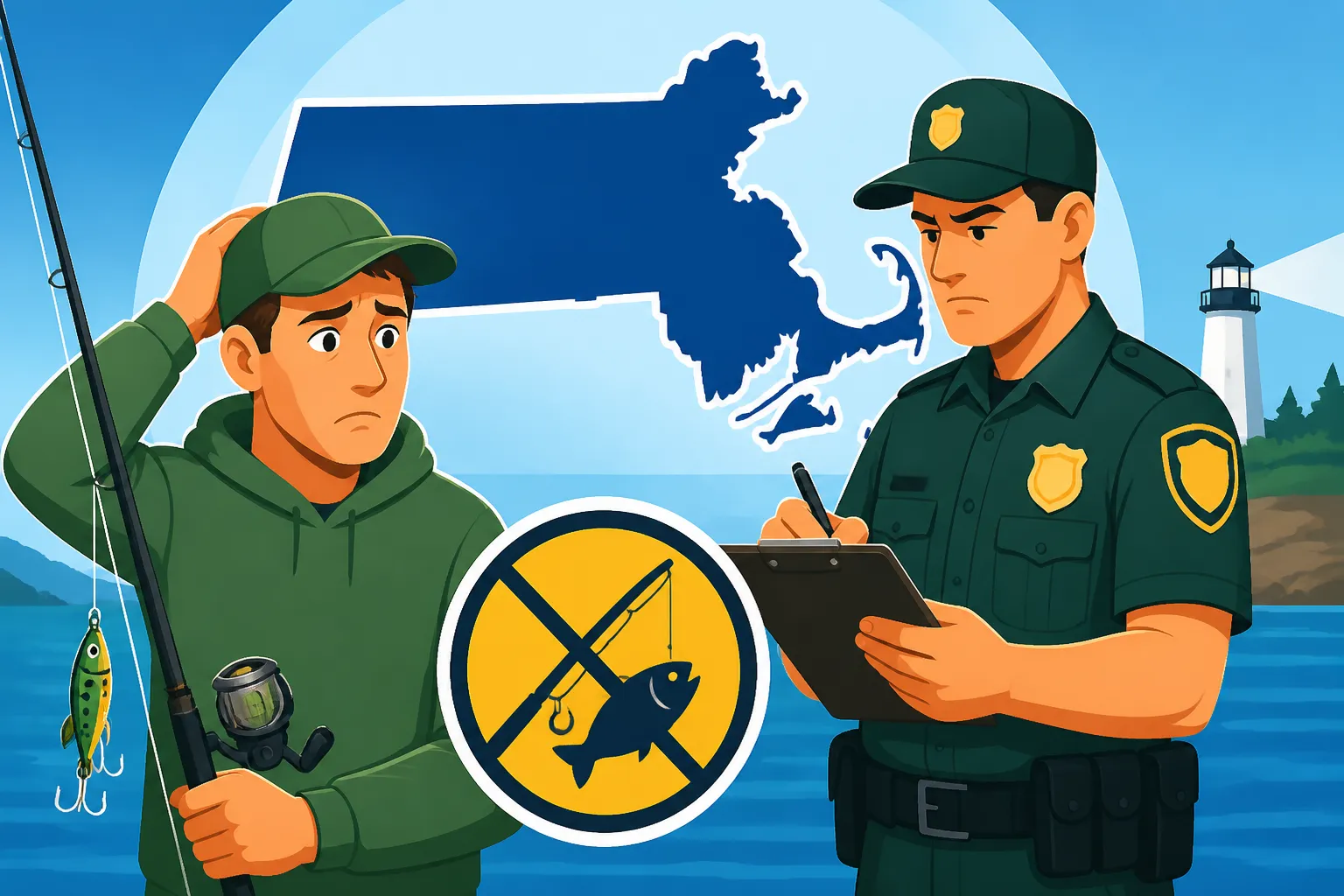
There’s nothing quite like the tranquility of a day spent fishing on the water or by the shore in Massachusetts. You’ve got your gear, the perfect spot, and the anticipation of a bite. But imagine that peaceful scene interrupted by a conservation officer asking to see your fishing license, only for you to realize you don’t have one, or it’s expired. That moment can quickly turn an idyllic outing into a frustrating and costly situation. This comprehensive guide will meticulously break down the potential fines and other consequences for a first offense of fishing without a proper license in Massachusetts, helping you understand the rules and avoid unnecessary trouble.
Understanding What Constitutes a First Offense
When we talk about a "first offense" for fishing without a license in Massachusetts, it's important to clarify what that really means in the eyes of the law. It’s not just about never having bought a license before; it encompasses a few scenarios that can trip up even well-intentioned anglers. Essentially, a first offense means this is your initial documented violation of a specific fishing regulation, particularly regarding licensing, within a certain period. The Massachusetts Environmental Police and local authorities keep records, and repeated infractions can lead to escalating penalties.
The Nuances of "Without a License"
Many people assume "fishing without a license" simply means you've never purchased one. While that's certainly a primary scenario, it's broader than you might think. For instance, if you bought a freshwater fishing license but are actively fishing in saltwater, you are technically fishing without the correct authorization, which is the Massachusetts Saltwater Recreational Fishing Permit. The same goes if you have an expired license. Perhaps you thought your license was valid for a full calendar year, but it expired on December 31st and you’re fishing in January. In both these cases, even if you’ve been a responsible angler for years, you’re operating without a valid license for that specific activity or time period.
Consider a hypothetical: Maria, a seasoned freshwater angler from Worcester, decides to try her hand at surfcasting on Cape Cod. She diligently bought her annual freshwater license through MassFishHunt months ago. However, she was unaware that saltwater fishing requires a separate, free permit. When approached by an officer, she presents her freshwater license, but it doesn't cover her current activity. This would be considered fishing without the appropriate license. While it might seem like a minor oversight, the law views it as a violation. Being prepared means knowing the distinctions, like those covered in our guide on Massachusetts Freshwater vs Saltwater License Differences.
What if You Just Forgot It?
Another common scenario involves anglers who do possess a valid license but simply forgot to bring the physical copy or proof of purchase with them. This is where things get a little less black and white, but it's still a violation. Massachusetts law requires anglers to carry proof of their valid license or permit while engaged in fishing activities and to display it upon demand to any authorized officer. If you have a valid license but can't produce it, it can still lead to a citation.
However, in many cases, if you can prove you had a valid license shortly after the incident (e.g., by showing it on your phone via the MassFishHunt app or providing the license number which can be verified), the officer might issue a warning or a less severe citation. This often depends on the officer's discretion and your cooperation. It's always best to carry proof, whether it’s a printed copy, a physical license card, or a digital version accessible on your phone, as detailed in our article on Carrying Proof of Your Massachusetts Fishing License. Relying on memory or the hope that you won't be checked is a gamble that rarely pays off.
The Specific Penalties and Fines for a First Offense
Facing a fine for a first offense of fishing without a license can be a bit of a shock, especially if you’re new to the regulations or simply made an honest mistake. While the state aims to encourage compliance rather than punish unnecessarily, the law does lay out clear penalties. It's crucial to understand that these aren't just minor inconveniences; they can involve significant monetary costs and even impact your future fishing privileges.
Monetary Fines: What You Can Expect to Pay
According to Massachusetts General Law Chapter 131, Section 90, violations of fishing regulations, including fishing without a valid license, carry a penalty of not less than $50 nor more than $1,000, or imprisonment for not more than six months, or both. For a typical first offense of fishing without a basic license or permit, you'll likely face a fine on the lower end of this spectrum, often around $50 to $100. However, this base fine can be augmented by court costs and administrative fees if the situation escalates or requires a court appearance.
Let's say you're caught fishing in a freshwater pond near Framingham without a valid freshwater license. For a first offense, you might receive a citation with a fine of $75. If you decide to contest it or if other infractions were present (e.g., violating Massachusetts Freshwater Daily Catch Limits), the total cost could easily climb higher. These fines are designed to deter illegal fishing and support the state's conservation efforts, reminding us that those license fees genuinely contribute to maintaining healthy fish populations and accessible fishing areas across the Commonwealth.
Additional Potential Penalties Beyond the Fine
While the monetary fine is the most immediate concern, it’s not the only potential consequence. Depending on the severity of the violation, the discretion of the officer, and any aggravating circumstances, you could face other penalties for a first offense.
One significant potential penalty is the forfeiture of your fishing gear. This means the officer has the authority to seize your rod, reel, and any other equipment being used at the time of the offense. Imagine having your prized fishing rod, perhaps one you splurged on from Amazon, confiscated on the spot. It's a tough lesson to learn, and the cost of replacing that gear can far exceed the initial fine. While this is often reserved for more egregious violations or repeat offenders, it is within the officer's power, especially if the situation involves other offenses like taking undersized fish or exceeding bag limits.
Another serious consequence is the suspension or revocation of your fishing privileges. For a first offense, this might be a temporary suspension for a few months, but it could mean you're prohibited from obtaining any fishing license or permit in Massachusetts for a specified period. This truly hits hard for those of us who cherish our time on the water. The state takes its natural resources seriously, and losing the privilege to enjoy them is a potent deterrent. Our guide on Penalties for Fishing Without a License in Massachusetts delves deeper into these potential repercussions.
Here’s a simplified breakdown of typical fines and potential consequences for common first-time licensing-related infractions:
| Violation Type (First Offense) | Typical Base Fine Range (Approx.) | Maximum Legal Fine | Other Potential Penalties |
|---|---|---|---|
| Fishing without any valid MA license/permit | $50 – $100 | Up to $1,000 | License suspension, gear confiscation, court costs |
| Fishing with an expired MA license/permit | $50 – $100 | Up to $1,000 | License suspension, gear confiscation, court costs |
| Fishing without the correct type of license | $50 – $100 | Up to $1,000 | License suspension, court costs |
| Failure to display valid license upon demand | $50 | Up to $250 | Minor citation, often resolvable with proof |
| Violating bag/size limits (in addition to license issue) | $100 – $500+ | Up to $1,000+ per fish | License suspension, gear confiscation, higher court fees |
Note: These are approximations and actual fines can vary based on specific circumstances, local regulations, and the discretion of law enforcement or the courts.
Navigating the Aftermath and Avoiding Future Infractions
Getting a citation for fishing without a license is never a fun experience, but knowing how to handle it and, more importantly, how to prevent it from happening again, can make a significant difference. Staying informed and proactive is your best defense against future fines and frustrations.
What to Do If You Receive a Citation
If you find yourself in the unfortunate situation of receiving a citation for a first offense of fishing without a license, here's a realistic approach:
- Be Polite and Cooperative: First and foremost, remain calm and cooperative with the conservation officer. Arguing or being confrontational will not help your case and can sometimes lead to additional charges or less favorable outcomes.
- Understand the Charge: Ask the officer for a clear explanation of the specific violation. Make sure you understand what you're being cited for.
- Check the Citation: Review the citation for accuracy. Ensure your personal information, the date, time, and location of the incident are correct.
- Decide Your Next Steps: You generally have a few options:
- Pay the Fine: If you believe the citation is valid and you accept responsibility, you can usually pay the fine by mail or online as instructed on the ticket. This often closes the matter quickly.
- Plead Not Guilty/Contest: If you believe you were wrongly cited, or there are mitigating circumstances, you have the right to plead not guilty and request a hearing in court. Be prepared to present your case, potentially with evidence. Consulting with an attorney familiar with environmental law might be wise, especially if the fine is substantial or other penalties are involved.
- Get Compliant Immediately: Regardless of your decision, the most important step is to rectify the situation immediately. If you didn't have a license, buy one. If it was expired, renew it. You can easily do this online through the MassFishHunt system; our guide on How to Buy a Massachusetts Fishing License Online walks you through the process. Being compliant shows good faith, which can sometimes be helpful if you need to address the citation in court.
Proactive Steps to Ensure You're Always Legal
Avoiding a first offense (or any offense!) is far better than dealing with the consequences. Here are some actionable steps you can take to ensure you're always fishing legally in Massachusetts:
- Understand the Requirements: The absolute best defense is knowledge. Make sure you understand the basics: Massachusetts Fishing License Requirements by Age, whether you need a freshwater or saltwater license (or both!), and if any special permits (like for Quabbin Reservoir, covered in Quabbin Reservoir Fishing Permits and Rules in Massachusetts) are necessary for your chosen fishing spot.
- Check Expiration Dates: Don't assume your license is valid for a full 365 days from purchase. Most Massachusetts fishing licenses follow a calendar year, expiring on December 31st. Set a reminder on your phone or mark your calendar to check your Massachusetts Fishing License Renewal Guide every year.
- Utilize MassFishHunt: The MassFishHunt system is your best friend for managing your licenses and permits. You can purchase, renew, and print copies of your license from home. Our guide, How MassFishHunt Works for Buying a Massachusetts License, explains everything you need to know.
- Carry Proof (Always!): Whether it's a physical printed copy, a laminated card, or the digital version on your phone, always have proof of your valid license and any necessary permits with you while fishing. A waterproof license holder, readily available on Amazon, can keep your important documents safe and dry in your tackle box or fishing vest.
- Stay Informed on Regulations: Fishing regulations can change, especially regarding bag limits, size restrictions, and season dates for different species. Before each fishing trip, especially if you're targeting a new species or visiting a new location, it's a good habit to quickly review the latest Massachusetts fishing regulations. You can often find the official pamphlet or summaries on the MassWildlife website.
- Educate Fellow Anglers: If you're fishing with friends or family, particularly those new to the sport or visiting from out of state, gently remind them about the licensing requirements. A friendly nudge can prevent them from making an unwitting mistake.
By taking these proactive steps, you can focus on the joy of fishing, knowing that you're fully compliant with Massachusetts law and contributing to the conservation of our beautiful waterways and vibrant fish populations. Investing in your knowledge is like investing in high-quality gear – it enhances your experience and prevents unwelcome surprises. You might even find a dedicated fishing logbook on Amazon to keep track of your catches and, crucially, your license expiration dates!
Disclaimer
The information provided in this guide is for general informational purposes only and does not constitute legal advice. While we strive to provide accurate and up-to-date information, fishing regulations and legal interpretations can change. Always consult the official Massachusetts Division of Fisheries and Wildlife (MassWildlife) website or contact legal counsel for the most current and specific regulations pertaining to your situation.