Massachusetts Cod Fishing Rules and Season
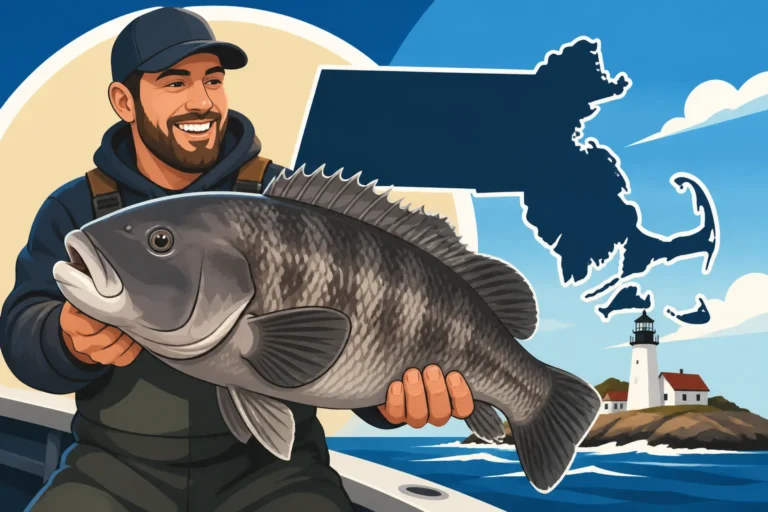
If you've spent any time on the water here in Massachusetts, you know that fishing for cod isn't what it used to be. For many of us, it conjures images of bountiful hauls and iconic New England fishing traditions. But the reality today is much different, and it can be incredibly frustrating to navigate the ever-changing, often highly restrictive rules. This guide is here to shed light on the current state of cod fishing, delving into the rules, seasons, and what you can realistically expect when targeting this legendary bottom dweller in our waters.
Understanding the Cod Fishery Landscape in Massachusetts
For centuries, cod was king in Massachusetts. It wasn't just a fish; it was the lifeblood of our coastal communities, a symbol of our maritime heritage, and a staple on dinner tables across the region. Imagine the old dories heading out from Gloucester and Boston, filled with optimistic anglers hoping for a full boat. That image is deeply ingrained in our collective memory, passed down through generations of fishermen.
A Brief History of Cod in New England Waters
The history of cod in New England is a saga of boom and bust. For hundreds of years, the seemingly endless bounty of cod shaped economies and even attracted settlers to these shores. Early colonists found immense schools of cod offshore, which they salted and dried, creating a valuable commodity that fueled trade routes across the Atlantic. Fishing methods were simpler then, often involving handlines, and while catches were substantial, they operated within a different ecological context. This robust fishery supported countless families, shipbuilding, and a vibrant port culture that is still celebrated today.
As fishing technology advanced, from sail to steam to diesel, and gear became more efficient, the pressure on cod stocks intensified. Trawlers could sweep vast areas of the seabed, catching enormous quantities of fish that would have been unimaginable to earlier generations. This industrialization, coupled with a lack of comprehensive understanding of fish populations and their reproduction rates, laid the groundwork for future declines, slowly eroding the very foundation of this once-dominant fishery.
Why Cod Fishing is So Different Now
The simple truth is, cod populations in our waters have faced severe challenges. Years of intense fishing pressure, particularly from large commercial fleets, took a heavy toll. Many of us remember heading out with hopes of a cooler full of fresh cod, only to return with a few small fish, if any. It's a stark reminder that the ocean's resources, though vast, are not infinite. The changes in regulations often feel like a punch to the gut for recreational anglers who just want to enjoy a day on the water, but they are a direct response to the serious state of the stocks.
The shifts aren't just about fish numbers, either. There's a whole ecosystem at play, and changes in ocean temperatures due to climate change also impact where cod can thrive and reproduce. It's a complex puzzle, and for the average angler, it often feels like we're caught in the middle, paying the price for issues that largely predate our personal involvement. We just want to drop a line and feel that familiar tug, but the environment simply can't support the same level of harvest anymore.
The Impact of Overfishing and Climate Change
The scientific community widely points to overfishing as the primary driver behind the decline of many groundfish species, including cod, in the Gulf of Maine and Georges Bank. For decades, the sheer volume of fish being removed from the ocean outpaced the cod's ability to reproduce and replenish its numbers. It’s a classic tragedy of the commons, where individual incentives to maximize catch collectively lead to depletion. This has led to drastic cuts in catch limits and stringent regulations that continue to impact both commercial and recreational fishermen.
Adding another layer of complexity is climate change. Our regional waters, particularly the Gulf of Maine, are warming at an alarming rate, faster than almost any other ocean body. Cod are a cold-water species, and these rising temperatures directly affect their habitat, migration patterns, and spawning success. What was once prime cod territory might now be too warm, forcing the fish to seek deeper, cooler waters or alter their movements. This makes it harder for them to recover, even with reduced fishing pressure, and presents a formidable challenge for fishery managers trying to set effective rules for a changing environment.
Recreational Cod Fishing Regulations: The Nitty-Gritty
Navigating the rules for recreational cod fishing in Massachusetts can feel like a full-time job. It's not a simple case of "go fish." The regulations are designed to protect depleted stocks, and as such, they are often quite restrictive, with specific seasons, size limits, and bag limits that can change from year to year. It's enough to make you scratch your head and wonder if it's even worth the effort sometimes.
Current Recreational Bag and Size Limits
When it comes to cod, recreational anglers in Massachusetts typically face very stringent bag limits and minimum size requirements. The goal is to allow some recreational opportunity while ensuring that as many fish as possible have a chance to mature and spawn. What this often means in practice is a daily bag limit that is quite small, sometimes just one or two fish per person, and a minimum size that ensures you're only keeping larger, more reproductively mature individuals. It's a far cry from the days when you'd fill a cooler without a second thought.
These limits are subject to change and are set by federal fisheries councils, like the New England Fishery Management Council (NEFMC), in conjunction with state agencies. It's absolutely crucial for any angler planning a trip to check the most up-to-date regulations from MassWildlife or NOAA Fisheries before heading out. Trust me, you don't want to be caught with an undersized fish or over your limit; the penalties can be steep. Always double-check, because what was true last season might not be true this one. You can often find the official regulations detailed in the annual Massachusetts Fishing Regulations Pamphlet, Explained.
Open and Closed Seasons for Recreational Cod
Another significant hurdle for cod anglers is the concept of open and closed seasons. Unlike some other species that might have a year-round open season, cod fishing often involves specific windows when recreational harvest is allowed. These seasons can be short, sometimes only a few weeks or months out of the year, and are strategically set to avoid critical spawning periods or to align with periods when the fish are less vulnerable. This can be incredibly frustrating for those of us who have limited time to get out on the water.
These seasonal closures mean that even if you know where the fish are, you might not be legally allowed to target them during certain times. It demands a bit more planning than just packing your gear and heading to the dock. Knowing when these windows open and close is paramount to a successful and legal cod fishing trip. Always refer to the official MassWildlife and NOAA Fisheries websites for the most current information, as these dates can shift based on stock assessments and conservation needs.
Gear Restrictions and Conservation Measures
Beyond bag and size limits, there can also be specific gear restrictions in place when targeting cod, all aimed at reducing bycatch (catching unintended species) and minimizing harm to the fish. For instance, specific hook types might be mandated, such as circle hooks, which are designed to reduce gut-hooking and increase the survival rate of released fish. There may also be rules about the number of hooks allowed on a line or even types of bait that are prohibited in certain areas.
These rules reflect a broader effort to make fishing more sustainable. While they might seem like extra hoops to jump through, they are part of a larger conservation strategy. It's worth remembering that these measures are in place to try and ensure there are fish for future generations, even if it means a bit more effort on our part today. Familiarizing yourself with these details is just as important as knowing your bag limit. Always be prepared to adapt your tackle to comply with the latest conservation-focused gear requirements.
Essential Gear and Techniques for Massachusetts Cod
Even with the challenges, the thrill of hooking into a strong cod is still a powerful draw. To maximize your chances, and to be responsible on the water, having the right gear and knowing effective techniques is crucial. Cod are powerful bottom dwellers, and you need tackle that can handle their fighting spirit and the depths they often inhabit.
Rod and Reel Setups for Cod
For cod fishing, you're generally looking at robust gear. We're talking about heavy-duty conventional or spinning setups. A medium-heavy to heavy action rod, typically between 6.5 and 8 feet in length, is a good starting point. This will give you the backbone needed to lift heavy sinkers and jigs from the bottom, and to muscle a feisty cod away from structure. A jigging rod with a sensitive tip but strong mid-section is often preferred for feeling those subtle bites in deep water.
Pair your rod with a reliable conventional reel, often a lever drag or star drag model, spooled with strong braided line. Many anglers opt for 50-80 lb test braided line, which offers incredible sensitivity and minimal stretch, allowing you to feel every bump and nibble, even hundreds of feet down. You'll want a reel with a good gear ratio for cranking up heavy fish and enough line capacity to handle deeper drops. If you're looking for durable, high-performance reels, checking out options on Amazon can give you a wide selection across different brands and price points. Always remember to add a fluorocarbon or monofilament leader of 40-60 lb test to absorb shock and provide some abrasion resistance against rocky bottoms.
Baits and Lures That Cod Can't Resist
Cod are opportunistic feeders, so a variety of baits and lures can be effective. Fresh bait is almost always king. Strips of clam, squid, or mackerel are classic choices that have tempted countless cod over the years. These natural baits release scents that can draw cod in from a distance, especially when presented on a simple two-hook rig or a hi-lo rig designed to keep your bait near the bottom.
Beyond natural baits, artificial lures, particularly jigs, are incredibly popular and effective. Heavy metal jigs, often weighing several ounces up to a pound or more depending on current and depth, are worked vertically near the seabed. Colors like silver, chartreuse, and white can be very successful. Some anglers also swear by soft plastic lures fished on jig heads, mimicking small fish or crustaceans. Having a variety of both natural baits and a selection of jigs in your tackle box is a smart move for any cod trip. Amazon is a great resource if you're looking to stock up on different jig weights and styles before your next outing.
Effective Fishing Techniques from Boat and Shore
Most recreational cod fishing in Massachusetts is done from a boat, as the preferred habitats for these fish are often in deeper waters and offshore structures that are inaccessible from shore. Once you've located a promising area – typically a rocky bottom, a wreck, or a deep ledge – the most common technique is bottom fishing. This involves dropping your bait or jig directly to the seabed and working it slowly, either by bouncing a jig or letting your bait sit, feeling for the bite. It often requires careful boat positioning to stay over the structure.
For those rare instances or specific locations where cod might be found closer to shore, such as deep channels or certain piers, the principles remain similar: get your offering down to the bottom. However, shore fishing for cod is far less common and generally less productive than boat fishing, especially with the current state of the stocks. Regardless of whether you're on a boat or land, always pay attention to the tide and current, as these can significantly influence where the fish are holding and how your bait or lure behaves in the water.
Best Spots and Times to Find Cod in Massachusetts
Even with depleted stocks and tight regulations, there are still places and times when you can find cod in Massachusetts waters. It just requires more effort, more specific knowledge, and often, a longer boat ride offshore. Forget the easy days; now it's about targeting specific habitats and seasonal movements.
Seasonal Movements and Preferred Habitats
Cod, being a cold-water species, exhibit seasonal movements that are largely dictated by water temperature and food availability. In general, they prefer cooler, deeper waters, often congregating around complex bottom structures like rocky ledges, underwater humps, and shipwrecks. During the colder months, they might move into shallower, nearshore areas to feed, but during the warmer summer months, they tend to retreat to the cooler, deeper offshore grounds. This means that your target locations will vary significantly depending on the time of year.
Understanding these patterns is key. For instance, in the late fall and early spring, you might find cod on certain offshore banks or ledges. As summer progresses, they'll often be in the deeper parts of the Gulf of Maine, or further out on Georges Bank, where the water remains cold. Charter captains who specialize in deep sea fishing for groundfish often have years of experience tracking these movements. Learning about Massachusetts Fishing Seasons Explained can give you a broader context for these migrations.
Top Fishing Grounds for Cod in Massachusetts
While it's tricky to pinpoint "top" spots due to changing regulations and fish movements, certain general areas offshore have historically held cod and continue to be targeted when conditions and rules allow. These include:
- Stellwagen Bank: Located northeast of Cape Cod, this is a federally protected marine sanctuary but also a famous fishing ground known for its diverse marine life, including groundfish when open for harvest.
- Georges Bank: Further offshore, east of Cape Cod, Georges Bank is a vast and productive fishing area, though often requiring longer trips and facing stringent regulations.
- Gulf of Maine: The deeper sections of the Gulf of Maine, particularly areas with significant bottom structure, can hold cod.
Many of these spots are a significant boat ride from shore and often require capable offshore vessels. This is why many recreational anglers who still want to target cod opt for Massachusetts Deep Sea Fishing Charters or head boats that specialize in groundfish trips. These operations have the boats, the gear, and the local knowledge to take you to where the fish might be.
Reading the Ocean for Cod Success
Successful cod fishing, especially in today's environment, is about more than just dropping a line; it's about understanding the ocean. Factors like bottom structure, water temperature, current, and even bait presence all play a role. Using a good fish finder is invaluable for identifying rocky outcrops, ledges, and wrecks where cod tend to hide. Look for bait balls or schools of smaller fish on your sonar, as cod will often be lurking nearby.
Tidal currents are also critical. Cod often feed most actively during periods of strong current, which brings food to them. Understanding the tides and how they affect different fishing grounds can make a huge difference in your success. A quick check of marine forecasts will give you current and swell information, helping you plan your drift and presentation effectively. Combining technology with traditional knowledge of the local waters will significantly increase your chances of finding that elusive cod.
| Regulation Aspect | General Current Status for Recreational Cod (Massachusetts) | Angler Action Required |
|---|---|---|
| Bag Limit | Highly restrictive (often 1-2 fish per person/day) | Check official MassWildlife/NOAA Fisheries for exact count |
| Minimum Size | Strict (e.g., 21-22 inches, varies by season/area) | Accurately measure all fish; release undersized immediately |
| Open Season | Short, specific windows, sometimes closed entirely | Confirm open dates and specific areas before each trip |
| Gear Restrictions | May require circle hooks, limited number of hooks | Ensure tackle complies with all bycatch reduction rules |
| Permit Required | Massachusetts Saltwater Recreational Fishing Permit | Obtain permit before fishing; carry proof |
Navigating the Future of Cod Fishing: Conservation and Sustainability
The state of cod fishing today is a stark reminder of the importance of conservation. While it's tough to accept the current limitations, they are absolutely necessary for the long-term health of the species. As anglers, we have a vital role to play, not just in following the rules, but in advocating for sustainable practices and educating ourselves and others.
The Role of Anglers in Cod Recovery
Every angler has a part to play in the recovery of cod stocks. This begins with strict adherence to all regulations, no matter how frustrating they may seem. This means accurately measuring your fish, releasing undersized or out-of-season cod carefully and quickly, and respecting all bag limits. Beyond compliance, we can also adopt best practices for catch and release, such as using appropriate tackle to minimize stress on the fish and avoiding long fights that can exhaust them.
Furthermore, anglers can become advocates for healthy fisheries. This might involve staying informed about proposed changes in regulations, participating in public comment periods, or supporting organizations dedicated to marine conservation. Our passion for fishing gives us a powerful voice, and using it constructively can contribute to the science-based management needed for cod and other groundfish species to rebound. Supporting local bait and tackle shops and Massachusetts Fishing License Vendor Locations also indirectly supports the infrastructure that helps manage our fisheries.
Where to Find Official Massachusetts Cod Regulations
There is truly no substitute for checking the official sources for the most up-to-date cod fishing regulations. These rules can change frequently based on stock assessments and management decisions by federal and state agencies. Relying on old information or hearsay can lead to fines and harm to the resource.
Here are the primary places you should always consult before planning a cod trip:
- Massachusetts Division of Marine Fisheries (MassDMF): This is your go-to state agency for all Massachusetts saltwater fishing rules. Their website will have detailed information on state-specific regulations that might apply in state waters.
- NOAA Fisheries (National Oceanic and Atmospheric Administration): Since cod are primarily managed under federal plans, NOAA Fisheries (specifically the Greater Atlantic Regional Fisheries Office, GARFO) is the authoritative source for federal recreational groundfish regulations, which apply in federal waters (generally beyond 3 miles from shore).
- Physical Regulation Pamphlets: Many bait and tackle shops distribute printed pamphlets. While helpful, always cross-reference with online sources for any last-minute updates.
Make it a habit to check these sites annually, and even seasonally, especially for species like cod where management is dynamic. You'll also want to make sure your Massachusetts Saltwater Recreational Fishing Permit Explained is current.
Outlook for the Future of Cod Fishing
The outlook for cod fishing in Massachusetts is a mixed bag, filled with both challenge and a glimmer of hope. On one hand, the scientific assessments of cod stocks in the Gulf of Maine and Georges Bank continue to paint a picture of depleted populations, necessitating continued strict management. The impacts of warming ocean waters add another layer of uncertainty, as it's not just about reducing fishing pressure, but also about the fish's ability to thrive in a changing environment.
However, there is also a deep commitment from fishery managers, scientists, and many anglers to see these iconic fish recover. Conservation efforts, if consistently applied and adapted to new scientific understanding, do have the potential to make a difference over time. It may take many years, perhaps even decades, for cod populations to truly rebound to historical levels. In the meantime, anglers will need to remain patient, informed, and committed to sustainable practices, appreciating every cod they encounter, whether kept or released, as a precious reminder of our rich fishing heritage and the potential for recovery.
Disclaimer
This article is for general informational purposes only and does not constitute professional advice. Laws, prices and regulations vary by location and change over time. Consult a qualified professional for guidance on your specific situation.