What to take for seasickness before a charter
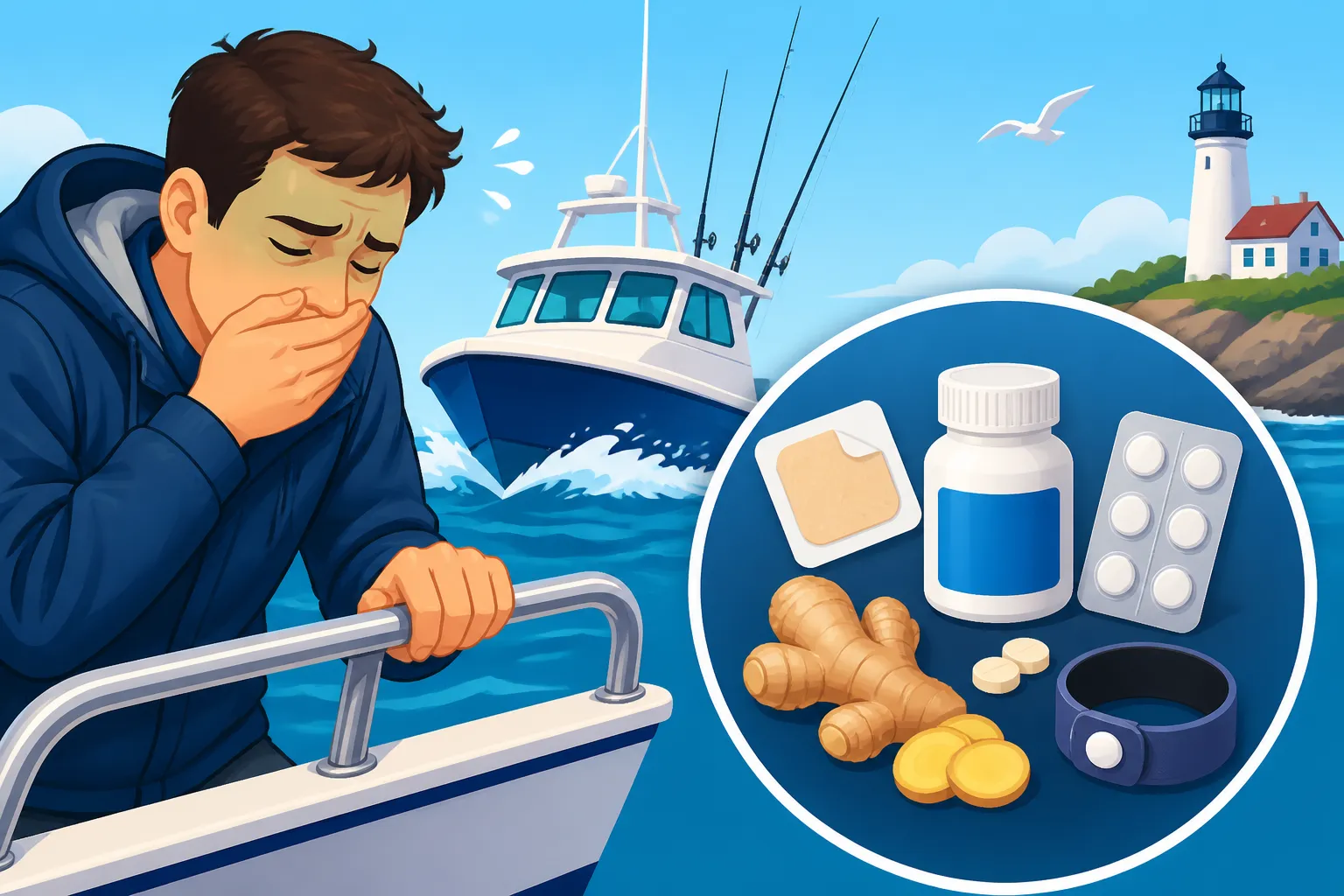
Oh, the dreaded seasickness! It's that awful, queasy feeling that can turn a much-anticipated day of fishing off the Massachusetts coast into a miserable ordeal. You've dreamt of reeling in a monster striped bass or a feisty bluefish, only to find yourself clinging to the rail, wishing you were anywhere but on that rocking boat. It's truly frustrating when seasickness steals the joy from your outing. This guide is here to walk you through everything you can take and do to prevent or minimize seasickness, ensuring your next Massachusetts fishing charter is filled with tight lines and happy memories, not green gills.
Understanding Seasickness: Why It Happens and Who's At Risk
Let's be real, nobody wants to get seasick. It's an involuntary response, and it can hit even the most seasoned angler if conditions are just right (or wrong, depending on how you look at it). Understanding why it happens is the first step toward combating it. It's not just "being weak"; it's a complex physiological reaction.
The Inner Ear Connection: Sensory Mismatch
At its core, seasickness, or motion sickness, is a conflict within your sensory system. Your inner ear, specifically the vestibular system, is responsible for detecting motion and balance. When you're on a boat, your inner ear is constantly registering the rocking, pitching, and rolling movements. However, your eyes might be focused on a fixed point inside the cabin, like the bulkhead or a fishing rod tip, which tells your brain you're not moving. This disconnect—your eyes saying "still" while your inner ear screams "moving!"—creates confusion in your brain, leading to that tell-tale nausea, dizziness, and sometimes vomiting.
It's like your brain gets conflicting messages from different departments and just can't reconcile them, resulting in a system overload. For some, this mismatch is more pronounced, making them naturally more susceptible. It's not a character flaw, just how your body is wired!
Common Triggers on a Fishing Charter
While the sensory mismatch is the root cause, several factors on a fishing charter can exacerbate the problem. It's worth considering these before you even step foot on the dock.
First off, the type and size of the boat itself play a huge role. A small, nimble center console in choppy seas will toss you around much more than a large, stable sportfisher. If you're sensitive, this is something to consider when Booking a Fishing Charter on Cape Cod or other locations. Next, the sea conditions are paramount. A calm, glassy day on the water is a dream, but if there's a significant swell or chop, even a large boat can feel like a roller coaster. Then there's where you position yourself on the boat. Staying in an enclosed cabin, unable to see the horizon, often makes things worse. Focusing intently on a small object, like tying a knot or re-rigging your line, can also worsen the sensory conflict. Lastly, factors like lack of sleep, dehydration, anxiety about getting sick, or a heavy, greasy breakfast before heading out can lower your threshold for seasickness.
Over-the-Counter Remedies: Your First Line of Defense
For many anglers, readily available over-the-counter (OTC) medications and natural remedies are enough to keep seasickness at bay. These are your go-to options for mild to moderate susceptibility and are often the easiest to acquire.
Antihistamines: Blocking the Queasy Signals
Many effective OTC seasickness medications are actually antihistamines. They work by blocking the histamine receptors in your brain that are involved in the nausea and vomiting reflex.
Dimenhydrinate (Dramamine): This is probably the most widely recognized seasickness medication. It's effective but can cause significant drowsiness, which isn't ideal when you're trying to stay alert for a bite. If you choose Dramamine, make sure you take it well before you board the boat—typically 30 to 60 minutes prior—to allow it to get into your system. There are also less-drowsy formulations available, which are worth looking into if you want to stay sharp. Keep in mind that "less-drowsy" doesn't always mean "no drowsiness," so test it out beforehand if you can.
Meclizine (Bonine, Dramamine Less Drowsy Formula): This is a popular choice for many because it generally causes less drowsiness than dimenhydrinate. It works similarly, blocking those problematic signals. Like Dramamine, it needs to be taken in advance, usually an hour before departure. Many anglers swear by Bonine for its effectiveness without knocking them out for the duration of the trip. The key is planning ahead; don't wait until you're already feeling green. You'll find that many captains on Massachusetts Striped Bass Charters or Massachusetts Bluefin Tuna Charters will recommend this as a first line of defense.
Ginger Supplements: Nature's Soothing Touch
For those who prefer a more natural approach or want to supplement their medication, ginger is a fantastic option. It's been used for centuries to calm upset stomachs and is surprisingly effective against motion sickness.
Ginger works by directly affecting your digestive system, reducing nausea and promoting gastric motility. It doesn't cause drowsiness, making it a great choice for staying alert on the water. You can find ginger in various forms:
- Capsules/Pills: These offer a concentrated dose and are easy to take. Look for standardized ginger root extract.
- Chews/Candies: Brands like Gin Gins offer palatable ginger chews that can be taken throughout the trip. They can also help with a dry mouth or a mild queasy feeling.
- Ginger Ale: While not as potent as concentrated forms, a good quality ginger ale (one made with real ginger, not just flavoring) can be soothing. Just be mindful of the sugar content.
The trick with ginger, like antihistamines, is to start taking it before you feel sick. Some people even start the night before their trip and continue with doses throughout the day. It's a gentle but powerful ally against nausea.
Acupressure Bands: Non-Medicinal Relief
Another non-medicinal option gaining popularity is acupressure bands, often sold under brand names like Sea-Band. These elastic bands have a plastic stud or bead that applies pressure to a specific point on your wrist, known as the P6 (Nei-Kuan) acupressure point.
The theory behind these bands is that stimulating this point can alleviate nausea and vomiting. While scientific evidence can vary, many individuals find them incredibly effective. They're drug-free, have no side effects, and can be worn comfortably throughout your trip. Proper placement is crucial; the stud needs to be on the correct spot, usually about two finger-widths down from the crease of your wrist, between the two central tendons. It might feel a little strange at first, but for some, it makes all the difference.
Prescription Options for Severe Cases
If you've tried OTC remedies and still find yourself suffering, or if you know you're highly susceptible to seasickness, it's time to talk to your doctor. They can prescribe stronger medications that are often more effective for severe cases.
Scopolamine Patches (Transderm Scōp): The Heavy Hitter
The scopolamine patch is often considered the gold standard for preventing severe motion sickness. It's a small, medicated patch that you apply behind your ear, usually several hours before your trip (check specific instructions, but often 4-12 hours prior). The medication is then slowly released into your bloodstream over up to three days.
Scopolamine works by blocking nerve impulses that cause nausea and vomiting. It's incredibly effective for many, but it does come with potential side effects, including dry mouth, blurred vision, and drowsiness. It's crucial to consult with your doctor before using a scopolamine patch, especially if you have any underlying health conditions or are taking other medications. Always follow your doctor's instructions precisely, including how and when to apply and remove the patch, and never use more than one patch at a time. This isn't something to take lightly, but for those who suffer greatly, it can be a real game-changer.
Other Prescription Medications
While scopolamine patches are the most common prescription for seasickness, your doctor might discuss other options, especially if the patch isn't suitable for you. These might include certain antihistamines in prescription strengths or other anti-nausea medications. Again, this is where a frank conversation with a medical professional is essential. They can assess your health history and recommend the best course of action to ensure your fishing adventures, whether on Massachusetts Deep Sea Fishing Charters or a local party boat, are enjoyable and not stomach-churning.
Pre-Trip Preparation and Onboard Strategies
Beyond medications, there are numerous practical steps you can take both before and during your charter to reduce your chances of getting seasick. These strategies focus on minimizing triggers and creating a more comfortable environment.
Eating and Drinking Wisely Before and During
What you put into your body before and during your trip can significantly impact your susceptibility to seasickness. Think light, bland, and hydrating.
Before You Depart:
- Avoid heavy, greasy, or spicy foods: A big plate of bacon and eggs might sound good, but it can sit heavy in your stomach and contribute to nausea. Opt for something light, like toast, crackers, a banana, or a plain bagel.
- Skip the alcohol: It's tempting to enjoy a celebratory drink, but alcohol can dehydrate you and upset your stomach, making you much more prone to seasickness. Save it for after you're back on solid ground.
- Limit excessive caffeine: While a little coffee might be fine, too much can contribute to jitters and stomach upset.
- Hydrate, hydrate, hydrate: Drink plenty of water in the days leading up to your trip, and continue to sip water throughout the charter. Dehydration can worsen seasickness symptoms.
During the Trip:
- Snack lightly: Keep some plain crackers, pretzels, or a small piece of fruit handy to munch on. An empty stomach can sometimes make nausea worse, but you don't want to overeat either.
- Continue sipping water: Small sips are better than gulping.
- Avoid strong odors: The smell of bait, chum, or exhaust fumes can trigger nausea. Try to position yourself where you're getting fresh air.
Picking Your Spot on the Boat
Where you stand or sit on the boat can make a big difference in how much motion you experience.
- Midship is best: The middle of the boat (midship) experiences the least amount of motion compared to the bow (front) or stern (back). If you can, try to secure a spot here.
- Get fresh air: Stay on deck if possible, and avoid going below into enclosed cabins where the air can feel stale and the lack of a visible horizon can disorient you.
- Look at the horizon: Keep your eyes fixed on the horizon. This helps your brain reconcile the motion detected by your inner ear with what your eyes are seeing, reducing the sensory mismatch. Don't stare down at your phone, a book, or your bait bucket for extended periods.
Getting Enough Rest and Managing Anxiety
Your physical and mental state before a trip also plays a role. Don't underestimate the power of a good night's sleep and a calm mind.
- Prioritize sleep: Being well-rested helps your body cope with the stresses of motion. A tired body is more susceptible to motion sickness. Aim for a full 7-9 hours of sleep the night before your charter.
- Manage pre-trip anxiety: If you're prone to seasickness, you might start feeling anxious even before you leave the dock, which can actually trigger symptoms. Try relaxation techniques like deep breathing. Remind yourself that you've taken precautions and you're prepared. Talking to the captain or crew about your concerns beforehand can also be helpful; they are usually very understanding and can offer advice or extra care. Many captains listed on platforms like FishingBooker are experienced with helping anglers manage seasickness.
A Quick Comparison of Remedies
Here's a handy table summarizing some key characteristics of common seasickness remedies:
| Remedy Type | Mechanism of Action | Onset Time | Common Side Effects | Best Use For |
|---|---|---|---|---|
| Dimenhydrinate | Blocks histamine receptors | 30-60 minutes | Drowsiness, dry mouth | Moderate seasickness, if drowsiness isn't an issue |
| Meclizine | Blocks histamine receptors | 30-60 minutes | Less drowsiness, dry mouth | Mild to moderate seasickness, preferred for alertness |
| Ginger (oral) | Soothes digestive system, reduces nausea | 30-60 minutes (can be taken earlier) | Mild heartburn (rare) | Natural alternative, supplemental use, mild nausea |
| Acupressure Bands | Applies pressure to P6 point on wrist | Immediate (if correctly placed) | None | Non-medicinal, mild symptoms, preventative |
| Scopolamine Patch | Blocks nerve impulses in the brain | 4-12 hours | Dry mouth, blurred vision, drowsiness | Severe seasickness, long trips |
Remember, every person is different, and what works for one angler might not work for another. It might take a bit of trial and error to find your perfect combination. Don't let the fear of seasickness keep you from enjoying the incredible Massachusetts Recreational Fishing Rules and Bag Limits and the thrill of the catch! If you're planning a multi-day trip, such as an offshore tuna hunt, definitely consider the more robust options after consulting with your doctor. Always err on the side of caution and prioritize your comfort and safety.
Disclaimer
This article is for general informational purposes only and does not constitute professional advice. Laws, prices and regulations vary by location and change over time. Consult a qualified professional for guidance on your specific situation.