Massachusetts fluke minimum size, shore versus boat
One of the most common head-scratchers for anglers in Massachusetts, especially when targeting delicious summer flounder, or "fluke" as we call them, is figuring out the exact legal size. It's not just a single number across the board, which can be frustrating. You've got to consider where you're casting your line from – are you on a boat out in the Sound, or are you plugging away from the shore? The rules actually change based on that, and misinterpreting them can lead to a hefty fine, not just a lost fish. This guide will meticulously break down the minimum size requirements for fluke in Massachusetts, specifically highlighting the differences between shore and boat fishing, so you can fish with confidence and stay on the right side of the regulations.
The Nuances of Massachusetts Fluke Regulations
Fishing for fluke in Massachusetts is incredibly popular, drawing anglers to our waters from Cape Cod to Buzzards Bay. These flatfish are not only fun to catch but also make for fantastic table fare. However, like all popular species, they require careful management to ensure healthy populations for years to come. That's where regulations come in, and understanding them is your first step to a successful and legal fishing trip.
Why Fluke Regulations Matter
Massachusetts's Division of Marine Fisheries (DMF) works tirelessly to manage our marine resources, and fluke, or summer flounder (Paralichthys dentatus), are a prime example. These fish are migratory, spending winters offshore in deeper waters and moving into shallower, warmer coastal areas during the spring and summer. They're highly sought after by both recreational and commercial anglers, which means that without strict regulations on size, bag limits, and seasons, their numbers could quickly dwindle. The minimum size limits are specifically designed to allow younger fish a chance to reproduce at least once, contributing to the next generation of fluke before they end up in your cooler. It’s all about sustainable fishing and protecting the future of this beloved fishery. Without these rules, the vibrant fluke population we enjoy today could be severely impacted, affecting not just anglers but the entire marine ecosystem.
General Overview of Summer Flounder Rules
Before we dive into the nitty-gritty of shore versus boat sizes, it's helpful to understand the general framework. Massachusetts, along with other Atlantic coastal states, coordinates its fluke regulations through regional management bodies like the Atlantic States Marine Fisheries Commission (ASMFC) and the Mid-Atlantic Fishery Management Council (MAFMC). This means that regulations are often similar across state lines but can have slight variations based on local stock assessments and management goals. For Massachusetts anglers, the key takeaway is that these rules are dynamic and can change from year to year. Always make it a point to check the most current regulations published by the Massachusetts Division of Marine Fisheries (MassDMF) before heading out. You can often find the latest information in the annual Massachusetts Recreational Fishing Rules and Bag Limits pamphlet, which is readily available online or at bait and tackle shops.
Dissecting Fluke Minimum Sizes: Shore Versus Boat
Now for the specific question that brings many anglers here: what's the deal with different minimum sizes for fluke depending on whether you're fishing from land or from a vessel? It's a critical detail that trips up even experienced fishermen, and it's essential to get it right.
Minimum Size for Shore Anglers
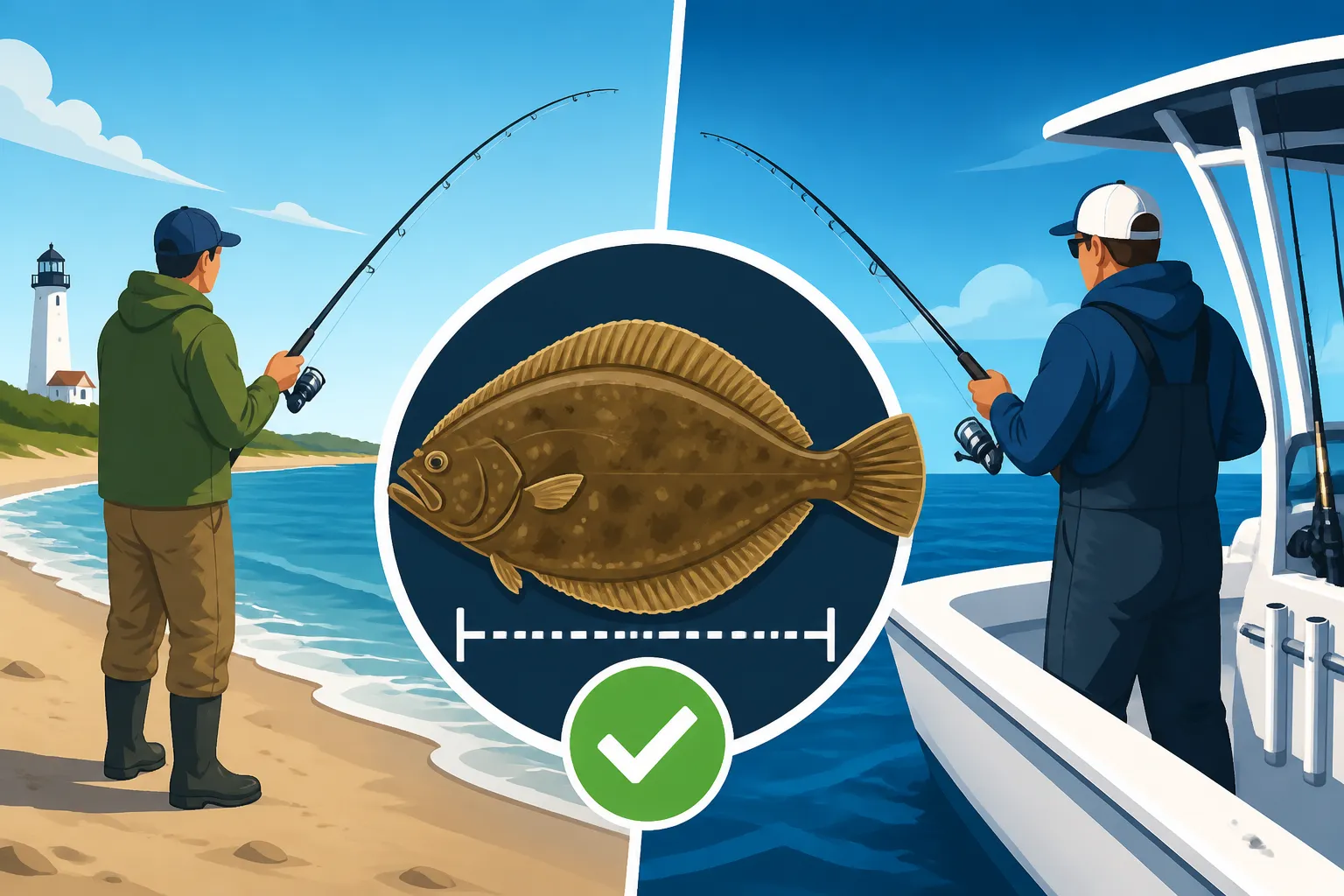
For those of us who prefer the solitude of a sandy beach, the challenge of surfcasting, or the convenience of a pier, the minimum size for keeping a summer flounder is generally more forgiving than for boat anglers. Currently, shore anglers in Massachusetts must adhere to a minimum size limit of 16.5 inches total length for fluke. This applies to anyone fishing from shore, a jetty, a pier, or any other land-based structure that isn't considered a vessel.
Think about standing on a Cape Cod beach, casting out beyond the waves. You feel that distinctive thump, reel in your catch, and pull a beautiful fluke onto the sand. Before you even think about putting it in your bucket, you'll need to lay it flat on a measuring device to ensure it hits that 16.5-inch mark. Many anglers carry a foldable measuring tape or a dedicated fish ruler, which you can easily find on Amazon, to quickly verify their catch. This regulation acknowledges that shore anglers might have different access to prime fishing grounds and often use different techniques than those on boats, sometimes making it harder to target larger fish consistently.
Minimum Size for Boat Anglers
If you're launching your boat into Nantucket Sound, Buzzards Bay, or even just fishing from a kayak in a coastal estuary, the rules for fluke get a little stricter. For anglers fishing from a private vessel in Massachusetts, the minimum size limit for summer flounder is 17 inches total length. That's half an inch more than your shore-bound counterparts.
This means that if you're out on your center console, drifting a bucktail jig and a Gulp! Grub, and you boat a fluke, it must be a full 17 inches from the tip of its snout to the end of its tail, with the tail compressed, before it can go into the cooler. This half-inch difference might seem small, but it's significant when you're on the water. Many boat anglers invest in boat-mounted rulers or dedicated fish boards that make quick, accurate measurements easy. Ensuring your measuring device is accurate is crucial; a slightly off measurement could be the difference between a legal catch and a citation.
Why the Distinction Exists
You might be asking, "Why the different rules for a mere half-inch? It seems arbitrary!" However, there's a reason behind this distinction, which stems from the differing fishing pressures and accessibility. Typically, anglers fishing from boats have access to a wider range of fishing grounds, including deeper waters and more productive structures that might hold larger fish. They can often follow schools of fish more easily and employ techniques that target bigger specimens.
Shore anglers, on the other hand, are limited by geography and casting range. They often target fluke that are closer to shore, which can sometimes mean encountering a higher proportion of smaller, sub-legal fish. By allowing a slightly smaller size limit for shore-based fishing, state agencies aim to provide a more equitable fishing opportunity across different user groups, ensuring that a reasonable catch is still possible for those without a boat, while still protecting the overall health of the fluke population by keeping the boat limit higher. It’s a balancing act, trying to ensure fair access for everyone while prioritizing conservation.
Beyond Length: Fluke Seasons, Bag Limits, and Measuring Best Practices
While knowing the minimum size is paramount, it's only one piece of the puzzle. To be a truly responsible and successful fluke angler in Massachusetts, you also need to be aware of when you can fish, how many fish you can keep, and how to properly measure your catch.
Massachusetts Fluke Season and Daily Limits
The season for summer flounder in Massachusetts typically runs through the warmer months, allowing anglers to target them during their peak migratory period when they are abundant in coastal waters. The exact dates can shift slightly each year, but it generally starts in late spring or early summer and extends into the fall. For example, in recent years, the season for fluke has often opened in May and continued through the summer and early fall. To know the precise dates for the upcoming year, always check the MassDMF website or the most recent Massachusetts Freshwater Fishing License Costs and Rules guide.
Beyond the minimum size, there's also a daily bag limit that specifies how many fluke you can keep per angler per day. This limit is uniform for both shore and boat anglers and is typically set at five fluke per person per day. This is another critical conservation measure to prevent overfishing and distribute the harvest more evenly among anglers. Imagine a scenario where you've had an incredible day on the water, catching fluke left and right. Even if every fish is well over the legal minimum, you still can't keep more than five. It's about respecting the resource and understanding that our individual catches contribute to the larger picture of sustainability.
Here’s a quick overview of the key regulations:
| Regulation Type | Shore Angler | Boat Angler |
|---|---|---|
| Minimum Size | 16.5 inches | 17 inches |
| Daily Bag Limit | 5 fish | 5 fish |
| Season | Typically late spring to early fall (check current MassDMF regulations for exact dates) | Typically late spring to early fall (check current MassDMF regulations for exact dates) |
Accurate Measurement is Key
A slight mismeasurement can turn a legal catch into a violation, so precision is important. Here's how to measure a fluke correctly:
- Lay the Fish Flat: Place the fish on a flat surface, such as a measuring board, ruler, or tape measure. This ensures you get an accurate, uncurled length.
- Mouth Closed: Ensure the fish's mouth is completely closed. Starting the measurement with an open mouth can add extra length.
- Snout to Tail: Measure from the tip of the longest jaw (snout) to the end of the tail fin.
- Tail Compression: This is crucial for fluke. Gently squeeze the tail lobes together so that they form a straight line. This "compressed" measurement is what counts. Do not fan out the tail.
- Read Clearly: Read the measurement at the furthest point of the compressed tail. If it's even a hair under the legal limit, it must go back into the water.
It's a good idea to practice measuring a few fish (even short ones) to get the hang of it. You can find robust, saltwater-resistant measuring tapes and rulers specifically designed for fish on sites like Amazon, often featuring clear markings and durable materials that stand up to the marine environment.
Essential Gear for Responsible Fluke Angling
Beyond your rod, reel, and favorite fluke lures (like the popular Gulp! Alive! baits or bucktail jigs), having the right accessories for responsible fishing is paramount.
- Measuring Device: As mentioned, a reliable, easy-to-read measuring tape or board is non-negotiable. Look for one that's clearly marked in half-inch increments, waterproof, and long enough for potential trophy fluke. Many fishing vests even have built-in retractable measuring tapes for convenience.
- Dehooker/Pliers: To minimize harm to undersized fish, especially those that are gut-hooked, a long-nosed dehooking tool or a good pair of fishing pliers is essential. This allows you to quickly and safely remove hooks without excessive handling.
- Net: A net with a rubberized or knotless mesh is much gentler on fish scales and slime coats than traditional knotted nylon nets. This is particularly important for catch-and-release, helping to ensure that released fish have the best chance of survival.
- Cooler with Ice: For legal-sized fluke you intend to keep, having a cooler with plenty of ice is crucial. It keeps the fish fresh and ensures quality for the dinner table. Remember to bleed your fluke quickly for optimal flavor and texture.
Investing in quality gear from reputable brands, often available through retailers like Amazon, not only makes your fishing experience more enjoyable but also helps you comply with regulations and contribute to the health of the fishery.
Staying Compliant and Contributing to Sustainable Fishing
Fishing in Massachusetts is a privilege that comes with responsibilities. Understanding and adhering to all regulations, not just fluke minimum sizes, ensures that these precious resources remain abundant for future generations.
Understanding Penalties for Non-Compliance
It can be tempting to keep a fish that's just a hair shy of the legal limit, especially after a long day with no other bites. However, the penalties for fishing without a license or for keeping undersized fish in Massachusetts can be significant. Fisheries enforcement officers patrol coastal areas and conduct checks at boat ramps, docks, and even on the water. If you're caught with an undersized fluke, or exceeding the bag limit, you could face fines that range from hundreds to thousands of dollars, confiscation of your catch, and potentially even revocation of your fishing privileges.
These penalties aren't meant to be punitive for the sake of it; they're designed to deter illegal activity that harms fish populations. The costs of enforcement and the resources dedicated to managing these fisheries are substantial, and fines help to offset these expenses while also sending a clear message about the importance of compliance. Always remember that conservation is a shared responsibility, and every angler plays a role in upholding the rules.
Accessing Up-to-Date Regulations
Given that regulations can change periodically based on stock assessments and management decisions, it's paramount to always consult the most current information before you head out. Don't rely on what you heard last year or from a friend of a friend.
Here are the best ways to ensure you have the latest rules:
- MassDMF Website: The official Massachusetts Division of Marine Fisheries (MassDMF) website is your go-to source. They publish updated recreational fishing regulations as soon as they are finalized.
- MassFishHunt Portal: If you're buying or renewing your Massachusetts fishing license online, the MassFishHunt system often provides direct links to the current regulations. This is also where you manage your license, so it's a good habit to check for updates when you're there. You can learn more about How MassFishHunt Works for Buying a Massachusetts License.
- Local Bait and Tackle Shops: These local businesses are usually well-informed and often have printed copies of the current year's Massachusetts Recreational Fishing Rules and Bag Limits booklet. They are a fantastic resource for local tips and regulations.
- Fishing Apps: Many popular fishing apps now integrate local regulations directly into their platforms, providing convenient access on your smartphone. Just make sure the app sources its data directly from official state agencies.
By staying informed and always double-checking, you can contribute positively to the sustainability of the Massachusetts fluke fishery and ensure every fishing trip is enjoyable and compliant.
Disclaimer
The information provided in this guide is for general informational purposes only and is subject to change. While we strive to offer accurate and up-to-date content, fishing regulations, including minimum sizes, bag limits, and seasons, are set by the Massachusetts Division of Marine Fisheries (MassDMF) and can be modified at any time. It is the individual angler's responsibility to consult the official MassDMF website or relevant state publications for the most current and legally binding regulations before engaging in any fishing activity. Reliance on any information in this guide is solely at your own risk.