Whether a Massachusetts hunting license also covers fishing
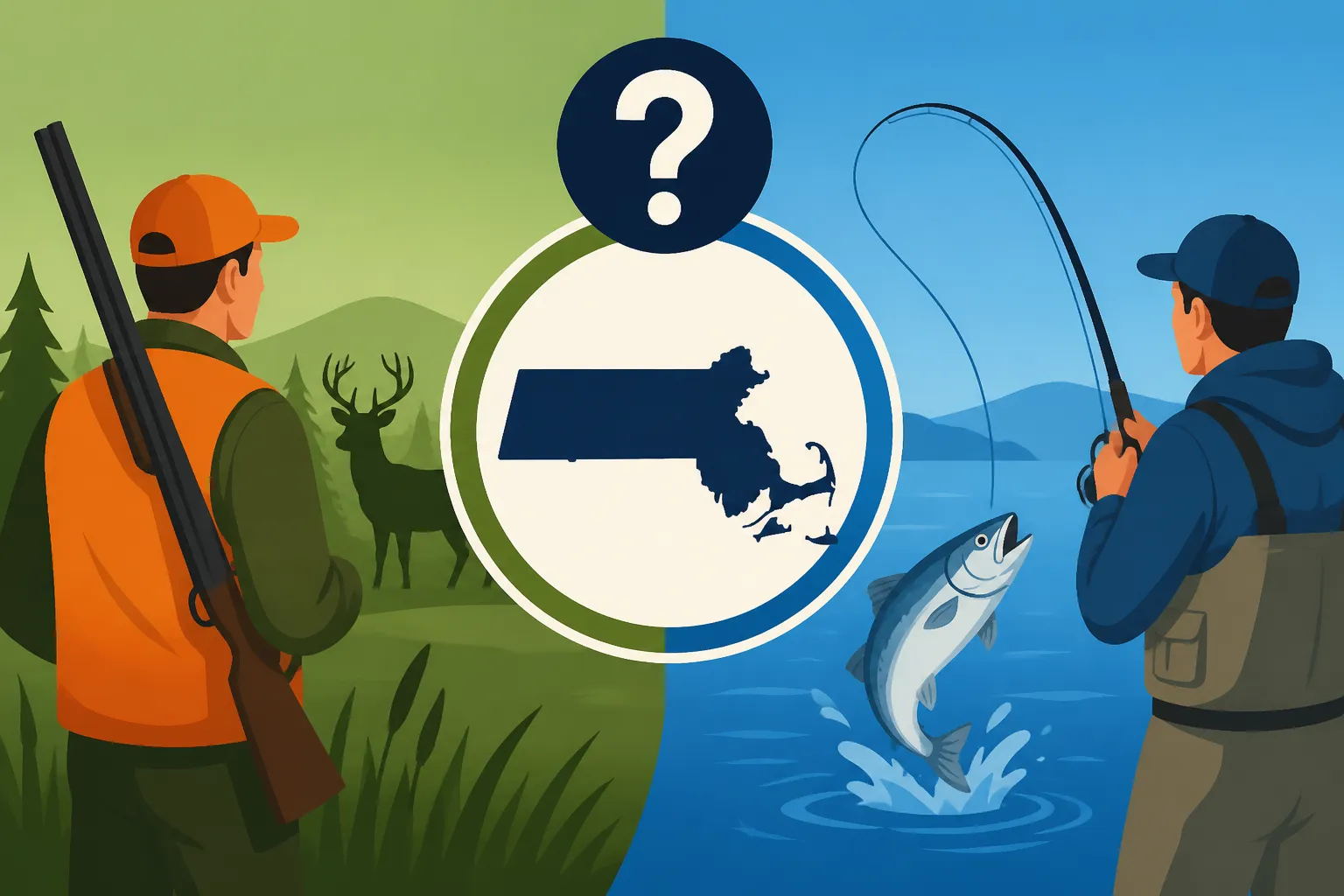
It's a common point of confusion for outdoor enthusiasts in Massachusetts: you've got your hunting license in hand, ready for adventure, but then you wonder if it automatically covers you for a quick fishing trip. It’s an entirely valid question, especially since both activities are managed by the same state agency. This guide is here to untangle that line, explaining precisely what a Massachusetts hunting license covers, what it doesn't, and what you need to legally enjoy both hunting and fishing in the Bay State.
Understanding Massachusetts Licensing Foundations
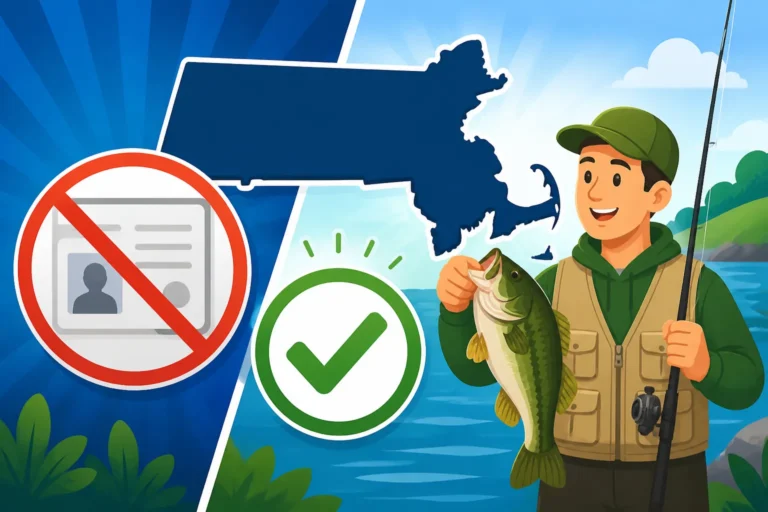
For many folks, especially those new to the area or just getting into outdoor pursuits, the licensing system can seem a bit opaque. The fundamental principle in Massachusetts is that hunting licenses and fishing licenses are distinct and do not inherently cover each other. This means a standard hunting license on its own won't grant you permission to fish, and a fishing license won't let you legally hunt game.
The Massachusetts Division of Fisheries and Wildlife (MassWildlife) is the governing body for all hunting, fishing, and trapping activities in the Commonwealth. Their primary mission is conservation, and the revenue generated from license sales is crucial for funding vital programs. These programs include habitat preservation, fish stocking, wildlife research, and enforcement. When you purchase a license, you're directly contributing to these efforts, ensuring healthy and sustainable populations for generations to come. It’s a system designed to funnel resources where they are most needed, based on the specific impacts and needs of each activity.
Why Separate Licenses for Separate Pursuits?
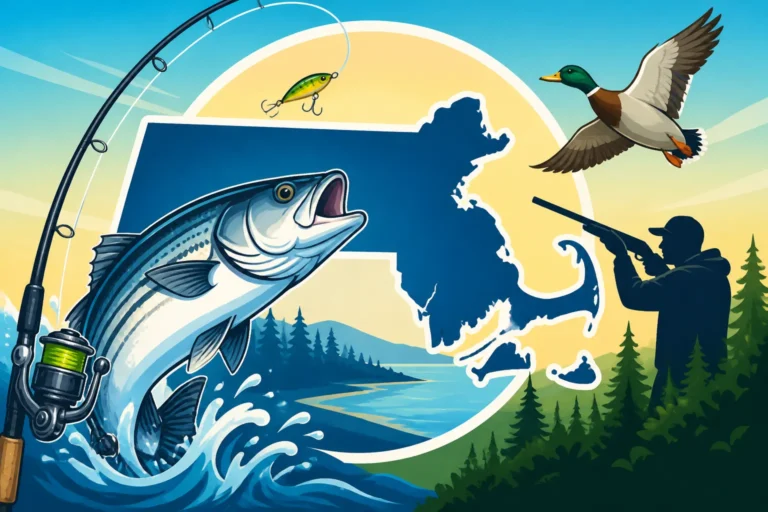
The separation of hunting and fishing licenses isn't arbitrary; it's a carefully considered approach to wildlife and fisheries management. Imagine trying to manage the highly migratory striped bass population with the same set of regulations and funding sources as the deer herd in central Massachusetts. It simply wouldn't be effective.
- Hunting Licenses: These licenses grant the privilege to hunt and take specific game species within designated seasons and bag limits. To even obtain a hunting license in Massachusetts, individuals typically must first complete a state-mandated Hunter Education course, which focuses heavily on firearm safety, wildlife biology, and ethical hunting practices. Beyond the general license, specific permits are often required for different game, such as deer, turkey, or migratory waterfowl, each with its own set of rules and conservation needs.
- Fishing Licenses: These licenses authorize individuals to fish in the Commonwealth’s public waters. Much like hunting, fishing is broken down into specific categories: freshwater and saltwater. Each category has its own distinct regulations, species-specific limits, and conservation challenges. The funds from fishing licenses are directly invested back into aquatic ecosystems, supporting initiatives like trout stocking programs, monitoring water quality, and researching fish health.
This segregated licensing structure allows MassWildlife to implement targeted management strategies and allocate funds efficiently. It ensures that the dollars spent by anglers go towards supporting fish populations and aquatic habitats, while hunter dollars support game animals and terrestrial ecosystems.
What Massachusetts Licenses Do You Actually Need?
Navigating the specific requirements for hunting and fishing in Massachusetts can feel a bit like reading a map in the dark, but it’s quite clear once you know what you’re looking for. Let’s illuminate the path and clarify the essential credentials for each activity.
The Essential Fishing Credentials
If your idea of a perfect day involves a rod and reel, you absolutely need to make sure you have the correct fishing license for the waters you plan to fish. Getting caught without one can lead to significant fines and a ruined day on the water.
- Freshwater Fishing License: This is your fundamental pass for fishing in any of Massachusetts' ponds, lakes, rivers, and streams. If you’re 15 years old or older, whether you’re casting for bass, trying your luck with trout, or simply enjoying some panfish action, a valid freshwater license is required. Massachusetts offers various options, including annual licenses for residents and non-residents, and even short-term licenses for visitors who might only be in the state for a few days. For comprehensive details on costs and specific regulations, our guide on Massachusetts Freshwater Fishing License Costs and Rules is an excellent resource.
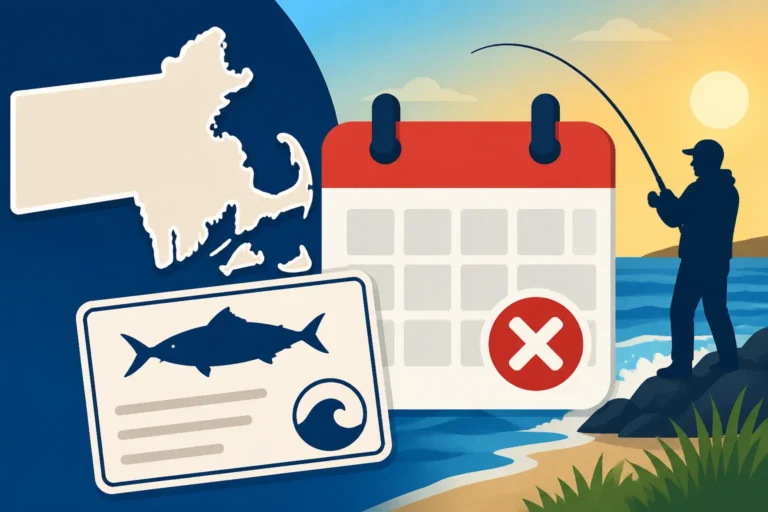
- Saltwater Recreational Fishing Permit: Planning a trip to the coast? Whether you’re surfcasting on Cape Cod for striped bass, bottom fishing for tautog, or chasing bluefish from a boat, you’ll need a Massachusetts Saltwater Recreational Fishing Permit. This permit is separate from a freshwater license and applies to anyone fishing in marine waters, regardless of age (though those 60 and over receive a free permit). It’s a critical component for managing and conserving our valuable marine resources. You can dive deeper into this requirement by reading our detailed article, Massachusetts Saltwater Recreational Fishing Permit Explained.
- Wildlands Conservation Stamp: This is a piece of the puzzle that often surprises people, but it's incredibly important. Almost everyone aged 12 or older who purchases any hunting, fishing, or trapping license in Massachusetts is also required to buy the Wildlands Conservation Stamp. This stamp is a direct investment in the preservation of open spaces and wildlife habitats across the state, with all funds dedicated to the Wildlands Fund. It's a small fee that has a monumental impact on protecting the very places we love to hunt and fish. We encourage you to learn more about its profound effect in our detailed explanation, The Massachusetts Wildlands Conservation Stamp Explained.
Even if your intention is purely catch-and-release, the license requirements remain the same. It's all about ensuring sustainable practices and contributing to the conservation efforts that keep our natural resources thriving.
The Requirements for Massachusetts Hunters
For those who feel most at home in the woods, hunting in Massachusetts also comes with a clear set of requirements designed to ensure safety, ethical practices, and the long-term health of wildlife populations.
- Hunting License: To legally hunt any game animal in Massachusetts, a valid hunting license is non-negotiable. As mentioned, new hunters must typically pass a state-approved Hunter Education course covering critical topics like firearm safety, ethical hunting, and wildlife regulations. This foundational course is paramount for responsible hunting.
- Specific Permits and Stamps: Just like with fishing, hunting often requires additional permits depending on the species you're pursuing. For instance, if you're targeting white-tailed deer, you'll need specific deer permits for the zone you plan to hunt. Turkey hunters require a special turkey permit. Migratory bird hunters, including those pursuing ducks and geese, need a Massachusetts Migratory Game Bird Stamp and a Federal Duck Stamp. This system of layered permits allows MassWildlife to precisely manage different species and habitat needs.
All these licenses and permits are readily available through the MassFishHunt online licensing system, which provides a convenient platform for purchasing and managing your credentials. Many authorized vendors, such as sporting goods stores (you might even find a great new game call or hunting vest on Amazon before heading out) and town clerks, also offer in-person purchasing options. If you're looking for a step-by-step guide to the online process, our article on How to Buy a Massachusetts Fishing License Online offers helpful instructions that apply to purchasing most licenses through the MassFishHunt platform.
The Massachusetts Combination Hunting and Fishing License: A Streamlined Choice
While a basic hunting license doesn't cover fishing, Massachusetts understands that many residents enjoy both pursuits. For these multi-sport outdoor enthusiasts, there’s a convenient and cost-effective solution: the Massachusetts Combination Hunting and Fishing License. This is the primary exception to the rule of separate licenses and offers a streamlined approach for eligible residents.
What Does the Combination License Cover?
The Combination Hunting and Fishing License acts as a bundled package, granting the privileges of both a general hunting license and a freshwater fishing license under a single permit. This option is designed to make it easier and often more affordable for Massachusetts residents who participate in both activities regularly.
Specifically, it covers:
- Hunting Privileges: It allows you to legally hunt specified game animals and birds in Massachusetts, provided you adhere to all state regulations, seasons, bag limits, and any additional required permits (e.g., deer permits, turkey permits, migratory bird stamps).
- Freshwater Fishing Privileges: It grants you the right to fish in all inland waters of Massachusetts, subject to all freshwater regulations regarding species, size limits, and daily catch limits.
It is absolutely crucial to note what the Combination Hunting and Fishing License does NOT include: the Massachusetts Saltwater Recreational Fishing Permit. If you purchase the combination license and also plan to fish in the ocean or any tidal waters, you must still acquire the saltwater permit separately. This reinforces the distinct management and funding mechanisms for freshwater versus marine resources within the state. For a more detailed look at this specific offering, check out our guide on the Massachusetts Combination Hunting and Fishing License.
Eligibility and How to Obtain Your Combination License
To qualify for a Combination Hunting and Fishing License, you need to meet a few key criteria:
- Residency: This license is exclusively for Massachusetts residents. To be considered a resident for licensing purposes, you generally need to have maintained a permanent domicile in Massachusetts for at least six consecutive months immediately preceding your application. This ensures that the benefits of resident pricing and combined licenses are directed towards those who live and contribute to the state's conservation efforts year-round.
- Age and Education: You must satisfy the minimum age requirements for both hunting and fishing (typically 15 years old for fishing) and, if it's your first time purchasing a hunting license, you must have successfully completed a state-approved Hunter Education course or have proof of a prior hunting license from another state.
The most convenient way to purchase your Combination Hunting and Fishing License is through the MassFishHunt online licensing system. This user-friendly platform allows you to create an account, manage your existing licenses, and purchase new ones from anywhere with internet access. If you're new to the digital system, our MassFishHunt account setup guide provides clear instructions to get you started. Alternatively, you can always visit an authorized license vendor, such as a local sporting goods store or town clerk's office, for an in-person transaction.
Advantages of Choosing the Combination License
Opting for the Combination Hunting and Fishing License brings several notable benefits:
- Cost Efficiency: While the savings aren't usually massive, purchasing the combination license is typically more economical than buying a separate hunting license and a separate freshwater fishing license individually. It’s a smart choice for those who routinely engage in both activities.
- Streamlined Management: Having one primary document that covers both hunting and freshwater fishing simplifies your life. You have fewer pieces of paper or digital permits to keep track of, reducing the chance of forgetting one when you head out into the field or onto the water.
- Enhanced Conservation Support: By choosing this license, you're making a direct and impactful contribution to MassWildlife's comprehensive conservation efforts for both terrestrial and aquatic ecosystems, helping to sustain the diverse wildlife and fish populations across the state.
Navigating Regulations and Proof of Licensure
Securing the correct license is just the first step. To ensure a legal and enjoyable experience, you also need to be well-versed in the specific regulations for your chosen activities and always carry proper proof of your licensure. This isn't just about avoiding trouble; it’s about responsible engagement with Massachusetts' natural resources.
Mastering the Rules for Each Activity
Massachusetts' hunting and fishing regulations are detailed and can vary significantly based on the species, location, and time of year. Simply possessing a license isn't enough; you must be intimately familiar with the rules that apply to your specific pursuit.
For example, a striped bass angler needs to know the current slot limit and daily bag limit, which are subject to change based on conservation needs. A trout angler must be aware of which specific bodies of water are open to fishing, if there are any seasonal closures, or gear restrictions. Similarly, hunters must understand the specific seasons for different game animals (e.g., archery, shotgun, primitive firearms deer seasons), and which management zones apply to their hunting grounds.
MassWildlife consistently publishes up-to-date regulations. They offer annual guides for freshwater and saltwater fishing, as well as separate pamphlets for hunting regulations. These resources are invaluable. You can typically download the most current versions directly from the MassWildlife website or pick up physical copies at various license vendor locations and tackle shops. To ensure you're always operating within the law, it's wise to frequently check for updates, and our guide on where to find the Massachusetts fishing regulations pamphlet can point you in the right direction.
Always Carry Proof of Your License
This point cannot be stressed enough: when you are actively hunting or fishing in Massachusetts, you are legally required to carry proof of your valid license and any necessary permits. Environmental police officers conduct routine checks, and being unprepared can lead to significant headaches.
- Physical Copy: The traditional and often most reliable method is to carry a printed copy of your license. When you purchase online through MassFishHunt, you'll be prompted to print your license at home. Many experienced outdoors people laminate their licenses to protect them from the elements, a smart move for durability, especially for anglers who are often near water.
- Digital Copy: Embracing modern convenience, MassWildlife generally accepts a clear digital image of your license displayed on a smartphone or other mobile device. This is a popular option given how ubiquitous smartphones are. However, if you rely on a digital copy, ensure your device is fully charged, the screen is in good working order, and the image is easily accessible. A dead phone battery or a cracked screen could render your proof unavailable at a critical moment. Products like waterproof phone cases, widely available on platforms like Amazon, are a great investment for protecting your device and ensuring your digital license remains accessible in wet or rugged environments. For more detailed information on acceptable forms of proof, refer to our article on Carrying Proof of Your Massachusetts Fishing License.
Failure to produce a valid license or permit upon request, even if you genuinely purchased one, can result in citations and fines. In more serious cases, fishing or hunting without the proper licensure can lead to substantial penalties, including the confiscation of gear. Our guide on Penalties for Fishing Without a License in Massachusetts provides a clear overview of the potential repercussions, underscoring the importance of being fully compliant.
Massachusetts License Comparison at a Glance
To simplify the different licensing options and their coverage, here's a helpful table:
| License Type | Covers Hunting? | Covers Freshwater Fishing? | Covers Saltwater Fishing? | Additional Required Permits/Stamps? | Best For… |
|---|---|---|---|---|---|
| Standard Massachusetts Hunting License | Yes | No | No | Wildlands Conservation Stamp (usually), species-specific permits (deer, turkey, migratory birds) | Individuals solely focused on hunting. |
| Standard Massachusetts Freshwater Fishing License | No | Yes | No | Wildlands Conservation Stamp (for age 12+ purchasers) | Individuals solely focused on freshwater angling. |
| Massachusetts Saltwater Recreational Permit | No | No | Yes | None (unless part of a combo that requires Wildlands Stamp for age 12+ purchasers) | Individuals solely focused on saltwater angling. |
| Massachusetts Combination Hunting and Fishing License | Yes | Yes | No | Wildlands Conservation Stamp, species-specific hunting permits (deer, turkey, migratory birds) | Massachusetts residents who enjoy both hunting and freshwater fishing. |
In summary, while your hunting license won't allow you to fish by default, the Combination Hunting and Fishing License offers a fantastic, integrated solution for Massachusetts residents who love both freshwater angling and hunting. Just remember to add that separate saltwater permit if you're planning any coastal adventures!
Disclaimer
The information contained within this guide is intended for general informational purposes only and is subject to change. Regulations regarding hunting and fishing in Massachusetts are established and periodically updated by the Massachusetts Division of Fisheries and Wildlife (MassWildlife). It is the sole responsibility of each individual angler or hunter to consult the most current official MassWildlife regulations and guidelines before participating in any hunting or fishing activities. This guide does not provide legal advice, and users should always refer to official state sources for the most accurate and up-to-date information.