Massachusetts fishing license rules for foreign visitors
Planning a fishing trip to Massachusetts as a foreign visitor can feel like navigating a complex maze of regulations, especially when you're already dealing with travel logistics and different legal systems. Many international anglers arrive eager to experience the Bay State's renowned waters, only to feel overwhelmed by the process of securing the right permits. This comprehensive guide will break down everything you need to know about Massachusetts fishing license rules for foreign visitors, ensuring you spend less time stressing and more time enjoying our beautiful lakes, rivers, and coastal waters.
Understanding Massachusetts Fishing License Requirements for Foreign Visitors
Before you even think about casting a line in Massachusetts, it's crucial to understand the licensing system. Unlike some countries where a single permit might cover all recreational fishing, Massachusetts, like many U.S. states, separates licenses by water type and distinguishes between residents and non-residents. For a foreign visitor, you'll almost always fall under the "non-resident" category, which has its own set of rules and costs.
Resident vs. Non-Resident Status: What It Means for You
When it comes to purchasing a fishing license in Massachusetts, your legal residency status is the first and most important distinction. As a foreign visitor, you are considered a non-resident. This designation impacts the cost of your license and, in some cases, the types of licenses available to you. Even if you're staying in Massachusetts for an extended period for tourism or visiting family, if your permanent address is outside of the United States, you will be treated as a non-resident for licensing purposes.
This non-resident status is clearly defined by the state's wildlife agencies, like the Massachusetts Division of Fisheries and Wildlife (MassWildlife). They base this on your primary domicile and legal proof of residency. It’s not about how long you're visiting but where your legal home base is. So, don't expect to qualify for resident pricing, which is typically lower to encourage local participation in conservation efforts.
While it might feel a bit unfair to pay more as a visitor, remember that these fees contribute directly to the management and conservation of Massachusetts's diverse fisheries, maintaining the very natural resources you're coming to enjoy. Think of it as your contribution to preserving the state's beautiful fishing opportunities for everyone.
Freshwater vs. Saltwater: Two Different Permits, One Goal
Massachusetts fishing is broadly divided into two distinct categories: freshwater and saltwater. And yes, you guessed it, each requires a different type of permit. This is a common point of confusion for visitors, who might assume one license covers everything. It absolutely does not, and fishing with the wrong license can lead to fines.
If your plan is to fish in ponds, lakes, rivers, or streams — places like the scenic Connecticut River Fishing in Massachusetts or the many beautiful ponds near the Berkshires — you will need a freshwater fishing license. This permit covers species such as trout, bass, pickerel, and panfish. The rules for these waters are generally managed by MassWildlife.
Conversely, if you're dreaming of reeling in striped bass, bluefish, or cod from the Atlantic Ocean, Cape Cod Bay, or even Boston Harbor, you'll need a Massachusetts Saltwater Recreational Fishing Permit. This is often just called a "saltwater permit" or "marine permit." This permit is required for any recreational fishing in marine waters, whether you're fishing from a boat, kayak, pier, or even surfcasting from a beach like those on Cape Cod. It's important to understand the nuances of the Massachusetts Freshwater vs Saltwater License Differences before you make your purchase.
Age and Identification Requirements for International Anglers
Just like residents, foreign visitors also have age-related requirements when it comes to fishing licenses. Generally, anyone aged 15 or older needs a license to fish in Massachusetts waters. This applies whether you're fishing in freshwater or saltwater. Children under 15 typically do not need a license, which is wonderful news for families traveling with young aspiring anglers. You can find more specific details on Massachusetts Fishing License Requirements by Age if you're planning a family trip.
When purchasing your license, whether online or in person, you'll need proper identification. For foreign visitors, this usually means a valid passport. Depending on the method of purchase and the vendor, you might also need to provide your visa information or proof of your current address while visiting (e.g., hotel reservation). It's always best to have multiple forms of ID on hand, including a passport and any relevant visa documents, to ensure a smooth transaction. You won't typically need a Massachusetts-specific ID, but official government-issued identification from your home country is absolutely essential.
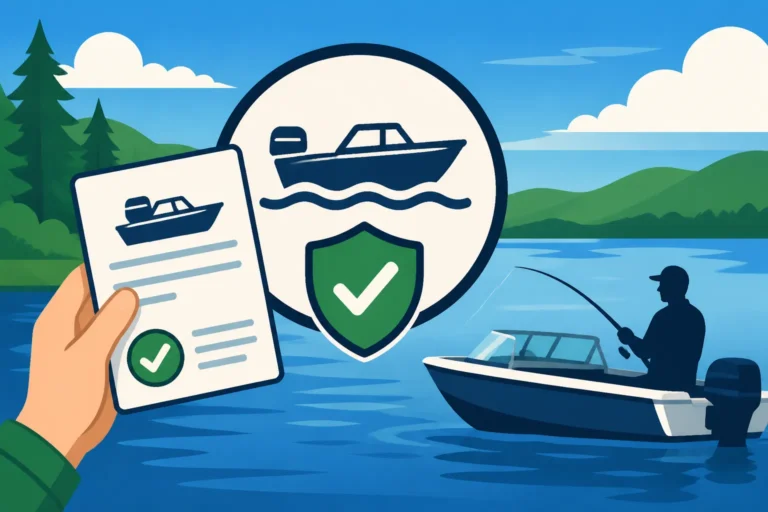
Furthermore, if you're planning on fishing in special areas like the Quabbin Reservoir, you might need additional permits even if you have your state fishing license. These types of unique locations often have their own specific entry and fishing rules to protect their unique ecosystems, which may include additional identification checks or boat permit requirements. Always double-check the rules for your specific fishing destination.
How Foreign Visitors Can Purchase a Massachusetts Fishing License
Once you've wrapped your head around the different types of licenses you might need, the next step is actually buying one. Massachusetts offers several convenient ways to purchase a fishing license, but foreign visitors might find some options easier than others. The state's online system, MassFishHunt, is generally the most straightforward, but in-person purchases are also readily available.
The Online MassFishHunt System: A Step-by-Step for Non-Residents
The MassFishHunt system is the primary online portal for purchasing fishing and hunting licenses in Massachusetts, and it's certainly an option for foreign visitors. The website is fairly intuitive, and it allows you to purchase either a freshwater license or a saltwater permit. To get started, you'll typically need to create an account if you don't already have one. You can find a detailed MassFishHunt account setup guide if you need assistance.
When creating your account, you'll be prompted to enter personal information, including your name, date of birth, and address. As a non-resident, you'll simply enter your home country address. The system will then categorize you as a non-resident, and you'll see the corresponding prices. You'll need a valid credit or debit card for payment, and it's wise to ensure your card is set up for international transactions to avoid any issues. After successful payment, you can immediately print your license at home, or save it to your phone. It's crucial to remember that Carrying Proof of Your Massachusetts Fishing License is a legal requirement.
One thing to be aware of is that the MassFishHunt system might require an address format that's more common in the U.S. If you encounter issues with your international address, try to adapt it to fit the typical street address, city, state, zip code format, or contact MassWildlife directly for assistance. Don't forget that most online purchases will also incur a small processing fee, so factor that into your budgeting.
Buying Your License In Person at Local Vendors
If you prefer a face-to-face transaction or run into issues with the online system, purchasing your Massachusetts fishing license in person is always an option. There are hundreds of licensed vendors across the state, including many sporting goods stores, bait and tackle shops, and some town clerk offices. Larger retailers like Walmart and Dick's Sporting Goods, for instance, often have a dedicated counter for license sales. You can usually find a list of Massachusetts Fishing License Vendor Locations on the MassWildlife website.
When buying in person, you'll need to bring your valid passport and any other supporting identification. Be prepared to fill out a short form with your personal details, including your home address. The vendor will process your information, and you'll receive a physical copy of your license on the spot. This can be a reassuring option for those who prefer tangible proof or who might not have easy access to a printer while traveling.
While in-person purchasing can be convenient, especially if you're already at a tackle shop, do be aware of their operating hours. Weekends and holidays can be busy, so planning ahead is always a good idea. Also, remember that some smaller, local shops might have more limited hours than larger chain stores.
Temporary and Short-Term Options for Tourists
For many foreign visitors, a full-year fishing license might be overkill if they're only planning a short vacation. Thankfully, Massachusetts offers several short-term license options that are perfect for tourists. For freshwater fishing, non-residents can often purchase 3-day or 7-day licenses, which are more economical than the annual permit if your trip is brief. These short-term licenses are ideal for a weekend getaway or a quick fishing excursion during a longer Massachusetts adventure.
Similarly, for saltwater fishing, while there isn't typically a short-term permit like the 3-day freshwater option, the annual saltwater permit is relatively inexpensive compared to many other states and certainly worthwhile even for a week-long trip. It's often the most practical choice for any non-resident looking to fish the coast. You can explore Short-Term Massachusetts Fishing License Options to see what best fits your travel plans.
These short-term options are designed with visitors in mind, providing flexibility and affordability. Always check the MassWildlife website for the most current pricing and availability of these temporary permits, as regulations and offerings can change periodically. This foresight will ensure you select the most suitable and cost-effective license for your time in Massachusetts.
Key Regulations and Practical Advice for Foreign Anglers in Massachusetts
Getting your license is a crucial first step, but it’s just the beginning. Fishing responsibly in Massachusetts means understanding and adhering to the state's comprehensive fishing regulations, which apply equally to foreign visitors and residents alike. Ignorance of the law is not an excuse, and violating regulations can lead to significant penalties.
Mastering Massachusetts Fishing Regulations: Beyond the License
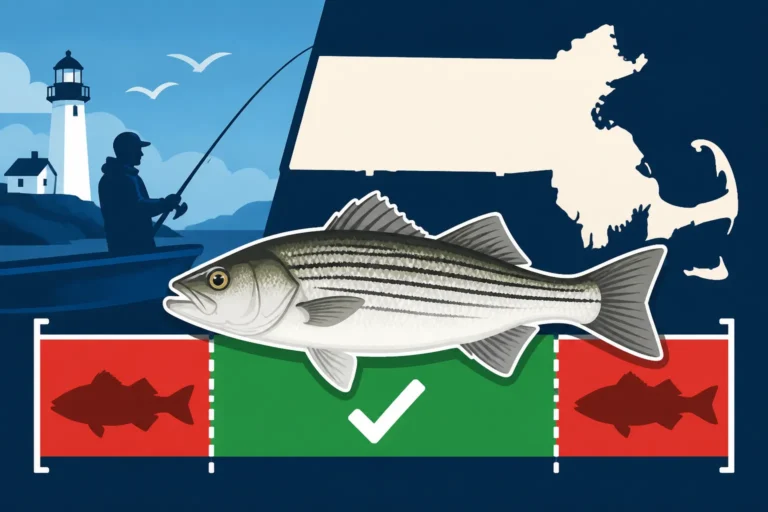
Beyond simply possessing a valid license, every angler in Massachusetts, including foreign visitors, must be familiar with the myriad of rules that govern how and what you can fish for. This includes species-specific regulations such as daily bag limits, minimum and maximum size limits (especially critical for species like striped bass), and open/closed seasons. These rules exist to protect fish populations and ensure sustainable fishing for future generations.
For example, Massachusetts Striped Bass Slot Limit Explained is a regulation that often confuses even experienced anglers, where fish must fall within a specific size range to be legally kept. You can't keep fish that are too small or too large. Similarly, species like tautog have varying bag limits depending on the month. The best resource for all these details is the official Massachusetts Fishing Regulations Pamphlet, Explained, which is updated annually by MassWildlife and is available online and often at license vendors.
It’s also important to be aware of tackle restrictions. For instance, some freshwater bodies might prohibit the use of live bait, or certain lure types. Many areas also have specific rules regarding the number of lines you can fish simultaneously. A quick search on the MassWildlife website for the specific body of water you plan to visit can usually clarify these local nuances. Before you head out, taking a few minutes to review these details can prevent an accidental infraction.
What to Know About Fishing from Charter Boats and Guided Trips
Many foreign visitors opt for the convenience and expertise of a fishing charter or guided trip, especially for saltwater excursions off Cape Cod or deep-sea adventures. This is an excellent way to experience the best of Massachusetts fishing without needing to bring all your own gear or know all the local hot spots. However, a common question arises: Do Charter Passengers Need Their Own Massachusetts Saltwater Permit?
The answer is generally yes, for saltwater fishing. While the charter boat itself and its captain will have commercial licenses, individual recreational anglers on board are typically still required to hold their own valid Massachusetts Saltwater Recreational Fishing Permit. This ensures that every person actively fishing contributes to the conservation fund and is accountable for following bag limits and other regulations. For freshwater guided trips, the same principle applies: you'll need your own freshwater fishing license.
Always confirm the license requirements directly with your chosen charter captain or guide when booking your trip. They will be able to provide the most accurate and up-to-date information for their specific operation and the waters they fish. Some charters may offer assistance in purchasing licenses beforehand, but it's ultimately your responsibility to ensure you are properly licensed before stepping aboard.
Important Considerations and Avoiding Common Mistakes
To make your Massachusetts fishing experience enjoyable and hassle-free, here are a few additional tips for foreign visitors. First, always carry your license with you when fishing. Whether it’s a printed copy or a digital version on your phone, it must be available for inspection by environmental police officers. Failing to produce a license can result in fines, even if you technically have one purchased.
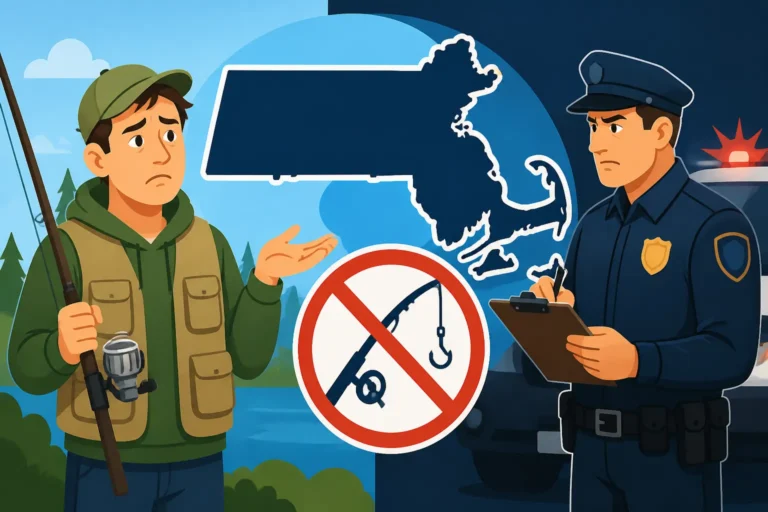
Second, be mindful of where you are fishing. Public access points are plentiful, but some land is private. Respect private property signs and always assume land is private unless clearly marked as public access. This includes docks, piers, and shoreline areas. Thirdly, know the Penalties for Fishing Without a License in Massachusetts. It's not just a slap on the wrist; fines can be substantial, and repeated offenses can lead to more serious consequences, including seizure of gear.
Finally, familiarize yourself with general conservation practices. This includes knowing how to properly release fish if you're practicing catch-and-release, understanding the importance of not littering, and reporting any suspicious activity that could harm local fisheries. Being a responsible angler contributes to the health and longevity of Massachusetts’s incredible natural resources for everyone, including future visitors.
Here’s a quick summary table to help clarify common license types for foreign visitors:
| License Type | Where You Can Fish | Typical Duration | Required For Anglers Aged | How to Purchase | Key Considerations |
|---|---|---|---|---|---|
| Freshwater Fishing License | Lakes, ponds, rivers, streams | Annual, 3-day, 7-day | 15 and older | MassFishHunt (online), Licensed Vendors | Required for all inland fishing. Check for special area permits (e.g., Quabbin). |
| Saltwater Recreational Fishing Permit | Atlantic Ocean, Bays, Estuaries (e.g., Cape Cod Bay, Boston Harbor) | Annual | 15 and older | MassFishHunt (online), Licensed Vendors | Required for any marine fishing, even from shore or on a charter boat. |
Frequently Asked Questions for International Fishermen
It’s completely normal to have a few more questions when planning an international fishing trip. Here, we address some of the most common inquiries foreign visitors have about fishing licenses and regulations in Massachusetts.
Reciprocity with Other Countries or States
A frequent question from international anglers, especially those who might have experience with reciprocal agreements in their home countries, is whether Massachusetts fishing licenses are recognized internationally or even by neighboring U.S. states. The short answer is generally no. Massachusetts fishing licenses are valid only within the boundaries of Massachusetts waters.
If you plan to fish in a nearby state like Rhode Island or Connecticut, you will need to purchase a separate license for those states. There is typically no license reciprocity with other countries or even most other U.S. states when it comes to recreational fishing. So, if your travel plans include fishing across state lines, ensure you've obtained the proper permits for each jurisdiction. It's much like needing a new visa when traveling to a different country, even if they share a border. You can research Out-of-State Fishing License Reciprocity and Massachusetts for specific details regarding bordering states.
Consequences of Fishing Without a Proper License
This is a really important one. Fishing without a valid Massachusetts fishing license (either freshwater or saltwater, depending on where you are) is a violation of state law. The consequences can range from significant monetary fines to the confiscation of your fishing gear, and even, in some cases, your catch. Environmental Police Officers (EPOs) actively patrol Massachusetts waters, both inland and coastal, and they are well-versed in enforcing these regulations.
The fines for fishing without a license can vary, but they are designed to be a deterrent. A first offense might result in a few hundred dollars in fines, and repeated offenses can carry higher penalties. It's simply not worth the risk to save a few dollars on a license. Imagine having your dream fishing trip ruined by a costly penalty and a damaged reputation. It's a much better idea to invest in the proper license, which also contributes to the conservation efforts that make Massachusetts such a fantastic fishing destination.
Special Considerations for Charter Boats or Guided Trips
As mentioned earlier, if you're taking a charter or guided trip, you'll still almost always need your own individual Massachusetts Saltwater Recreational Fishing Permit for saltwater fishing, even though the vessel itself is commercially licensed. This applies to everyone aged 15 and older actively participating in the fishing. This is a common point of confusion, as some visitors assume the boat's license covers everyone.
The only potential exception might be certain "for-hire" vessels that possess specific permits allowing them to cover the fishing license requirements for their passengers. However, these are rare for typical recreational charters. Always, always verify this directly with your charter captain before your trip. When you're spending a good amount of money on a charter, adding the small cost of a fishing permit is a minor expense that ensures your day on the water is legal and worry-free. Many charter captains will even confirm this with you when you book, and some might even have information on where to buy a license, or direct you to buy one through MassFishHunt online.
Disclaimer
Please note that fishing regulations in Massachusetts can change. While this guide provides comprehensive and up-to-date information, it is always recommended to consult the official Massachusetts Division of Fisheries and Wildlife (MassWildlife) website or their current regulations pamphlet for the most accurate and recent rules before your fishing trip.