Gloucester and Cape Ann Fishing Spots
Finding those truly prime fishing spots in a place as renowned as Gloucester and Cape Ann can feel like an insider secret, often guarded by seasoned locals who've spent decades learning the rhythms of the tides and the subtle nuances of the coastline. It's frustrating to arrive at a new area, gear in hand, only to wonder where to even cast your line for a chance at a decent catch. This comprehensive guide is designed to cut through that uncertainty, unveiling the best fishing opportunities, from accessible shore spots to productive offshore grounds, all within the breathtaking landscape of Gloucester and the wider Cape Ann region.
Unraveling the Angling Allure of Gloucester and Cape Ann
Gloucester and the surrounding Cape Ann area aren't just picturesque coastal towns; they're a living testament to New England's deep-rooted fishing heritage. For anglers, this region represents a unique blend of rugged shorelines, sheltered harbors, and rich offshore waters, creating a diverse fishery that draws enthusiasts from all corners. It's a place where history whispers through every creaking dock and crashing wave, a history shaped by generations of fishermen pursuing the bounty of the Atlantic.
Why Cape Ann is a Fishing Mecca
What makes Cape Ann, and specifically Gloucester, such a magnet for anglers? It's a combination of unique geographical features and abundant marine life. The coastline here is incredibly varied, featuring everything from sandy beaches and rocky points to deep channels and a multitude of ledges and wrecks just offshore. This diverse habitat supports an incredible array of fish species throughout the year, from migratory giants like bluefin tuna to inshore favorites like striped bass and cod. You're not limited to one type of fishing here; whether you prefer casting from the beach, jigging from a boat, or heading out into the deep blue, Cape Ann offers it all. The accessibility to both inshore and offshore fisheries from a single port like Gloucester is a significant draw, reducing travel time and maximizing your time with a line in the water.
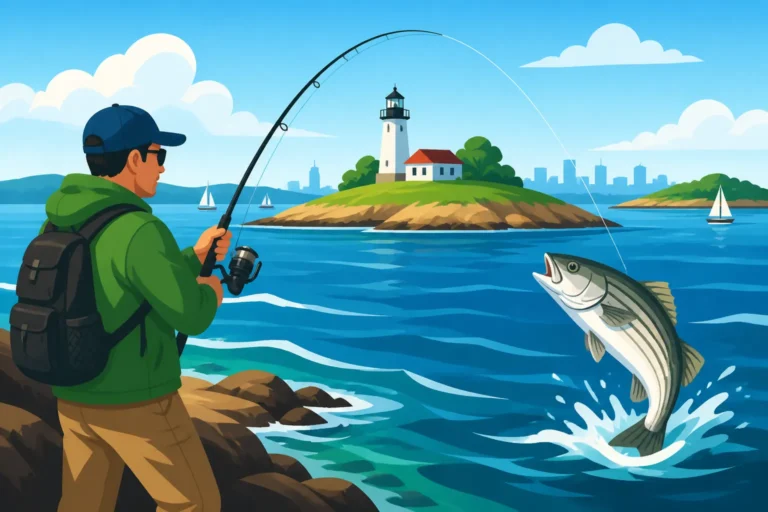
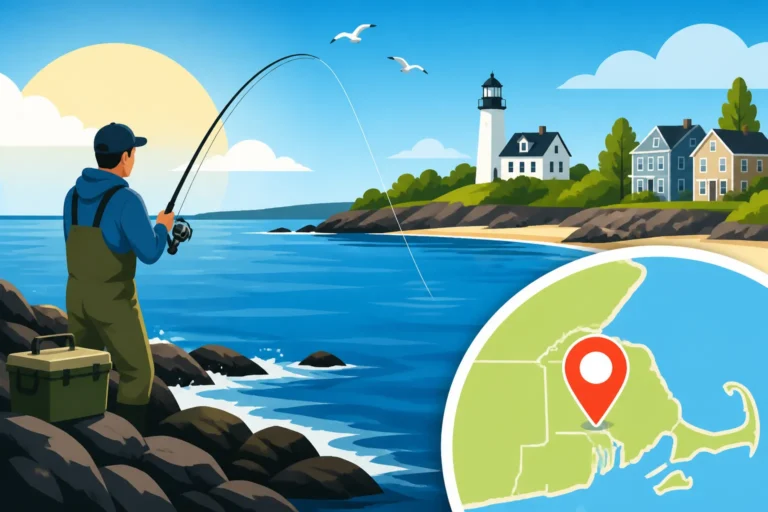
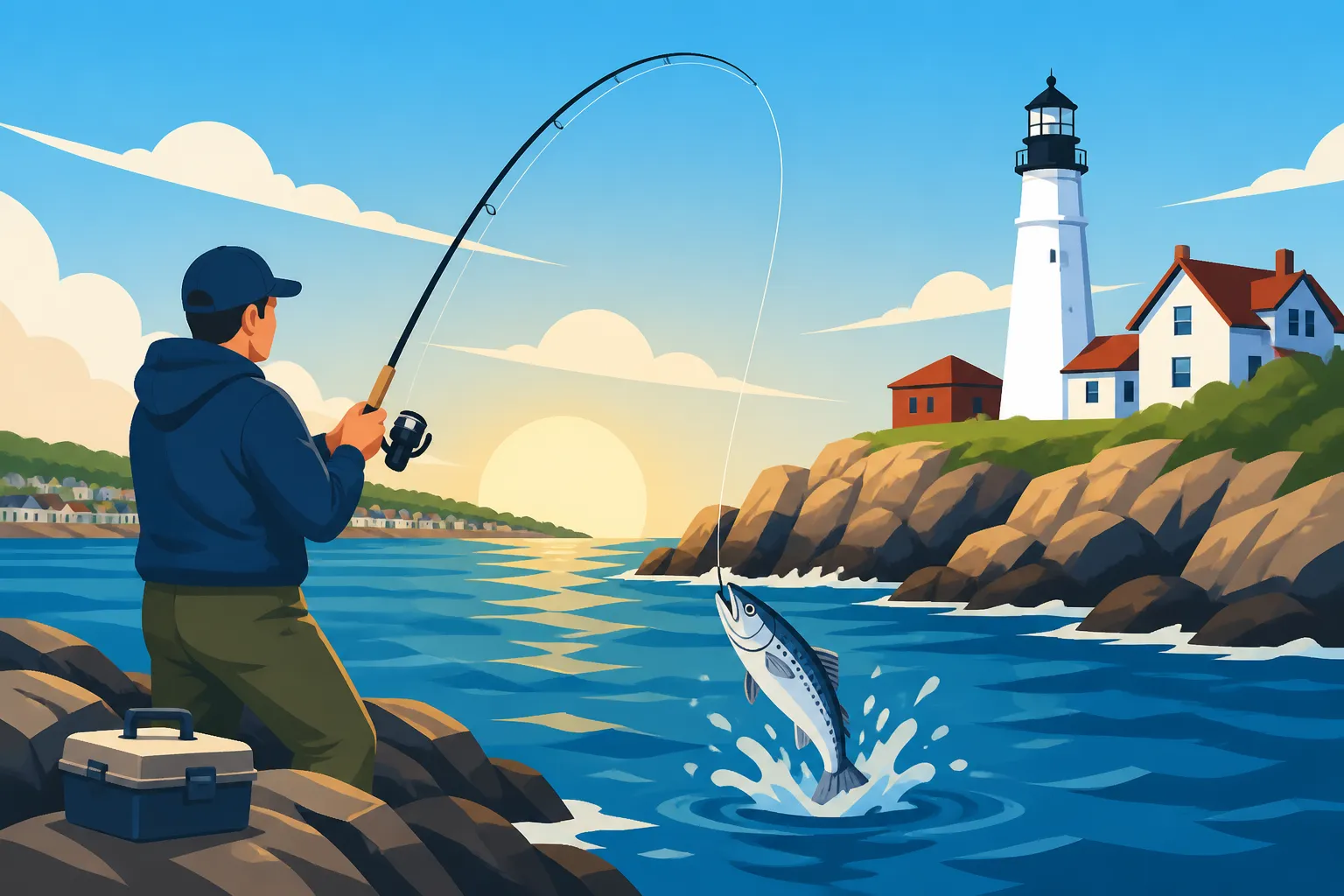
Beyond the sheer number of fish, the natural beauty of the area adds another layer to the experience. Imagine reeling in a feisty striped bass with the iconic Gloucester Lighthouse in the background or watching the sunrise paint the sky while waiting for a bite off Plum Cove. It’s an immersive experience that goes beyond just the catch itself. The local community also embraces its fishing identity, meaning you'll find plenty of bait and tackle shops, knowledgeable charter captains, and fellow anglers eager to share a story or two (though maybe not their secret spot!).
Understanding the Unique Geography for Better Catches
To truly unlock the potential of fishing in Gloucester and Cape Ann, it's helpful to understand the geography that dictates where the fish will be. Cape Ann is essentially a rocky peninsula jutting into the Atlantic, characterized by its granite outcrops, deep coves, and the distinct separation of its eastern and western shores. The eastern side, facing the open ocean, is exposed to more intense currents and wave action, creating excellent surfcasting opportunities and attracting pelagic species closer to shore. Areas like Rockport's rocky shoreline or the eastern beaches of Gloucester offer prime territory for anglers willing to brave the elements.
On the flip side, the western and southern sides, including Gloucester Harbor and Ipswich Bay, are more sheltered. These calmer waters are ideal for smaller boats, kayak fishing, and offer protected spots for bottom fishing or targeting juvenile fish. The deeper channels within Gloucester Harbor, for instance, are natural highways for migratory fish, especially during changing tides. Understanding how the different sections of Cape Ann interact with the ocean currents, tidal flows, and seasonal weather patterns is crucial. For instance, a strong easterly wind might make surfcasting challenging on the exposed eastern shore but could create fantastic fishing conditions in the more protected western coves. Always pay attention to the marine forecast and local tide charts – they are your best friends here.
Prime Shore Fishing Locations Around Gloucester and Cape Ann
For many anglers, the appeal of Massachusetts fishing is found in the simplicity and accessibility of shore fishing. Gloucester and Cape Ann deliver on this front, offering a remarkable variety of spots where you can cast a line without needing a boat. From bustling piers to secluded coves, there’s a shore-based adventure waiting for every skill level.
Accessible Beaches and Rocky Outcrops
When it comes to shore access, you're spoiled for choice in Gloucester and Cape Ann. Sandy stretches like Good Harbor Beach (especially in the cooler shoulder seasons or early mornings/late evenings when crowds are thinner) and Long Beach are fantastic for surfcasting. Here, you'll often find anglers targeting striped bass and bluefish, particularly during the spring and fall migrations. The troughs and channels formed by wave action can hold baitfish, attracting predators. Remember to check local regulations for these popular swimming beaches, as fishing might be restricted during peak daytime hours in summer.
Then there are the numerous rocky outcrops and small coves that dot the entire Cape Ann coastline. Places like Stage Fort Park in Gloucester offer easy access to rocky ledges where you can cast into deeper water. These spots are excellent for targeting striped bass, especially at dawn or dusk, and even some bottom fish like cunner or tautog if you're fishing closer to the rocks with the right bait. Further up the coast in Rockport, areas around Halibut Point State Park provide dramatic scenery and challenging but rewarding rocky shore fishing. Always be mindful of slippery rocks and wave action, and wear appropriate footwear. These rugged spots often require a bit more scrambling but can yield less pressured fish.
Jetties and Piers for Easy Access
Jetties and piers are fantastic options for anglers looking for deeper water access without a boat, and Gloucester has some notable ones. The Dogbar Breakwater at the entrance to Gloucester Harbor is a legendary spot. While a long walk out, it offers exceptional opportunities for striped bass, bluefish, and even pollock, especially when baitfish are moving through the harbor mouth. The current can be strong here, so heavier tackle is often needed. Be extremely cautious of waves breaking over the rocks, particularly during high tides or rough seas. This is not a spot for the faint of heart or inexperienced shore anglers.
Another excellent option is the pier at Stage Fort Park. It's easily accessible and provides a safe platform to fish for a variety of species. Here, you might catch smaller striped bass, mackerel (especially in summer), or various panfish. It's a great family-friendly spot where you can set up a few rods and enjoy the harbor views. For those venturing a bit further, the jetties and seawalls around Rockport Harbor also offer good fishing, often yielding stripers, pollock, and even some cod during cooler months. These structures provide cover and ambush points for predatory fish, making them consistent producers. Always be aware of other recreational users on piers and jetties, and practice good fishing etiquette.
Surfcasting Hotspots
Cape Ann is synonymous with incredible surfcasting. The long, sandy beaches interspersed with rocky points create ideal conditions for chasing migratory fish. Beyond Good Harbor and Long Beach, another top surfcasting destination is the stretch of sand along Wingarsheek Beach (again, mind seasonal restrictions). These beaches are not just about casting far; it's about reading the water – identifying rips, troughs, and sudden drop-offs where fish might hold. During the spring, as the water warms, baitfish like herring and mackerel move into these areas, followed closely by hungry striped bass.
In the fall, the "fall run" brings a surge of activity as fish fatten up before heading south. This is when large schools of bluefish and stripers can be found crashing bait right off the beach. You'll want to have a good surf rod, plenty of casting distance, and an assortment of lures mimicking local baitfish. Think metal lip swimmers, pencil poppers, and bucktail jigs. Always be mindful of the tide and waves, and never turn your back on the ocean. For more in-depth knowledge on techniques, be sure to check out our guide on how to catch striped bass from the surf in Massachusetts. Remember, a valid Massachusetts saltwater recreational fishing permit is a must for any angler over 16, whether you're casting from a beach, pier, or boat.
Productive Boat Fishing Havens
While shore fishing offers fantastic opportunities, getting out on the water opens up a whole new realm of possibilities in Gloucester and Cape Ann. The ability to reach reefs, ledges, and deeper channels means access to a wider variety of species and often, larger fish.
Inshore Havens: Harbors and Bays
Gloucester Harbor itself is a massive and diverse fishery, much more than just a place to launch your boat. The inner harbor, though busy with commercial traffic, holds surprising numbers of fish, especially during periods of strong tides. The numerous docks, pilings, and moored boats provide excellent structure for black sea bass, tautog, and even striped bass. Kayak anglers particularly love exploring these calmer, protected waters. When you’re fishing these spots, consider using light tackle with jigs or small live baits.
Moving slightly out, Ipswich Bay to the west of Cape Ann offers extensive shallower waters and structured bottom, making it a prime spot for striped bass and bluefish. The bay's many flats and rocky areas are teeming with baitfish, attracting predators. It’s also a good area for trolling or drift fishing with live bait or artificials. Look for breaking fish, diving birds, or schools of bait on your fishfinder – these are clear indicators of feeding activity. The calmer waters of Ipswich Bay make it a fantastic choice for anglers in smaller boats or those looking for a less challenging day on the water than the open ocean might present. You can often find some excellent fishing without venturing too far from shore.
Nearshore Reefs and Ledges
Just beyond the sheltered harbors, the nearshore waters of Cape Ann are riddled with rocky reefs, ledges, and submerged structures that are absolute magnets for fish. These areas, typically within a few miles of the coastline, hold a diverse fishery including cod, haddock, pollock, and often larger striped bass. Locations like Stapleton's Ledge, Jeffreys Ledge (the shallower, inshore sections), and various unnamed rocky bottom areas are well-known spots. Anglers often target these areas by drifting with bait (clams, squid) or jigging with diamond jigs or soft plastics.
For black sea bass and tautog, these rocky bottoms are ideal. These species love structure and can be found hugging the bottom. You'll need stout tackle to pull them out of the rocks, and be prepared for snags. These nearshore grounds also become critical staging areas for striped bass and bluefish, especially as they move into and out of the deeper waters. A good depth sounder is invaluable here to pinpoint structure, and knowing the local bathymetry charts will give you a significant advantage. If you're looking to book a guided trip to explore these productive nearshore spots, services like FishingBooker can help you find experienced captains familiar with these specific grounds. For details on various species, our guide on Massachusetts saltwater bag limits by species is an excellent resource.
Offshore Opportunities for Bigger Game
For the adventurous angler with a capable boat, the waters off Gloucester stretch into prime offshore territory, offering some of the most exciting big-game fishing in New England. Beyond the immediate nearshore, areas like Jeffreys Ledge (the deeper sections), Stellwagen Bank, and even further out to the Thumb or Hydrographer Canyon become the hunting grounds for bluefin tuna, sharks, and various offshore pelagic species.
Bluefin tuna fishing is a world-renowned pursuit here, attracting anglers from across the globe. These powerful fish can be targeted by trolling, jigging, or chunking. The season typically runs from late spring through fall, with peak activity often in late summer and early fall. Mackerel and herring are common baits, both live and dead, and heavy-duty tackle is a must. If you're considering a bluefin tuna trip, chartering a boat is often the best approach due to the specialized gear and expertise required. Many excellent Gloucester-based charters specialize in these trips, and platforms like FishingBooker are a great way to explore options for Massachusetts bluefin tuna charters. Beyond tuna, these offshore waters also hold mako and thresher sharks, often targeted on dedicated shark fishing charters. This is a commitment – full-day or even overnight trips are common – but the rewards can be truly epic.
Target Species and Prime Fishing Seasons in Cape Ann
One of the great joys of fishing in Gloucester and Cape Ann is the sheer diversity of species available throughout the year. Knowing what to target and when to target it is key to a successful outing. The dynamic Massachusetts fishing seasons explained by the migration patterns and water temperatures keep things interesting.
| Species | Primary Season | Typical Location | Preferred Bait/Lure | Notes |
|---|---|---|---|---|
| Striped Bass | Late Spring – Fall | Beaches, Jetties, Harbors, Bays | Eels, Mackerel, Sandworms, Poppers, Soft Plastics | Strong fighters, target around structure & moving tides |
| Bluefish | Summer – Early Fall | Beaches, Bays, Offshore | Mackerel, Poppers, Spoons, Jigs | Aggressive, sharp teeth, good for fast action |
| Cod & Haddock | Year-round (best Winter/Spring) | Offshore Reefs & Ledges | Clams, Squid, Jigs | Bottom dwellers, can be found deep, often in conjunction |
| Mackerel | Spring – Fall | Harbors, Nearshore | Sabiki Rigs, Small Spoons, Flashers | Excellent baitfish, fun to catch, often found in schools |
| Tautog | Spring, Fall (peak Oct/Nov) | Rocky Bottoms, Jetties, Wrecks | Crabs (Green, Asian), Clams | Structure-oriented, tricky to catch, delicious meat |
| Flounder (Winter & Summer) | Spring (Winter), Summer (Summer) | Sandy Bottoms, Estuaries | Worms, Clams, Small Jigs | Bottom feeders, light tackle, great table fare |
| Bluefin Tuna | Summer – Fall | Offshore Banks & Canyons | Live Mackerel, Trolling Spreads, Jigs | Powerful, highly sought-after, requires specialized gear |
Prime Time for Striped Bass and Bluefish
If there's one fish that defines saltwater angling in Massachusetts, it's the striped bass. And Cape Ann is absolutely legendary for them. Their season typically kicks off in late spring, usually May, as the fish migrate north along the coast, chasing baitfish. The inshore waters, including the beaches, jetties, and Ipswich Bay, become alive with stripers. Early season tactics often involve livelining mackerel or casting soft plastics. As summer progresses, larger bass can be found in deeper holes within the harbors, around rocky ledges, and along the dramatic currents of the Dogbar Breakwater. The evening and night tides often produce the largest fish, especially for those casting eels or large artificials. For detailed tips on how to catch striped bass in Massachusetts, check out our dedicated guide.
Bluefish typically arrive a bit later, usually by June, and stay strong through early fall. These aggressive predators often follow the same baitfish schools as stripers, leading to explosive topwater action. You'll find them in similar locations—beaches, jetties, and especially in the open waters of Ipswich Bay. They are notoriously hard fighters and will readily strike at poppers, metal spoons, and live mackerel. Remember, bluefish have razor-sharp teeth, so wire leaders are often a good idea to prevent cut-offs. Be aware of the Massachusetts bluefish bag limit and season regulations, as they can change. The "fall run," usually from September into October, sees both stripers and bluefish aggressively feeding before their migration south, providing some of the most exciting fishing of the year.
Bottom Fishing for Cod, Haddock, and Groundfish
While striped bass and bluefish get a lot of attention, Cape Ann also offers excellent opportunities for bottom fishing, particularly for traditional New England groundfish like cod and haddock. These species can be found year-round, but the cooler months, from late fall through spring, often offer the most consistent action. The numerous reefs and ledges off Gloucester, such as the aforementioned Jeffreys Ledge and Stellwagen Bank, are prime habitats.
Anglers typically use bait like clams or squid, fished on a two-hook "high-low" rig, or jig with diamond jigs and soft plastics. Cod are known for their strong pull, while haddock have a distinctive soft bite. You'll often find them in depths ranging from 60 to 200 feet or more, depending on the specific location and time of year. Beyond cod and haddock, other groundfish like pollock, cunner, and various flounders (winter flounder in spring, summer flounder, or fluke, in summer) also inhabit these bottom structures. Tautog, a challenging but delicious bottom fish, also thrives in the rocky structures and wrecks, especially in spring and fall. These bottom fishing trips often require a boat, and many local charters specialize in these kinds of outings.
Seasonal Visitors: Tuna and Mackerel
Beyond the inshore and bottom fish, Cape Ann sees an exciting influx of seasonal visitors, especially pelagic species that provide thrilling action. Mackerel are perhaps the most common and accessible of these. Schools of Atlantic mackerel move into nearshore waters and harbors from spring through fall, providing fast-paced fishing on light tackle, often using Sabiki rigs. They are excellent fun for kids and make superb live bait for striped bass and bluefin tuna.
For the ultimate challenge, bluefin tuna make their presence felt in the offshore waters from early summer through late fall. These apex predators are a bucket-list fish for many, requiring heavy tackle, specialized techniques, and often long days at sea. While incredibly challenging, the reward of battling a giant bluefin is unparalleled. Yellowfin and bigeye tuna can also be found further offshore in the canyons, though they are less common than bluefin closer to shore. Other seasonal visitors include bonito and false albacore, often found zipping around offshore rips and rocky points during late summer and early fall, offering incredible light-tackle action for those targeting them. These speed demons are often pursued by sight casting with small, fast-moving lures.
Essential Tips for Fishing Gloucester and Cape Ann
To truly make the most of your fishing adventures in Gloucester and Cape Ann, a little local knowledge and preparation go a long way. This region presents its own unique challenges and rewards, and being prepared can make all the difference.
Navigating Tides and Currents
Perhaps the most critical factor for success when fishing in Gloucester and Cape Ann is understanding the tides and currents. The strong tidal swings of the Atlantic deeply influence fish behavior, particularly for inshore species like striped bass and bluefish. Moving water concentrates baitfish, creates ambush points for predators, and dictates where fish will feed. For instance, the legendary Cape Cod Canal, not far from Cape Ann, is famous for its powerful currents, and the same principle applies on a smaller scale here.
When fishing jetties, inlets, or harbor mouths, targeting the incoming or outgoing tide (known as "moving water") is almost always more productive than slack tide. Fish will often stage at the edges of current seams, waiting for bait to be swept past. For shore anglers, understanding the high and low tides is also crucial for access to certain spots and safety, especially on rocky coastlines. Always consult a local tide chart before heading out. Local bait and tackle shops are excellent resources for understanding the specific tidal nuances of different fishing spots in the area. Learning to "read the water" and identify current breaks, eddies, and rips will dramatically increase your chances of success.
Gear Recommendations for Cape Ann
Given the diversity of fishing opportunities, having the right gear is crucial. For surfcasting on the beaches, a 9-11 foot medium-heavy to heavy action surf rod paired with a corrosion-resistant spinning reel (size 6000-8000) spooled with 30-50 lb braided line is standard. This setup allows for long casts and battling powerful fish in the surf. For jetty and pier fishing, a slightly shorter (7-9 foot) medium-heavy spinning or conventional rod can be ideal, offering more maneuverability.
For boat fishing inshore for striped bass or bluefish, a 7-8 foot medium-heavy conventional or spinning rod with a matching reel (size 5000-6000 spinning, or a 20-30 lb conventional) spooled with 30-40 lb braid is versatile. For bottom fishing for cod and haddock, a heavier conventional rod (6-7 feet, rated 30-50 lb) with a robust conventional reel capable of handling heavy sinkers and deep water is preferred. If you're going after bluefin tuna, you'll be looking at specialized, heavy-duty offshore gear, often 80-130 lb class rods and reels, which are typically provided by charters. Always ensure your gear is well-maintained and rinsed with fresh water after each saltwater outing to prevent corrosion. Don't forget a good pair of pliers, a sharp knife, and a reliable leader material like fluorocarbon or monofilament for most inshore fishing.
Respecting Local Regulations and Conservation
Fishing in Massachusetts, particularly in a rich area like Cape Ann, comes with the responsibility of adhering to local regulations and practicing conservation. These rules are in place to ensure healthy fish populations for future generations of anglers. Every angler over the age of 16 needs a Massachusetts fishing license guide, whether fishing freshwater or saltwater. For saltwater, this means a Massachusetts saltwater recreational fishing permit explained thoroughly through MassWildlife. These permits are typically annual and are easily obtained online through the MassFishHunt system or at authorized vendors.
Always be aware of specific size and bag limits for the species you are targeting. For instance, striped bass have a specific slot limit, meaning only fish within a certain size range can be kept. Bluefish, cod, and haddock also have their own Massachusetts recreational fishing rules and bag limits. These regulations can change annually, so it's vital to stay informed. A quick search for "Massachusetts recreational fishing rules and bag limits" will give you the most up-to-date information.
Beyond regulations, consider practicing catch and release, especially for larger breeding fish, if you don't intend to eat your catch. Use appropriate handling techniques to minimize stress on the fish. Dispose of all trash responsibly, and never leave fishing line or hooks on the shore or in the water, as they can harm wildlife. By being a responsible angler, you contribute to the health and sustainability of this incredible fishery, ensuring that Gloucester and Cape Ann remain a fishing paradise for years to come. If you ever consider renewing your license, we also have a comprehensive Massachusetts fishing license renewal guide to help you through the process.
Disclaimer
Please remember that fishing conditions, regulations, and fish populations can change. Always check the latest local regulations from the Massachusetts Division of Marine Fisheries (MassDMF) or MassWildlife before heading out. Safety should always be your top priority, especially when fishing near rocky shorelines or in open water.