Where to fish for pickerel in Massachusetts
There’s a unique thrill that comes with the sudden, aggressive strike of a chain pickerel, especially if you’re fishing in Massachusetts. Many anglers, myself included, have spent countless hours wondering where exactly these toothy freshwater predators lurk, often feeling frustrated when we hit a seemingly perfect spot only to come up empty. This guide is here to shed light on exactly where to find those elusive pickerel, what makes them tick, and how to successfully bring them to your net across the diverse waters of the Commonwealth.
Understanding the Chain Pickerel: Massachusetts' Feisty Predator
Chain pickerel are one of those fish that often get overshadowed by their larger, more glamorous cousins like northern pike, but make no mistake, they offer fantastic action and are a true native gem in Massachusetts freshwater systems. They're not just any fish; they're ambush predators, perfectly designed for quick strikes and thrilling fights, which makes them a favorite target for many local anglers.
Identifying the Chain Pickerel
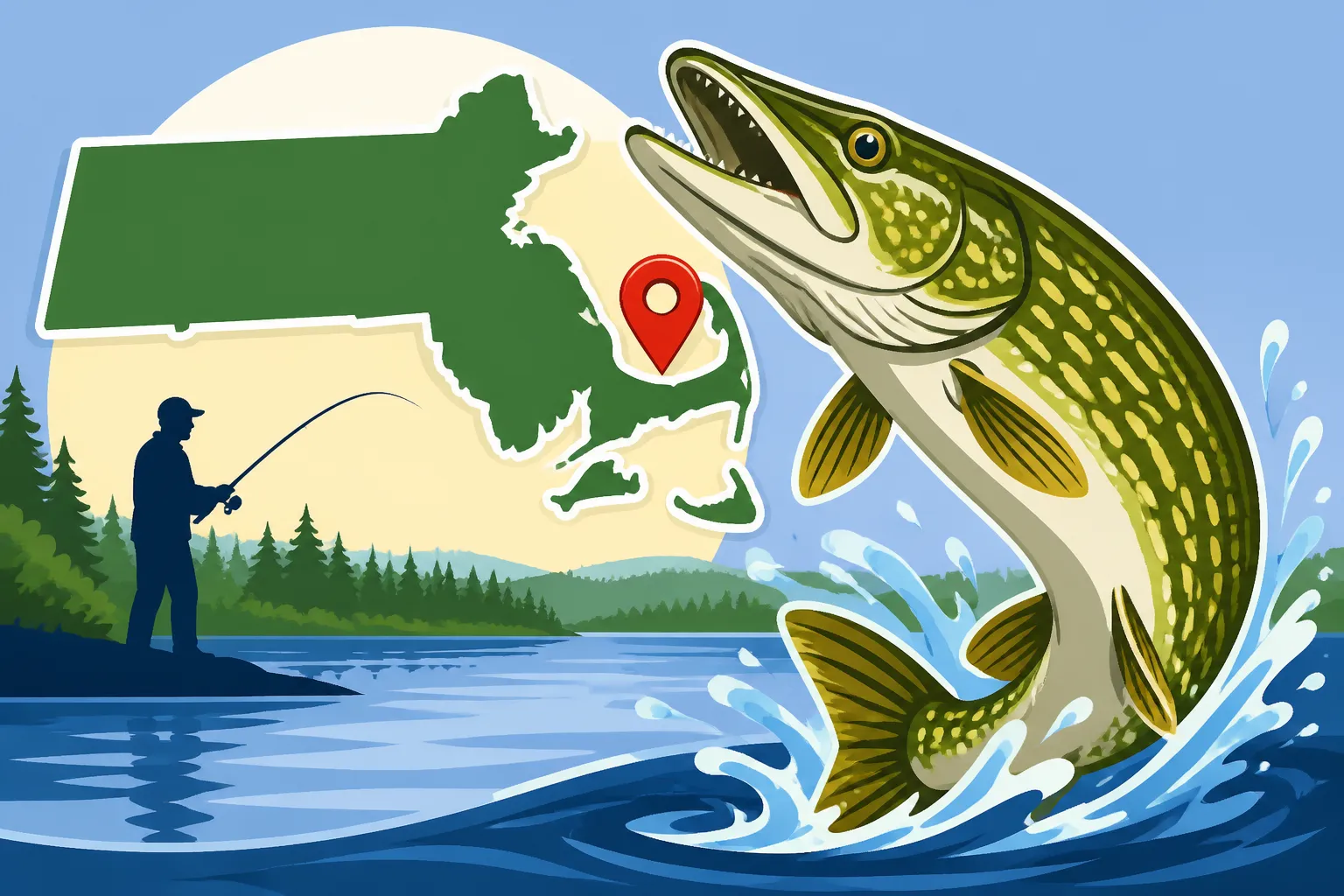
Before you start casting, it's good to know exactly what you're looking for. The chain pickerel ( Esox niger ) is easily recognizable by its distinctive, chain-like pattern on its sides, giving it its common name. They have a long, slender body, much like a torpedo, with a duck-bill-shaped mouth packed with sharp teeth. Their color usually ranges from a greenish-yellow to a darker green on the back, fading to white on the belly. A key identifier is that the chain pattern extends all the way to the gill plate, differentiating them from similar species like northern pike, which have scales only on the upper half of their gill plates. If you're wondering, "What a chain pickerel looks like," imagine a smaller, more intricately patterned version of a pike, built for speed and stealth in shallow water.
They typically grow to lengths of 18 to 24 inches in Massachusetts, though larger specimens of up to 30 inches aren't unheard of. When you hook one, especially a bigger one, you'll immediately understand why they're such a blast. Their powerful runs and headshakes can really test your gear and your angling skills.
Why Pickerel are a Blast to Catch
For many anglers, pickerel are a gateway species to predatory freshwater fishing. They're abundant, readily hit a wide variety of lures and baits, and fight hard, often jumping and thrashing at the surface. They don't require highly specialized gear or techniques, making them perfect for beginners and seasoned anglers alike who just want to bend a rod. The sheer excitement of a pickerel smashing a topwater lure or ripping line on a spinnerbait is incredibly addictive.
One of the great things about pickerel is their aggressive nature. They're not shy, and if they're in the mood, they'll often strike with an almost reckless abandon, especially in warmer water. This makes for a very engaging fishing experience, quite different from the more subtle bites of some other freshwater species. Plus, they're often found in beautiful, serene settings, allowing you to enjoy the tranquility of Massachusetts' lakes and ponds.
Preferred Habitats and Behavior
Chain pickerel are masters of ambush. They thrive in shallow, weedy areas of lakes, ponds, slow-moving rivers, and even larger streams. Think lily pads, submerged timber, cattails, brush piles, and any structure that provides cover for them to hide and spring out at unsuspecting prey. These fish are sight feeders, and they love to conceal themselves in dense vegetation, waiting for a minnow, frog, or even a small panfish to swim by.
You'll find them actively patrolling the edges of weed lines, lurking under docks, or nestled in thick patches of hydrilla. Their camouflage allows them to blend in perfectly with these environments. As the seasons change, their exact location might shift slightly – they might move to slightly deeper edges of weed beds in the heat of summer or suspend over drop-offs adjacent to structure in colder months – but their preference for cover remains constant. Knowing this habitat preference is key to success; if you're not fishing near weeds or structure, you're likely missing out on the best action.
Prime Massachusetts Waters for Pickerel Fishing
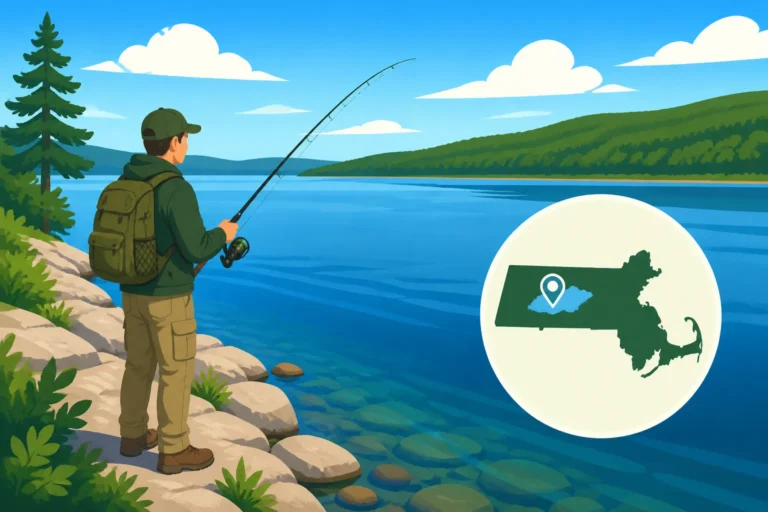
Massachusetts is blessed with a plethora of freshwater bodies, many of which hold robust populations of chain pickerel. From the sprawling lakes of central Massachusetts to the smaller, often overlooked ponds of the eastern regions, there are fantastic opportunities everywhere. You don't always need a big boat; many excellent pickerel spots are accessible from shore or by kayak.
Eastern Massachusetts Pickerel Havens
The eastern part of the state, often associated with bustling cities and coastline, actually boasts numerous productive pickerel waters. Many of these are close to urban centers, offering convenient fishing trips.
Ponds like Walden Pond in Concord, famous for Thoreau's cabin, holds a respectable population of pickerel alongside bass and trout. While it's popular, fishing the weedier edges can be very rewarding. Another solid choice is Lake Quinsigamond near Worcester, a larger body of water with ample coves and shallower, vegetated areas that pickerel absolutely love. Access points are plentiful, making it a great spot for both boat and shore anglers. Further south, Long Pond in Lakeville and Freetown is a huge body of water known for its diverse fishery, including plenty of pickerel in its vast shallow, vegetated sections.
For those closer to Boston, don't overlook some of the smaller, suburban ponds which can be absolute gems. Many of these ponds might not be on every angler's radar, but they offer fantastic opportunities. Make sure to check the "Do You Need a License to Fish in Massachusetts Ponds?" guide to ensure you're fishing legally, even in seemingly obscure spots.
Central Massachusetts Lakes and Ponds
Central Massachusetts truly shines when it comes to freshwater fishing, and pickerel are no exception. The region's numerous lakes and ponds, often less pressured than those closer to major cities, offer fantastic action.
Quabbin Reservoir, while known for its impressive trout and salmon, also has extensive areas that hold pickerel, especially in the shallower coves and feeder creek mouths of its main body. However, fishing at Quabbin comes with specific regulations, so be sure to consult the "Quabbin Reservoir Fishing Permits and Rules in Massachusetts" guide before planning a trip. Nearby, Wachusett Reservoir also offers pickerel opportunities in its accessible shorelines and shallower arms, though it also has strict rules regarding access and boating. Another central Massachusetts hotspot is Lake Dennison Recreation Area in Winchendon, a beautiful state park with a great pond that's ideal for kayaks and canoes, perfect for targeting pickerel in its marshy areas.
Otis Reservoir in Blandford is another sprawling body of water known for its pickerel, bass, and pike. Its irregular shoreline, numerous coves, and ample weed beds provide ideal ambush points. This is a great place to explore by boat or kayak, casting to structure.
Western Massachusetts Pickerel Opportunities
Venturing west into the Berkshires offers a different kind of beauty and plenty more pickerel. The clear, often cooler waters here are home to healthy populations.
The Connecticut River, though primarily a large river system, has numerous oxbows, backwaters, and calmer sections with plenty of weed growth where pickerel thrive. Tributaries and adjacent ponds also feed into the system, offering varied habitats. The Housatonic River, particularly in its slower sections and backwaters, can also be productive. For more defined pond fishing, Onota Lake in Pittsfield is a popular choice, with good weed lines and structure that pickerel frequent.
Smaller, often unnamed ponds throughout the Berkshire hills can also hold surprising numbers of pickerel. Don't be afraid to pull out a map, look for a blue patch of water surrounded by green, and explore responsibly. The key, no matter where you are in the state, is to look for that classic pickerel habitat: shallow water with plenty of vegetation or woody cover.
| Location Category | Example Water Bodies | Key Characteristics for Pickerel Fishing | Access Considerations |
|---|---|---|---|
| Eastern Massachusetts | Walden Pond, Lake Quinsigamond, Long Pond, Wompatuck State Park Pond | Extensive weed lines, lily pads, easy shore access, suburban convenience | Popular, can be crowded; check local park rules for boats/kayaks |
| Central Massachusetts | Quabbin Reservoir (select areas), Wachusett Reservoir (shore), Lake Dennison, Otis Reservoir | Large, diverse habitats, submerged structure, fewer crowds in spots | Quabbin/Wachusett have strict rules; boat ramps available on others |
| Western Massachusetts | Connecticut River (oxbows), Housatonic River (backwaters), Onota Lake | Slower river sections, smaller mountain ponds, scenic beauty | Mix of shore, boat, and remote access; check river flow conditions |
Remember to always check the most current Massachusetts Freshwater Daily Catch Limits before heading out, as regulations can change.
Proven Techniques and Tackle for Massachusetts Pickerel
Pickerel are not overly picky, but understanding their predatory nature and preferred hunting grounds will significantly increase your success. They're aggressive, so quick retrieves and flashy presentations often work wonders.
Top Baits and Lures for Pickerel
When it comes to pickerel, you want something that imitates a fleeing baitfish or something that annoys them into striking.
- Spinnerbaits: These are arguably one of the most effective lures for pickerel. The flash and vibration of the blades, combined with a skirt, mimic a fleeing baitfish perfectly. Chartreuse, white, and firetiger colors are perennial favorites. Cast them along weed edges or through sparse vegetation.
- Inline Spinners: Classic and highly effective. Brands like Mepps and Rooster Tail in sizes #2 to #4 are deadly. Gold or silver blades with a black or white skirt work well. Again, retrieve them steadily through areas where pickerel ambush.
- Spoons: Wobbly spoons like the Daredevle or Five of Diamonds are excellent for casting and retrieving over submerged weeds. Their erratic action often triggers strikes from hiding pickerel. Colors like red and white, or hammered brass/silver, are good choices.
- Jerkbaits/Stickbaits: For a more erratic presentation, shallow-diving jerkbaits can be incredibly effective, especially when twitched and paused near cover. This stop-and-go action perfectly mimics a struggling baitfish.
- Live Bait: If all else fails, live shiners or minnows suspended under a bobber or slowly retrieved are almost irresistible to pickerel. Hook them lightly through the lips or dorsal fin.
- Topwater Lures: In warmer months, especially during low light conditions, a frog imitation or a walking bait can produce explosive strikes from pickerel hiding in lily pads. The thrill of a pickerel blowing up on a topwater lure is unmatched!
When using lures, a steady retrieve is often all it takes. Pickerel are quick to decide if they want something, so keep that lure moving at a pace that looks natural for bait on the run.
Essential Gear for Pickerel Anglers
You don't need highly specialized gear for pickerel, but a few considerations will make your experience much better and prevent heartbreak.
- Rod and Reel: A medium-light to medium power spinning rod, 6 to 7 feet long, paired with a 2500 or 3000 series spinning reel, is ideal. This setup provides enough backbone to handle a feisty pickerel while being sensitive enough to detect bites.
- Line: 8-12 lb monofilament or braided line (15-20 lb test) is sufficient. If using braid, a fluorocarbon leader (see below) is highly recommended.
- Leader: This is crucial! Pickerel have very sharp teeth. Without a leader, they will absolutely bite through your line. A 6-12 inch section of 20-30 lb fluorocarbon leader or a wire leader is essential. Fluorocarbon is less visible to the fish and still offers good abrasion resistance. Some anglers prefer a short steel leader for ultimate tooth protection, especially if they are catching bigger fish or fishing exclusively for pickerel.
- Pliers/Forceps: Due to those sharp teeth, always have a good pair of long-nosed pliers or fishing forceps for hook removal. This protects your fingers and makes unhooking much easier and safer for the fish.
- Net: A landing net can be very helpful for safely landing and controlling pickerel, especially larger ones, minimizing handling time.
For beginners, a basic combo from a brand like Daiwa or Penn will get the job done without breaking the bank. Just remember that leader! A pair of braid scissors or a sharp knife is also handy for cutting line.
Best Times and Conditions to Target Pickerel
Pickerel are generally active throughout the day, but certain times and conditions can enhance your chances.
- Season: While you can catch pickerel year-round, spring and fall are often considered prime. In spring, after ice-out, they're hungry and active in warming shallows. In fall, they're feeding heavily before winter. "Massachusetts Fishing Seasons Explained" offers a broader view, but for pickerel, these shoulder seasons are fantastic. They are also a popular target for "Ice Fishing in Massachusetts," as they remain active under the ice.
- Time of Day: Early morning and late afternoon/evening often produce the best results, as these are typically peak feeding times for many predatory fish. However, pickerel are opportunistic and will strike throughout the day, especially on overcast days.
- Weather: Overcast days with a light chop on the water can be excellent, as it provides cover for the fish and makes your presentation more natural. Pickerel are less likely to be spooked by bright sun and clear, calm conditions if there's plenty of cover.
- Water Temperature: Pickerel are comfortable in a wide range of water temperatures, but they tend to be most active in water from the mid-50s to low 70s Fahrenheit. In very warm summer water, they might retreat to slightly deeper, cooler edges or dense, shaded cover.
The key is often perseverance and moving to find active fish. If a spot isn't producing after a few casts, try another section of weeds or another piece of structure.
Planning Your Massachusetts Pickerel Adventure
Fishing for pickerel in Massachusetts is an accessible and rewarding pursuit. With a little planning and respect for the environment, you're set for some memorable days on the water.
General Fishing Tips for Success
Beyond the specific lures and gear, a few overarching strategies can significantly boost your pickerel catch rate.
- Focus on Edges: Pickerel are ambush predators. They love to sit on the edge of a weed line, a drop-off, or a submerged structure, waiting for prey to pass. Cast your lures parallel to these edges or just beyond them, retrieving them right into the strike zone. Don't just cast into the middle of a weed patch; target the transitions.
- Vary Your Retrieve: While a steady retrieve often works, sometimes pickerel want something different. Experiment with pauses, jerks, and changes in speed. A sudden erratic movement can often trigger a follow-up strike from a hesitant fish. If you're using live bait, let it swim naturally but keep an eye on your bobber for any sudden movements.
- Stealth is Your Friend: While pickerel are aggressive, they can still be spooked, especially in shallow, clear water. Approach your fishing spots quietly, whether you're on foot, in a kayak, or in a boat. Long casts can help keep you out of their immediate sight.
- Cover All Angles: If you're fishing a promising looking weed bed or cove, don't just cast in one direction. Work the area thoroughly, casting from different angles. You might find that pickerel are holding in a specific section that requires a precise cast.
- Respect the Teeth: We can't say it enough. Those teeth are no joke! Always use caution when handling pickerel. Use your pliers for hook removal, and if you must handle them by hand, be extremely careful, preferably using a lip gripper or cradling them gently by the belly.
Regulations and Conservation for Pickerel
Like all fishing in Massachusetts, targeting pickerel comes with rules designed to ensure healthy fish populations for the future. You absolutely need a valid Massachusetts fishing license. You can learn all about the "Massachusetts Fishing License Guide" or check out specifics like "Massachusetts Freshwater Fishing License Costs and Rules" to make sure you're properly equipped.
For pickerel, there are typically daily catch limits and sometimes minimum size restrictions, though these can vary by water body and season. Always consult the current Massachusetts Fish and Wildlife (MassWildlife) regulations pamphlet before your trip. This pamphlet is the definitive source for "Massachusetts Recreational Fishing Rules and Bag Limits" for all species, including pickerel. Adhering to these limits helps maintain sustainable fishing for everyone.
Conservation is about more than just limits. Consider practicing catch and release, especially for larger pickerel, which are important breeders. If you plan to keep some for the table, remember that "Are Pickerel Good to Eat?" is a common question, and yes, they are, though their bony nature often requires filleting techniques like the "five-fillet method" to enjoy them best.
Expanding Your Freshwater Fishing Horizons
Once you've honed your skills on pickerel, Massachusetts offers a wealth of other freshwater fishing opportunities. Many of the same ponds and lakes that hold pickerel are also fantastic for bass, perch, and crappie. Exploring "Freshwater Fish Species in Massachusetts" can open up a whole new world.
Perhaps you'll want to target "Largemouth Bass Fishing in Massachusetts," often found in the same habitats as pickerel, or perhaps the feisty "Smallmouth Bass Fishing in Massachusetts" in clearer, rockier waters. If you're looking to explore new waters or want to try your hand at different species with the help of a local expert, services like FishingBooker can be incredibly useful. While pickerel fishing often doesn't require a dedicated guide, for those looking to expand into other species or new territories with specific techniques, FishingBooker can connect you with experienced freshwater guides across the state who can show you the ropes for species like bass or trout, or even explore different types of waters entirely.
Remember, every cast is a chance to learn something new, and every fish is a memory made. Tight lines, and enjoy your pickerel adventures in Massachusetts!
Disclaimer
The information provided in this guide is for general informational purposes only and is subject to change. Fishing regulations in Massachusetts, including license requirements, bag limits, and seasons, are set by the Massachusetts Division of Fisheries and Wildlife (MassWildlife) and can be updated at any time. It is the responsibility of every angler to consult the most current official MassWildlife regulations before engaging in any fishing activity. Always prioritize safety, especially when fishing near water or in variable weather conditions.