Where to catch striped bass at the mouth of the Merrimack River
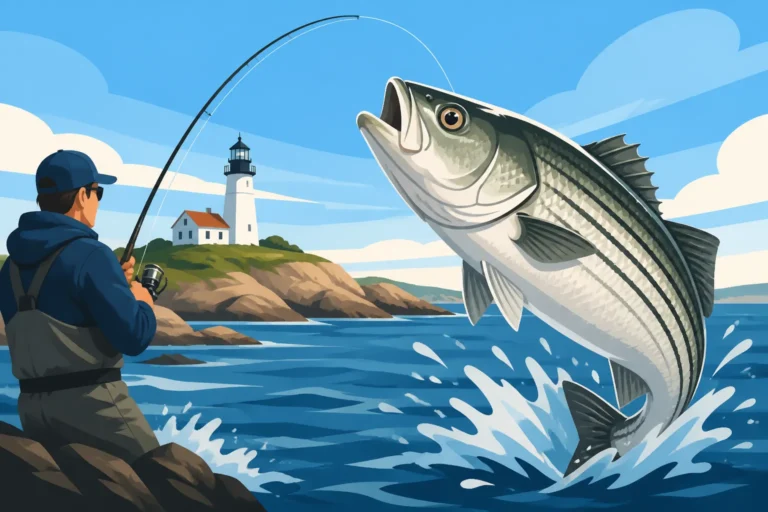
The mouth of the Merrimack River is an absolute magnet for striped bass, drawing in countless anglers each season, but knowing exactly where to cast a line in this dynamic environment can feel like trying to find a needle in a haystack. With strong currents, changing tides, and a vast amount of water, it's easy to feel overwhelmed and unsure of where the stripers are holding. This guide is designed to cut through that confusion, providing you with a detailed breakdown of the prime locations and strategies to successfully target striped bass right where the Merrimack meets the Atlantic.
Understanding the Merrimack River Mouth Fishery
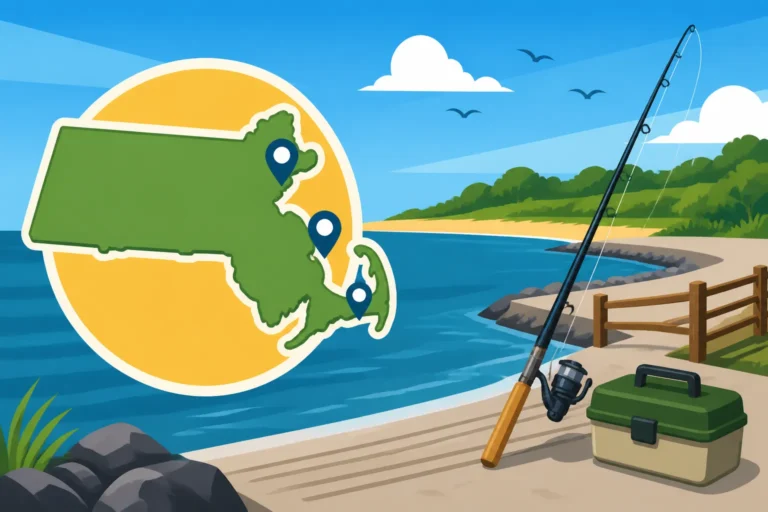
The Merrimack River mouth, situated in Newburyport and Salisbury, Massachusetts, is one of the most iconic and productive striped bass fisheries on the entire East Coast. This isn't just a random stretch of water; it's a critical migratory corridor and a rich feeding ground for stripers of all sizes. The unique geography and hydrology of the area create perfect conditions for these prized game fish, offering both abundant bait and structural ambush points.
Why the Merrimack Mouth Attracts Striped Bass
Several factors converge to make the Merrimack River mouth a consistent hotspot for striped bass. First and foremost, it's a massive estuary, meaning it’s a semi-enclosed coastal body of water where freshwater from the Merrimack River mixes with saltwater from the Atlantic Ocean. This mixing creates a brackish environment that is incredibly fertile, teeming with a diverse array of baitfish. Think of it as a giant, ever-changing buffet for hungry stripers. The river acts like a highway, guiding migratory fish directly to these feeding zones.
Secondly, the strong currents that surge through the mouth with the changing tides are a major draw. Striped bass are opportunistic feeders, and they love to position themselves in current breaks or along rip lines where baitfish are swept past them, making for an easy meal. These currents also help to oxygenate the water and distribute food throughout the system. The constant ebb and flow of the tide continually rearranges the underwater landscape, creating new seams, eddies, and channels that stripers will exploit. It's a dynamic environment that requires anglers to be adaptable and observant.
The Role of Baitfish in the Estuary
The abundance of baitfish is perhaps the single most important factor. During the spring, species like herring make their annual spawning runs up the Merrimack, and hungry stripers follow them in droves. As the season progresses into summer and fall, you'll find huge schools of menhaden (pogies), sand eels, mackerel, and various other forage fish moving in and out with the tides. When these baitfish are present in large numbers, the striped bass are rarely far behind.
Anglers often look for visual cues like diving birds, baitfish busting the surface, or even the tell-tale "stripes" of bass pushing through a school of herring. Keeping an eye on what the stripers are feeding on can be key to selecting the right lure or bait. Sometimes, it's all about matching the hatch, presenting something that mimics the natural food source they're currently keyed in on.
Prime Fishing Spots and Access Points
Now, let's get down to brass tacks: where exactly do you go to find these elusive fish? The Merrimack River mouth offers a variety of fishing opportunities, whether you prefer casting from shore, wading the flats, or exploring by boat. Each spot has its own unique characteristics and optimal fishing conditions.
Plum Island Point (Newburyport Side)
Plum Island Point is arguably one of the most famous and productive shore fishing spots in Massachusetts for striped bass. Located at the very tip of Plum Island, this area offers unparalleled access to the main channel of the Merrimack as it spills into the ocean. The strong currents here are legendary, making it a prime ambush point for stripers.
Anglers often target the areas around the jetties that extend into the ocean. These rock structures provide shelter from the ripping currents for both stripers and baitfish, creating excellent feeding lanes. You can cast large plugs, soft plastics, or even live bait (like eels or mackerel) into the moving water, letting the current do some of the work. The beach on the ocean side of Plum Island Point, known as Sandy Point, can also be incredibly productive for surfcasting, especially during higher tides or when baitfish are close to shore. Parking can be a challenge during peak season, so arriving early is always a good idea. Remember that you'll need to navigate the tides carefully here; the currents are powerful and can be dangerous for waders.
Salisbury Beach State Reservation (Salisbury Side)
On the opposite side of the river mouth lies Salisbury Beach State Reservation, another fantastic location for targeting striped bass from shore. The state park offers extensive beachfront and direct access to the main river channel. Like Plum Island Point, Salisbury Beach benefits from strong tidal flows and abundant baitfish.
The jetties at Salisbury Beach are extremely popular with anglers. These rock walls create excellent rips and eddies where stripers hold, waiting to ambush prey. The long sandy stretches of the beach itself are perfect for surfcasting, especially when schools of baitfish, such as sand eels or herring, are pushed close to shore by larger predators. Dawn and dusk are often the most productive times here, as the low light conditions encourage stripers to move into shallower water to feed. You'll find ample parking here, but a parking fee is typically required during the summer months. It's an ideal spot for those who want a long stretch of beach to explore, offering diverse casting opportunities.
The Anna Jaques Hospital Bridge Area (Upriver)
While technically not right at the very mouth, the area around the Anna Jaques Hospital Bridge (also known as the Gillis Bridge) is still heavily influenced by tidal currents and acts as a funnel for striped bass moving up and down the river. This spot offers a different kind of fishing experience, often favoring boat anglers but also providing shore access in certain areas.
Underneath and around the bridge pilings, the currents create turbulent water where baitfish get disoriented, making them easy targets for stripers. Boat anglers can drift or anchor, jigging soft plastics or casting live bait near the pilings. Shore anglers might find success casting from the banks or any accessible docks nearby, especially during the moving tides. This area can be especially good during the spring herring run, as stripers will stack up here, waiting for the anadromous fish to pass through. It's a more urban setting compared to the points, but no less productive when the fish are in.
The Back River and Joppa Flats (Newburyport)
For those who prefer a more stealthy approach or enjoy wading, the Back River and the expansive Joppa Flats offer unique opportunities. These shallow, muddy flats and winding creeks behind Plum Island are a critical feeding ground, particularly during higher tides. Striped bass will move onto the flats to root out crabs, worms, and small baitfish, offering exciting sight-fishing opportunities.
Kayak and small boat anglers can easily navigate the shallow waters, while waders can access certain areas from shore (though caution regarding tides and soft bottom is paramount). Topwater lures are incredibly effective here, especially during early morning or late evening, as stripers will explode on baits mimicking fleeing prey. The key is to fish these areas on an incoming or outgoing tide, as the water movement brings in new food sources and positions the bass to feed. Many experienced guides, often found through services like FishingBooker, specialize in targeting these shallower areas, making them an excellent resource for anglers new to the region or those looking to refine their skills. They can help you navigate the complex channels and understand the subtle movements of the fish on the flats.
Best Techniques and Times for Striped Bass at the Merrimack
Catching striped bass at the Merrimack River mouth isn't just about showing up; it's about understanding their behavior, selecting the right gear, and timing your efforts. This area demands a versatile approach, as conditions can change rapidly.
Capitalizing on Tidal Movements
The tide is king at the Merrimack River mouth. Understanding its phases is more important here than almost anywhere else. Generally, the moving tides – both incoming and outgoing – are the most productive. These strong currents stir up bait, create rips, and position stripers in predictable ambush points.
- Incoming Tide: As the tide floods in, saltwater pushes up the river, often bringing in fresh baitfish from the ocean. Stripers will move into the mouth, the jetties, and even onto the flats, following the food. This is often an excellent time for surfcasters on the ocean-facing beaches.
- Outgoing Tide: As the tide ebbs, freshwater (mixed with saltwater) rushes out to sea, pushing baitfish with it. Stripers will position themselves along current seams, eddies, and channel edges, waiting for an easy meal to be swept past. This can be particularly good around the jetties and in the main river channel.
Anglers often plan their trips to coincide with the hours leading up to and after a tide change. For specific, hyper-local advice on tides, consulting a tide chart for Newburyport or Salisbury is absolutely essential. Many local bait and tackle shops will also have up-to-date information and advice.
Productive Lures and Baits
The Merrimack River stripers aren't overly picky when they're feeding, but certain lures and baits consistently outperform others.
| Lure/Bait Type | Description & Application | Best Conditions/Location |
|---|---|---|
| Plugs (Pencil Poppers, Darters, Minnows) | Topwater plugs like pencil poppers are explosive during low-light conditions or when stripers are actively chasing bait on the surface. Darters and minnow plugs are excellent sub-surface options for mimicking baitfish. | Topwater: Dawn/Dusk, calm water, bait on surface. Darters/Minnows: All tides, especially moving water around structure. |
| Soft Plastics (Paddle Tails, Eels) | Jigging or casting soft plastics, especially large paddle tails (e.g., Al Gag's Whip-It Fish, Hogy Pro Tail Paddles) or realistic eel imitations, is highly effective. | Jigging: Around jetties, bridge pilings, strong current. Casting: Anywhere stripers are feeding, retrieved slowly or jigged. |
| Bucktail Jigs | A classic for a reason. Bucktails can be tipped with a soft plastic trailer or a piece of bait. They are incredibly versatile for jigging in current or casting from shore. | Deep water, strong currents, vertical jigging from boats or casting from jetties/piers. |
| Live Bait (Eels, Mackerel, Herring) | Live bait is often irresistible to larger striped bass. Eels are a nighttime favorite, while live mackerel or herring can be fished under a float or drifted in current. | Eels: Night fishing around jetties/rocky areas. Mackerel/Herring: During bait runs, fished from boats or jetties. |
| Clams | Often overlooked but very effective, especially for "resident" fish or when other baits aren't working. Fished on a bottom rig. | Slower currents, deeper holes, targeting less active fish. |
Remember that matching the size and profile of the predominant baitfish is often key. If stripers are gorging on small sand eels, a large pencil popper might go ignored. Conversely, if big schools of menhaden are present, a smaller lure might not get noticed. Local knowledge and observations of the fishing conditions are invaluable. Many anglers swear by the effectiveness of live eels when targeting trophy-sized striped bass, especially after dark around the jetties.
Shore Fishing versus Boat Fishing
Both shore and boat fishing offer fantastic opportunities at the Merrimack mouth, each with its own advantages.
- Shore Fishing: Provides accessibility for all anglers and can be incredibly productive, especially at Plum Island Point and Salisbury Beach. You're limited to where you can cast, but the sheer volume of fish moving through these pinch points means consistent action is possible. It's often more affordable and accessible for beginners. The challenge is navigating crowds during peak season and covering enough water.
- Boat Fishing: Offers unparalleled mobility. You can chase down schools of fish, explore deeper channels, or reach less pressured spots like the mid-river rips or the extensive Joppa Flats. Having a boat allows you to troll, drift, or anchor in strategic locations. However, it requires significant investment in equipment and boating knowledge, especially with the strong Merrimack currents. If you don't own a boat, consider booking a charter through a service like FishingBooker, which connects you with experienced captains who know the Merrimack waters intimately. These charters provide all the necessary gear and expertise, making for a highly effective and enjoyable fishing trip.
Essential Gear and Safety Considerations
Fishing at the mouth of the Merrimack River isn't just about skill and knowing the spots; it's also about being properly equipped and, most importantly, staying safe. The powerful currents and often unpredictable weather conditions demand respect and preparation.
Rods, Reels, and Line
For shore fishing, particularly surfcasting, you'll want a sturdy setup. A medium-heavy to heavy action surf rod, typically 9 to 11 feet long, paired with a robust spinning reel in the 6000-8000 size range, is ideal. This combination will allow you to cast heavy lures (1-4 ounces) a long distance and handle powerful stripers in strong currents. Load your reel with 30-50 lb braided line, which offers incredible strength and sensitivity, and tie on a 3-5 foot fluorocarbon leader (30-50 lb test) for abrasion resistance and stealth.
For boat fishing or targeting the flats, a slightly lighter setup can be more enjoyable. A medium-heavy conventional or spinning rod, 7 to 8 feet long, with a 4000-5000 size reel, spooled with 20-30 lb braid and a fluorocarbon leader, will suffice. This offers greater sensitivity and fighting fun for smaller to mid-sized stripers. No matter your setup, ensure your drag is set correctly; these fish can make powerful runs.
Waders and Footwear
If you plan on wading, even just a few feet into the surf or onto the edges of the flats, breathable chest waders are essential. They keep you dry and comfortable. Crucially, wear wading boots with good grip, preferably with felt soles or studs, as the rocks around the jetties can be incredibly slippery with algae.
A wading belt is not optional; it's a safety device. Cinch it tight around your waist. If you fall in, it prevents your waders from filling completely with water, which could drag you down. Always be mindful of the powerful currents, especially near the jetties. Never wade alone, and always let someone know your fishing plans. The water can drop off unexpectedly, and currents can sweep you away quickly.
Safety Equipment and Essentials
Beyond your fishing gear, certain safety items are non-negotiable when fishing the Merrimack mouth:
- PFD (Personal Flotation Device): If you're fishing from a boat, kayak, or even wading in strong currents, wearing a PFD is highly recommended. It could save your life if you accidentally fall into the powerful current.
- Headlamp or Flashlight: Essential for pre-dawn, dusk, and night fishing. Navigation in the dark, especially around rocks or uneven terrain, is much safer with good illumination.
- First-Aid Kit: Minor cuts, scrapes, or hook mishaps are always a possibility. A basic first-aid kit can address these quickly.
- Knife or Line Cutters: Always carry a sharp knife or line cutters for quickly severing lines, especially in emergency situations or when dealing with tangled fish.
- Pliers/De-hooker: Essential for safely removing hooks from fish, minimizing stress on the fish, and protecting your hands.
- Appropriate Clothing: Dress in layers. Even on warm days, the wind off the ocean can make it chilly. Waterproof outerwear is crucial, as spray and rain are common. Sun protection (hat, sunglasses, sunscreen) is also important.
- Communication Device: A fully charged cell phone (in a waterproof case) or a VHF radio (for boaters) is critical for emergencies. Remember that cell service can be spotty in certain remote areas.
- Tide Chart and Local Regulations: Always carry a current tide chart for the Merrimack River. Additionally, familiarize yourself with the Massachusetts Striped Bass Size and Bag Limit and other relevant regulations, which can be found in the official Massachusetts fishing regulations pamphlet. Ignorance of the rules is not an excuse for violations. Remember that a valid Massachusetts Fishing License Guide is required for all anglers.
By being well-prepared with the right gear and a keen awareness of safety, you can greatly enhance your chances of a successful and enjoyable striped bass fishing experience at the mouth of the Merrimack River. Many local tackle shops, such as Surfland Bait & Tackle on Plum Island, are fantastic resources for up-to-date conditions, bait availability, and general fishing advice for the area.
Responsible Angling and Conservation
While the Merrimack River mouth offers incredible opportunities for striped bass, it's crucial to approach fishing with a strong sense of responsibility and conservation in mind. These are valuable resources that we want to ensure remain healthy for generations to come.
Adhering to Regulations
The regulations for striped bass in Massachusetts are designed to protect the stock and ensure sustainable fishing. It's not just about knowing the size and bag limits; it's about understanding the "why" behind them. For example, the current slot limit (which can change, so always check the latest rules) aims to protect the largest, most reproductively valuable fish, while allowing anglers to keep some younger, more abundant fish. Always consult the official MassWildlife regulations before heading out.
When you catch a fish that isn't a "keeper," handle it with care. Minimize its time out of water, use wet hands when touching it, and use a de-hooker to quickly release it. If you're planning on keeping a fish, be sure you understand How to Identify a Keeper Striped Bass in Massachusetts and How to Measure a Striped Bass for the Slot Limit. Taking good care of the fish you release increases their chances of survival.
Practicing Catch and Release
Even when allowed to keep fish, many anglers choose to practice catch and release, especially for larger stripers. These big fish are often referred to as "breeders" and contribute significantly to the health of the population. There's immense satisfaction in successfully battling a powerful striper, getting a quick photo, and then watching it swim away strongly.
If you're interested in learning more about fishing techniques for specific species, you might find valuable insights in guides like How to Catch Striped Bass in Massachusetts or Best Lures for Striped Bass in Massachusetts. Understanding different approaches can help you adapt your fishing to varying conditions and increase your catch rates, regardless of whether you're keeping them or releasing them.
Respecting the Environment and Other Anglers
The Merrimack River mouth is a shared space. Practicing good etiquette goes a long way. Always pack out everything you pack in, and perhaps even pick up a bit of litter left by others. Dispose of fishing line responsibly, as it can be incredibly harmful to wildlife.
Be mindful of other anglers, whether they're on shore or in boats. Give them space, especially when casting. If you're fishing from a boat, respect no-wake zones and avoid driving through areas where shore anglers are actively fishing. A little courtesy ensures everyone can enjoy their time on the water. Some of the most popular areas, like Plum Island Point and Salisbury Beach jetties, can get crowded, especially on prime tides and weekends. Patience and a friendly attitude are always appreciated.
Disclaimer
Please note that fishing regulations, conditions, and access points can change. Always consult the latest MassWildlife regulations, local tide charts, and weather forecasts before planning your trip. This guide is for informational purposes only and does not substitute for official guidelines or professional advice. Angling carries inherent risks; always prioritize safety.