How to fish a falling tide at the Cape Cod Canal
Trying to navigate the powerful currents of the Cape Cod Canal can feel like trying to fish in a washing machine, especially when that massive tide starts to really get going. It’s easy to feel overwhelmed, wondering where the fish could possibly be hiding or how your lure could ever stand a chance against such a formidable flow. This comprehensive guide is here to demystify fishing a falling tide at the Cape Cod Canal, helping you understand the unique dynamics and arming you with the strategies to find and hook those elusive striped bass.
Understanding the Power of a Falling Tide at the Canal
The Cape Cod Canal isn't just a waterway; it's a dynamic, living system driven by immense tidal forces. When that tide starts to fall, the entire character of the Canal changes, and understanding these shifts is your first step to success. It’s not enough to just know the tide is going out; you need to grasp what that means for the water, the bait, and ultimately, the fish.
The Dynamics of the Canal's Current
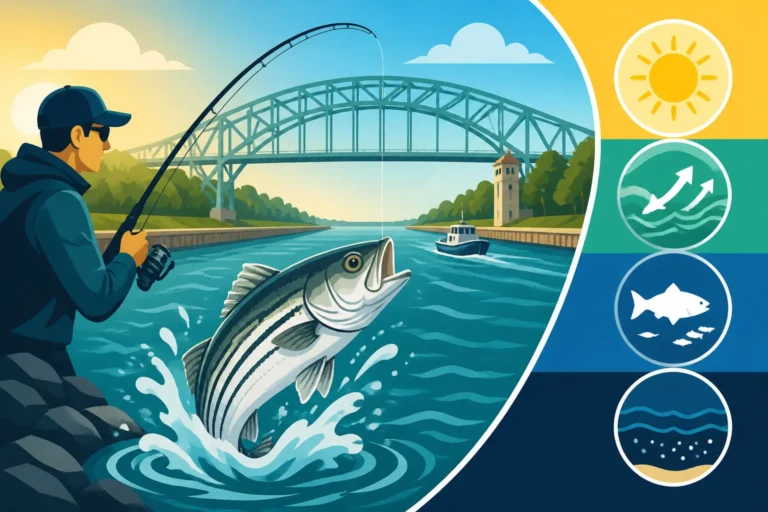
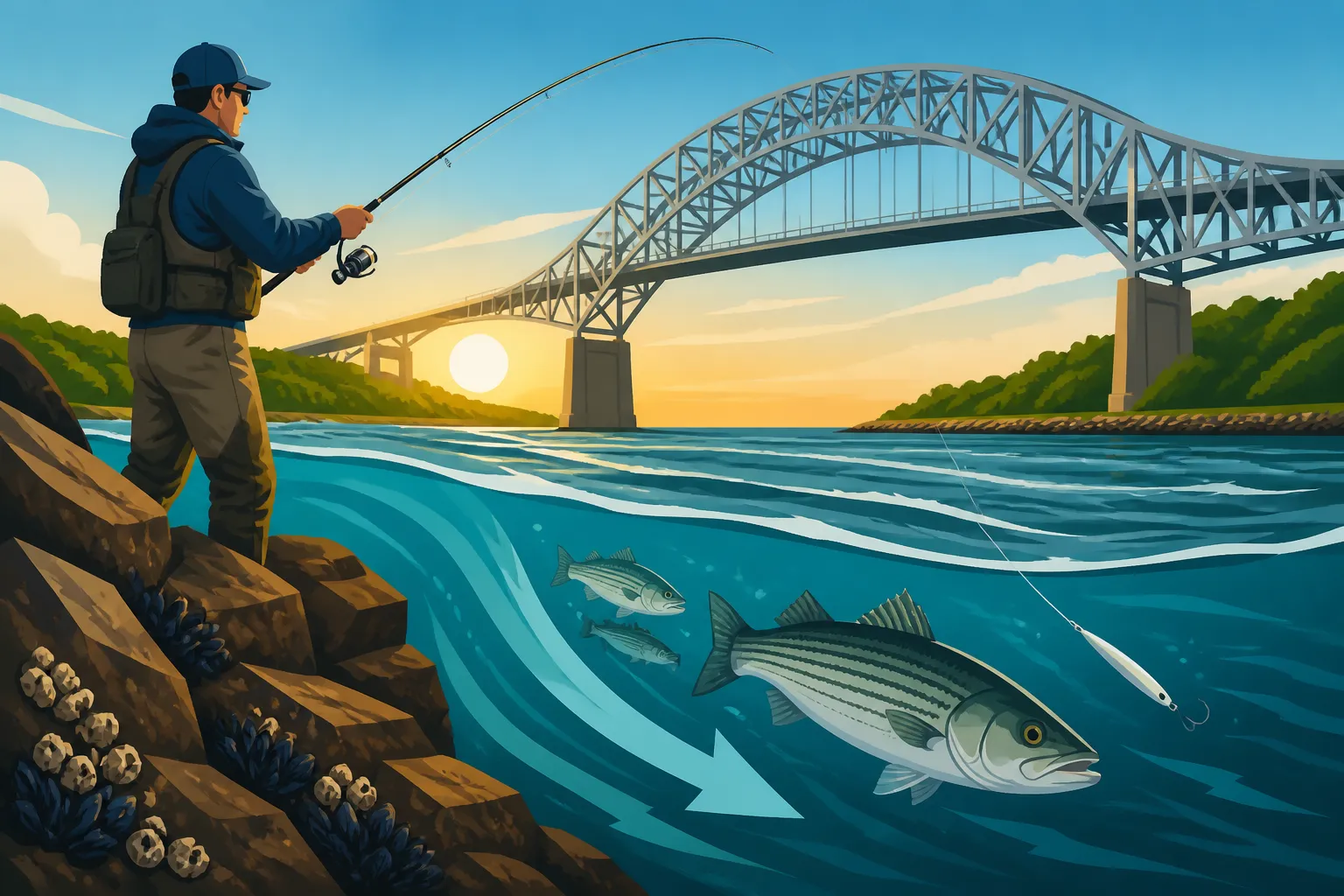
Imagine the Atlantic Ocean on one side and Buzzards Bay on the other, connected by a narrow, man-made channel. The sheer volume of water trying to pass through this constricted space creates some of the strongest tidal currents you'll find anywhere. During a falling tide, also known as an ebb tide, the water literally drains from Massachusetts Bay, through the Canal, and out into Buzzards Bay. This isn't just a gentle flow; we're talking about currents that can exceed four or five knots in places, creating massive rips, eddies, and boils.
These intense currents carve out deep holes, scour the bottom, and create natural ambush points for predatory fish. The water isn't just moving fast; it's churning, swirling, and creating turbulence that can disorient baitfish, making them easy targets. Anglers often find the peak of the falling tide, when the current is at its strongest, to be the most productive, though it's also the most challenging to fish. It's a truly unique environment that demands respect and a specific approach.
Why Stripers Love a Falling Tide
So, why do striped bass, the undisputed kings of the Canal, absolutely thrive during a powerful falling tide? It boils down to one thing: opportunity. As the current rips through, it dislodges baitfish, crustaceans, and other forage from their hiding spots along the banks, rocks, and bottom. These hapless snacks are then swept along with the current, creating a veritable conveyor belt of food for hungry stripers.
Stripers are incredibly intelligent predators, and they instinctively know how to use these currents to their advantage. They'll position themselves behind large boulders, in the calmer water of eddies, or along the edges of rip lines, waiting for an easy meal to be delivered right to their mouths. It's like having a restaurant where the food just floats by on its own, requiring minimal effort to grab a bite. This makes a falling tide one of the absolute best times to target these powerful fish, offering some of the most exciting and rewarding fishing experiences the Canal has to offer. If you're wondering how to catch striped bass in Massachusetts, the Canal on a falling tide is a master class.
Essential Gear and Tackle for Falling Tide Success
Fishing the Cape Cod Canal on a falling tide isn't for the faint of heart, and it's certainly not for flimsy gear. You're going head-to-head with powerful currents and equally powerful fish, often in low light or complete darkness. Having the right tools isn't just about catching fish; it's about minimizing frustration and maximizing your chances when that dream fish finally hits. You simply cannot afford gear failure when a Canal striper decides to go on a run.
Rods, Reels, and Line Built for Battle
When it comes to your rod, think heavy-duty. A rod in the 10-to-11-foot range with a fast action and a heavy power rating is ideal for casting heavy lures and handling big fish in strong currents. You need something with enough backbone to really lean into a cast, but also enough sensitivity to feel those subtle bumps on the bottom. For reels, a robust spinning reel in the 6000 to 10000 series, known for its strong drag system and high line capacity, is essential. This is where quality really counts; a smooth, reliable drag is non-negotiable when a monster striper decides to peel line.
For line, braided line is almost universally preferred by Canal anglers. Its thin diameter, incredible strength, and zero stretch allow you to make long casts, maintain direct contact with your lure in the current, and feel every tap and retrieve. I typically spool up with 40 to 60-pound test braid. Remember to attach a heavy fluorocarbon or monofilament leader – anywhere from 40 to 80 pounds – to protect your main line from abrasion against rocks and sharp teeth. You can find a huge selection of these specialized items, from robust rods to high-strength braided lines, on Amazon, ensuring you're ready for whatever the Canal throws at you. For a comprehensive guide on selecting your setup, check out our piece on the Best rod and reel setup for surfcasting.
Lures and Baits That Cut Through the Current
The key to successful lure selection in a strong falling tide is weight and hydrodynamic design. You need lures that can get down to where the fish are holding and stay there, rather than being swept away by the current. Heavy bucktail jigs, often weighing 3 to 6 ounces or even more, are absolute Canal staples. Pair them with a suitable trailer, like a curly-tailed grub or a pork rind, to add action and appeal. Epoxy jigs and metal jigs are also fantastic choices; their dense construction allows them to sink quickly and slice through the water with minimal resistance.
Large swimming plugs, both lipped and unlipped, also have their place, especially when stripers are feeding on larger baitfish. Look for plugs designed to dive and hold their depth or those with a profile that allows them to swim naturally in a strong current. Some Canal anglers even custom-build or modify plugs to better handle the unique conditions. While live bait isn't as common for active casting during the fastest currents, fresh bunker or mackerel chunks can be effective when fished in calmer eddies or slower sections, often requiring heavy sinkers to keep them in place. Matching the hatch is always important, but getting your offering into the strike zone is paramount here. Our guide on the Best Lures for Striped Bass in Massachusetts offers even more detailed options for your tackle box.
Proven Techniques for Fishing the Falling Tide
Fishing the Canal on a falling tide demands a blend of power, precision, and patience. It's an active style of fishing where you're constantly interacting with the current and feeling for what's happening beneath the surface. Knowing where to cast and how to retrieve can make all the difference between a frustrating day and a memorable one.
Mastering the Jigging Game
Jigging is arguably the most effective technique for a falling tide at the Canal, especially when stripers are hugging the bottom, waiting for an easy meal. The basic premise is to cast your heavy jig up-current and slightly across the flow, allowing it to sink as it drifts downstream. The goal is to let the jig "tick" the bottom every few seconds, mimicking a disoriented baitfish or crab. This isn't a gentle retrieve; you'll often be using quick, sharp lifts of the rod tip to impart action, followed by dropping it back down to maintain contact with the bottom.
Pay close attention to your line and rod tip; strikes can sometimes feel like a slight "thump" or suddenly increased weight as a fish inhales your offering. You'll need to constantly adjust your retrieve speed and casting angle to counteract the current, ensuring your jig stays in the strike zone. Many anglers will "fan cast," making casts at different angles to cover a wider area, methodically probing for fish. For more advanced tips, take a look at our article on Jigging Techniques for Cape Cod Canal Stripers.
Plugging and Swimming Bait with the Flow
While jigs dominate, large swimming plugs are also incredibly effective, especially if you suspect stripers are feeding higher in the water column or if you're targeting eddies where the current isn't quite as fierce. The trick with plugs during a falling tide is to use the current to your advantage. Cast your plug up-current, similar to jigging, but focus on a slower, more deliberate retrieve. Let the strong current impart action to the plug, making it wobble and dive naturally.
Look for areas where the current creates distinct rip lines or calmer water behind structure. These are prime ambush points where stripers will hold, waiting to dart out and grab a passing meal. Experiment with different retrieve speeds; sometimes a slow, almost dead-stick retrieve where the plug just "swims" with the current is deadly, while other times a slightly faster retrieve with a subtle twitch can provoke a strike. Don't be afraid to try different plugs; some dive deeper, others have a tighter wiggle, and fish can be particular on any given day.
Finding the Sweet Spots: Structure and Eddies
Knowing where to cast is just as important as how you cast at the Cape Cod Canal. Striped bass are masters of efficiency, and during a strong falling tide, they'll position themselves in specific spots to conserve energy while maximizing their feeding opportunities. These "sweet spots" are typically associated with structure and changes in current flow. Look for large boulders, bridge pilings, and shoreline points that disrupt the current. On the downstream side of these obstructions, you'll often find eddies – areas of calmer or even reverse-flowing water.
Stripers will lie in these eddies, out of the main current, waiting for baitfish to be swept past the edge of the calm water. Casting your lure into the main current and allowing it to drift into or along the edge of an eddy is a highly effective strategy. Also, pay attention to the seams where fast-moving water meets slower water; these rip lines are superhighways for bait and prime hunting grounds for bass. Familiarize yourself with the various Cape Cod Canal Striped Bass Fishing Spots and learn to "read the water" – observe how the current flows and identifies potential holding areas. This takes practice, but the rewards are well worth it.
Safety First: Navigating the Canal's Challenges
The Cape Cod Canal is an incredible fishery, but its powerful currents and unique environment demand respect. Fishing here, especially during a strong falling tide, can be exhilarating, but it also carries inherent risks. Your safety, and the safety of those around you, should always be your top priority.
Awareness of the Environment
The most obvious danger is the sheer power of the current. A misstep on slippery rocks or losing your footing near the water's edge can quickly lead to a dangerous situation. Always wear appropriate footwear with excellent grip, like spiked wading boots or rubber-soled shoes designed for wet, rocky terrain. If you're fishing at night, which is often the most productive time for stripers, a reliable headlamp is absolutely crucial for navigating the uneven ground and tying knots. Be mindful of boat traffic, especially during the warmer months. Commercial and recreational vessels move through the Canal constantly, and their wakes can be significant, potentially knocking you off balance if you're too close to the edge.
It's also wise to never fish alone, especially if you're unfamiliar with a particular stretch of the Canal. Let someone know where you're going and when you expect to return. The Canal's banks are steep and rocky in many places, and a fall could be serious if you're by yourself. Always be aware of your surroundings, listen to the water, and never take unnecessary risks for the sake of a fish.
Being Prepared for Anything
Beyond the essentials of a Massachusetts Saltwater Recreational Fishing Permit Explained and your fishing gear, a few other items can make your Canal experience safer and more enjoyable. A pair of pliers or a dehooker is vital for safely removing hooks from toothy fish like bluefish, which are also prevalent in the Canal, or from a deeply hooked striper. Always carry extra leader material; the Canal's rocks will test your knots and your line, and retying is a frequent necessity. A small first-aid kit with bandages and antiseptic wipes is a good idea for minor cuts and scrapes.
Hydration is key, even on cooler days, so bring plenty of water. If you plan on keeping fish, a cooler and some ice are indispensable. And, of course, always check the tide charts and weather forecast before heading out. Conditions can change rapidly, and being caught off guard by a sudden storm or an unexpected surge in current can be dangerous. Knowing when striped bass season starts in Massachusetts and adhering to all Massachusetts Recreational Fishing Rules and Bag Limits will also ensure you're fishing legally and responsibly.
| Lure Type | Best Use Case (Falling Tide) | Key Characteristics | Technique Tips |
|---|---|---|---|
| Bucktail Jig | Bottom-dwelling stripers, strong currents, rocky structure | Heavy, lead head, deer hair dressing, often with soft plastic trailer | Cast up-current, let it sink, "tick" bottom with rod lifts, feel for subtle thumps. Maintain contact. |
| Metal Jig | Vertical jigging, deep holes, fast sinking | Dense metal, slender profile, various weights | Cast up-current/vertical drop, quick jigs and drops, allow to flutter on the fall. Effective for schooling fish. |
| Swimming Plug | Stripers feeding higher, eddies, rip lines, bait schools | Hard plastic, lipped or unlipped, designed to mimic baitfish | Cast up-current or across, slow retrieve, let current work the plug. Vary retrieve speed. |
| Soft Plastic | Versatile, can imitate various bait, slower currents | Durable, realistic action, often paired with weighted jig heads | Slow retrieve, jigging, bouncing off bottom. Good for exploring different depths. |
This article is for general informational purposes only and does not constitute professional advice. Laws, prices and regulations vary by location and change over time. Consult a qualified professional for guidance on your specific situation.