Is a Boat Allowed on Walden Pond?
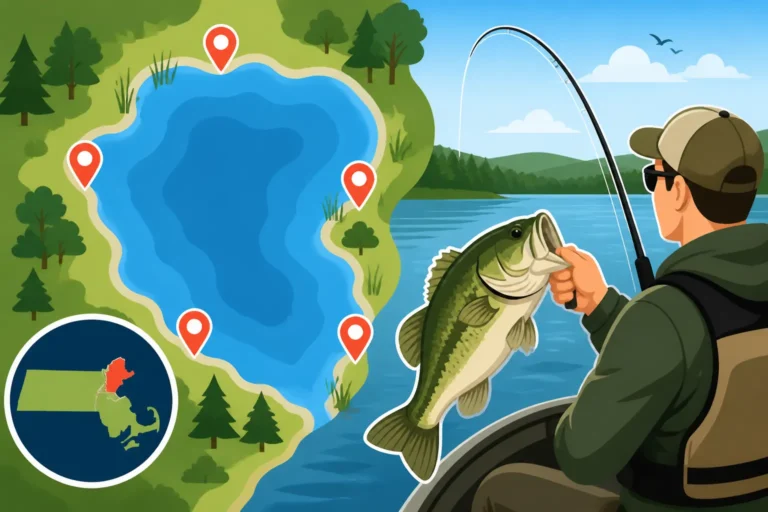
It’s a common scenario: you’re dreaming of a peaceful day out on the water, perhaps paddling a canoe or even firing up a small electric motor to reach that perfect fishing spot on a picturesque pond. But when it comes to iconic places like Walden Pond in Massachusetts, the rules aren’t always as straightforward as you might hope. This guide is here to clear up the confusion about what types of boats are allowed on Walden Pond, explaining the specific regulations and why they're in place, so you can plan your visit effectively and avoid any surprises.
The Strict Rules for Boating on Walden Pond
Walden Pond is not just any body of water; it’s a protected natural and historical landmark managed by the Massachusetts Department of Conservation and Recreation (DCR). This unique status means it comes with a very specific set of regulations designed to preserve its pristine environment and honor its historical significance. For anglers and recreational boaters, this often means adjusting expectations, as many common types of vessels are simply not permitted here.
What's Permitted: Carry-In Non-Motorized Vessels Only
If your heart is set on experiencing Walden Pond from the water, you do have some options, but they are quite limited. The DCR allows certain non-motorized vessels, provided they are carry-in. This means you’re physically transporting your vessel from your vehicle to the water's edge.
Allowed vessels include:
- Canoes: A classic choice, canoes are perfect for a quiet paddle across the pond. Their lightweight nature makes them relatively easy to carry.
- Kayaks: Similar to canoes, kayaks offer a great way to explore the pond at your own pace. Both sit-in and sit-on-top kayaks are generally acceptable, as long as they are non-motorized.
- Rowboats: Traditional rowboats, propelled by oars, fit within the guidelines for non-motorized, carry-in vessels.
- Paddleboards (SUPs): Stand-up paddleboards have become increasingly popular and are also permitted, offering a unique perspective of the pond.
The key here is "carry-in" and "non-motorized." There are no boat ramps at Walden Pond for launching larger vessels, so if you can't carry it, it's not going in the water. This manual effort inherently limits the size and type of boats that can be used, contributing to the pond's tranquil atmosphere. You'll find that many visitors come prepared with smaller, easily transportable vessels to enjoy a peaceful day, often combining their paddling with a bit of fishing. To understand more about fishing opportunities, check out our Walden Pond Fishing Guide, Massachusetts.
Motorized and Larger Vessels are Strictly Prohibited
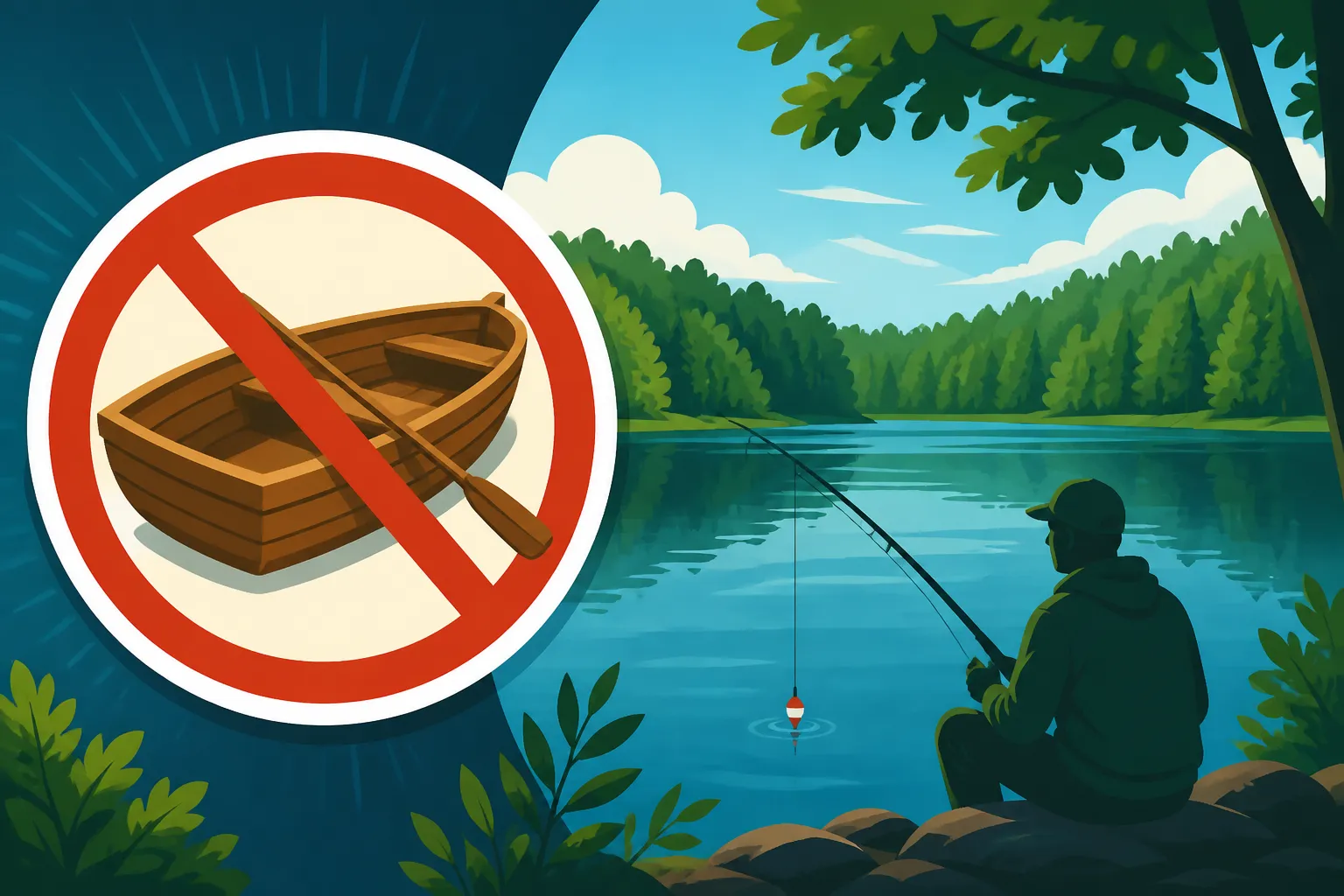
Now, for the vessels that are a definite no-go at Walden Pond. The DCR is very clear: any form of motorized propulsion is forbidden. This extends to a wide range of boats you might typically see on larger lakes or reservoirs in Massachusetts.
Prohibited vessels include:
- Gasoline-powered motorboats: Absolutely no internal combustion engines are allowed, regardless of size.
- Electric motorboats: Even small trolling motors, typically used by anglers for silent propulsion, are not permitted. This might come as a surprise to many, as electric motors are often seen as environmentally friendly, but the rule at Walden is strict: no motors, period.
- Sailboats: While non-motorized, sailboats are generally too large and would disrupt the specific aesthetic and quietude the DCR aims to maintain. Their bulk and the infrastructure required to launch them are incompatible with the "carry-in" policy.
- Inflatable boats or rafts (beyond personal floatation devices): While small, recreational inflatables like inner tubes might be used by swimmers in designated areas, larger inflatable fishing boats or pontoons are generally not allowed due to their size and potential impact on the natural environment.
- Personal Watercraft (PWCs) / Jet Skis: These are emphatically prohibited, as their speed, noise, and wake are entirely contrary to the pond’s conserved status.
The emphasis is on maintaining the pond's natural character and minimizing human impact. This means no motors, no large boats, and nothing that would drastically alter the peaceful experience that visitors, including many of Henry David Thoreau's admirers, expect from this historic site.
Understanding the "Why" Behind the Regulations
The strict rules at Walden Pond aren't just arbitrary restrictions; they are deeply rooted in the pond's unique history, ecological sensitivity, and its enduring legacy. To truly appreciate Walden, it helps to understand the philosophy behind its conservation.
Firstly, Walden Pond is a National Historic Landmark, revered for its association with Henry David Thoreau and his transcendentalist writings. Thoreau's two-year experiment in simple living by the pond, chronicled in "Walden; or, Life in the Woods," emphasized living in harmony with nature and finding spiritual renewal in solitude. Allowing noisy motorboats or large, disruptive vessels would fundamentally betray the spirit of this place and the very reasons it is preserved. Visitors come here seeking reflection, peace, and a connection to nature, not the commotion of a typical recreational lake.
Secondly, the pond's ecological integrity is paramount. Walden Pond is a glacial kettle hole pond, exceptionally clear and relatively low in nutrients. This makes its ecosystem delicate. Motorboats, even small electric ones, introduce the risk of oil and gas leaks, propeller turbulence, and the spread of invasive species. The DCR's management aims to protect the water quality, the native fish populations (like those discussed in What fish live in Walden Pond), and the surrounding rare plant and animal habitats. These conservation efforts are crucial for the long-term health of this natural treasure.
Finally, the regulations ensure a consistent and equitable experience for all visitors. By limiting vessel types and prohibiting motors, the DCR fosters an environment where everyone can enjoy the pond's tranquility, whether they're swimming, shore fishing, or gently paddling a kayak. It prevents any single activity from dominating the space and disrupting the peace for others. These considerations are fundamental to the DCR's role in maintaining public lands, ensuring they remain accessible and enjoyable while also being carefully protected.
Fishing at Walden Pond: A Peaceful Pursuit with Specific Guidelines
For many, a boat is synonymous with a great fishing trip. While boating options are limited at Walden Pond, fishing is certainly allowed and encouraged, provided you adhere to the specific rules and regulations set forth by MassWildlife and the DCR. It’s a place for quiet contemplation and appreciation of the natural world, rather than high-octane angling.
Licensing and General Fishing Rules
Before you even think about casting a line at Walden Pond, or any public water in Massachusetts, the most important step is to ensure you have a valid Massachusetts fishing license. This isn't just a suggestion; it's a legal requirement for anyone 15 years of age or older. You can easily purchase a license online through the MassFishHunt system, or from authorized vendors. For detailed information on obtaining one, you can refer to our Massachusetts Fishing License Guide or explore Massachusetts Freshwater Fishing License Costs and Rules.
Once your license is sorted, you'll need to be aware of the general fishing regulations, which apply statewide and are enforced at Walden Pond. These include:
- Daily Catch and Possession Limits: MassWildlife sets specific limits on the number and size of fish you can keep for various species. These are designed to maintain healthy fish populations.
- Seasonal Closures: While many freshwater species are open year-round, some may have specific seasons. Always check the current MassWildlife guide.
- Prohibited Methods: Certain fishing methods, such as using more than two lines at a time, or snagging, are generally prohibited.
At Walden Pond, anglers are encouraged to practice catch-and-release, especially for sensitive species. While you are generally allowed to keep legal-sized fish within the daily limits, the spirit of conservation at Walden often leans towards minimizing impact. The DCR's goal is to protect the pond's ecosystem, and responsible angling is a big part of that. These rules, along with others, are clearly laid out in the official Massachusetts Recreational Fishing Rules and Bag Limits.
Shore Fishing vs. Boat Fishing Limitations
Given the strict boat rules, you might wonder if fishing from a permitted vessel offers any advantages. The truth is, while you can fish from a carry-in canoe, kayak, or rowboat, the experience isn't dramatically different from shore fishing in terms of technique or access.
- Shore Fishing: This is arguably the most common and accessible way to fish at Walden Pond. The pond offers numerous spots along its perimeter where anglers can set up comfortably. The advantage of shore fishing is its simplicity – no need to transport a boat, no extra gear beyond your rod, reel, and tackle box. It also aligns perfectly with the quiet, reflective nature of the pond. Many anglers enjoy casting from various points along the shore, seeking out deeper pockets or weed lines where fish might be hiding.
- Boat Fishing (from permitted vessels): For those who do bring a kayak or canoe, fishing from these small, non-motorized boats allows access to areas slightly further from the shore that might not be reachable by casting. This can be particularly useful for targeting fish holding in deeper water or near underwater structures. However, remember the experience is still focused on quiet paddling and patient angling, not covering vast distances or reaching remote areas quickly. The lack of a motor means you’ll be relying on your own strength and the currents.
Regardless of whether you choose to fish from shore or from a permitted vessel, the emphasis at Walden Pond remains on a respectful and low-impact approach. It’s a place to enjoy the tranquility, appreciate the natural beauty, and perhaps, like Thoreau, find a little bit of peace while waiting for a bite.
Here's a quick comparison of boating rules for Walden Pond and a couple of other popular freshwater spots in Massachusetts:
| Feature | Walden Pond (Concord) | Lake Quinsigamond (Worcester) | Otis Reservoir (Tolland/Sandisfield) |
|---|---|---|---|
| Motorized Boats | No (Gas or Electric) | Yes (Gas & Electric, speed limits may apply) | Yes (Gas & Electric, no horsepower limit) |
| Non-Motorized Boats | Yes (Carry-in canoes, kayaks, rowboats, SUPs) | Yes (Canoes, kayaks, rowboats, sailboats, paddleboards) | Yes (Canoes, kayaks, rowboats, sailboats, paddleboards) |
| Boat Ramps | No (Carry-in access only) | Yes (Public ramps available) | Yes (Public and private ramps available) |
| Primary Focus | Conservation, historical reflection, passive recreation | General recreation, competitive rowing, fishing | Recreational boating, fishing, watersports |
| Special Regulations | National Historic Landmark, very strict environmental rules | Subject to local ordinances, some speed/wake restrictions | State DCR rules, may have specific no-wake zones or seasonal restrictions |
Exploring Alternative Massachusetts Waterways for Broader Boating and Fishing Experiences
While Walden Pond offers a uniquely tranquil and historic experience, its strict boating rules mean it's not the place for every type of fishing or recreational boating adventure. If you're looking for more flexibility, the good news is that Massachusetts boasts a wealth of other beautiful lakes, ponds, and rivers that welcome a broader range of vessels and fishing techniques.
Nearby Ponds and Lakes with More Flexible Boating Rules
For those who want to use a small electric motor to cover more water, or even a modest gas motor, several other freshwater bodies in Massachusetts offer a more accommodating environment. These spots allow for different fishing approaches and recreational activities, giving you more options for your day on the water.
Consider these fantastic alternatives:
- Lake Quinsigamond (Worcester): This large, popular lake is a hub for various activities. You'll find boat ramps, ample space for powerboating, water skiing, and of course, excellent fishing. It's known for its bass, pickerel, and even some panfish. It's a great spot if you want to explore with a bigger boat or use that electric motor you already own.
- Otis Reservoir (Tolland/Sandisfield): Located in the Berkshires, Otis Reservoir is one of the largest freshwater bodies in the state where powerboating is permitted. It's a fantastic destination for all types of fishing, including bass, trout, and pike, and you can definitely bring your boat with a motor here. Our guide to Otis Reservoir Fishing Spots can give you a head start on planning.
- Long Pond (Lakeville/Freetown): As one of the largest natural ponds in Massachusetts, Long Pond offers expansive waters for all sorts of boating, including larger motorboats. It's a well-regarded fishing spot for largemouth bass, trout, and northern pike.
These locations represent just a few of the many options available across the state. They cater to a wider array of recreational pursuits and are excellent choices if Walden Pond's limitations don't align with your boating or fishing style. For more ideas on where to go, take a look at our guide to the Best Freshwater Ponds and Lakes in Massachusetts.
Kayaking and Canoeing Opportunities Beyond Walden
If you're an avid kayaker or canoeist, and you appreciate the quiet, human-powered experience, Massachusetts offers countless rivers and smaller ponds where you can explore to your heart's content, often with less crowded conditions than Walden Pond.
- The Charles River: Flowing right through Boston and its suburbs, the Charles River offers miles of navigable water perfect for kayaking and canoeing. There are numerous public launch points, and you can explore urban landscapes, peaceful marshes, and even spot a variety of wildlife. It’s a completely different paddling experience than Walden, but equally rewarding.
- The Assabet, Sudbury, and Concord Rivers: These calmer, intertwining rivers in central Massachusetts are part of the National Wild and Scenic River System. They offer tranquil stretches ideal for paddling, birdwatching, and fishing for species like bass and pickerel. The "carry-in" nature of access points on many sections aligns perfectly with the type of vessel allowed at Walden, but often without the same level of historical reverence or crowds.
- Coastal Salt Ponds: If you're near the coast, exploring the various salt ponds and estuaries on Cape Cod or the South Shore can provide an amazing kayaking experience, often with opportunities for saltwater fishing for species like striped bass or bluefish. In fact, if you're keen on combining kayaking with fishing, you might even consider booking a specialized trip. Services like FishingBooker can help you find experienced guides who specialize in kayak fishing in these areas, offering a unique perspective on the local waters. For specific guidance, you might find our Kayak Fishing Guides on Cape Cod article helpful.
These alternatives ensure that whether your preference is for a peaceful paddle or an active fishing trip, you can find a suitable spot that fits your specific needs and vessel type.
Planning Your Massachusetts Fishing Adventure
Regardless of where you decide to drop a line or launch a boat in Massachusetts, a little planning goes a long way. The Bay State offers such a diverse range of fishing experiences, from tranquil freshwater ponds to exciting deep-sea adventures, that it’s worth taking the time to match your expectations with the right location and regulations.
First and foremost, always make sure your Massachusetts Fishing License Guide is current. You can typically handle this online through the MassFishHunt system, which is also a great resource for checking current regulations and stocking schedules. Our guide on How MassFishHunt Works for Buying a Massachusetts License can walk you through the process. Keeping a physical or digital copy of your license on hand is crucial, as wardens do check.
Next, familiarize yourself with the specific rules for your chosen location. As we've seen with Walden Pond, regulations can vary significantly from one body of water to another. Always consult the official Massachusetts Fishing Regulations Pamphlet, Explained or the MassWildlife website for the most up-to-date information on bag limits, size restrictions, and any special local rules. This is particularly important if you're targeting specific species or visiting sensitive ecosystems.
If you're looking for a more structured or guided experience, especially in saltwater, exploring charter options can be incredibly rewarding. Platforms like FishingBooker make it easy to find and book trips with experienced captains across the state. Whether you're dreaming of chasing striped bass off the coast of Cape Cod (check out Cape Cod Fishing Charters Guide for Massachusetts Anglers) or trying your hand at deep-sea fishing, a charter can provide all the necessary gear, expertise, and a valid permit for the vessel. This can be especially appealing for beginners or those visiting from out of state who don't have their own equipment or local knowledge.
Finally, remember that Massachusetts is truly a premier fishing destination with a vast array of opportunities. From the serene beauty of its inland lakes and rivers to the vibrant marine life of its coastal waters, there’s an adventure waiting for every angler. Don't limit yourself to just one spot; explore the Best Fishing Spots in Massachusetts and discover new favorites.
Disclaimer
Please note that fishing regulations and boating rules can change. While we strive to provide the most accurate and up-to-date information, it is always your responsibility to consult the official Massachusetts Division of Fisheries and Wildlife (MassWildlife) and the Department of Conservation and Recreation (DCR) websites for the latest rules and regulations before planning any fishing or boating trip.