What makes a bluefin tuna a giant
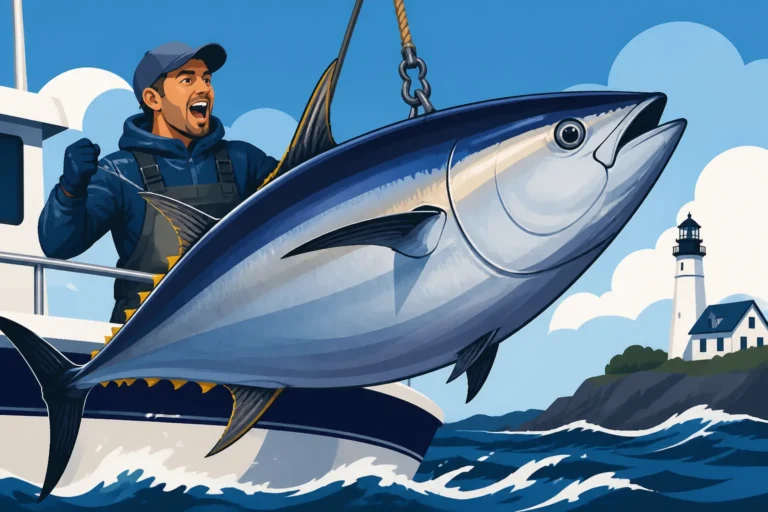
For many anglers casting lines into the rich waters off Massachusetts, there's a particular kind of trophy that looms large in their imagination: the giant bluefin tuna. But what exactly elevates a bluefin from a formidable catch to a truly "giant" one? If you've ever heard whispers of these incredible fish and wondered about the specific characteristics that earn them this legendary status, you're not alone. This guide will dive deep into the world of giant bluefin, explaining what makes them so special, how they achieve their impressive size, and where Massachusetts fits into their epic journey.
What Defines a "Giant" Bluefin Tuna?
When we talk about bluefin tuna, especially here in Massachusetts, the term "giant" isn't just a casual descriptor for a really big fish. It carries a specific meaning, steeped in angling tradition and often backed by official classifications. It's the kind of fish that puts seasoned captains and their crews to the ultimate test, becoming the stuff of legend on the docks from Gloucester to the Outer Cape.
Weight and Length Thresholds
While the exact numbers can vary slightly depending on who you ask—or which tournament rules you're consulting—the generally accepted minimum weight for a bluefin tuna to be classified as a "giant" is often around 73 inches curved fork length (CFL) or roughly 310 pounds. This isn't just a number pulled out of thin air; it aligns with certain management categories and historical angling records that separate the truly immense specimens from merely large ones. Imagine reeling in a fish that's longer than some cars, a true testament to the ocean's raw power and the angler's skill. These are the fish that require dedicated vessels, specialized tackle, and a crew working in unison.
The journey to reaching these incredible sizes is a long one, spanning many years and countless miles across the ocean. These giants are often older fish, survivors of countless challenges, and their sheer mass is a testament to their longevity and success in the wild. Catching one is not just about the fight; it's about connecting with a magnificent, ancient predator. The International Game Fish Association (IGFA), for instance, tracks world records for these fish, and their classifications often play a role in what anglers consider a true giant.
Distinguishing from "Schoolie" and "Recreational" Fish
To truly understand what makes a giant bluefin, it helps to distinguish them from their smaller, though still impressive, counterparts. Anglers often categorize bluefin tuna into several groups based on their size, which also dictates how they are managed and what kind of permits are required to target them. The smallest are often called "schoolie" tuna, typically ranging from small pups up to around 73 inches CFL, putting them under 310 pounds. These fish are generally targeted with lighter tackle, though they still put up a tremendous fight.
Above schoolies, you often find what are sometimes called "recreational" or "medium" bluefin, which might push into the low hundreds of pounds. These are still serious fish, capable of emptying a spool in seconds, but they are not yet in the "giant" category. The giant designation is reserved for those truly immense individuals, those apex predators that represent the pinnacle of their species' growth. For instance, regulations regarding Bluefin Tuna Size Limits off Massachusetts clearly differentiate between these categories, dictating everything from daily bag limits to the type of permits required to even possess one. The pursuit of these colossal fish is often the domain of highly specialized charter operations and dedicated private boats.
The Life Cycle and Growth of Atlantic Bluefin
The Atlantic bluefin tuna (Thunnus thynnus) is one of the ocean's most incredible migratory species, and its journey to giant status is a marvel of nature. Their entire existence is a testament to survival, speed, and sustained power. Understanding their life cycle helps us appreciate the sheer scale of a giant bluefin even more.
From Spawning to Maturity
Atlantic bluefin tuna typically spawn in specific, warm-water locations, primarily in the Gulf of Mexico and the Mediterranean Sea. Unlike many fish that spawn in coastal waters, bluefin travel vast distances to these relatively distant breeding grounds. A female bluefin can release millions of eggs, but only a tiny fraction will survive to adulthood. The larvae and juvenile fish spend their early lives in these warmer waters, feeding on small crustaceans and fish, growing rapidly.
As they mature, these young tuna begin their epic migrations. They are incredibly fast-growing, but reaching giant status takes many years, often over a decade, and sometimes much longer. During this time, they will traverse entire oceans, crossing paths with countless predators and overcoming immense environmental challenges. Each year, they add significant weight and length, steadily working their way up the food chain to become the ultimate oceanic predators we know.
Diet and Migration Patterns Fueling Growth
What truly fuels the incredible growth of a giant bluefin tuna? It’s a combination of a voracious appetite and extensive migratory patterns that take them through some of the richest feeding grounds on the planet. These fish are opportunistic predators, consuming vast quantities of baitfish such as herring, mackerel, squid, and even smaller groundfish. Their diet is rich in protein and fat, essential for building the muscle mass and blubber that allows them to sustain their powerful swimming and regulate their body temperature in colder northern waters.
The bluefin's migrations are legendary. They will travel thousands of miles from their spawning grounds to feeding grounds off the coasts of New England, Canada, and Europe. Massachusetts waters, particularly around Cape Cod and offshore banks, are prime feeding areas during the warmer months, attracting these titans with an abundance of baitfish. This constant movement and access to rich food sources are critical to their development. For example, understanding these patterns is key for anglers trying to predict When striped bass arrive in Massachusetts waters or, in this case, when the bluefin are on the hunt. The ability to consume large quantities of high-energy prey, combined with their incredible metabolic efficiency, allows them to pack on hundreds of pounds over years, transforming them into the giants that inspire awe.
Where and When to Find Giant Bluefin in Massachusetts
Massachusetts is renowned as one of the premier destinations in the world for giant bluefin tuna fishing. The confluence of nutrient-rich waters, abundant bait, and deep offshore structures creates an ideal environment for these massive fish, drawing anglers from around the globe.
Key Fishing Grounds
When targeting giant bluefin in Massachusetts, certain areas consistently produce the biggest fish. The waters east of Cape Cod, particularly around Stellwagen Bank, Jeffreys Ledge, and the canyons and offshore banks south of Martha's Vineyard and Nantucket, are legendary. These areas feature complex underwater topography with steep drop-offs, ledges, and channels that concentrate baitfish, which in turn attracts the giant tuna. Stellwagen Bank, for example, is a federally protected marine sanctuary but also a vital feeding ground where these fish gorge themselves.
Anglers venturing into these areas often depart from ports like Gloucester, Chatham, or Sandwich. Trips to these deep-water grounds require substantial boats, often dedicated offshore fishing machines, capable of handling the open Atlantic and carrying the heavy-duty gear needed. Many specialized Massachusetts Bluefin Tuna Charters operate out of these ports, offering anglers a chance to experience the thrill of targeting these magnificent creatures. You'll often find these vessels equipped with advanced electronics, outriggers, and the kind of heavy tackle you might find yourself researching on Amazon, preparing for the battle ahead.
Seasonal Movements and Peak Times
The presence of giant bluefin tuna in Massachusetts waters is highly seasonal, driven by their migratory patterns and the availability of their preferred forage. Generally, the season for these behemoths kicks off in late spring or early summer, typically around June, as water temperatures rise and baitfish like mackerel, herring, and pogies move into the region. This is when the tuna arrive, hungry after their long migrations.
The peak of the giant bluefin season often runs through late summer and into the fall, usually from August through October. During these months, the tuna are actively feeding and bulking up for their winter migrations, making them prime targets. A good captain knows the intricacies of Best Month for Bluefin Tuna Charters off Massachusetts to maximize their chances. As the water cools in late fall, usually by November, the giants begin to depart, heading south to warmer waters. Successful giant tuna fishing requires not only knowing where they are but also when they are most likely to be present and feeding aggressively.
The Challenge of Catching a Giant Bluefin
Hooking a giant bluefin tuna is one thing; bringing it to the boat is an entirely different beast. These fish are, pound for pound, some of the strongest and most resilient fighters in the ocean, capable of unbelievable power and stamina. It’s a challenge that demands respect, preparation, and often, a bit of luck.
Specialized Gear and Techniques
Catching a giant bluefin tuna is not a casual endeavor. It requires specialized, heavy-duty gear designed to withstand immense pressure and prolonged fights. Think stout, purpose-built fishing rods, often rated for 80-pound or even 130-pound class line. Reels are massive, often lever-drag models capable of holding hundreds of yards of heavy monofilament or braided line, offering incredible drag pressure. Many anglers spend considerable time researching the best options, pouring over reviews on platforms like Amazon before making such significant investments.
The techniques employed are also specific to the species and its size. Trolling with large lures or natural baits like mackerel, or even smaller tuna, is common. Boats will often deploy spreader bars or daisy chains designed to mimic schools of baitfish. Chunking—drift fishing with cut bait—is another popular and effective method. For the more adventurous, there's also the thrill of targeting them with jigs or poppers, a truly active and heart-pounding method described in detail in guides like Jigging and Popping for Bluefin Tuna. The choice of bait, lure color, and presentation can be critical, and often, subtle adjustments are needed throughout the day to entice a bite.
The Fight of a Lifetime
When a giant bluefin hits, there's no mistaking it. The rod doubles over, the drag screams, and line peels off the reel at an alarming rate. This isn't just a tug-of-war; it's a marathon. The initial run of a giant tuna can easily strip hundreds of yards of line in seconds, testing the integrity of every piece of equipment and the resolve of the angler. These fish are built for speed and endurance, and they use every ounce of their power to resist capture.
The fight can last for hours, sometimes extending well over half a day, especially with the largest specimens. Anglers often take turns in the fighting chair, enduring incredible physical strain. Communication and teamwork among the crew are paramount: the captain maneuvering the boat, the mate providing encouragement and guidance, and everyone working together to ensure the line stays tight and the fish doesn't chafe off on the boat or other underwater structures. Many stories from these epic battles are shared and cherished for years, becoming part of the rich tapestry of Massachusetts fishing lore.
Conservation and Management of Giants
Due to their migratory nature and historical overfishing, Atlantic bluefin tuna are a highly regulated species. International and national bodies, including NOAA Fisheries in the United States, implement strict quotas, size limits, and reporting requirements to ensure the sustainability of the stock. Catching a giant bluefin involves not just the thrill of the sport but also a commitment to responsible fishing practices.
Anglers targeting these fish must possess specific permits, and reporting catches (even if released) is mandatory. The goal is to allow for sustainable recreational and commercial fishing while ensuring the long-term health of the bluefin population. For those lucky enough to boat a giant, there are rules about Daily striped bass limit in Massachusetts or Massachusetts Bluefish Bag Limit and Season that help manage other popular species, and similar stringent regulations apply to bluefin. Many reputable charter operations, often listed on booking sites or even found through dedicated searches on Amazon for fishing services, are well-versed in these regulations, prioritizing conservation alongside the pursuit of these magnificent ocean dwellers.
Bluefin Tuna Categories by Weight
To provide a clearer picture of what makes a bluefin a "giant" versus its smaller relatives, here's a general breakdown of how they are often categorized by anglers and management agencies. Keep in mind that exact classifications can sometimes shift based on specific regulations or scientific studies.
| Category | Approximate Weight Range (lbs) | Approximate Length Range (CFL inches) | Characteristics |
|---|---|---|---|
| School Bluefin | Under 70 | Under 47 | Younger, faster, found in larger schools |
| Small Medium Bluefin | 70 – 139 | 47 – 59 | More substantial fight, still school in groups |
| Large Medium Bluefin | 140 – 309 | 59 – 73 | Serious game fish, challenging on heavy tackle |
| Giant Bluefin | 310+ | 73+ | Apex predators, epic fight, requires specialized gear |
This table illustrates the significant jump in size and, consequently, the challenge and specialized approach required when moving into the "Giant" category.
Disclaimer
This article is for general informational purposes only and does not constitute professional advice. Laws, prices and regulations vary by location and change over time. Consult a qualified professional for guidance on your specific situation.