Massachusetts Saltwater Bag Limits by Species
Figuring out the exact saltwater bag limits for fishing in Massachusetts can feel like trying to decipher a secret code, especially with so many species, constantly changing rules, and federal and state regulations often intertwined. It’s incredibly frustrating when all you want to do is enjoy a day on the water, but you’re constantly worried about whether you’re compliant. This guide is here to untangle that complexity, offering a clear, comprehensive breakdown of the key saltwater bag limits by species in Massachusetts, so you can fish with confidence and peace of mind.
Why Saltwater Bag Limits are Absolutely Crucial for Anglers
Bag limits aren't just arbitrary numbers set by some distant committee; they are a vital tool in marine fisheries management, designed to protect the very resources we cherish. For us anglers, understanding and adhering to these limits isn't just about avoiding a fine; it's about being a responsible steward of the ocean and ensuring there are plenty of fish for future generations, and for our own fishing adventures next season.
Protecting Fish Populations for the Future
Think about it: if everyone could keep as many fish as they wanted, it wouldn't take long for popular species to be severely overfished. That's why government agencies like the Massachusetts Division of Marine Fisheries (DMF) and federal bodies step in. They use scientific data, stock assessments, and input from various stakeholders, including commercial fishermen and recreational anglers, to determine sustainable harvest levels. These bag limits are one way to control how many fish are removed from the population, giving fish a chance to reproduce and grow. It's about finding that delicate balance where we can still enjoy our sport without depleting the natural resource.
For instance, the regulations around iconic species like striped bass are heavily influenced by population health. When stocks are struggling, limits become stricter, sometimes changing mid-season or year to year. These changes, while sometimes inconvenient, are critical responses to real-time data about the health of the fishery. It’s a collective effort to bounce back from declines and ensure the species thrives.
Ensuring Sustainable Fishing for Everyone
Beyond just protecting the fish, bag limits ensure that the fishing opportunities are spread out fairly among all anglers. Imagine if a few individuals could take hundreds of fish in a day, leaving little for others. That wouldn't be very fun or equitable for the vast majority of us who just want to catch a few for dinner or the thrill of the fight. Bag limits help distribute the catch, meaning more people have a chance to experience the joy of landing a fish.
This sustainability also extends to the economic health of coastal communities. When fisheries are healthy and well-managed, it supports bait shops, tackle stores, charter businesses, and all the other industries that rely on a thriving fishing environment. It ensures that the tradition of fishing can continue for generations of Massachusetts families and visitors alike. So, while a limit might feel restrictive sometimes, it’s actually contributing to a much larger, healthier ecosystem that benefits everyone.
Serious Consequences of Non-Compliance
Let's be blunt: ignoring bag limits isn't just a slap on the wrist. The penalties for fishing without a license or exceeding catch limits in Massachusetts can be substantial. You could face hefty fines, confiscation of your catch and gear, and even the suspension of your fishing privileges. Enforcement officers from the Massachusetts Environmental Police patrol both inland and coastal waters, and they are well-versed in the regulations.
It's not worth the risk, financially or morally. Beyond the legal repercussions, there's the damage to the reputation of responsible anglers and the broader fishing community. We all want to be seen as guardians of the resource, not exploiters. Always remember that possessing a valid license, like the one outlined in the Massachusetts Fishing License Guide, is just the first step; knowing and respecting the bag limits is equally important for any angler setting out.
Getting Down to the Nitty-Gritty: Understanding Bag Limit Basics
Before we dive into specific species, it’s important to clarify some fundamental concepts that apply across the board. The language of fishing regulations can sometimes be a bit jargon-heavy, but once you understand these core terms, navigating the rules becomes much clearer. This foundation is crucial for any angler, whether you're a seasoned veteran or just starting to learn about the Massachusetts Saltwater Recreational Fishing Permit.
Defining "Bag Limit" and "Possession Limit"
While often used interchangeably, "bag limit" and "possession limit" actually have distinct meanings, and understanding the difference is key to staying legal.
The bag limit refers to the maximum number of fish of a particular species that an individual angler can catch and keep per day. So, if the striped bass bag limit is one fish per person per day, that means once you've kept your one striped bass, you can't keep any more for the remainder of that calendar day, regardless of how many more you catch and release. This limit resets at midnight.
The possession limit, on the other hand, refers to the maximum number of fish of a particular species that an individual can have in their possession at any given time, whether on their person, in their cooler, in their vehicle, or even stored at home. For most recreational saltwater species in Massachusetts, the daily bag limit is the possession limit. However, there are exceptions, particularly for certain federal waters or where rules are designed to prevent stockpiling. For example, some species might have a daily limit of 5 fish, but a possession limit of 10 if you're on a multi-day trip. Always check the specific regulations for the species you're targeting to ensure you understand both.
The Critical Importance of Accurate Measurement
Another absolute must-do is accurately measuring your catch. Most species not only have a bag limit but also a minimum (and sometimes maximum) size limit. If a fish doesn't meet the legal size, it must be immediately released, regardless of whether you've hit your bag limit.
For many fish, like fluke or tautog, the measurement is taken from the tip of the snout (mouth closed) to the farthest end of the tail. For other species, like striped bass, a "fork length" might be specified, meaning from the tip of the nose to the fork in the tail. Always use a reliable measuring device – a rigid tape measure, a dedicated fish ruler, or a marked deck surface on your boat are far better than trying to eyeball it. Having a proper measuring tool on hand, perhaps one you ordered from Amazon, is crucial before you even cast your first line. It’s a good practice to measure your fish twice to be absolutely sure before you decide to keep it. The rules around Massachusetts Fluke Size Limits Explained or the Massachusetts Tautog Size and Bag Limit by Season are particularly strict about this.
Understanding the Role of the Slot Limit
The "slot limit" is a specific type of regulation that often causes confusion but is designed to protect both juvenile fish and the large, reproductive adult fish, sometimes referred to as "broodstock." Instead of just a minimum size, a slot limit specifies a range of lengths, and you can only keep fish that fall within that range.
A classic example of this is the striped bass. Massachusetts Striped Bass Slot Limit Explained outlines that you can only keep a striped bass if it measures within a specific slot, for example, between 28 and 31 inches. This means if you catch a striper that's 27 inches, it's too small and must be released. If you catch one that's 32 inches, it's too large and must also be released. The idea is to protect the smaller fish so they can grow and reproduce, and to protect the largest fish because they are often the most prolific breeders, contributing significantly to future generations. This management strategy helps maintain a healthier, more balanced fish population.
Key Saltwater Species and Their Massachusetts Limits
Now, let's get into the specifics! Massachusetts boasts an incredible diversity of saltwater species, each with its own set of regulations. It's crucial to be familiar with the rules for the species you're targeting. Keep in mind that these limits can change, sometimes annually, so always double-check the latest regulations from official sources before heading out.
Striped Bass: The Coveted Coastal Striper
The striped bass, or "striper," is arguably the most iconic saltwater game fish in Massachusetts, drawing anglers from all over. Due to conservation concerns, their regulations are among the most carefully managed.
Currently, the recreational bag limit for striped bass in Massachusetts is one fish per angler per day, with a strict slot limit of 28 to 31 inches total length. This means any striped bass shorter than 28 inches or longer than 31 inches must be immediately released. This slot limit is critical for protecting the spawning stock. Anglers found with striped bass outside this slot, or more than the daily limit, face serious penalties. Remember, even if you are on a charter boat, you still abide by this individual limit. These rules apply to anyone fishing in state waters, including those fishing from shore, kayaks, or private vessels.
Bluefish: Aggressive and Abundant
Bluefish are known for their aggressive bites and powerful fights, making them a popular target throughout the Massachusetts coast. Thankfully, their populations are generally healthy, allowing for more generous bag limits compared to stripers.
The recreational bag limit for bluefish in Massachusetts is typically three fish per angler per day if you're fishing from a private vessel or shore. However, if you're fishing on a for-hire vessel (a charter or party boat), that limit increases to five fish per angler per day. There's generally no minimum size limit for bluefish, but always check the most recent Massachusetts Bluefish Bag Limit and Season information, as regulations can be updated. These rules are usually consistent throughout the season, but staying informed is always best.
Tautog: The Wily Tog
Tautog, or "tog," are a challenging and delicious species, known for their strong pull and preference for rocky bottom structures. Their regulations are often seasonal, varying depending on the time of year to protect spawning fish.
The tautog limits in Massachusetts are a bit more dynamic. Typically, there's a minimum size limit of 16 inches total length. The bag limit, however, fluctuates throughout the year. For example, during some periods (like most of the spring and summer), the limit might be three fish per angler per day. In the fall, a prime tautog fishing season, the limit might increase to five fish per angler per day. It is absolutely crucial to consult the Massachusetts Tautog Size and Bag Limit by Season guide or the latest official DMF regulations before heading out, as these seasonal changes are strictly enforced. They protect the species during vulnerable times while allowing for more harvest when populations can sustain it.
Fluke (Summer Flounder): A Bottom Dweller's Delight
Summer flounder, commonly known as fluke, are a prized flatfish, popular for their delicious white meat. They are typically found on sandy or muddy bottoms, often near structure.
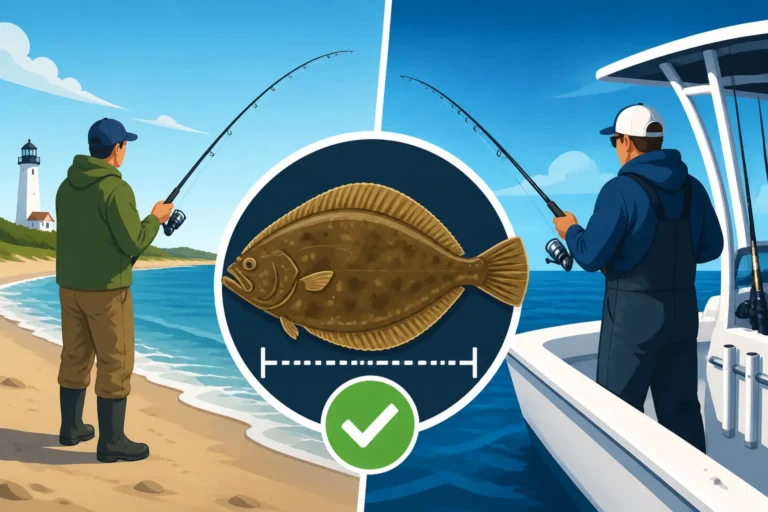
Fluke regulations include both a size and bag limit. In Massachusetts, the recreational minimum size limit is generally 16.5 inches total length. The bag limit is typically four fish per angler per day. However, it's critical to note that fluke regulations can sometimes differentiate between fishing from shore versus from a boat, or even vary based on federal waters. For a precise breakdown, always refer to the most current Massachusetts Fluke Size Limits Explained, as these rules are subject to change and specific nuances. These regulations are set to ensure a healthy stock of this popular species.
Black Sea Bass: Delicious and Demanding
Black sea bass are a highly sought-after species, known for their excellent taste and feisty fight. They prefer rocky bottoms, wrecks, and reefs, making them a favorite for bottom fishing.
Similar to tautog, black sea bass regulations often have a seasonal component. The recreational minimum size limit in Massachusetts is typically 15 inches total length. The bag limit can vary by season and area, but often ranges from two to eight fish per angler per day. It's common for there to be a short closure period or stricter limits during the spawning season. For the most up-to-date and specific information, including season dates and any regional variations, you should consult the Massachusetts Black Sea Bass Fishing in Massachusetts page or the Massachusetts Division of Marine Fisheries website directly.
Cod and Haddock: Groundfish Challenges
While not always targeted by recreational anglers in the same way as stripers or bluefish, cod and haddock are important groundfish species, particularly in deeper, colder waters. These fisheries have faced significant conservation challenges, leading to very strict regulations.
Recreational cod fishing in Massachusetts waters has been heavily restricted, and at times, even closed, due to severe stock depletion. When open, the limits are usually very low, often just one fish per angler per day with a substantial minimum size (e.g., 21 inches). Haddock fishing, however, has been more robust, with more generous limits, often 15 fish per angler per day and a minimum size of 17 inches. However, these regulations are frequently updated based on federal stock assessments, which override state rules in federal waters. Always check the NOAA Fisheries Greater Atlantic Region website or the Massachusetts DMF site for the absolute latest on cod and haddock limits, as they are among the most dynamic.
Tuna and Other Offshore Giants
For those venturing offshore, Massachusetts is a world-class destination for various tuna species, including bluefin, yellowfin, and sometimes bigeye. These highly migratory species are managed under complex international and federal regulations.
Bluefin tuna, in particular, have highly variable and complex regulations, often changing based on quota availability and time of year. Limits are typically set by the National Oceanic and Atmospheric Administration (NOAA) Fisheries and can include specific size categories (e.g., "school," "large school/small medium," "large medium," and "giant"). Bag limits for bluefin are usually very low, often one fish per vessel per day within certain size categories, and sometimes even zero for others. For yellowfin and bigeye tuna, limits are generally more liberal, often three fish per person per day with no size limit, but again, this can change. You absolutely must consult the most current NOAA Fisheries Highly Migratory Species (HMS) regulations before targeting any tuna species, as non-compliance can result in severe federal penalties.
Scup and Other Panfish
Beyond the major game fish, Massachusetts coastal waters offer excellent opportunities for smaller, yet equally delicious, panfish like scup (porgy). These fish are popular for family fishing trips due to their abundance and willingness to bite.
Scup typically have a generous bag limit, often 30 fish per angler per day, with a minimum size limit of 10 inches total length. These limits are usually quite stable throughout the year and are designed to allow for a plentiful harvest. They make for a fantastic day of consistent action, especially for newer anglers or kids. While they might not be the giants of the deep, scup offer reliable fun and a tasty meal.
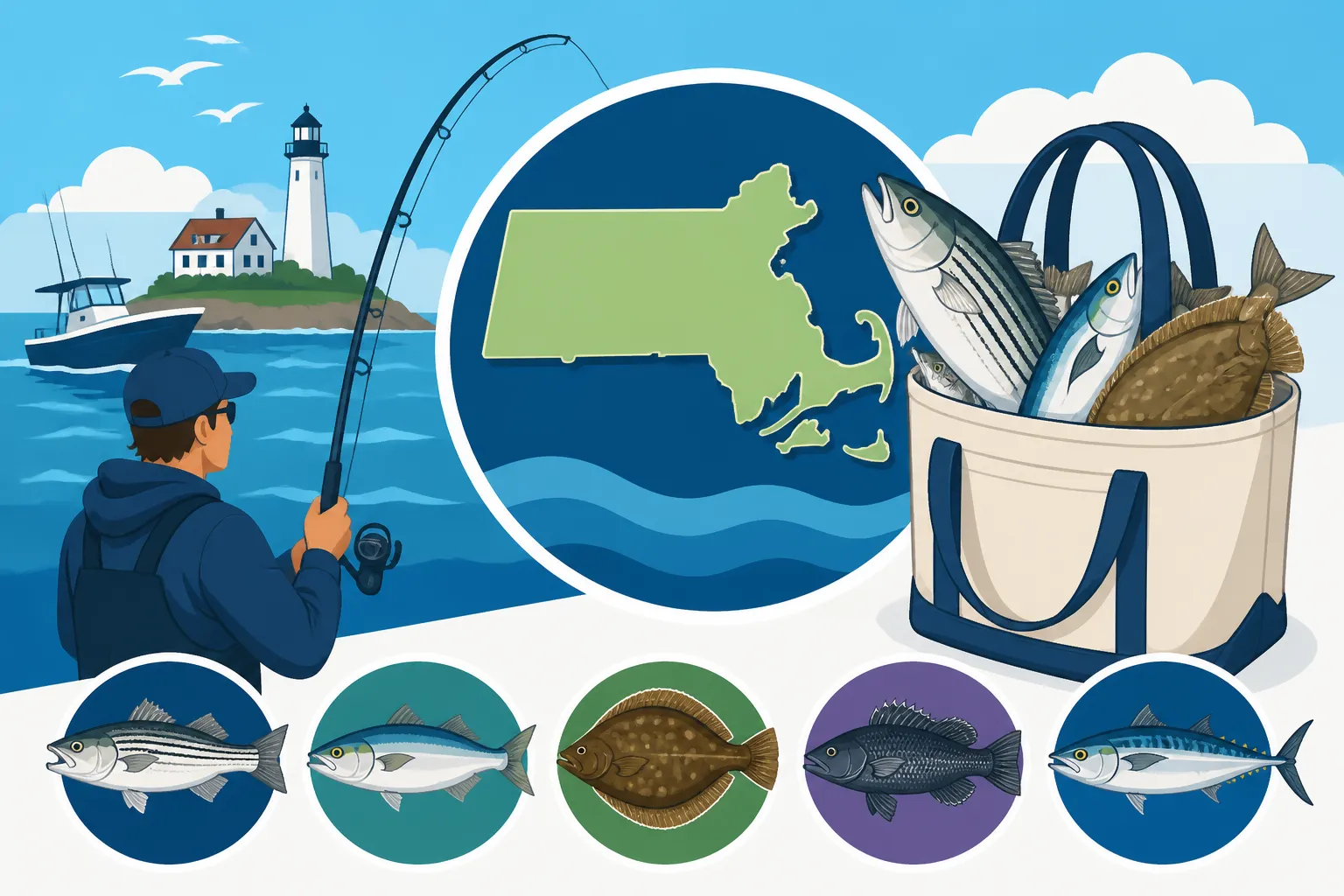
Here's a quick summary table of common saltwater bag and size limits in Massachusetts. Please remember these are general guidelines and are subject to change. Always verify with official sources before fishing.
| Species | Minimum Size Limit (approx.) | Bag Limit (per angler/day, approx.) | Notes |
|---|---|---|---|
| Striped Bass | 28 inches (slot) | 1 fish | Must be between 28-31 inches |
| Bluefish | None | 3 fish (private/shore); 5 fish (for-hire) | |
| Tautog | 16 inches | 3-5 fish (seasonal) | Varies significantly by season; check current regulations |
| Fluke (Summer Flounder) | 16.5 inches | 4 fish | |
| Black Sea Bass | 15 inches | 2-8 fish (seasonal) | Varies by season and area |
| Cod | 21 inches | 1 fish (highly restricted/closed) | Highly variable, often closed or very strict |
| Haddock | 17 inches | 15 fish | Usually more consistent than cod |
| Scup (Porgy) | 10 inches | 30 fish | |
| Tuna (Bluefin) | Highly variable | 1 fish (per vessel, complex) | Federal rules, highly dynamic, size/quota dependent |
| Tuna (Yellowfin/Bigeye) | None | 3 fish | Federal rules, generally more stable than bluefin |
Navigating Seasonal and Area-Specific Regulation Changes
The world of saltwater fishing regulations isn't static. It's a dynamic environment where rules can shift based on scientific assessments, fishery health, and even political decisions. This is where many anglers get tripped up, thinking last year's rules still apply. Being aware of these potential changes and knowing where to find the most current information is paramount.
When Limits Can Change Throughout the Year
One of the biggest challenges for recreational anglers is that bag and size limits aren't always set in stone for the entire year. Regulatory bodies like the Massachusetts Division of Marine Fisheries (DMF) and NOAA Fisheries are constantly monitoring fish populations. If a stock assessment shows a species is struggling more than anticipated, or if harvest targets are being met too quickly, emergency closures or stricter limits can be implemented mid-season. Conversely, if a fishery is doing exceptionally well, limits might be relaxed slightly.
These changes are often driven by federal mandates, especially for highly migratory species or those managed across state lines. For example, the Atlantic States Marine Fisheries Commission (ASMFC) or NOAA Fisheries might issue new guidelines that Massachusetts must then adopt, sometimes leading to changes in the middle of spring or summer. It’s not uncommon for anglers to miss these updates if they aren’t actively checking official sources. This is why resources like the Massachusetts Fishing Regulations Pamphlet, Explained are so valuable for staying on top of things.
Special Rules for Specific Waters: State vs. Federal
Massachusetts has both state waters (generally out to three nautical miles from shore) and federal waters (beyond three nautical miles). The regulations can, and often do, differ between these two zones, especially for species managed under federal plans. For instance, the Massachusetts recreational fishing rules and bag limits might apply within state waters, but once you cross that invisible line into federal territory, different, often more restrictive, rules from NOAA Fisheries can take precedence.
This is particularly true for groundfish like cod and haddock, as well as highly migratory species like tuna and sharks. Before planning a trip, especially one that takes you offshore, always clarify which regulations apply to your intended fishing grounds. Some species might have a continuous season in state waters but a shorter or different season in federal waters. Knowing whether you're in state or federal jurisdiction is a crucial piece of information that can save you a lot of trouble.
Understanding Inter-State Reciprocity and Multi-State Impact
While this guide focuses on Massachusetts, it's worth noting that many species, especially those in nearshore coastal waters, migrate along the entire East Coast. This means that regulations in neighboring states can influence, or be influenced by, Massachusetts' rules. Bodies like the Atlantic States Marine Fisheries Commission (ASMFC) work to coordinate management efforts across multiple states to ensure consistency and effective conservation for these shared resources.
For instance, the regulations for striped bass are largely set at a regional level by the ASMFC, which then provides recommendations to each state. This means that while Massachusetts sets its specific slot limit and bag limit, it's part of a larger, coordinated effort. This also means that if you frequently fish close to the Rhode Island or New Hampshire borders, you should be aware of those states' specific rules, even if you possess a Massachusetts Saltwater Recreational Fishing Permit. There is generally no license reciprocity for saltwater fishing, so you’ll need a permit for each state you fish in.
Staying Ahead of the Curve: How to Keep Informed
Given the dynamic nature of saltwater fishing regulations, simply reading this guide once isn't enough. It's absolutely essential to develop a routine for checking the most current rules before each fishing trip, or at least at the start of each new season. Don't rely on word-of-mouth or outdated information – direct access to official sources is your best friend.
Official MassWildlife and DMF Resources
The primary and most reliable source for Massachusetts fishing regulations is the Massachusetts Division of Marine Fisheries (DMF). They are the state agency responsible for managing saltwater fisheries and setting recreational limits.
- DMF Website: The official DMF website (mass.gov/marine-fisheries) is where you'll find the most up-to-date regulations, including current bag limits, size limits, and season dates. They typically have a dedicated "Recreational Fishing Regulations" section that is updated as soon as rules change.
- MassFishHunt System: While primarily for freshwater licenses, the MassFishHunt system is your go-to for buying your Massachusetts Saltwater Recreational Fishing Permit and managing your angler profile. It's often linked to the latest regulations, and sometimes important notices are posted there. For a deep dive into using the system, check out How MassFishHunt Works for Buying a Massachusetts License.
- Regulation Pamphlets: While not always updated immediately with mid-season changes, the annual Massachusetts Fishing Regulations Pamphlet is a fantastic resource, usually available at bait shops, tackle stores, and online. This provides a comprehensive overview at the start of the year. Always treat printed pamphlets as a snapshot and cross-reference with online sources for the latest updates.
Utilizing Apps and Online Tools for Real-Time Updates
In our digital age, there are several convenient ways to get real-time or near-real-time updates on fishing regulations.
- Official Apps: Some states, and even federal agencies, are developing official mobile apps that provide instant access to regulations. Check if the Massachusetts DMF has such an app or recommends a third-party application that pulls directly from their data.
- Third-Party Fishing Apps: Many popular fishing apps, such as Fishbrain or others you can find on platforms like Amazon's app store, often include regulation databases. While these can be very handy, always exercise caution and try to cross-reference their information with official government sources, as third-party apps might not update as quickly or accurately as the official channels. They can be great for trip planning and logging catches, but for legal compliance, prioritize official sources.
- Email Lists and Social Media: Consider signing up for email newsletters from the Massachusetts DMF or following their official social media channels. Agencies often use these platforms to announce emergency closures or significant regulation changes quickly.
Connecting with Local Bait Shops and Fishing Communities
Never underestimate the value of local knowledge! Your local bait and tackle shop owners and the seasoned anglers you meet on the docks or at popular fishing spots are often the first to hear about subtle changes or to clarify confusing regulations.
- Bait and Tackle Shops: These businesses are on the front lines of the fishing community. The owners and staff are usually avid anglers themselves and stay incredibly informed about local conditions and regulations. They often have physical copies of pamphlets and can point you to online resources. Many also carry a great selection of gear, from lures to the latest fish measuring tools, perfect for checking out after getting the lowdown on the rules.
- Online Fishing Forums and Groups: Joining local Massachusetts fishing forums or social media groups can be a great way to learn from experienced anglers and get quick answers to questions. However, remember the golden rule: always verify any regulatory advice you receive in these unofficial channels with the official DMF website. While helpful for tips and camaraderie, they shouldn't be your sole source for legal information.
Common Mistakes Massachusetts Anglers Accidentally Make
Even with the best intentions, it's easy to make mistakes when it comes to fishing regulations. A simple oversight can lead to an uncomfortable encounter with environmental police or, worse, unintended harm to fish populations. Being aware of these common pitfalls can help you avoid them and ensure a smooth, legal, and responsible fishing experience in Massachusetts.
Mistaking Similar Species
Massachusetts waters are home to several fish species that look quite similar, especially to the untrained eye. This can lead to inadvertently keeping a fish that is protected or has a different bag limit than the one you intended to catch.
For example, anglers sometimes confuse tautog with black sea bass, particularly when they are juveniles. While both are delicious bottom fish, their size and bag limits are distinct, and getting them mixed up can lead to a violation. Another common mix-up is between different types of flounder or even between small striped bass and white perch, which look somewhat alike but have vastly different regulations. Taking the time to learn your Massachusetts Fish Identification Guide is crucial. If you're ever unsure about a species, it's always best practice to release it unharmed. Better safe than sorry!
Measuring Incorrectly: The Tricky Inches
As we discussed earlier, accurate measurement is non-negotiable. However, mistakes here are alarmingly common. Anglers might:
- Measure "tail pinched" when "tail natural" is required, or vice-versa. Always check the specific wording in the regulations for how to measure the total length for each species. For most, it's from the tip of the snout (mouth closed) to the farthest end of the tail, laid flat.
- Use a flexible tape measure that sags, leading to an inaccurate reading. A rigid ruler or a measuring board is far more reliable. You can easily find inexpensive, waterproof fish rulers on Amazon or at any local tackle shop.
- Measure a fish on an uneven surface or quickly without ensuring the fish is straight and still. A squirming fish can easily result in an incorrect measurement, especially if you're trying to quickly determine if it's a "keeper."
- Forget the "total length" rule for striped bass's slot limit. Remember, it's not just the minimum, but also the maximum, that counts. Many anglers get caught with an oversized fish, thinking "bigger is better," when in fact, it's illegal. What a slot limit means and how it works in Massachusetts is a detail you don't want to overlook.
Overlooking Seasonal or Mid-Season Regulation Changes
Perhaps the most frequent mistake is simply not checking for updates. Anglers often fish year after year, assuming the rules remain constant. However, as noted, regulations can and do change.
Imagine you're targeting tautog in the spring, remembering last fall's generous five-fish limit. But unbeknownst to you, the spring limit is only three fish. Or perhaps a federal mandate has temporarily closed the cod fishery entirely, and you're out there planning to keep one. These kinds of oversights, while unintentional, are still violations. Make it a habit to check the Massachusetts Recreational Fishing Rules and Bag Limits at the beginning of each fishing season, and even before major trips, especially if you haven't fished for that particular species in a while. A quick check of the DMF website or a call to a local bait shop can prevent a lot of headaches.
Final Thoughts on Responsible Saltwater Angling
Navigating the complexities of Massachusetts saltwater bag limits by species can feel like a chore, but it's an absolutely essential part of being a responsible angler. By understanding why these limits exist, familiarizing yourself with the specific rules for the fish you target, and making a habit of staying informed through official channels, you're not just avoiding fines – you're actively contributing to the health and sustainability of our precious marine resources.
The thrill of a bent rod and the satisfaction of a fresh catch are what draw us to the water, but let's ensure we do it in a way that preserves these experiences for generations to come. So, equip yourself with the knowledge, measure your catches accurately, and enjoy all the incredible saltwater fishing opportunities Massachusetts has to offer, knowing you're doing your part.
Disclaimer
The information provided in this guide is for general informational purposes only and is subject to change. While we strive to provide accurate and up-to-date content, fishing regulations, bag limits, and size restrictions in Massachusetts are frequently updated by regulatory bodies. It is the sole responsibility of the angler to consult the official Massachusetts Division of Marine Fisheries (DMF) website and/or NOAA Fisheries (for federal waters and highly migratory species) for the most current and legally binding regulations before engaging in any fishing activity. Non-compliance with fishing laws can result in fines, penalties, and forfeiture of catch and gear.