Does Massachusetts Set a Minimum Size for Bluefish?
It can be incredibly confusing to keep track of all the different fishing regulations here in Massachusetts. One moment you're trying to remember the slot limit for striped bass, the next you're wondering if that feisty bluefish you just reeled in is even legal to keep. It's enough to make your head spin! This guide is here to clear up one specific point of confusion: whether there's a minimum size requirement for bluefish in Massachusetts waters, and what rules you do need to follow to stay on the right side of the law.
The Straight Scoop: Bluefish Size Limits in Massachusetts
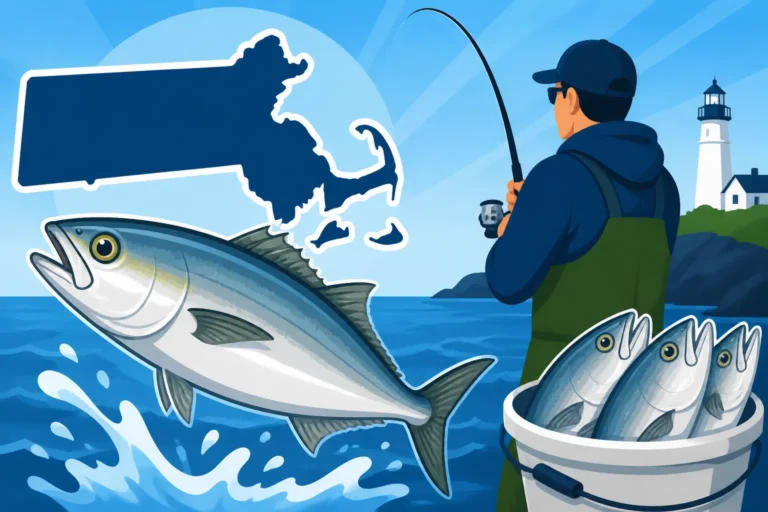
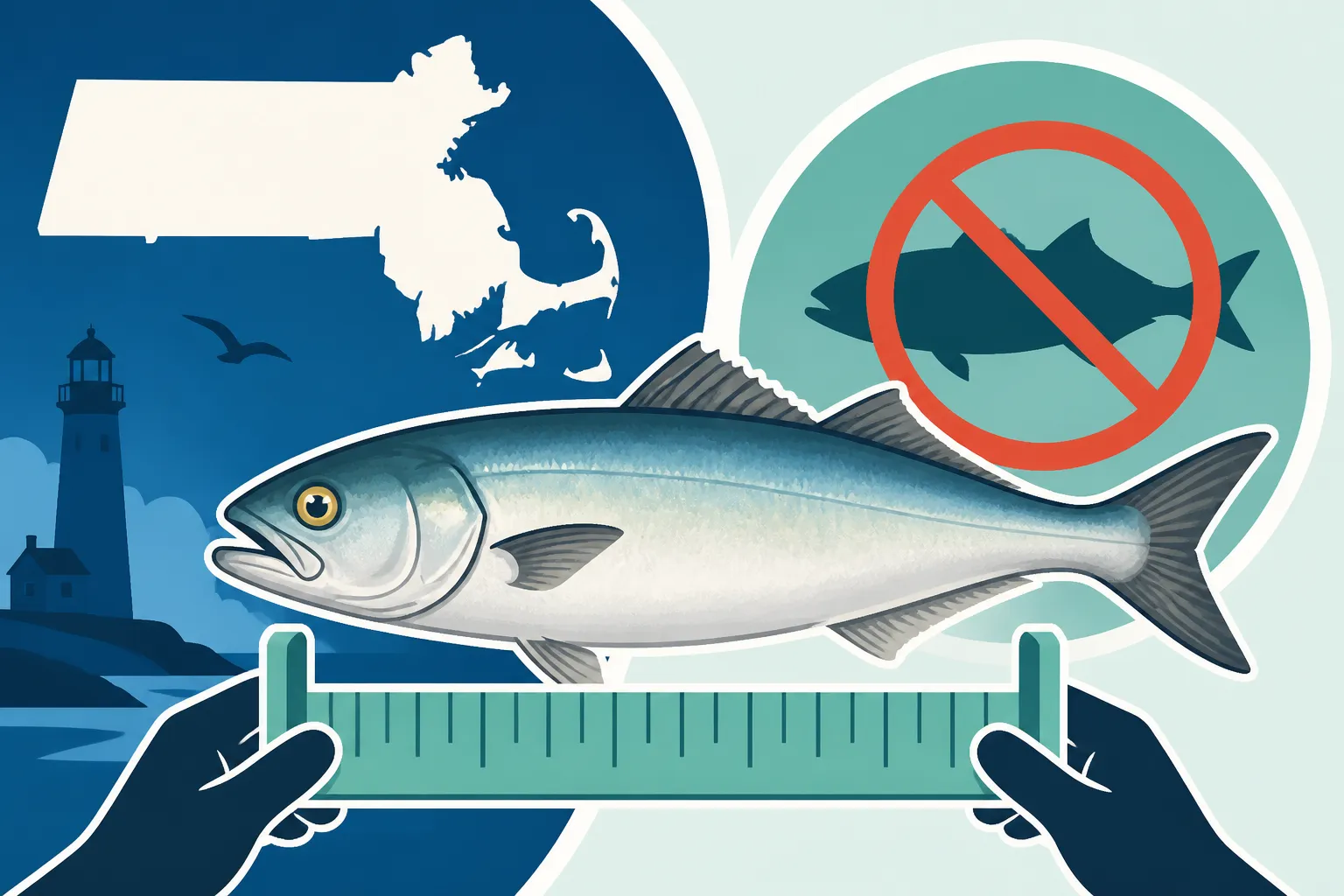
Let's cut right to the chase, because nobody wants to be guessing out on the water. For recreational anglers fishing in Massachusetts, there is no minimum size limit for bluefish. That's right, if you hook into a bluefish, whether it's a small snapper blue or a much larger gator blue, you're generally allowed to keep it, provided you adhere to the daily bag limits. This often comes as a surprise to anglers, especially those who are more accustomed to the strict size regulations placed on other popular species like striped bass or tautog.
It's a common misconception, really. We get so used to measuring our catches that it's easy to assume every fish has a ruler requirement. But bluefish are a bit different, and their management strategy reflects their unique biology and population dynamics. So, while you won't be reaching for your tape measure when a bluefish hits your line, there are still other important rules you need to be aware of. The lack of a minimum size doesn't mean it's a free-for-all; it simply shifts the focus of conservation efforts to other measures.
Understanding Massachusetts Bluefish Regulations
Even without a minimum size, bluefish fishing in Massachusetts is still regulated to ensure a healthy population for future generations. The primary tool used for bluefish management is the daily possession limit, also known as the bag limit. These limits are set to control the overall harvest and are crucial for the sustainability of the fishery.
Daily Possession Limits for Bluefish
Currently, the daily possession limit for bluefish varies depending on whether you're fishing from a private vessel or shore, or if you're on a for-hire charter or head boat.
- For private anglers (fishing from shore or a private boat): The daily bag limit is 10 bluefish per person.
- For for-hire vessels (charter boats or head boats): The daily bag limit is 7 bluefish per person.
It's absolutely critical to understand and adhere to these limits. Exceeding the bag limit is a violation of fishing regulations and can result in fines and penalties. Imagine the disappointment of having a fantastic day on the water, only to realize you've kept too many fish because you weren't aware of the specific rules. Always double-check the latest Massachusetts Recreational Fishing Rules and Bag Limits before you head out, as regulations can sometimes change between seasons.
Here's a quick reference table for clarity:
| Angler Type | Bluefish Minimum Size | Bluefish Daily Bag Limit |
|---|---|---|
| Private Boat / Shore | None | 10 fish per person |
| For-Hire Vessel (Charter) | None | 7 fish per person |
When Can You Catch Bluefish in Massachusetts?
Unlike some species that have very specific open and closed seasons, bluefish are generally available to recreational anglers year-round in Massachusetts. However, their migratory nature means they are primarily present in our waters during the warmer months. You'll typically find them showing up in late spring, around May or June, and they'll stick around through the summer and into the fall, usually departing by late October or November as water temperatures drop.
The peak of bluefish activity often aligns with the summer months, particularly July, August, and September, when they are aggressively feeding on baitfish. This is when you'll have the best chance of encountering large schools and experiencing some truly exciting fishing. If you're looking for more details on the best times to target these toothy critters, our guide on Bluefish Fishing in Massachusetts has you covered.
Why Bluefish Management Differs from Other Species
The absence of a minimum size limit for bluefish isn't an oversight; it's a deliberate management decision based on the biology and life history of the species. Understanding why bluefish are managed differently can help you appreciate the thought process behind the regulations.
Bluefish Biology and Population Dynamics
Bluefish are incredibly fast-growing, highly migratory, and prolific spawners. They mature relatively quickly and produce a large number of offspring, making their populations generally robust. They are also known for their aggressive, predatory nature, often forming large schools that can decimate baitfish populations. This makes them a vital part of the marine ecosystem, but also a species that can recover quickly from fishing pressure compared to some other, slower-growing fish.
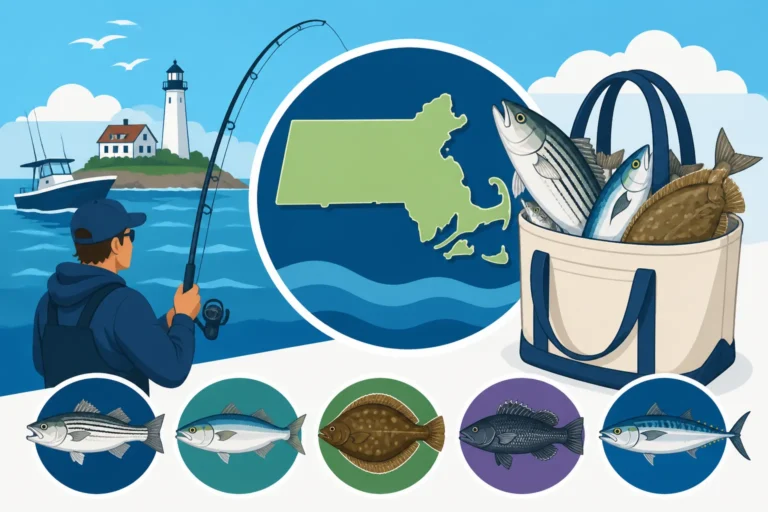
Fishery managers often use different tools to manage different species. For bluefish, focusing on a daily bag limit is considered an effective way to control the overall number of fish harvested without needing to dictate a minimum size. This approach helps to prevent overharvesting across the population while allowing anglers to keep fish of various sizes. In contrast, species like striped bass, which are slower to mature and have more localized spawning grounds, often require strict slot limits and minimum sizes to protect specific age classes of fish and ensure successful reproduction. Learning the difference between Bluefish and Striped Bass in terms of regulations and biology can be really enlightening.
Conservation Efforts and Sustainable Fishing
The goal of all fishing regulations, including those for bluefish, is conservation and sustainability. MassWildlife and other agencies constantly monitor fish populations, and regulations are adjusted based on scientific data to ensure healthy stocks. While bluefish populations are generally stable, responsible fishing practices by individual anglers are still essential.
This means respecting bag limits, practicing proper catch and release for fish you don't intend to keep, and being mindful of the ecosystem. Even if you're allowed to keep 10 bluefish, if you only need two for dinner, consider releasing the rest safely. Every angler plays a part in maintaining the health of our fisheries. Your Massachusetts Saltwater Recreational Fishing Permit Explained funds these vital conservation efforts, so it's a good feeling knowing your participation supports the fish you love to catch.
Making the Most of Your Bluefish Catch
So, you've landed a bluefish, you know there's no minimum size, and you're within your bag limit. Now what? Bluefish are renowned for their fierce fight and sharp teeth, making them a thrilling catch. They also make for decent table fare, especially if properly handled.
Gear Up for Bluefish Action
Bluefish are not shy, and they hit hard! You'll want sturdy tackle to handle their powerful runs and sharp, razor-like teeth. A medium to heavy action spinning rod paired with a reliable reel spooled with 20-40 lb braided line is a good starting point. Don't forget a strong leader, preferably fluorocarbon or wire, to prevent bite-offs. Bluefish aren't picky, often striking at a variety of lures, including metal spoons, poppers, and swimbaits. Many anglers find great deals on these essential items on Amazon, from top-rated rods and reels to a wide selection of lures.
When it comes to lures, bright, flashy options often work best, especially those that mimic baitfish like mackerel or bunker. Our guide on the Best Lures for Bluefish offers more specific recommendations to help you stock your tackle box. Always carry a pair of pliers or a dehooking tool to safely remove hooks from their toothy mouths, and a pair of sturdy gloves can prevent accidental cuts.
Handling Your Catch Safely
Bluefish have incredibly sharp teeth – they're called "choppers" for a reason! Always handle them with extreme care to avoid injury. Use a net to land them if possible, and once on board, consider using a fish gripper or pliers to control their head while you remove the hook. Never put your fingers near their mouth.
If you plan on keeping bluefish to eat, it's best to bleed them immediately after catching by cutting a gill arch. This improves the flavor and quality of the meat. Place them on ice as quickly as possible. Bluefish have dark, oily meat that can develop a strong "fishy" flavor if not handled correctly. Proper bleeding and icing can make a huge difference in their taste. For more tips on preparing your catch, check out if Are Bluefish Good to Eat?
Staying Informed About Regulations
Massachusetts fishing regulations are dynamic and can change. The best way to stay informed is to regularly check the official Massachusetts Division of Marine Fisheries (DMF) website. They publish updated regulation pamphlets each year, often coinciding with the Massachusetts Fishing Seasons Explained. You can also pick up a physical copy of the Massachusetts Fishing Regulations Pamphlet at local bait and tackle shops or at MassWildlife offices.
While there's no minimum size for recreational bluefish in Massachusetts, staying up-to-date on bag limits and other rules, like those outlined in the Massachusetts Fishing License Guide, ensures you're fishing legally and responsibly. Knowing these details is just as important as having the right gear you might find on Amazon for your next outing.
Disclaimer
The information provided in this guide is for general informational purposes only and is subject to change. Fishing regulations, including bag limits and seasons, are set by the Massachusetts Division of Marine Fisheries and can be updated at any time. It is always the responsibility of the angler to consult the most current official Massachusetts fishing regulations before heading out on the water.