Massachusetts fishing license expiration date, calendar year or 365 days
It’s a common point of confusion for so many anglers in Massachusetts: when exactly does your fishing license expire? Do you get a full 365 days from the purchase date, or are you on a strict calendar year? This can be particularly frustrating if you buy your license late in the season, wondering if you're throwing money away. This guide will clarify all the rules around Massachusetts fishing license expiration dates, ensuring you always know where you stand and helping you avoid any unnecessary fines or complications.
Understanding Massachusetts Fishing License Expiration Dates
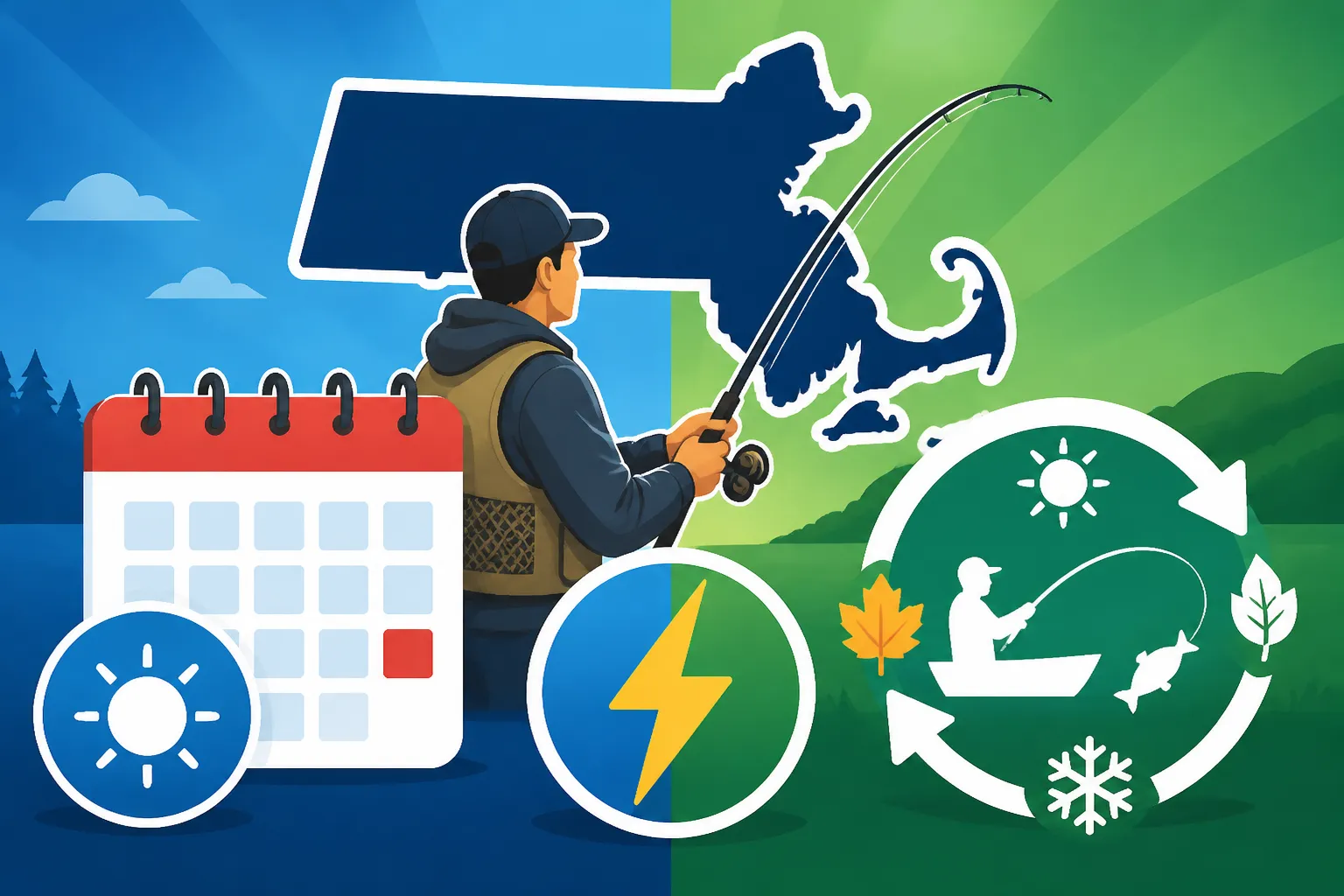
The truth is, for the vast majority of recreational anglers, your Massachusetts fishing license operates on a calendar year. This means whether you buy it in January or July, it will generally expire on December 31st of the same year. This system is in place to streamline regulations and management across the state's diverse fisheries.
The Calendar Year Rule for Most Licenses
When you purchase a freshwater fishing license or a saltwater recreational permit in Massachusetts, you're buying a permit that is valid from January 1st through December 31st of the year it's issued. So, if you bought your license on March 15, 2024, it would still expire on December 31, 2024. If you bought it on November 1, 2024, it would also expire on December 31, 2024. This can feel a little unfair if you're a late-season purchaser, as you're paying the same annual fee for fewer months of fishing.
Many folks find themselves caught off guard, heading out for a brisk January day of ice fishing, only to realize their license from the previous year is no longer valid. It’s a crucial detail that can easily slip your mind if you're not an avid year-round angler. The Division of Fisheries and Wildlife (MassWildlife) manages these licenses this way to simplify the enforcement and administrative process. It means that come January 1st, every angler across the Commonwealth starts fresh, requiring a new license to continue their fishing adventures. This consistent renewal cycle makes it easier for MassWildlife to track participation, manage resources, and update regulations annually. Don't let an expired license ruin your fishing trip; understanding this calendar year system is key to staying compliant. For a detailed rundown on how to keep your license current, check out our Massachusetts Fishing License Renewal Guide.
Exceptions and Special Permits
While the calendar year rule applies to most annual recreational freshwater and saltwater permits, there are a few nuanced situations to consider. For example, specific permits like those required for fishing certain reservoirs, such as the Quabbin Reservoir, often have their own season-specific validity periods that might not perfectly align with the standard calendar year, although they are still annual permits rather than 365-day from purchase. Quabbin's season typically runs from April through mid-October, and their special permits are valid only for that specific season, not a full year from purchase. It's always essential to check the precise regulations for these unique areas before you cast a line.
Additionally, short-term recreational fishing licenses in Massachusetts do not follow the calendar year rule. These include the 1-day, 3-day, and 7-day options that are available, primarily designed for visitors or those who fish infrequently. These specific licenses are valid for the duration indicated (e.g., three consecutive days) from the date of purchase or a specified start date, making them true "365-day from purchase" style licenses in terms of their short validity window. So, if you buy a 3-day license on a Tuesday, it’s good for Tuesday, Wednesday, and Thursday, regardless of the calendar year end. This provides flexibility for tourists or residents wanting a quick fishing outing without committing to a full annual license. If you're considering a brief visit, exploring Short-Term Massachusetts Fishing License Options could be a great choice. You might also be interested in learning about the Massachusetts 3-day fishing license price for visitors for planning purposes. Another important permit, The Massachusetts Wildlands Conservation Stamp Explained, is also tied to the calendar year and is required for anglers aged 12 and older who purchase an annual freshwater fishing license.
Why a Calendar Year System for Licenses?
You might wonder why Massachusetts, and many other states, opt for a calendar year system instead of a 365-day license. While a 365-day license seems more "fair" at first glance, the calendar year system offers significant advantages for state agencies in terms of administration, enforcement, and, most importantly, conservation funding.
Simplification for Regulations and Enforcement
Imagine the complexity if every single fishing license expired on a different date throughout the year. Law enforcement officers, like MassWildlife Environmental Police, would have a much harder time verifying licenses in the field. With a universal expiration date of December 31st, it's straightforward: come January 1st, all annual recreational licenses from the previous year are invalid. This simplifies training, reduces errors, and allows for more efficient patrols.
Furthermore, a calendar year aligns perfectly with the annual regulatory cycles. MassWildlife often updates fishing rules, bag limits, and season dates at the beginning of each calendar year. Having licenses align with this timeframe means all anglers are operating under the same, current set of rules from day one of the new licensing period. This consistency is crucial for effective management of fish populations and ensuring sustainable practices. It creates a predictable framework for both anglers and the authorities, which ultimately benefits everyone by protecting our natural resources.
Funding Conservation Efforts
The fees collected from fishing licenses are not just administrative charges; they are vital contributions to the conservation and management of Massachusetts's aquatic resources. These funds directly support MassWildlife's efforts, including fish stocking programs, habitat restoration projects, scientific research, public access development, and educational initiatives. When you purchase your annual license, you are contributing to the health of the very ecosystems you enjoy.
A calendar year renewal system provides a predictable and consistent revenue stream for these essential conservation programs. It allows MassWildlife to budget effectively, knowing that the majority of license renewals will occur at the beginning of the year. This steady inflow of funds is critical for long-term planning, such as developing the Massachusetts Trout Stocking Schedule or investing in critical research on fish populations. Without this reliable funding mechanism, many of the programs that ensure healthy fish stocks and accessible fishing opportunities simply wouldn't be possible. Understanding How Massachusetts fishing license fees fund conservation programs truly highlights the importance of timely license renewal.
When to Renew Your Massachusetts Fishing License
Knowing that your annual license expires on December 31st means you need a plan for renewal if you intend to fish in the new year. Being proactive about this small step can save you a lot of grief and ensure your fishing season starts without a hitch.
Proactive Renewal for Seamless Fishing
The best advice for any Massachusetts angler is to renew your license proactively. Many anglers choose to renew in late December or early January. This way, you avoid any potential lapse in coverage, especially if you're planning an early season ice fishing trip or an outing on the first mild day of spring. Imagine hitting your favorite spot, only to remember your license expired just a few weeks prior!
Renewing is simpler than ever thanks to the MassFishHunt online licensing system. You can easily purchase or renew your license from the comfort of your home, print a copy, or keep an electronic version on your phone. If you prefer a more traditional approach, numerous vendor locations across the state, including bait and tackle shops or town clerks, can also process your renewal. Don't wait until the last minute or until you're already at the fishing spot. Make it part of your annual routine, perhaps when you're cleaning your gear after the fall run, to ensure you're always legal. Our comprehensive guide on How to Buy a Massachusetts Fishing License Online walks you through the digital process step-by-step, and you can also find a list of in-person options at Massachusetts Fishing License Vendor Locations.
Avoiding Penalties and Hassle
Fishing without a valid license in Massachusetts can lead to significant penalties, including fines and potential legal issues. It's not just a minor oversight; it's a violation of state law. An environmental police officer checking licenses in the field won't care if you "forgot" to renew; the law is the law. The fines for fishing without a license can be substantial, making the small cost of a license a very worthwhile investment.
Beyond the financial penalties, there's the sheer hassle and embarrassment of being cited. It can ruin your day, lead to confiscation of your catch, and even potentially your fishing gear in severe or repeat cases. To avoid this, always ensure your license is current before heading out. It's also critical to carry proof of your license with you while fishing. Whether it's a physical printout or a digital copy on your phone, you need to be able to present it upon request. For a full understanding of the consequences, take a look at our article on Penalties for Fishing Without a License in Massachusetts. It's a small administrative task that saves you from a potentially large headache. If you're ever curious about the best ways to prove you're licensed, read up on Carrying Proof of Your Massachusetts Fishing License.
What Happens If You Buy Mid-Year?
One of the most frequent complaints or areas of confusion regarding the calendar year expiration is what happens if you decide to buy your annual license halfway through the year, or even later. It definitely feels like you're not getting your money's worth.
Maximizing Your Investment
If you purchase your annual freshwater or saltwater license in, say, August or September, you're paying the full annual fee for only a few months of fishing before it expires on December 31st. This can certainly feel like a less-than-ideal investment, especially if you're only planning a couple of trips before the year ends. However, the fee remains the same regardless of when you buy it within the calendar year.
For dedicated anglers, this isn't usually an issue, as they fish year-round or through most seasons and benefit from the full year's access. But if you're an occasional angler or just planning a single late-season outing, you might feel the pinch. In these cases, it's worth considering your options. Is a full annual license truly the best value for your intended fishing frequency, or are there other permits that might suit your needs better?
Short-Term Options
For those who only plan to fish for a very limited time within the calendar year, Massachusetts offers short-term recreational fishing licenses. These are the true "365-day" style licenses, in the sense that their validity period starts from your chosen date of activation. Currently, you can purchase:
- 1-Day Freshwater Fishing License: Valid for one consecutive day.
- 3-Day Freshwater Fishing License: Valid for three consecutive days.
- 7-Day Freshwater Fishing License: Valid for seven consecutive days.
These options are incredibly convenient for tourists, infrequent anglers, or those just trying out fishing for the first time. If you know you're only going to fish for a weekend in the fall, a 3-day license makes much more sense than purchasing a full annual license that would expire in a few short weeks. Always be sure to specify your desired start date when purchasing these short-term licenses to maximize their utility. This is a perfect example where the 365-day style validity applies, but only for a very limited period. To learn more about these options and their costs, check out Short-Term Massachusetts Fishing License Options and specifically the Massachusetts 3-day fishing license price for visitors.
Here's a quick summary table to help clarify the expiration rules for different Massachusetts fishing licenses:
| License Type | Validity Period | Expiration Rule | Notes |
|---|---|---|---|
| Annual Freshwater Fishing | January 1 – December 31 | Calendar Year | Expires Dec 31, regardless of purchase date. |
| Annual Saltwater Recreational | January 1 – December 31 | Calendar Year | Often referred to as a "permit," but follows the same rule. |
| Quabbin Reservoir Permit | Specific Season Dates | Seasonal, typically April – Mid-October | Valid only for the designated reservoir fishing season. |
| 1-Day Freshwater | 1 consecutive day | From date of purchase/activation | Ideal for single outings. |
| 3-Day Freshwater | 3 consecutive days | From date of purchase/activation | Great for weekend trips. |
| 7-Day Freshwater | 7 consecutive days | From date of purchase/activation | Good for a week-long fishing vacation. |
| Wildlands Conservation Stamp | January 1 – December 31 | Calendar Year | Required with annual freshwater licenses for ages 12+. |
It's clear that understanding these nuances is crucial for any angler in Massachusetts. While the calendar year rule for annual licenses can sometimes feel like a disadvantage, especially for late-season purchases, it serves a broader purpose in simplifying state wildlife management and consistently funding vital conservation efforts. Knowing these rules allows you to plan your purchases effectively and fish confidently, knowing you're always on the right side of the regulations.
Disclaimer
Please note that fishing regulations, license requirements, and fees can change. While we strive to provide the most accurate and up-to-date information, it is always recommended to consult the official Massachusetts Division of Fisheries and Wildlife (MassWildlife) website or their current regulations pamphlet for the latest rules before engaging in any fishing activities.