Housatonic River Fishing in the Massachusetts Berkshires
There’s a unique allure to fishing in the Berkshires, a tranquility that feels miles away from the hustle and bustle. Yet, many anglers, especially those new to the area, often feel intimidated by the sheer length and varied character of the Housatonic River, unsure where to start, what to expect, or even what fish they might encounter. This comprehensive guide will strip away that mystery, providing you with everything you need to know to successfully fish the Housatonic River in Massachusetts, from its winding headwaters to its southern stretches.
Understanding the Housatonic River’s Unique Character
The Housatonic River, flowing through the picturesque Berkshire Hills of Western Massachusetts, offers a truly diverse fishing experience. It's not just one river; it's a series of different environments, each with its own quirks and charms, shaped by geology, history, and the careful stewardship of conservation groups. Understanding these nuances is crucial for any angler looking to maximize their time on the water.
A Tale of Two Rivers: North vs. South
When people talk about fishing the Housatonic, they often generalize, but the river truly transforms as it makes its way south. The northernmost sections, particularly around towns like Dalton and Pittsfield, tend to be smaller, faster-flowing freestone sections, often characterized by riffles, runs, and pocket water. Here, you'll find a more classic trout stream feel, with cooler temperatures and a higher prevalence of wild and stocked trout. The gradient is steeper, and the river meanders through wooded areas, offering plenty of shade and structure. Access points in these upper reaches are often more spread out, sometimes requiring a bit of a hike or wading to reach prime spots.
As the Housatonic flows further south, particularly below Woods Pond Dam in Lee, it widens considerably, slows its pace, and takes on more of a fertile, warmwater river characteristic. This middle and lower section, stretching through towns like Stockbridge, Great Barrington, and Sheffield, features deeper pools, long, slow-moving sections, and more extensive weed beds. While trout still exist in certain spring-fed tributaries and deeper, cooler pockets, this part of the river becomes prime habitat for smallmouth bass, northern pike, and a variety of panfish. The landscape opens up, with agricultural fields and broader floodplains, making for a different kind of angling challenge. This distinction between the faster, colder upper river and the wider, warmer lower river is fundamental to successful fishing strategy.
Environmental History and Ongoing Recovery Efforts
It’s impossible to discuss fishing the Housatonic River without acknowledging its past struggles and remarkable recovery. For decades, the river suffered from significant PCB contamination from industrial discharges by General Electric in Pittsfield, impacting its ecosystem and leading to fishing advisories. This legacy is why the Massachusetts Department of Public Health still maintains consumption advisories for fish caught in certain sections of the river, particularly between Pittsfield and Great Barrington. It’s a stark reminder of our environmental responsibilities and why "catch and release" is often the preferred and safest approach for many species here.
However, the story isn't just one of contamination; it's also one of incredible resilience and dedicated conservation. Extensive cleanup efforts have been ongoing for years, spearheaded by groups like Housatonic Valley Association and various state and federal agencies. While the river still bears some scars, its ecosystem is steadily improving, and fish populations are thriving. These efforts have allowed the river to rebound, supporting diverse aquatic life and making it a viable and exciting fishery once again. Anglers are often encouraged to participate in or support these ongoing cleanup and restoration initiatives, ensuring the river continues to heal and provide recreational opportunities for future generations.
Key Fish Species You'll Encounter
The Housatonic River in Massachusetts truly is a diverse fishery, offering something for almost every type of angler. Depending on which section you explore and the season, you could be targeting elusive trout with a delicate fly or battling a hard-fighting smallmouth bass on spinning gear. Knowing what’s swimming beneath the surface helps you choose the right gear and approach.
The Mighty Trout: Brown, Rainbow, and Brook
The upper and middle stretches of the Housatonic River are renowned for their trout fishing, making it one of the best trout fishing spots in Western Massachusetts. You'll primarily find three species here:
- Brown Trout: These are often the most sought-after trout in the Housatonic. Brown trout are known for their resilience, elusive nature, and willingness to feed on a variety of insects and baitfish. Both wild, stream-bred browns and stocked fish contribute to a healthy population. They tend to prefer cooler, oxygenated water and are often found hiding under cut banks, fallen trees, and deep pockets. If you're wondering how to fly fish for trout in the Berkshires, targeting browns is a fantastic challenge.
- Rainbow Trout: Stocked in good numbers by MassWildlife, rainbow trout provide excellent action, especially in the spring and fall. They are generally more aggressive feeders than browns and can be caught on a wider array of lures, baits, and flies. Rainbows often inhabit faster runs and riffles, making them a favorite for both spin and fly anglers. Their vibrant colors and acrobatic fights make them a joy to catch.
- Brook Trout: While less common in the main stem of the Housatonic, native brook trout can be found in many of the colder, cleaner tributary streams that feed into the river. These beautiful fish, with their distinctive worm-like markings and red spots, are a true prize for any angler. If you're specifically looking for wild brook trout, focus on the smaller, pristine feeder creeks. Remember, these fragile populations are precious, so handle them with care and consider catch and release.
MassWildlife consistently stocks the Housatonic, especially in the spring and fall, bolstering the populations and offering fantastic opportunities. You can often check the Massachusetts Trout Stocking Schedule to see when and where the latest stockings have occurred.
Hard-Fighting Smallmouth Bass and Other Warmwater Species
As you move into the wider, slower, and warmer sections of the Housatonic, particularly south of Lee, smallmouth bass become the dominant game fish. These "bronze backs" are incredibly popular for a reason—they fight with incredible vigor, often leaping from the water and making powerful runs. They thrive in the Housatonic's gravelly bottoms, rocky areas, and submerged timber. The Massachusetts Smallmouth Bass Fishing Guide provides great general tips that apply well to the Housatonic.
Beyond smallmouth, these lower stretches are also home to a variety of other exciting warmwater species:
- Largemouth Bass: While less common than smallmouth in the main river channel, largemouth bass can be found in slower backwaters, oxbows, and areas with heavy vegetation. They prefer ambush points and often hug structure.
- Chain Pickerel: Known for their aggressive strikes and sharp teeth, chain pickerel are another common inhabitant of the Housatonic's slower, weedier sections. They're fun to catch, especially on fast-moving lures.
- Panfish: Sunfish (like bluegill and pumpkinseed), yellow perch, and black crappie are abundant throughout the river, especially in the quieter sections. These species offer fantastic opportunities for kids and beginners, providing consistent action and a chance to hone basic fishing skills.
- Northern Pike: Although not as prevalent as in some other Massachusetts rivers, northern pike are present in the Housatonic, particularly in the deep, slow pools and sections with extensive weed beds. Catching one of these toothy predators is often a highlight for anglers.
Remember, while the fishing is fantastic, always check for local consumption advisories, especially for larger, older fish caught in the Housatonic due to historical PCB contamination.
Best Fishing Spots Along the Massachusetts Stretch
The Housatonic River offers a multitude of access points and distinct fishing zones as it flows through the Berkshires. Knowing where to go can make all the difference, whether you're chasing trout in the faster waters up north or wrestling with smallmouth bass in the wider, southern stretches. Local knowledge, often shared by guides found on platforms like FishingBooker, can be invaluable for pinpointing current hotspots.
Upper River: Dalton and Pittsfield Trout Heaven
The headwaters and upper sections of the Housatonic, particularly around Dalton and Pittsfield, are largely dominated by trout. These areas offer a more intimate, classic New England trout stream experience.
- Dalton Section: North of Pittsfield, the river is smaller and features numerous riffles, runs, and small pools. Public access can be found along Route 9, with several pull-offs and bridge crossings that offer good entry points. This area is heavily stocked with rainbow and brown trout, especially in spring, and holds a good population of wild browns. Wading is generally feasible and often necessary to cover water effectively. Look for sections where the river flows through wooded areas, providing overhead cover and cooler water.
- Pittsfield Area: As the Housatonic flows through Pittsfield, it becomes a bit wider, but still maintains excellent trout habitat. Parks like Burbank Park and parts of the river that run parallel to the Ashuwillticook Rail Trail offer convenient access. While these areas are more urbanized, the fishing can be surprisingly good, especially shortly after stocking. Don't overlook the smaller tributaries flowing into the main stem here; they can hold overlooked pockets of trout, particularly wild brook trout.
Key Access Points in the Upper River:
| Location | Primary Species | Best Techniques | Notes |
|---|---|---|---|
| Route 9, Dalton | Trout | Fly fishing, Spin | Numerous pull-offs, good wading, stocked heavily in spring. |
| Burbank Park, Pittsfield | Trout, Panfish | Spin, Bait | Easy access, good for families, often stocked. |
| Ashuwillticook Rail Trail | Trout, Panfish | Spin, Fly, Bait | River runs alongside, good shore access in many spots. |
Middle River: Lee and Stockbridge Transition Zones
Moving south, the Housatonic transitions from a pure trout stream into a mixed fishery with increasing numbers of warmwater species, though trout still persist in cooler pockets. The area around Lee and Stockbridge offers a great blend.
- Lee and Woods Pond: Below Woods Pond Dam in Lee, the river broadens and slows. This section is a prime example of the Housatonic’s transition. While trout can still be found in the cooler, deeper pools, especially below the dam, smallmouth bass start to become more prevalent. Access points include various town parks and roadside pull-offs. Woods Pond itself is known for warmwater species. Kayaks and canoes become more practical in these wider sections.
- Stockbridge and Glendale: As the river winds through picturesque Stockbridge, it offers stunning scenery alongside solid fishing. Public access can be found near the town center and along roads like Route 183. This area is great for smallmouth bass and offers opportunities for largemouth bass and pickerel in slower, weedier coves. For those looking for a guided experience, some guides listed on FishingBooker specialize in these transitional waters.
Lower River: Great Barrington and Sheffield Warmwater Bounty
The southernmost stretches of the Housatonic in Massachusetts, encompassing Great Barrington and Sheffield, are distinctly warmwater fisheries, though some deep, spring-fed holes can still hold a surprising trout or two.
- Great Barrington: The river flows through and around Great Barrington, offering various access points. Parks and conservation areas provide shore access, and several public boat launches are available for kayaks, canoes, and small jon boats. This area is fantastic for smallmouth bass, northern pike, and an abundance of panfish. The river here features deeper runs, extensive weed beds, and plenty of submerged structure where warmwater species love to hide.
- Sheffield: Further south, near the Connecticut border, the Housatonic widens even more, with longer, slower pools and more pronounced meanders. This is prime habitat for larger smallmouth bass and good numbers of pickerel and panfish. Public access is available along roads and at designated conservation land areas. Look for bridges and culverts that offer easy entry points. This section is particularly well-suited for drift fishing from a kayak or canoe, allowing you to cover significant stretches of water and target varied structure.
No matter which section you choose, always verify that you have a current Massachusetts Freshwater Fishing License. You can find out about the Massachusetts Fishing License Requirements by Age or generally about Massachusetts Freshwater Fishing License Costs and Rules to ensure you’re compliant.
Essential Techniques and Gear for Success
Fishing the Housatonic River effectively means adapting your techniques and gear to its varied conditions and species. What works perfectly for trout in a small, fast-moving upstream section might be entirely useless for bass in a wide, slow downstream pool. Being versatile and prepared is key to a rewarding day on the water.
Fly Fishing: The Art of the Housatonic Trout
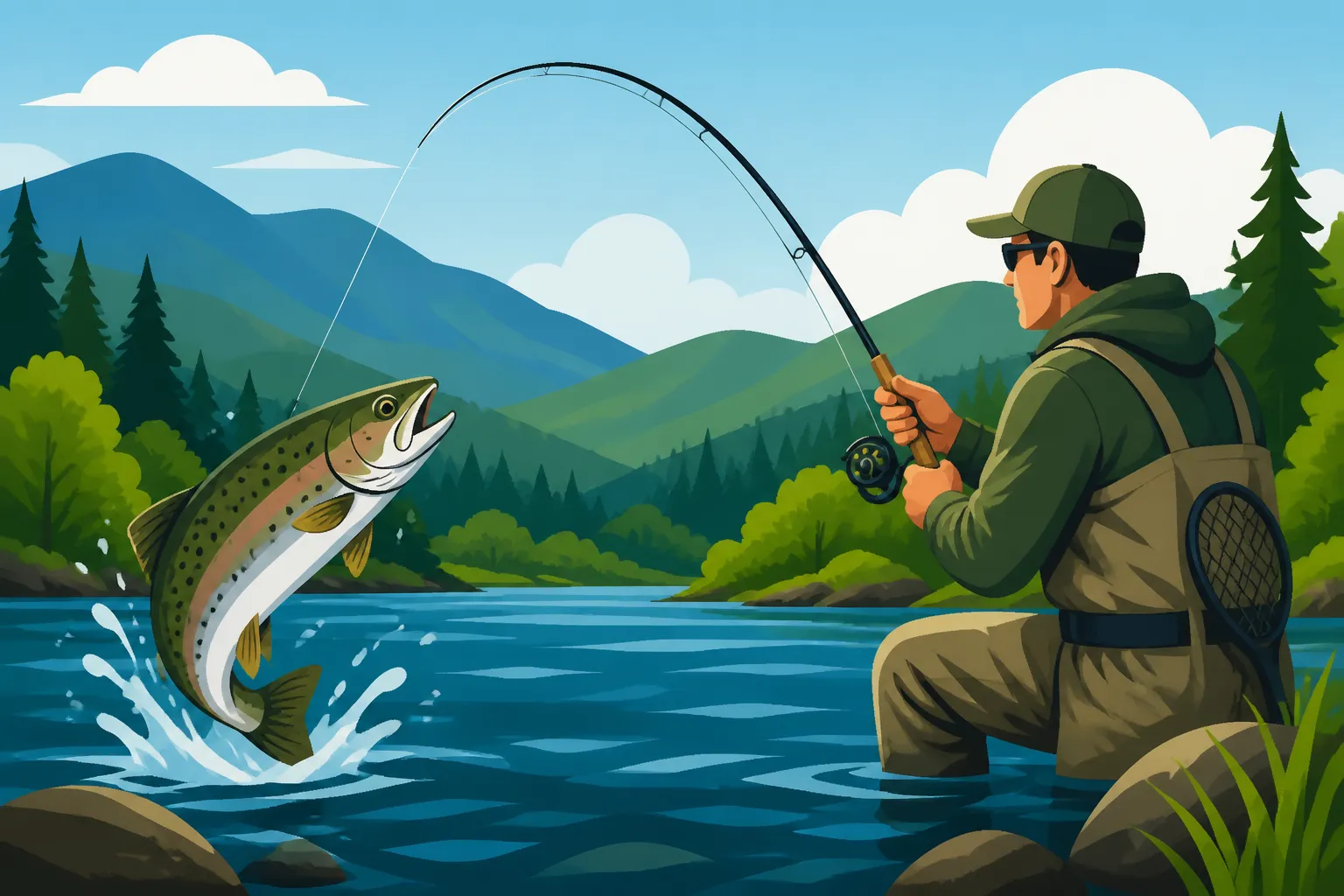
For many anglers, fly fishing is the quintessential way to experience the Housatonic, particularly in its colder, upper and middle reaches where trout thrive. If you're interested in how to fly fish for trout in the Berkshires, the Housatonic offers prime opportunities.
- Rods and Reels: A 4-weight or 5-weight fly rod, 8.5 to 9 feet long, is a versatile choice for most trout fishing on the Housatonic. Pair it with a matching fly reel and a floating fly line. In faster, more open sections, a 6-weight might give you a bit more power for casting and fighting larger fish.
- Fly Selection: Your fly box should be well-stocked to match the diverse insect life and forage present.
- Nymphs: These are often the most effective flies for subsurface feeding trout. Essential patterns include the Pheasant Tail, Hare's Ear, Prince Nymph, Squirmy Wormy, and various caddis larva patterns. Tungsten-bead versions are excellent for getting down in deeper, faster runs.
- Dry Flies: When trout are rising, matching the hatch is crucial. Have a selection of Elk Hair Caddis, Adams, Parachute Adams, Blue-Winged Olive (BWO), and various mayfly imitations in different sizes (e.g., #14-20). Carry some stimulator patterns too, for when a general attractor pattern is needed.
- Streamers: For aggressive trout, especially larger brown trout, streamers can be incredibly effective. Woolly Buggers (black, olive, brown), Clouser Minnows, and Sculpzillas mimic baitfish and crawfish, enticing a predatory strike.
- Techniques:
- Euro Nymphing/Indicator Nymphing: Both are highly effective for presenting nymphs in varying water depths. Euro nymphing is great for precise control in faster currents, while indicator nymphing allows for covering more water.
- Dry Fly Fishing: Patience and accurate casting are paramount when trout are feeding on the surface. Observe what they're eating and present your fly naturally, aiming for drag-free drifts.
- Streamer Fishing: Strip streamers through deeper pools, around structure, and along cut banks. Vary your retrieve speed to find what triggers a strike.
Consider hiring a local guide if you're new to the river; they can offer invaluable insights and help you quickly locate productive water. You can often find guides specializing in the Housatonic through services like FishingBooker or by searching for a Cost of a fly fishing guide in the Berkshires.
Spin Fishing: Versatility for Trout and Warmwater Species
Spin fishing offers incredible versatility on the Housatonic, allowing you to effectively target both trout in the upper river and a wide array of warmwater species further south.
- Rods and Reels: A light to medium-light spinning rod, 6 to 7 feet long, paired with a 1000-2500 series spinning reel, is a fantastic all-around choice. Spool up with 4-8 lb monofilament or fluorocarbon line, or consider 10-20 lb braided line with a fluorocarbon leader for added sensitivity and strength.
- Lure Selection for Trout:
- Small Spinners: Classic Mepps Aglia, Panther Martin, and Roostertail spinners in sizes #0 to #3 are highly effective. Gold, silver, and copper blades with various colored dressings (black, white, yellow) are excellent.
- Small Spoons: Little Cleo, Acme Kastmaster, and Dardevle spoons in 1/8 to 1/4 ounce are also great for casting and retrieving in trout waters.
- Small Soft Plastics: Micro jigs tipped with Gulp! Minnows or tiny soft plastic worms can be deadly when trout are finicky.
- Lure Selection for Warmwater Species (Bass, Pike, Pickerel):
- Crankbaits: Square bills, lipless crankbaits, and medium divers in natural crawfish, shad, or perch patterns work well for smallmouth bass.
- Soft Plastics: Wacky-rigged Senkos, Ned Rigs, shaky head worms, and tubes are incredibly effective for smallmouth bass. Larger creature baits and swimbaits can entice bigger largemouth and pike.
- Topwater Lures: Poppers, walk-the-dog baits, and buzzbaits can provide explosive action for bass during low-light conditions or warm summer evenings.
- Spinnerbaits and Chatterbaits: These are excellent search baits for covering water and targeting both bass and pickerel, especially around submerged vegetation.
- Jigs: Flipping jigs and swim jigs can be highly productive around heavy cover for largemouth bass.
- Bait Fishing: For those who prefer bait, worms (nightcrawlers, mealworms), live shiners, and powerbait are all effective, especially for stocked trout and panfish. Use light tackle with a small hook and minimal weight to present the bait naturally.
- Seasonal Tactics:
- Spring: High water and cold temperatures make for good trout fishing. Focus on eddies, current breaks, and freshly stocked areas. Warmwater species start to become active later in the spring.
- Summer: Low, clear water means trout will seek cooler, deeper pockets and shady areas. Early morning and late evening are best. Warmwater species are active all day, but often deep during midday heat. Topwater fishing for bass can be phenomenal.
- Fall: A resurgence of trout activity as temperatures cool, with excellent brown trout fishing. Smallmouth bass also go on a feeding frenzy before winter, making this a prime time for both species.
Always check the Massachusetts Recreational Fishing Rules and Bag Limits before heading out to ensure you're compliant with catch regulations.
Navigating Regulations and Conservation Efforts
Fishing the Housatonic River, like any other Massachusetts waterway, comes with a responsibility to understand and adhere to local regulations. These rules are in place not just for angler safety, but crucially, to protect and conserve the diverse fish populations and the river ecosystem itself. Your awareness and compliance directly contribute to the long-term health of this beautiful river.
Essential Licenses and Permits
The first and most fundamental requirement for fishing the Housatonic River is a valid Massachusetts Freshwater Fishing License. This applies to almost everyone over the age of 15. The good news is, getting a license is straightforward, whether you choose to purchase it online through the MassFishHunt system or at a local vendor. You can learn more about the process in our guide on How to Buy a Massachusetts Fishing License Online.
Here are a few key points regarding licenses:
- Residents vs. Nonresidents: Costs differ for Massachusetts residents and nonresidents. Make sure you purchase the correct one.
- Age Requirements: While those under 15 generally don't need a license, it's always wise to confirm the current Massachusetts Fishing License Requirements by Age, as rules can sometimes change or have specific nuances.
- Wildlands Conservation Stamp: This stamp is often required for certain types of hunting and fishing licenses in Massachusetts. It’s an additional fee that directly supports wildlife conservation efforts, a small price to pay for the incredible natural resources we enjoy.
Always carry proof of your license while fishing, whether it's a printed copy or a digital version on your phone. Getting caught fishing without a license can lead to penalties for fishing without a license in Massachusetts, which can be a real headache.
Catch and Release, Mercury Advisories, and Gear Restrictions
Beyond the basic license, there are specific regulations and advisories crucial for the Housatonic River:
- Catch and Release: While not universally mandated for all species, catch and release is highly encouraged, especially for trout. Many anglers practice it religiously to preserve the populations. If you do plan to keep fish, be intimately familiar with the Massachusetts Freshwater Daily Catch Limits for trout, bass, and other species. For smallmouth bass, a slot limit or minimum size might be in effect depending on the water body, so always check the latest regulations. If you're targeting specific species, understanding the nuances of how to identify a keeper striped bass in Massachusetts, though not directly applicable to freshwater, shows the level of detail required for certain species.
- Mercury Consumption Advisories: This is a critical point for the Housatonic River. Due to historical PCB contamination, the Massachusetts Department of Public Health (MDPH) has specific fish consumption advisories for various sections of the Housatonic River, particularly from Pittsfield downstream to the Connecticut border. These advisories often recommend limiting or avoiding consumption of certain species, especially larger, older fish like bass and pike, for vulnerable populations (pregnant women, nursing mothers, young children) and the general public. Always check the most current MDPH advisories before consuming any fish from the Housatonic. For many, this makes the Housatonic a strictly catch-and-release fishery, ensuring both personal safety and the continued recovery of the fish.
- Gear Restrictions: While the Housatonic is generally open to various fishing methods, certain areas or tributaries might have specific gear restrictions (e.g., "fly fishing only" sections, "artificial lures only"). Always consult the current Massachusetts Fishing Regulations Pamphlet, Explained, published by MassWildlife, for the most up-to-date and specific rules for the sections you plan to fish. This pamphlet is your bible for understanding everything from daily limits to tackle restrictions.
- Two-Pole Fishing: In Massachusetts, the rules for fishing with two rods can vary. Typically, a single angler is allowed to fish with no more than two baited hooks or lures, but specific regulations can apply to certain water bodies. Confirm the current Massachusetts two-pole fishing rules for the Housatonic if you plan to use multiple setups.
Respecting private property boundaries and designated public access points is also vital. Be a good steward of the environment by practicing Leave No Trace principles, packing out all trash, and being mindful of other anglers and river users. By following these guidelines, you help ensure the Housatonic remains a healthy and enjoyable fishery for everyone.
Disclaimer
Please remember that fishing regulations, advisories, and conditions can change rapidly. While this guide provides comprehensive information, it is crucial to always consult the most current official resources from the Massachusetts Division of Fisheries and Wildlife (MassWildlife) and the Massachusetts Department of Public Health (MDPH) before any fishing trip. Stay safe, respect the environment, and happy fishing!