Is Boat Fishing Allowed at Wachusett Reservoir?
It's totally understandable to look at the vast, shimmering expanse of Wachusett Reservoir and immediately picture yourself out on the water in your boat, casting a line into those deep, mysterious waters. Many anglers dream of exploring beyond the shore. However, for those wondering, "Is boat fishing allowed at Wachusett Reservoir?", the answer, unfortunately, is a resounding no for private recreational boats. This guide will walk you through the precise regulations, the crucial reasons behind them, and how you can still have an incredible fishing experience, both from Wachusett's shores and on other fantastic Massachusetts waterways.
The Strict Realities of Boat Fishing at Wachusett Reservoir
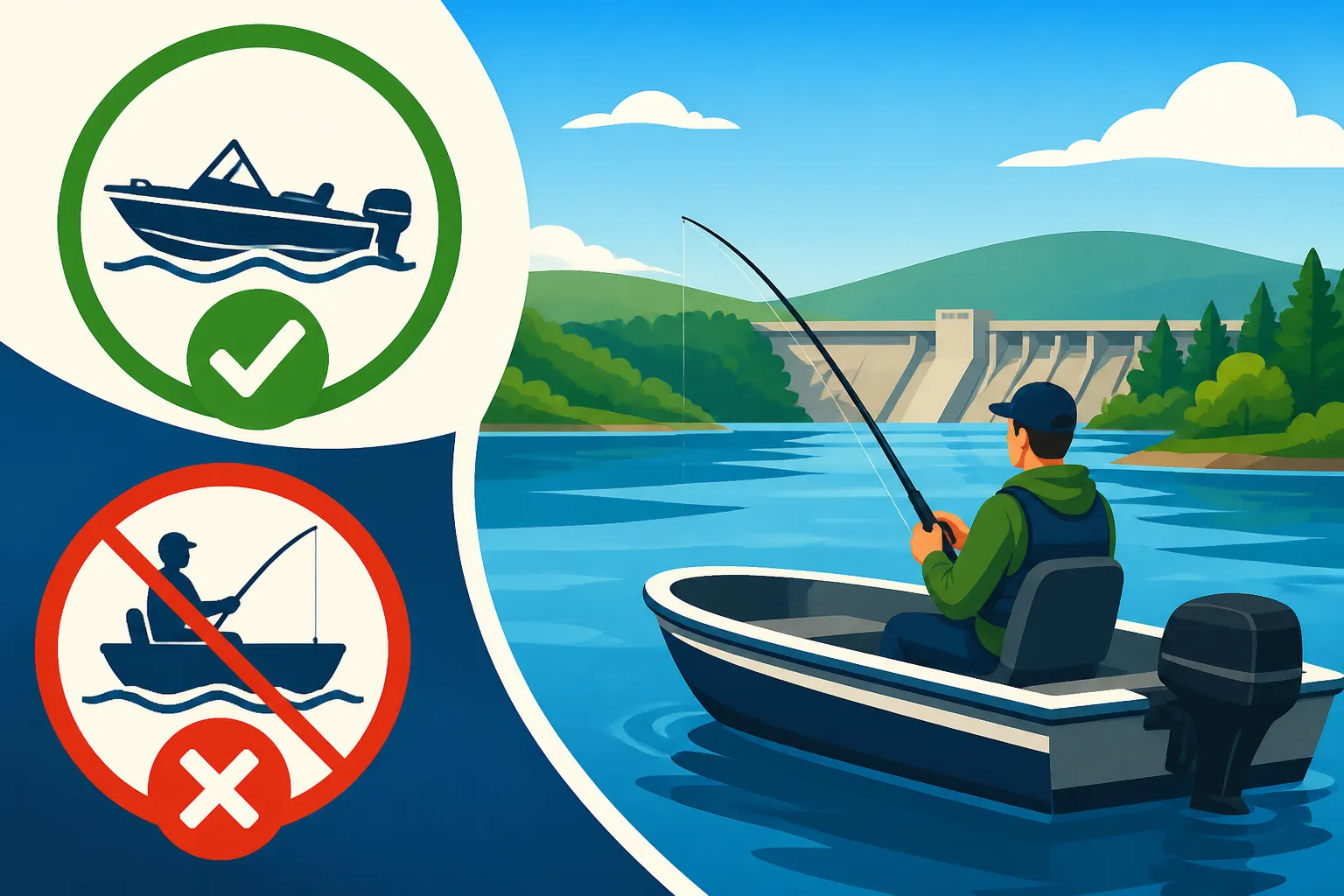
Let's not beat around the bush: if you're hoping to launch your personal kayak, canoe, or motorboat at Wachusett Reservoir for a day of fishing, you'll be disappointed. The regulations here are among the strictest in the state for public waterways, and they explicitly prohibit private recreational boat access for fishing or any other purpose. It's a tough pill to swallow when you see all that open water, but there are very important reasons why these rules are in place.
Why Boat Fishing is So Restricted Here
Wachusett Reservoir isn't just a beautiful body of water; it's a critical component of the public drinking water supply for millions of people in Massachusetts, including Boston and many surrounding communities. The Massachusetts Department of Conservation and Recreation (DCR), which manages the reservoir in conjunction with the Massachusetts Water Resources Authority (MWRA), prioritizes water quality above all else. This isn't just about preventing litter; it's about safeguarding against a multitude of potential contaminants that could jeopardize the health of those who rely on this water.
Imagine the sheer number of boats and potential issues: gasoline and oil leaks from motors, accidental spills, non-native aquatic invasive species clinging to boat hulls, and even human waste. Each of these poses a risk to the pristine quality of the drinking water. Unlike many other reservoirs that might have purification plants as their primary defense, Wachusett is managed with a strong emphasis on source water protection. This means preventing contamination before it even enters the water system, rather than relying solely on treatment afterwards. It's a proactive, public health-focused approach that, while restrictive for anglers, serves a vital purpose for the entire region. The DCR's mandate is clear: protect this crucial resource, and stringent boating restrictions are a cornerstone of that protection.
Permitted Vessel Types and Their Limitations
Given the strict stance on private boats, you might wonder if any vessels are allowed on Wachusett Reservoir. The simple answer for the general public looking to fish is: effectively, no. While the DCR and MWRA do operate their own patrol, research, and maintenance vessels on the reservoir, these are official state-owned boats used for specific, authorized purposes. They are subject to rigorous cleaning protocols and are part of the reservoir management infrastructure, not for public recreational use.
There isn't a public rental boat program for fishing at Wachusett, nor are there any special permits that recreational anglers can obtain to use their own boats. This contrasts sharply with other large, significant reservoirs in the state, such as Quabbin Reservoir, where a specific DCR boat permit and the use of DCR-approved rental boats (or privately owned boats that meet very strict cleaning and inspection criteria) are allowed for fishing. This distinction is crucial and highlights just how unique and protected Wachusett's status is as a drinking water source. The DCR's explicit guidelines state that "Boating and ice fishing are prohibited. Fishing is permitted only from shore and in designated areas." This means any dreams of trolling the deeps or reaching remote islands by boat at Wachusett will have to remain just that – dreams.
Why Private Recreational Boats Are Not Allowed on Wachusett Reservoir
The decision to prohibit private recreational boats on Wachusett Reservoir isn't arbitrary; it's a carefully considered policy rooted in public health and environmental protection. For anglers, it can certainly feel like a missed opportunity, but understanding the foundational reasons can help appreciate the unique nature of this water body.
Prioritizing Public Health and Water Quality
The primary and most paramount reason for the boat ban is the protection of the drinking water supply. Wachusett Reservoir provides untreated water to the Chicopee Valley Aqueduct, which serves several communities, and treated water to metropolitan Boston and many other cities and towns. This means that any pollutants introduced into the reservoir have a direct and immediate impact on the drinking water of millions of residents.
Consider the risks: even seemingly small things like an oil sheen from a boat engine, discarded fishing line, or the introduction of microscopic organisms from another body of water could have severe consequences. Invasive species, like zebra mussels or Eurasian watermilfoil, can be transported on boat hulls or trailers, and once established, they can drastically alter the aquatic ecosystem, affecting water quality and infrastructure. Preventing these issues at the source is far more effective and less costly than trying to remediate them after they occur. The DCR and MWRA are essentially acting as guardians of our drinking water, and their regulations, including the prohibition on private boats, are the frontline defense. This uncompromising stance ensures that when you turn on your tap in Boston, the water is as clean and safe as possible, directly from its source.
Understanding the Limited Exceptions and DCR Operations
While private recreational boat fishing is a no-go, it's true that you might occasionally spot a boat on Wachusett Reservoir. These are strictly limited to official DCR or MWRA operations. These agencies utilize specialized vessels for a variety of essential tasks:
- Patrol and Enforcement: DCR Rangers regularly patrol the reservoir to ensure compliance with regulations, monitor activity, and respond to incidents. Their boats are vital for covering the vast area of the reservoir.
- Water Quality Monitoring: Scientists and technicians use boats to collect water samples, test for contaminants, and monitor environmental conditions across different areas of the reservoir. This ongoing data collection is critical for maintaining water quality standards.
- Fisheries Management and Research: While public fishing is shore-based, the DCR's Division of Fisheries and Wildlife (MassWildlife) may use boats for surveys, fish stocking efforts (especially for species like Atlantic Salmon at Quabbin Reservoir that are also stocked into Wachusett), and research to understand the health of the fish populations.
- Maintenance and Infrastructure Work: Any necessary repairs or inspections of reservoir infrastructure, such as intake structures or dams, may require the use of specialized workboats.
These operational boats are rigorously maintained, cleaned, and managed to prevent any contamination risks. They operate under strict protocols that are not applicable to general recreational use. This distinction is important because while you might see a boat on the water, it doesn't signify a loophole for private anglers. It simply means essential reservoir management activities are underway. So, for all intents and purposes, if you're planning a fishing trip to Wachusett, prepare for a shore-based adventure.
Enjoying Wachusett: Shore Fishing and Alternative Opportunities
Even with the restrictions on boat fishing, Wachusett Reservoir remains one of Massachusetts' premier fishing destinations. It offers incredible opportunities for shore anglers, and for those who still crave a boat-based experience, plenty of fantastic alternatives are just a short drive away.
Maximizing Your Shore Fishing Experience
Wachusett Reservoir boasts a phenomenal fishery, renowned for its holdover trout, landlocked salmon, smallmouth bass, and even some robust chain pickerel. Anglers regularly pull out trophy-sized fish from its shores. The DCR maintains numerous designated access points around the reservoir, making it relatively easy to find a spot. Some popular areas include the causeway, specific sections along Route 140, and various points accessible via marked trails.
To make the most of your shore fishing:
- Explore different access points: Each spot offers unique terrain, from rocky points to shallower coves, which can appeal to different species. Check out resources like the Wachusett Reservoir Fishing Access Rules in Massachusetts to familiarize yourself with where you can go.
- Target species: For trout and salmon, try casting spoons, spinners, or bait (like shiners or worms) close to deeper drop-offs, especially in cooler months or early mornings. Smallmouth bass often hang around rocky structures and can be targeted with soft plastics, crankbaits, or topwater lures.
- Be prepared for a walk: Some of the best spots require a bit of a hike, so comfortable footwear and a light tackle setup are beneficial.
- Check the Wachusett Reservoir 2026 fishing season opening date and other regulations, including specific bait restrictions (e.g., no live shiners from outside the reservoir).
- Consider a guide: Even for shore fishing, a local guide can show you the most productive spots and techniques for Wachusett.
The key is to embrace the shore-bound nature of the experience. Many anglers have found immense success and enjoyment adapting to these rules, proving that you don't need a boat to have a world-class fishing day at Wachusett. The sheer size of the reservoir means there's always a new section of shoreline to explore, offering a fresh perspective on this magnificent waterway.
Exploring Nearby Waters with Boat Access
If boat fishing is truly what you're after, Massachusetts has a wealth of other fantastic options. You don't have to give up on your dreams of casting from a boat; you just need to shift your focus to different locations.
Here are some excellent alternatives with boat access, depending on what kind of fishing you're looking for:
- Quabbin Reservoir: Often considered Wachusett's "sister" reservoir, Quabbin is another massive public water supply but does permit boat fishing under strict regulations. You can rent DCR-approved boats or, with a special permit and thorough cleaning/inspection, use your own kayak or canoe. It's an incredible destination for lake trout, landlocked salmon, and smallmouth bass. Make sure to check the Quabbin Reservoir Fishing Permits and Rules in Massachusetts and learn How to get a Quabbin Reservoir boat permit well in advance. Remember, Is a Life Jacket Required to Boat at Quabbin Reservoir? Yes, absolutely, and other safety rules apply.
- Lake Quinsigamond (Worcester): A large, popular lake right in Worcester, Lake Quinsigamond offers excellent opportunities for largemouth and smallmouth bass, perch, and pike. It has multiple boat ramps and is a vibrant spot for recreational boating and fishing.
- Long Pond (Lakeville/Freetown): As one of the largest natural freshwater ponds in Massachusetts, Long Pond is a fantastic spot for bass, pickerel, and panfish. It's popular with boat anglers and has good access.
- Otis Reservoir (Tolland/Blandford): Located in Western Massachusetts, Otis Reservoir is a large, beautiful lake known for its bass, trout, and pike fishing. It's a great choice for those looking for a diverse fishery and plenty of space to explore by boat.
- Connecticut River: For river-based boat fishing, the Connecticut River in Massachusetts offers phenomenal opportunities for smallmouth bass, northern pike, and even migratory species like shad depending on the season. Multiple boat launches are available along its course.
For those looking for a guided boat fishing experience on these or other waters, online platforms can be incredibly helpful. You can easily find and book trips with local captains on boat-friendly lakes and coastal waters. Websites like FishingBooker allow you to search for charters by location and target species, connecting you with experienced guides who can provide all the necessary gear and expertise. This is a fantastic way to enjoy boat fishing without owning your own vessel, or to explore new waters with confidence. Whether you're interested in a freshwater bass trip or a saltwater adventure, platforms like FishingBooker offer numerous options across the state. They make it easy to compare boats and captains, read reviews, and find the perfect outing.
| Reservoir/Water Body | Private Recreational Boat Fishing Allowed? | Primary Reason for Restriction | General Access Type | Key Species |
|---|---|---|---|---|
| Wachusett Reservoir | No | Public Drinking Water Supply | Shore Fishing Only | Trout, Salmon, Smallmouth Bass |
| Quabbin Reservoir | Yes (with DCR permit/rental) | Public Drinking Water Supply | Shore, DCR Rental Boats, Private (Permitted) | Lake Trout, Salmon, Smallmouth Bass, Largemouth Bass |
| Lake Quinsigamond | Yes | General Recreational Lake | Shore, Public Boat Ramps | Largemouth Bass, Smallmouth Bass, Perch, Pike |
| Long Pond | Yes | General Recreational Pond | Shore, Public Boat Ramps | Largemouth Bass, Pickerel, Panfish |
| Connecticut River | Yes | Navigable River | Shore, Public Boat Ramps | Smallmouth Bass, Pike, Shad |
So, while Wachusett may be off-limits for your personal boat, don't let that deter your angling spirit. There's a whole world of Massachusetts fishing waiting for you, both from the productive shores of Wachusett and the diverse waters of the Commonwealth where boats are welcome. You might even find a new favorite spot by exploring some of the Best Freshwater Ponds and Lakes in Massachusetts or booking a guided trip through FishingBooker to target a specific species.
Important Disclaimer
Please remember that fishing regulations, access rules, and permit requirements can change. Always check the most current information directly with the Massachusetts Department of Conservation and Recreation (DCR) and MassWildlife before planning any fishing trip to Wachusett Reservoir or any other body of water in Massachusetts. This guide is for informational purposes only and should not be considered a substitute for official regulations.