Best spots on the Connecticut River for shad
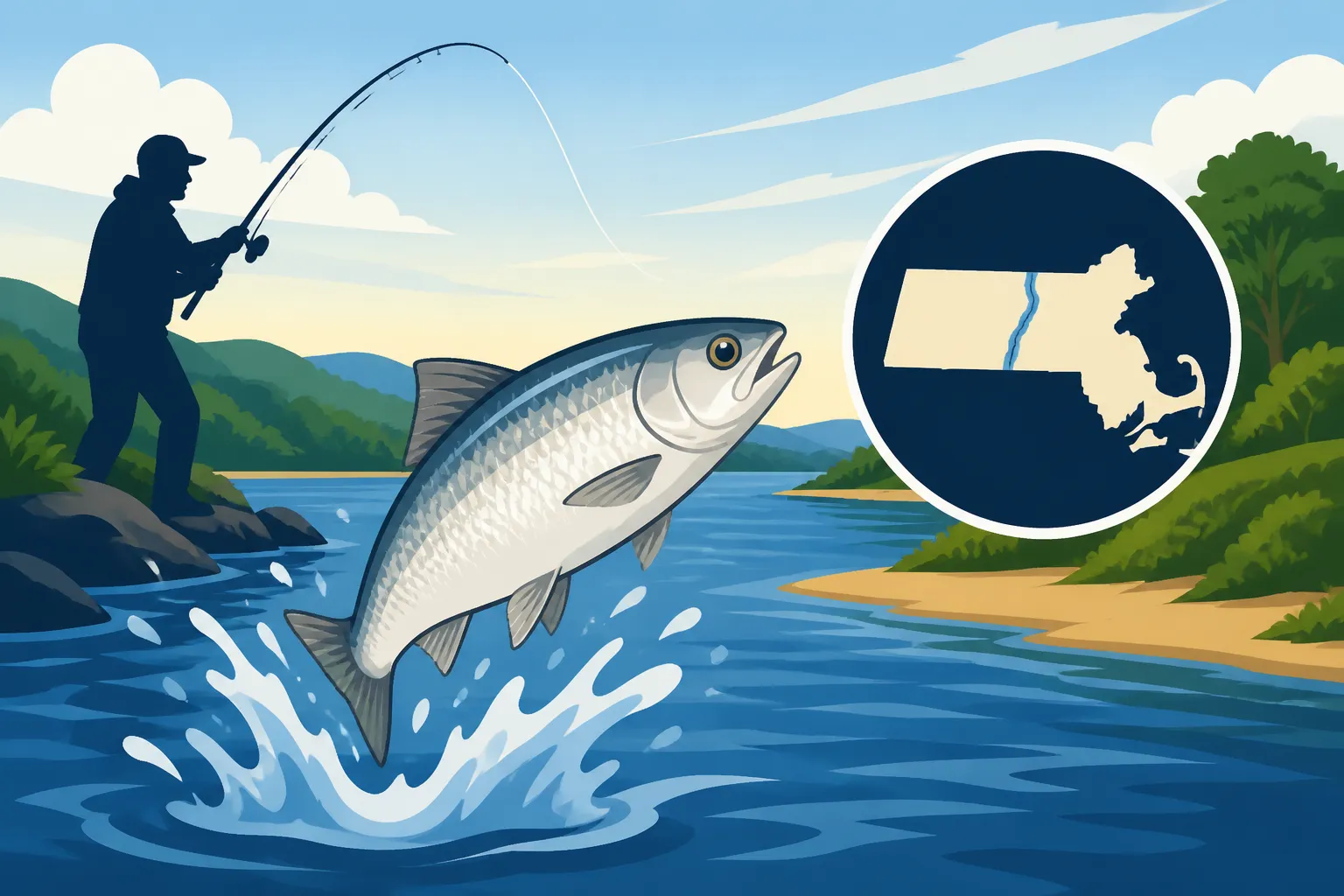
It's a familiar frustration for many of us who love chasing the spirited American Shad: you hear whispers of the "shad run" on the mighty Connecticut River, but actually pinpointing those elusive, silver bullets amidst miles of flowing water can feel like searching for a needle in a haystack. This guide is dedicated to cutting through that confusion, offering you the insider scoop on the best spots along the Massachusetts stretch of the Connecticut River to tangle with these fantastic game fish, along with the practical advice you'll need for a successful outing.
The Allure of American Shad on the Connecticut River
There's something truly special about the American Shad. They're not just a fish; they're a symbol of spring, a testament to the resilience of nature, and an absolute blast to catch on light tackle. For generations, anglers have eagerly awaited their return to freshwater, and the Connecticut River stands out as one of the premier destinations to intercept them.
Understanding the Annual Shad Migration
American Shad are anadromous, meaning they spend most of their adult lives in the ocean, maturing and feasting on plankton, before undertaking an epic journey back to the freshwater rivers of their birth to spawn. Imagine swimming hundreds of miles, navigating currents, and overcoming obstacles just to continue your lineage – that's the shad's story. In Massachusetts, the Connecticut River becomes a vibrant highway for these fish from late April through early June. The exact timing varies year to year, largely dependent on water temperature and flow, but generally, the run peaks when river temperatures hit around 50-60°F. Understanding this migration pattern is key to knowing when the shad run happens on the Connecticut River. They press upstream, driven by an instinct older than time, until they hit barriers like dams.
These dams, while presenting challenges, also create natural congregating points. Fish pile up below these structures, waiting for fish lifts or natural breaks to continue their journey. This concentration makes these areas prime targets for anglers, offering opportunities that are hard to replicate elsewhere.
Why the Connecticut River is a Shad Hotspot
The Connecticut River, flowing over 400 miles from its source in New Hampshire to Long Island Sound, is the longest river in New England and has a rich history as a shad river. Its sheer size, combined with a series of fish ladders and lifts designed to help migratory species bypass hydroelectric dams, makes it an ideal habitat and migratory route. For Massachusetts anglers, the sections below the major dams—especially the Holyoke Dam and Turners Falls Dam—become absolute magnets for shad.
The river's diverse bottom structure, from rocky ledges to sandy flats, and its varying current speeds, provide a range of holding patterns for shad as they rest and prepare for the next leg of their upstream journey. This consistent, strong run of shad, bolstered by ongoing conservation efforts, firmly establishes the Connecticut River as one of the best places in Massachusetts for this exciting spring fishery. It's truly a unique ecosystem that supports not just shad, but a myriad of other species, making it a fantastic destination for general Connecticut River Fishing in Massachusetts.
Prime Shad Fishing Locations in Massachusetts
While the Connecticut River is expansive, certain areas consistently outshine others when it comes to intercepting American Shad in Massachusetts. These hotspots are typically found below major dam systems, where the fish tend to stack up during their migration.
Hadley/Northampton Area Below the Holyoke Dam
Without a doubt, the area immediately below the Holyoke Dam is the most renowned and productive shad fishing spot in Massachusetts. This monumental dam, while a barrier, also acts as a funnel, concentrating an incredible number of fish in the churning waters downstream.
The Boat Launch and Recreation Area in Hadley, often referred to as the "Hadley side," offers excellent shore access and boat launching facilities. Anglers can fish from the bank, casting into the deeper channels and current seams. The waters here are dynamic, with strong currents, so be prepared with appropriate tackle. You'll often see a line of anglers here during the peak run, a clear sign of the hot fishing. For those with boats, you can explore further downstream, looking for eddies and calmer pockets where shad might rest. Parking can be competitive during peak weekends, so an early start is highly recommended.
Across the river, the Northampton side also provides good access, though perhaps less developed for shore anglers immediately below the dam. However, various smaller access points and parks in Northampton offer opportunities further downstream from the most intense current. The key here is looking for areas where the river flow is slightly moderated, allowing shad to hold, but still close enough to the main channel where they're migrating. This entire stretch, from Holyoke through Northampton, is essentially a goldmine.
Gill/Turners Falls Area Below the Turners Falls Dam
Further north along the Connecticut River in Massachusetts, the Turners Falls Dam (part of the Northfield Mountain Pumped Storage Project) presents another significant choke point for migrating shad. This area, particularly the waters around the towns of Gill and Montague, offers excellent opportunities, especially for those seeking a slightly less crowded experience than Holyoke.
The Gill/Montague side below the dam provides numerous access points. Anglers often target the areas just downstream from the dam itself, where fish gather before continuing their journey or utilizing the fish ladder. The river here can be quite wide, so boat access can be advantageous, but shore anglers certainly find success. Look for points, deeper holes, and current breaks that create prime holding spots for shad. The fishing here can be fantastic, and the scenery is often a bit more rugged and wild.
One local tip is to pay attention to the flow rates. When flows are high, shad might be spread out, but as flows stabilize, they tend to concentrate more predictably in current seams. This area is fantastic not just for shad but for a variety of species, underscoring the richness of the Connecticut River Fishing in Massachusetts experience.
South Hadley/Chicopee Area
While the immediate areas below the major dams are famous, don't overlook the stretches of the Connecticut River further downstream in towns like South Hadley and Chicopee. These areas, particularly in the earlier parts of the run, can offer excellent fishing. Shad will be pushing upstream through these sections before they even reach the Holyoke Dam.
Look for public boat ramps and access points in these towns. For example, the Medley Street boat launch in Chicopee or other town-specific access points can put you on the water. Shore fishing can be productive from bridges or accessible banks, especially where feeder creeks enter the main river, creating slight temperature variations or current disruptions that might attract fish. These areas often fish best in the early part of the run when the fish are still making their way upriver, less concentrated than at the dam, but perhaps more willing to strike. It's a great place to begin your spring pursuit of shad before the peak crowds hit the dam areas.
Accessing the Connecticut River for Shad
Public access along the Connecticut River in Massachusetts is generally good, thanks to state and local efforts. MassWildlife maintains numerous boat ramps and shore fishing areas. Before heading out, it's always a good idea to check local regulations and access information, especially if you're exploring a new spot. You can often find detailed maps and descriptions of these sites by consulting resources like How to find MassWildlife fishing access maps.
Remember that many of these prime locations can get quite busy during the peak of the shad run, especially on weekends. Arriving early is always a smart strategy to secure a good spot and parking. Be respectful of other anglers and the environment, ensuring you leave no trace behind.
Essential Gear and Techniques for Connecticut River Shad
Catching American Shad isn't about brute force; it's about finesse and presenting the right offering in the right way. Their mouths are delicate, and their fighting style is surprisingly energetic, so a balanced setup is key.
Rods, Reels, and Lines for Shad
For shad fishing, you want a setup that offers sensitivity, casting distance, and enough backbone to handle a feisty fish in current. A light to medium-light spinning rod, typically 6'6" to 7'6" in length, is ideal. This length provides good leverage for casting small lures and enough give to protect those soft mouths. Pair this with a 2000- to 3000-series spinning reel spooled with light line.
Many anglers opt for 6 to 8 lb monofilament or fluorocarbon line for its stretch and knot strength. However, if you prefer the sensitivity and casting distance of braid, a 10 to 15 lb braided line with a 6-foot leader of 6-8 lb fluorocarbon is an excellent choice. The braid allows you to feel those subtle taps in the current, while the fluorocarbon leader is nearly invisible underwater and more abrasion-resistant around rocks. The key is to keep your tackle light enough to enjoy the fight, but sturdy enough to manage the river's conditions.
Lures and Baits of Choice
Shad are not typically "bait" fishers in the traditional sense; they're almost exclusively caught on artificial lures that mimic small baitfish or attract their attention with flash and color. The undisputed champion for shad on the Connecticut River is the shad dart. These small, weighted jigs come in various colors and weights (typically 1/8 to 1/4 ounce). Popular colors include chartreuse, pink, white, and red/white combinations. Often, anglers will tie two darts in tandem, about 12-18 inches apart, to double their chances.
Other effective lures include small spoons (like Swedish Pimples or Kastmasters, usually 1/8 to 1/4 oz) in silver, gold, or copper, which provide a lot of flash. Small inline spinners can also work well, particularly in calmer sections of the river. For fly anglers, bright colored flies such as small Clouser Minnows, Flashabou streamers, or traditional wet flies in similar colors to shad darts (chartreuse, pink, white) are highly effective. Knowing how to catch American shad in Massachusetts truly boils down to presenting these small, flashy offerings effectively.
Shad Fishing Techniques That Work
The most common and effective technique for shad is a controlled cast and retrieve. Cast your dart or spoon slightly upstream and across the current, allowing it to sink and drift downstream naturally. As it drifts, slowly retrieve your line, imparting a subtle jigging or swimming action. The goal is to keep your lure near the bottom, where shad are often holding, without getting constantly snagged. This can take some practice to find the right balance of weight and retrieve speed.
Drift fishing from a boat is another highly productive method. By slowly drifting downstream with the current, anglers can cover more water, presenting their lures to actively migrating fish. This allows for a more natural presentation as your lure moves with the current. For shore anglers, identifying current seams, eddies, and submerged structure is crucial, as these are natural holding spots. Often, a shad strike feels like a subtle tap or a sudden weight, so pay close attention. It's not uncommon to hook a shad and have it put up an incredible fight, leaping and running, before you even realize what you've got!
Maximizing Your Shad Success on the Connecticut River
Chasing American Shad is an exciting spring ritual, but a successful trip involves more than just showing up with a rod. A little planning and understanding of the nuances can significantly boost your catch rates.
Timing Your Trip for Peak Run
As mentioned, the shad run on the Connecticut River is highly dependent on water temperature, typically kicking off in late April and peaking through May, sometimes extending into early June. While specific dates vary year to year, a good rule of thumb is to start monitoring local fishing reports and water temperatures once the river hits the low 50s Fahrenheit. The peak usually occurs when temperatures are comfortably in the mid-50s to low 60s.
Regarding time of day, shad can be caught throughout the day, but early mornings and late afternoons/evenings often prove most productive, especially under clear skies. Overcast days can extend the bite into midday. Many anglers also find that the fishing can be hot during periods of stable weather, rather than immediately after a cold front or significant rain, which can muddy the water and slow the bite. For a broader understanding of fishing throughout the year, refer to Massachusetts Fishing Seasons Explained.
Understanding River Conditions
River conditions play an enormous role in shad fishing success. Water flow and clarity are perhaps the two most critical factors. After heavy rains, the river can become high, fast, and muddy. While shad will still move through, finding them and presenting a lure effectively becomes much harder. Ideal conditions are typically when the river is at a moderate flow, and the water has good clarity—a slight tea stain is fine, but extreme turbidity is not.
You can often check river flow data online through USGS stream gauges for the Connecticut River. This data can give you an idea of whether the river is rising, falling, or stable. Stable or slowly falling water levels after a high-water event are often prime times to hit the river, as the fish will start to settle into more predictable patterns. Always prioritize safety: fast, high water can be dangerous, especially for wading or smaller boats.
Navigating Regulations and Licenses
Before you even make your first cast, you absolutely need to make sure you're properly licensed and familiar with the regulations. In Massachusetts, you need a valid freshwater fishing license to fish the Connecticut River. This isn't just a suggestion; it's a legal requirement, and penalties for fishing without one can be stiff, as highlighted in "Penalties for Fishing Without a License in Massachusetts". You can learn everything you need to know about purchasing one in our comprehensive Massachusetts Fishing License Guide.
Additionally, pay close attention to the Massachusetts Freshwater Daily Catch Limits for American Shad. These regulations are in place to ensure the sustainability of the fishery for future generations. Typically, there's a daily creel limit on shad, and it's essential to know this number. These rules are part of the broader Massachusetts Recreational Fishing Rules and Bag Limits, so it's always wise to review the current year's guidelines from MassWildlife before you head out. Don't forget, understanding Massachusetts Freshwater Fishing License Costs and Rules is also key to ensuring you're fully compliant.
Consider a Guided Experience
If you're new to shad fishing on the Connecticut River, or if you simply want to maximize your chances and learn from an expert, consider hiring a local fishing guide. A seasoned guide can put you directly on the fish, teach you the subtle nuances of presentation in specific currents, and even provide all the necessary gear. They know the river's moods, the best spots at different flows, and the tricks that only local knowledge can provide.
Platforms like FishingBooker can connect you with experienced guides who specialize in Connecticut River shad fishing. While you might initially feel confident heading out on your own, a guided trip can fast-track your learning curve and lead to a much more productive and enjoyable experience, especially when dealing with a fast-moving, complex river system. Even for experienced anglers, a guide can reveal new hotspots or techniques you might not have considered. You can also find guides specialized in specific types of fishing, like fly fishing, through these services.
| Location | Best Access | Key Features | Target Techniques | Notes |
|---|---|---|---|---|
| Holyoke Dam (Hadley side) | Hadley Boat Launch and Recreation Area | Intense current, deep channels, fish concentration below dam | Shore casting, boat drifting | Most popular, often crowded. Best during peak run. Expect strong currents. |
| Holyoke Dam (Northampton side) | Various smaller parks and access points | Similar to Hadley but generally less developed immediate shore access | Shore casting, boat drifting | Good for exploring if Hadley side is too busy. |
| Turners Falls Dam (Gill/Montague) | Gill Public Access, various spots below dam | Wide river, fish concentration, slightly less crowded than Holyoke | Shore casting, boat drifting | Good for a more tranquil experience. Pay attention to water flow rates. |
| South Hadley/Chicopee | Medley Street boat launch (Chicopee), local parks | Broader river sections, earlier fish movement, less current congestion | Shore casting, boat drifting | Productive earlier in the run. Good for covering more water. Look for eddies and slower seams. |
Chasing American Shad on the Connecticut River is an annual pilgrimage for many, and for good reason. It’s an incredibly rewarding experience, offering both challenging fishing and the joy of witnessing a powerful natural migration. With the right knowledge of the spots, gear, and techniques, you’ll be well on your way to experiencing the thrill of these "poor man's salmon" for yourself. Happy fishing!
Disclaimer
The information provided in this guide is for general informational purposes only. Fishing conditions, regulations, and access points can change. Always consult the most current regulations from the Massachusetts Division of Fisheries and Wildlife (MassWildlife) and local authorities before planning your fishing trip. Ensure you have the proper licenses and adhere to all safety guidelines.