Best Time of Year to Fish in Massachusetts
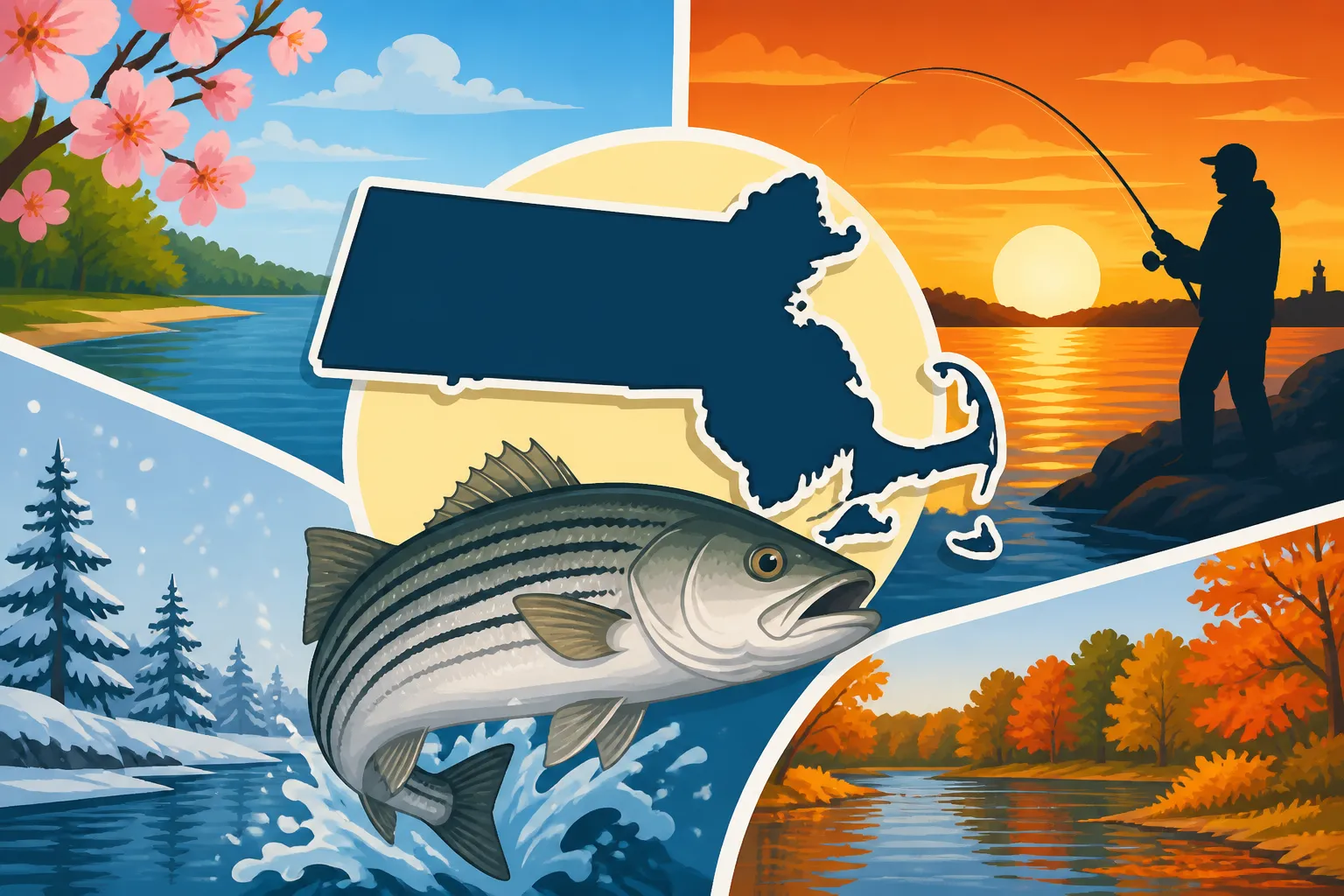
There's nothing quite like the anticipation of a bent rod, but let's be honest, trying to figure out the absolute best time to go fishing in Massachusetts can feel like a riddle wrapped in a mystery, especially with our state's incredible diversity of waters and species. From the chilly waters of a spring trout stream to the roaring waves of a fall striper blitz, the timing can make or break your trip. This comprehensive guide is here to untangle all that, helping you understand the seasonal rhythms of Massachusetts fishing so you can plan your adventures for maximum success, no matter what you're hoping to catch.
Understanding Massachusetts' Diverse Fisheries
Massachusetts isn't just a state; it's a fishing paradise, offering everything from serene freshwater ponds tucked away in the Berkshires to the wild, open expanse of the Atlantic Ocean. This incredible diversity means that while one season might be perfect for targeting a specific species in one type of water, it might be entirely different elsewhere. Knowing the basic layout of our fisheries is the first step in understanding when and where to cast your line.
Freshwater vs. Saltwater Opportunities
When we talk about fishing in Massachusetts, we're really talking about two distinct worlds: freshwater and saltwater. Each has its own cast of characters, its own seasonal fluctuations, and its own unique set of challenges and rewards.
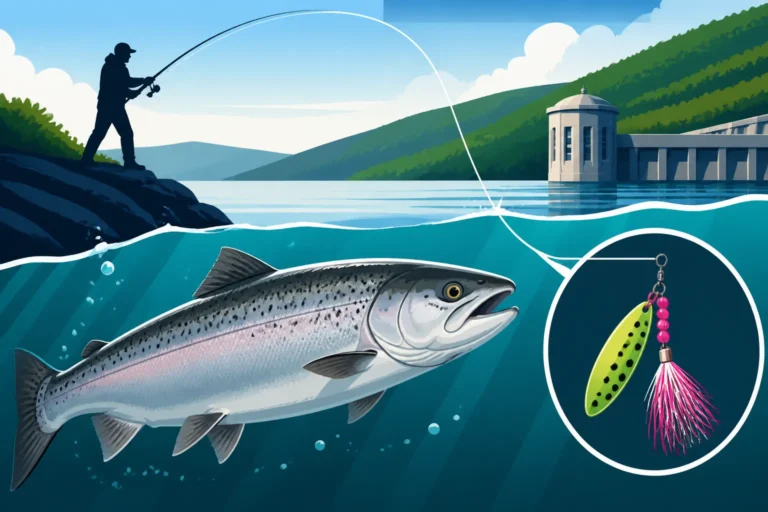
Freshwater fishing in Massachusetts is a year-round affair for many anglers, especially if you embrace the ice in winter. Our lakes, ponds, rivers, and streams are teeming with popular game fish like trout, bass (both largemouth and smallmouth), pike, pickerel, perch, and crappie. Places like Quabbin Reservoir or Wachusett Reservoir are legendary for their landlocked salmon and lake trout, while smaller streams offer fantastic opportunities for native brook trout. The beauty of freshwater is often its accessibility and the sheer variety of peaceful, picturesque spots. You can often find a quiet pond or a babbling brook just a short drive from home, making it perfect for a spontaneous outing. Understanding the nuances of a Massachusetts Freshwater Fishing License Costs and Rules is crucial before heading out.
Then there's the saltwater side of the equation. Our coastline stretches for hundreds of miles, from the rocky shores of Cape Ann down to the sandy beaches of Cape Cod and the islands. Here, the targets change dramatically, focusing on iconic species like striped bass, bluefish, cod, tautog, fluke (summer flounder), black sea bass, and even offshore giants like bluefin tuna. Saltwater fishing often involves different gear, bigger boats, and a whole new set of tides and currents to master. The sheer power of a big striped bass or the thrill of a tuna on the line is an experience unique to our coastal waters. You'll definitely want to get familiar with the Massachusetts Saltwater Recreational Fishing Permit Explained before you go.
The Influence of Climate on Fish Behavior
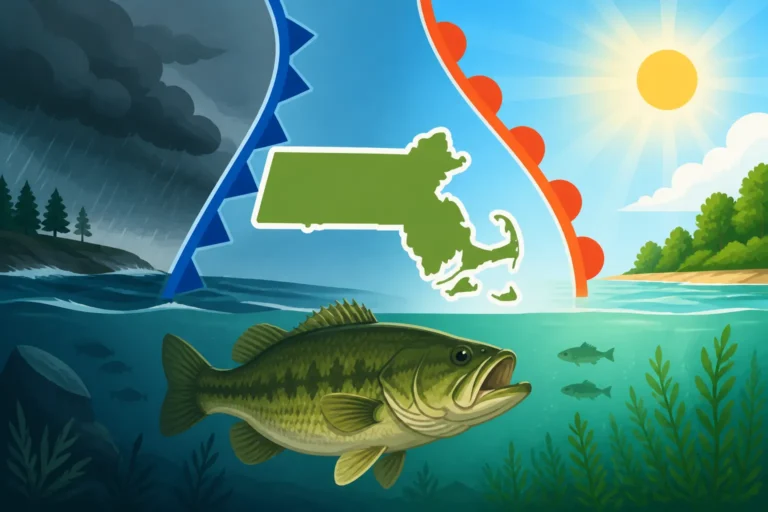
Fish are cold-blooded creatures, which means their metabolism and activity levels are heavily influenced by water temperature. This is the fundamental reason why understanding the seasonal climate shifts in Massachusetts is so critical for successful fishing.
In spring, as ice melts and water temperatures begin to climb, fish become more active. They'll move into shallower waters to feed and eventually spawn. This post-winter surge in activity makes them more vulnerable and easier to catch. Conversely, in summer, as water temperatures rise significantly, many species, especially trout and cold-water bass, will seek deeper, cooler water or become more active during dawn and dusk. Warm water also brings in baitfish, which in turn attracts large predatory fish to our coast. As autumn arrives and water temperatures drop, many species enter a feeding frenzy to bulk up for winter. This fall "run" is a legendary time for striped bass and other migratory species. And in winter, while some fish slow down dramatically, others, like pike and certain perch species, remain active under the ice, providing unique ice fishing opportunities. Knowing these patterns means you're not just fishing; you're hunting with a strategy, anticipating where fish will be and what they'll be doing.
Spring Fishing in Massachusetts: The Awakening
Spring in Massachusetts is a time of renewal, and nowhere is this more evident than in the fishing world. As the last vestiges of winter fade, the waters come alive, signaling the start of prime fishing for many species. Anglers shake off the winter chill, eager to hit the banks and launch their boats.
Trout Stocking Frenzy and River Action
For freshwater enthusiasts, spring often begins with the much-anticipated trout stocking season. MassWildlife does an incredible job of stocking thousands upon thousands of brook, brown, and rainbow trout into ponds, lakes, and rivers across the Commonwealth. This usually kicks off in late March or early April and continues well into May. It's truly a sight to behold, and for many families, it's an annual tradition to head out the weekend after their local pond gets stocked. You can literally follow the MassWildlife trucks, if you're dedicated enough!
The weeks following the stocking are often the most productive. These hatchery-raised trout are eager to feed, making them relatively easy targets for both bait and lure anglers. Small spinners, worms, power bait, and even corn are all highly effective. Beyond the stocked waters, our natural trout streams and rivers, like the Deerfield River or parts of the Westfield River, also become highly productive as water levels stabilize and insect hatches begin. Fly fishing really picks up during this time, with anglers matching emerging mayflies, caddisflies, and stoneflies. Just remember, checking the Massachusetts Trout Stocking Schedule is your secret weapon for maximizing these opportunities.
Early Season Striped Bass Migration
While trout are the freshwater stars of spring, saltwater anglers are fixated on one thing: striped bass. As water temperatures in our coastal estuaries and bays inch above 50 degrees Fahrenheit, the first waves of migrating striped bass begin to arrive. These are typically smaller "schoolie" stripers, weighing a few pounds, but their arrival signals the true beginning of the saltwater season.
You'll often find these early-season stripers in shallow, protected waters like the harbors, salt ponds, and river mouths on Cape Cod, Buzzards Bay, and even the greater Boston Harbor area. They're hungry after their long migration from southern waters and are aggressively feeding on herring and other small baitfish. Light tackle with soft plastics, small plugs, and bucktail jigs can be incredibly effective. As the season progresses into late May and early June, larger migratory fish start to show up, pushing further up the coast and into more open waters. This period is a fantastic time for shore anglers to target stripers, as they're often found close to beaches and jetties before the summer boat traffic really picks up. Keep an eye on local reports and online forums; the "first striper" reports are always met with huge excitement.
Freshwater Bass and Panfish Emerging
Beyond trout, spring is also an excellent time for targeting warmwater species in Massachusetts' freshwater ponds and lakes. Largemouth and smallmouth bass, chain pickerel, crappie, and various panfish species (like bluegill and perch) all become incredibly active as water temperatures rise.
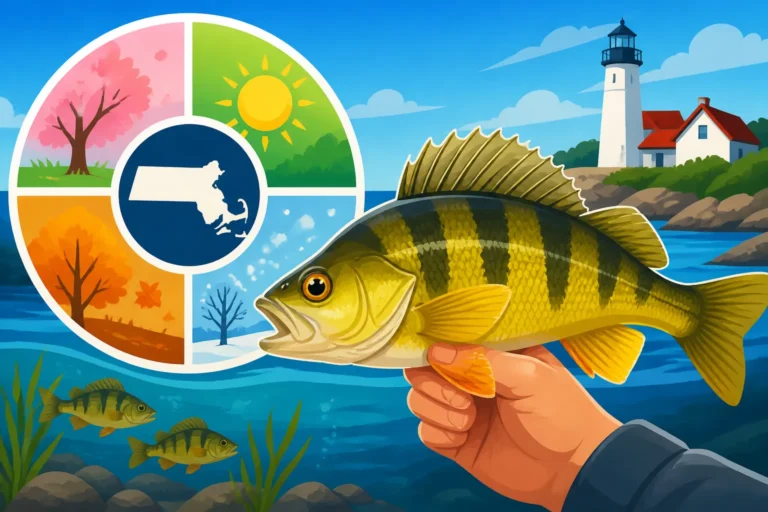
For bass anglers, the pre-spawn and spawn periods are legendary. Largemouth bass will move into shallower coves and protected areas, often near submerged structure or lily pads, making them easier to locate. Soft plastics, spinnerbaits, and even some topwater lures can be highly effective. Smallmouth bass, often found in rockier lakes and rivers like the Connecticut River, also become aggressive. They're often eager to strike crankbaits, jigs, and tube baits. Meanwhile, crappie and yellow perch, delicious and abundant, school up in impressive numbers in shallow areas, especially around brush piles or docks. A simple bobber rig with a small jig or worm can lead to a cooler full of panfish, making it a fantastic option for families and beginner anglers. Fishing for these species requires understanding the nuances of Massachusetts Freshwater Daily Catch Limits.
Summer Fishing in Massachusetts: Peak Action
Summer in Massachusetts is synonymous with long, sunny days and prime fishing conditions, especially for saltwater species. While some freshwater fishing can slow down during the heat of the day, the ocean comes alive with a multitude of game fish, offering some of the most exciting angling opportunities of the year.
Thriving Saltwater Game Fish
Once June hits, the waters off Massachusetts are buzzing with activity. Striped bass are in full swing, and larger fish are now widely distributed, from the Cape Cod Canal to the waters off Plum Island. This is when the "cow" stripers really make their presence known. Anglers will employ a variety of tactics, including live-lining eels or menhaden, trolling with tubes and parachutes, or casting large plugs and soft plastics from shore or boat. Understanding How to Catch Striped Bass in Massachusetts is key during this time.
But it's not just stripers. Bluefish, known for their aggressive strikes and toothy grins, arrive in force, often in huge schools that will obliterate topwater plugs. Bottom fishing for species like fluke (summer flounder), black sea bass, and scup also heats up significantly. Fluke, a delicious flatfish, are often found drifting over sandy bottoms, while black sea bass prefer rocky structures and wrecks. Scup, or porgies, are abundant and provide fast action, especially for kids. Many anglers will head out on party boats or charters for these species, enjoying the consistent action. Just be sure to be up to date on the Massachusetts Saltwater Bag Limits by Species, as they can change seasonally for certain fish.
Offshore Giants: Tuna and Shark Season
For the truly adventurous angler, summer is the time to venture offshore in pursuit of giants. Bluefin tuna, yellowfin tuna, and even bigeye tuna make their annual appearance in the deep waters south of Martha's Vineyard and Nantucket, as well as off the backside of Cape Cod. These are truly powerful fish, requiring heavy-duty gear and serious dedication. Charter boats regularly head out for these adrenaline-pumping trips, often employing tactics like trolling with large lures, chunking with bait, or jigging. Catching a bluefin tuna is often a once-in-a-lifetime experience for many.
Beyond tuna, shark fishing also becomes a popular endeavor. Mako, thresher, and even blue sharks roam our offshore waters, offering another incredible big-game challenge. Many specialized charters cater to these trips, providing the necessary heavy tackle and expertise. Remember, these offshore trips are not for the faint of heart and require careful planning, appropriate safety gear, and often, a strong stomach for rough seas.
Warmwater Freshwater Fishing Strategies
While saltwater takes center stage, freshwater fishing still offers plenty of action during the summer months, though tactics often need to adapt to warmer water temperatures. Largemouth bass fishing remains strong, especially during early morning and late evening hours when the water is cooler and bass are more active in the shallows. Topwater lures can provide explosive strikes during these periods. During the heat of the day, bass will often retreat to deeper, cooler waters or dense cover. Flipping and pitching jigs or Texas-rigged worms into heavy cover, or fishing deep-diving crankbaits, can be very productive.
Panfish like bluegill and perch are still abundant and provide steady action, making them perfect targets for family outings. Look for them around docks, weed lines, and submerged brush. Catfish also become very active in summer, particularly at night, offering a fun and accessible fishing opportunity in many ponds and rivers. Remember that many Massachusetts ponds and lakes offer excellent fishing. You might want to explore the Best Freshwater Ponds and Lakes in Massachusetts for specific locations that remain productive throughout the summer.
Fall Fishing in Massachusetts: The Grand Finale
If spring is the awakening, then fall in Massachusetts is the grand finale. As the leaves turn vibrant colors and a crisp chill enters the air, many fish species enter a furious feeding period, making autumn one of the most exciting and productive times to fish, especially for trophy-sized catches.
The Epic Striped Bass Fall Run
Without a doubt, the undisputed champion of fall fishing in Massachusetts is the striped bass fall run. As water temperatures begin to drop, striped bass, often joined by bluefish, begin their migration south, feeding voraciously to build up fat reserves for winter. This mass movement of fish creates incredible opportunities along the entire coast.
The Cape Cod Canal, the outer beaches of the Cape, and the mouths of major rivers become epicenters of activity. Anglers from all over flock to these spots, hoping to intercept schools of massive stripers chasing baitfish like mullet and herring. Topwater plugs, pencil poppers, and large soft plastics can elicit heart-stopping strikes. Trolling along the coast or jigging in deeper channels can also be incredibly effective. The sheer number and size of fish available during the fall run can be astounding, making it a bucket-list experience for any saltwater angler. It's a time when you might just catch that personal best, especially if you understand the Massachusetts Striped Bass Slot Limit Explained to keep legal fish.
Peak Opportunities for Tautog and Bottom Fish
While stripers steal the headlines, fall is also the prime season for tautog, also known as blackfish. These delicious, hard-fighting fish are structure-oriented, found around rocky areas, wrecks, and mussel beds. As water temperatures cool, tautog become incredibly active, feeding aggressively. Their season often peaks in October and November, making them a fantastic target for dedicated bottom fishermen.
Crabs – green crabs, fiddler crabs, and hermit crabs – are the preferred bait for tautog. Anglers typically fish them on a bottom rig or a jig, trying to present the bait right in the structure where these fish live. It's a technical form of fishing that requires patience and a good feel for the bite, but the reward of a big tautog is well worth the effort. Black sea bass and scup also remain available and active into the early fall, providing continued bottom fishing opportunities before they move to deeper, warmer waters for winter. Many anglers find that fishing these species from a boat provides the best access to the best structure.
Fall Trout Stocking and Landlocked Salmon
Not to be outdone by the saltwater action, freshwater anglers also have plenty to look forward to in the fall. MassWildlife conducts a significant fall trout stocking program, replenishing many of the same ponds and rivers that were stocked in the spring. These cooler water temperatures mean that trout are often more active and less stressed than during the summer, offering excellent fishing.
Additionally, fall is a prime time for targeting larger, colder-water species like landlocked salmon and lake trout, particularly in deep, clear reservoirs like Quabbin and Wachusett. These fish become more active as the water cools, often moving into shallower areas to feed before the winter. Trolling spoons, stickbaits, or even live bait can be very effective. The scenery of central Massachusetts in the fall, with vibrant foliage reflecting on the water, only adds to the magic of these fishing trips. For those interested in these specific areas, understanding the Quabbin Reservoir Fishing Permits and Rules in Massachusetts is absolutely essential.
Winter Fishing in Massachusetts: Ice and Cod
When winter blankets Massachusetts in snow and ice, many anglers hang up their gear until spring. However, for a dedicated few, winter offers unique and rewarding fishing experiences that are truly unlike any other season. It requires different gear, a different mindset, and a strong appreciation for the cold, but the rewards can be plentiful.
The Thrill of Ice Fishing
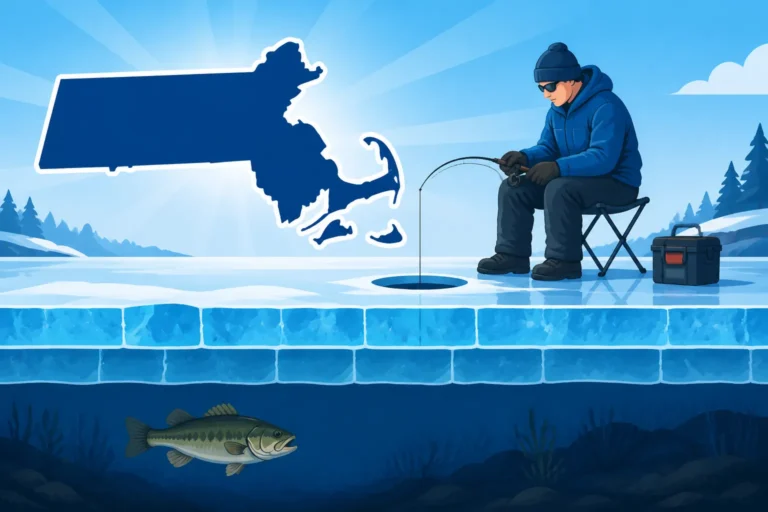
Once safe ice forms on ponds and lakes across the state, ice fishing becomes the dominant freshwater pursuit. This is a truly social and engaging way to fish, often involving groups of friends huddled around portable shanties, enjoying hot coffee and conversation while waiting for a flag to pop up. Target species include yellow perch, crappie, bluegill, chain pickerel, and even some impressive largemouth and smallmouth bass.
Ice fishing requires specialized gear: augers to drill holes, tip-ups for passive fishing, and short, sensitive ice rods for jigging. Safety is paramount when ice fishing; always check local ice conditions and never venture out alone onto questionable ice. Local bait shops and conservation areas often provide updates on ice thickness. If you're looking to dive into this unique winter sport, our guide on Ice Fishing in Massachusetts covers everything you need to know, from safety to techniques. A good pair of ice fishing boots and a portable heater from a brand like Amazon can make all the difference in comfort on a long day.
Winter Cod and Offshore Bottom Fishing
While most saltwater activity grinds to a halt in winter, there are still opportunities for those willing to brave the colder conditions and venture offshore. Winter cod fishing has historically been a popular pursuit, though regulations have made recreational cod fishing more challenging in recent years. However, when open, anglers will head to deeper offshore banks and wrecks, often on party boats, to target these delicious groundfish.
Alongside cod, other bottom dwellers like pollock, haddock, and cusk can also be caught during deep-sea winter trips. These trips are typically full-day excursions, requiring heavy rods, stout reels, and plenty of lead to reach the bottom in hundreds of feet of water. It's tough fishing, but the bounty of fresh whitefish can make it incredibly rewarding. Be sure to check the most current Massachusetts Recreational Fishing Rules and Bag Limits, as groundfish regulations can change frequently.
Finding Hidden Freshwater Gems
Even without ice, some freshwater opportunities persist through the winter. Certain rivers and streams that don't freeze solid can offer surprisingly good fishing, especially for hardy species like trout. Wild brook trout, in particular, can be active in cold water, though they require a more subtle approach. Using small nymphs or tiny streamers can entice strikes in clear, cold currents.
Additionally, some deeper lakes and ponds that may not completely freeze over can still hold active fish. Often, these are less pressured spots, and anglers who brave the elements can be rewarded with solitude and some unexpected catches. It's a time for quiet reflection and appreciating the stark beauty of winter in Massachusetts, often yielding a unique sense of accomplishment when you do land a fish in challenging conditions.
Seasonal Hotspots and Target Species
Knowing when to fish is only half the battle; knowing where to go and what to target can turn a good day into a great one. Massachusetts boasts an incredible array of fishing locations, each with its own seasonal specialties.
Best Bets for Freshwater Anglers
Massachusetts freshwater fisheries are truly diverse, offering something for every angler through the seasons.
- Spring Trout: For the early spring trout angler, almost any of the hundreds of ponds and rivers on the MassWildlife stocking list are prime. The Quabbin Reservoir's cold, deep waters offer excellent opportunities for landlocked salmon and lake trout once it opens in mid-April. Smaller streams in the Berkshires like the Deerfield River are also fantastic for fly fishing.
- Summer Bass: Warmer months see excellent largemouth bass fishing in ponds across the state, such as Lake Quinsigamond near Worcester, Long Pond in southeastern Massachusetts, or any number of smaller ponds in state parks like Wompatuck. For smallmouth bass, the Connecticut River and larger lakes with rocky shorelines are your best bet.
- Fall Trout and Salmon: As temperatures drop in autumn, both the stocked waters and large reservoirs like Quabbin and Wachusett shine again for trout and salmon. The fall stocking events provide a renewed opportunity for aggressive trout.
- Winter Ice Fishing: Once the ice is safe, popular ice fishing destinations include Otis Reservoir, Lake Cochituate, or any number of shallow ponds teeming with panfish and pickerel. Always prioritize safety and check local ice conditions.
Each of these spots has its own character, and exploring them is part of the fun. Consider consulting a guide like Best Fishing Spots in Massachusetts for more localized recommendations throughout the year.
Top Picks for Saltwater Enthusiasts
Massachusetts' coastline is legendary, drawing anglers from all over for its world-class saltwater opportunities.
- Spring Stripers: The earliest striped bass often show up in the protected waters of Buzzards Bay, Narragansett Bay (the MA side), and the estuaries of Cape Cod. Places like the Westport River or the Three Bays in Barnstable are known for producing early season schoolies.
- Summer Stripers and Bluefish: This is when the action really spreads out. The Cape Cod Canal Fishing Guide for Massachusetts Anglers is a must-read for anyone targeting summer stripers, along with the outer beaches of Cape Cod (e.g., Nauset Beach, Race Point). Boston Harbor and Ipswich Bay are also hotbeds for stripers and bluefish. For fluke and black sea bass, Buzzards Bay, Nantucket Sound, and many of the rocky ledges off the South Shore are excellent.
- Fall Run: The fall run can take place anywhere along the coast, but the beaches of the Outer Cape, the Cape Cod Canal, and the waters around Martha's Vineyard and Nantucket are renowned for producing incredible striped bass and bluefish action as they migrate. Tautog fishing peaks around rocky structures in Buzzards Bay and off the Elizabeth Islands.
- Offshore Tuna: For bluefin and other tuna, the waters south of Martha's Vineyard (the "Tuna Grounds"), Stellwagen Bank, and the canyons farther offshore are the primary destinations, typically from mid-summer into early fall.
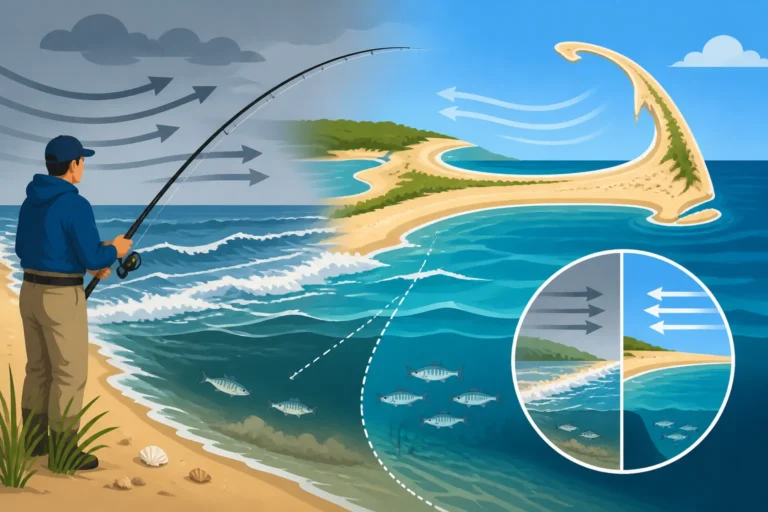
Remember that tides and currents play an enormous role in saltwater fishing success. What might be hot one day might be quiet the next, so staying flexible and checking local reports is always a good strategy.
Essential Gear and Planning by Season
Effective fishing isn't just about showing up; it's about being prepared. The gear you need, the way you dress, and how you plan your trip will vary significantly with the seasons in Massachusetts.
Adapting Your Tackle Box
Your tackle box isn't a static entity; it should evolve with the seasons and the species you're targeting.
- Spring: For trout, think light tackle. Small spinning rods with 4-6 lb test line, a selection of small inline spinners (like Rooster Tails or Mepps Aglias), spoons, and a variety of power bait and worms. For early stripers, lighter medium-action spinning gear capable of casting soft plastics (e.g., Z-Man, Bass Kandy Delights) and small plugs is ideal. You might find a good selection of these starter lures on Amazon.
- Summer: Saltwater anglers will need heavier gear. Medium-heavy to heavy spinning or conventional rods for striped bass and bluefish, capable of handling 20-50 lb braided line, are standard. A variety of topwater plugs, lipped swimmers, and jigs will be essential. Offshore tuna fishing demands specialized, incredibly robust gear designed for fighting powerful, fast fish for extended periods. Freshwater bass fishing will require a range of lures from topwaters to deep-diving crankbaits and soft plastics.
- Fall: For the fall run, many striper anglers opt for heavier rods to cast larger plugs and eels. Bucktail jigs become incredibly effective. Tautog fishing requires stout rods with sensitive tips and strong reels to pull fish out of structure. A good supply of crabs is a must.
- Winter: Ice fishing demands unique equipment. Ice augers, tip-ups, short ice rods with sensitive tips, and specialized jigs (small tungsten jigs, Swedish pimples) or live bait (shiners, fatheads) are essential. For offshore cod, heavy boat rods capable of handling 12-16 oz jigs or bait rigs with large sinkers are needed.
Always ensure your reels are properly spooled with fresh line and that your knots are strong. Hooks should be sharp, and drag systems smooth. Investing in quality gear, even if just a basic setup for each season, will significantly improve your experience.
Navigating Licenses and Regulations
No matter how seasoned an angler you are, staying on top of Massachusetts' fishing licenses and regulations is non-negotiable. These rules are in place to protect our precious fisheries and ensure sustainable angling for future generations.
- Freshwater Licenses: Anyone 15 years or older needs a freshwater fishing license to fish in inland waters. There are different options for residents and non-residents, and even specific permits for certain waters like Quabbin Reservoir. You can learn more in the Massachusetts Fishing License Guide.
- Saltwater Permits: For saltwater fishing, resident and non-resident anglers 16 years or older need a Massachusetts Saltwater Recreational Fishing Permit. There are some exemptions, such as fishing on a licensed for-hire vessel where the captain's permit covers passengers, but it's always best to verify.
- Regulations by Species: Beyond licenses, each species often has specific regulations regarding minimum size, daily bag limits, and seasons. For example, striped bass have a slot limit, meaning you can only keep fish within a certain size range. Tautog limits change by month, and black sea bass also have specific seasons and sizes. It’s crucial to consult the MassWildlife and Massachusetts Division of Marine Fisheries (DMF) websites for the most up-to-date information, or grab a copy of their regulations pamphlet. This information on Massachusetts Fishing License Requirements by Age and Massachusetts Recreational Fishing Rules and Bag Limits is updated annually, so always double-check before you head out.
Fines for violating fishing regulations can be steep, and ignorance of the law is never an excuse. Always carry your license or permit with you, whether in paper form or easily accessible on your phone through the MassFishHunt system. A quick check of the regulations can save you a lot of trouble and ensure you're fishing responsibly.
A Seasonal Snapshot of Massachusetts Fishing
To help you visualize the best times for different species, here's a handy table summarizing the peak seasons across Massachusetts. Remember, these are general guidelines, and local conditions can always vary.
| Fish Species | Spring (Mar-May) | Summer (Jun-Aug) | Fall (Sep-Nov) | Winter (Dec-Feb) |
|---|---|---|---|---|
| Freshwater | ||||
| Trout (Stocked) | Peak | Good (Deep) | Peak | Limited (Ice) |
| Trout (Wild) | Good | Fair (Cold Water) | Good | Limited (Ice) |
| Largemouth Bass | Good | Peak | Good | Limited (Ice) |
| Smallmouth Bass | Good | Peak | Good | Limited (Ice) |
| Pickerel | Good | Good | Good | Peak (Ice) |
| Panfish (Perch, Crappie) | Peak | Good | Good | Peak (Ice) |
| Landlocked Salmon | Peak | Good (Deep) | Peak | Good (Ice) |
| Lake Trout | Peak | Good (Deep) | Peak | Good (Ice) |
| Catfish | Good | Peak | Good | Limited |
| Saltwater | ||||
| Striped Bass | Early Season | Peak | Peak (Run) | Closed |
| Bluefish | Early Season | Peak | Peak | Closed |
| Fluke (Summer Flounder) | Good | Peak | Good | Closed |
| Black Sea Bass | Good | Peak | Good | Closed |
| Tautog | Good | Fair | Peak | Limited |
| Scup | Good | Peak | Good | Closed |
| Bluefin Tuna | Limited | Peak | Peak | Closed |
| Cod | Limited (Offshore) | Limited (Offshore) | Limited (Offshore) | Good (Offshore) |
| Pollock | Limited (Offshore) | Limited (Offshore) | Limited (Offshore) | Good (Offshore) |
This table gives you a quick visual reference, but remember, there's always an exception to every rule in fishing! Conditions can change, and fish don't always read the calendar. However, using this as a general guide will put you in the best position for a successful outing.
Disclaimer
The information provided in this guide is for general informational purposes only and is subject to change. Fishing regulations, seasons, and licensing requirements in Massachusetts are updated regularly by MassWildlife and the Division of Marine Fisheries (DMF). Always consult the official websites of these agencies or their most current printed regulations pamphlet before planning your fishing trip. Safety should always be your top priority, especially when boating or ice fishing.