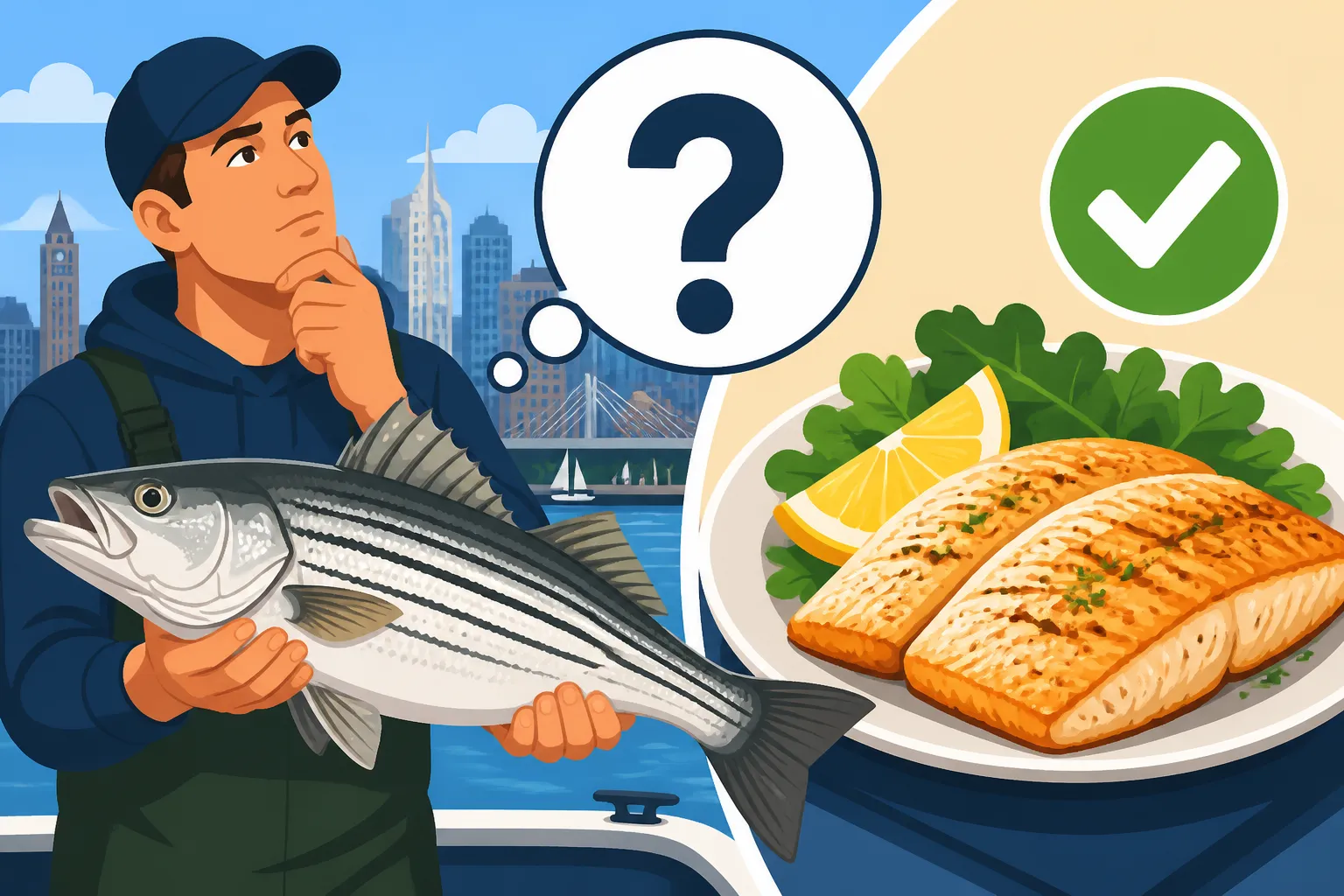
Can You Eat Striped Bass Caught in Boston Harbor?
It's a question that many Massachusetts anglers ponder with a mix of excitement and trepidation: You’ve just landed a beautiful striped bass in Boston Harbor, the reel sang, the fight was epic, and now you’re wondering if this magnificent fish is destined for your dinner plate. The truth is, fishing in our bustling urban waters carries a unique set of considerations, and understanding them is crucial for both your enjoyment and your health. This guide will dive deep into the factors that determine the edibility of striped bass from Boston Harbor, helping you make informed choices.
The Complexities of Fishing in Urban Waters
Fishing in the heart of a major city like Boston offers an incredible experience – the skyline as your backdrop, the hum of urban life, and the thrill of connecting with nature just steps from the concrete jungle. But let's be realistic: these waters have seen a lot over the centuries. Our harbors, like many others across the nation, have a complex history, and with that history comes questions about what's truly safe to consume.
A Legacy of Pollution and Ongoing Efforts
Boston Harbor, for decades, bore the brunt of industrial discharge, stormwater runoff, and untreated sewage. I remember fishing spots that, honestly, you wouldn't even think about eating a fish from back in the day. It was a tough situation, and many local anglers felt a deep frustration, seeing the potential of these waters dimmed by contamination. However, Massachusetts has made truly monumental strides in cleaning up the harbor. The multi-billion dollar Boston Harbor Project, for instance, dramatically improved water quality by upgrading wastewater treatment facilities and rerouting effluent.
While these cleanup efforts have been a resounding success in many respects, significantly improving ecological health and opening up recreational opportunities, the legacy of past pollution doesn't vanish overnight. Some persistent contaminants can settle into sediments and accumulate in the food web over time. This is why even with sparkling clear waters and thriving fish populations, a cautious and informed approach to consumption is still absolutely necessary. We've come a long way, but vigilance remains key.
Understanding Fish Consumption Advisories
So, how do we know what's safe and what's not? That's where fish consumption advisories come in. These aren't just arbitrary rules; they are carefully considered recommendations issued by public health agencies, like the Massachusetts Department of Public Health (DPH). They’re designed to protect us, especially vulnerable populations, from potential health risks associated with eating fish that might have accumulated certain contaminants.
These advisories are incredibly specific, which can sometimes be confusing. They often depend on the type of fish, the size of the fish, and exactly where it was caught. A fish caught in one part of the harbor might have a different recommendation than the same species caught just a few miles offshore or further up a river. They also consider who is eating the fish – pregnant women, nursing mothers, young children, and those who eat fish frequently are often given more conservative advice due to increased sensitivity or exposure over time. It’s not about fear-mongering; it's about providing practical, science-based guidance to help us all enjoy our catch responsibly. For general information on local regulations, check out the Massachusetts Recreational Fishing Rules and Bag Limits.
The Role of Contaminants in Fish Tissue
When we talk about fish consumption advisories, we're primarily concerned with certain contaminants that can accumulate in fish tissue. The main culprits often include polychlorinated biphenyls (PCBs), mercury, and sometimes dioxins or pesticides. These substances can enter our waterways from various sources, historically industrial discharge being a major one, but also from atmospheric deposition or runoff.
Here’s how it typically works:
- Mercury: Often comes from sources like coal-fired power plants. When it enters water, bacteria convert it into methylmercury, which then accumulates in aquatic organisms. Larger, longer-lived predatory fish at the top of the food chain tend to have higher levels because they eat many smaller fish that also contain mercury.
- PCBs and Dioxins: These were once widely used industrial chemicals. Even though they've been banned for decades, they are extremely persistent in the environment and can bind to sediments. Bottom-dwelling fish or those that feed near the bottom can accumulate these contaminants.
When humans consume fish containing these contaminants, they can build up in our bodies over time. High levels of mercury can affect the nervous system, especially in developing fetuses and young children. PCBs and dioxins are known carcinogens and can have other adverse health effects. This is why understanding the specific advisories for fish caught in areas like Boston Harbor is so important.
Specifics for Striped Bass in Boston Harbor
Now, let's get down to the striped bass, often considered the crown jewel of Massachusetts inshore fishing. These powerful, migratory fish are a blast to catch, whether you're surfcasting from a beach or jigging from a boat. But the question remains: what about eating them, especially when they come from Boston Harbor?
Massachusetts Department of Public Health Advisories
The Massachusetts Department of Public Health (DPH) issues specific advisories for fish caught in Boston Harbor and its adjacent waters. For striped bass caught from Boston Harbor and its tributaries (upstream to the first impassable barrier), the DPH has historically advised no consumption for pregnant women, nursing mothers, and children under 12 due to PCB concerns. For the general adult population, the advice is usually to limit consumption to no more than one meal per month.
It’s crucial to understand that these are general guidelines, and the precise wording and recommendations can be updated. This advice is in place because, despite the cleanup, PCBs are still present in harbor sediments and can accumulate in resident fish. Striped bass, while migratory, spend significant time feeding in these areas, particularly younger fish that might be less transient. Always consult the most current DPH advisories directly, which you can usually find on the Massachusetts government's official health or environmental websites. For details on how to get your fishing permit, see Massachusetts Saltwater Recreational Fishing Permit Explained.
Factors Influencing Contaminant Levels in Stripers
It's not just where you catch a striped bass, but also the characteristics of the fish itself, that can influence its contaminant levels:
- Age and Size: Generally speaking, older and larger fish tend to accumulate higher concentrations of persistent contaminants like PCBs and mercury. They've had more time to absorb these substances from their diet and environment. A big "cow" striper, while a prized catch, might carry a heavier load than a smaller "schoolie." This is why advisories often include size guidelines or emphasize "smaller fish" as potentially safer.
- Diet: Striped bass are apex predators in many inshore environments. Their diet can include smaller fish, crustaceans, and other marine organisms. If their prey base has accumulated contaminants, those contaminants will be transferred up the food chain to the striped bass.
- Residency Patterns: While striped bass are known for their migrations along the East Coast, individual fish or specific age classes might spend extended periods in certain areas, including harbors. Fish that are more "resident" in Boston Harbor might have higher exposure to local contaminants compared to highly migratory fish that just pass through quickly.
So, while that 40-inch striper might be an amazing trophy, if caught in Boston Harbor, it might be best enjoyed through a photo and a careful release, or perhaps consumed by non-vulnerable adults with strict adherence to monthly limits. You might even find some useful guides or books on Amazon that delve into the specific behaviors and migration patterns of striped bass in New England.
Preparing Your Catch for Safer Consumption
If you decide to keep a striped bass from Boston Harbor, especially if you fall within the general adult population not under strict "no consumption" advisories, there are steps you can take to further reduce potential exposure to contaminants, particularly PCBs which tend to accumulate in fatty tissues. This is a common practice for many fish species, not just stripers from urban areas.
- Remove Skin and Fat: PCBs are lipophilic, meaning they are stored in fat. When cleaning your fish, make sure to remove all skin and any dark meat along the lateral line. Trim away any belly fat and other fatty areas thoroughly. Fillet the fish cleanly, discarding the head, guts, and all skin.
- Baking or Broiling: Cooking methods that allow fat to drip away, such as baking, broiling, or grilling, are preferable over frying or pan-searing where fat is retained or absorbed. Discard any drippings or broth from cooking.
- Variety is Key: Even with these precautions, it's always a good idea to diversify your diet. Don't rely solely on fish from one particular area, especially if it's an urban environment with advisories. Enjoy fish from various cleaner sources to minimize exposure from any single location.
These preparation methods are general recommendations for reducing contaminants in fish, and they do not negate the need to follow the DPH consumption advisories themselves. They are simply additional steps you can take. For more on catching these fish, explore How to Catch Striped Bass in Massachusetts.
Beyond Striped Bass: Other Species and Broader Considerations
While striped bass often grab the headlines, Boston Harbor is home to a rich diversity of fish species, both freshwater and saltwater. Each species, and indeed each specific location, can come with its own set of considerations and advisories. Anglers should always be curious and proactive in understanding the nuances of their local waters.
Varied Advisories for Different Fish Species
It's a common misconception that if one fish species from a particular area has an advisory, all fish from that area are under the same guidelines. This isn't usually the case. Different fish species have different diets, life spans, and habitats, all of which influence their contaminant accumulation.
For example:
- Bottom Dwellers: Species like winter flounder or tautog that spend their lives foraging on or near the harbor bottom might accumulate more PCBs from sediments.
- Pelagic Species: Fish that spend more time in the open water column, like mackerel or bluefish, might have different contaminant profiles, often with less PCB but potentially higher mercury if they are long-lived predators.
- Migratory vs. Resident: Highly migratory species that only pass through the harbor for short periods might have lower contaminant levels reflective of their broader migratory range, compared to species that are resident to the harbor year-round.
The Massachusetts DPH issues consumption advice for many different species from Boston Harbor and other state waters. It’s absolutely essential to check the specific advice for each species you plan to keep. For instance, the advice for bluefish or cod might be very different from that for striped bass. Information on various species can be found in our Massachusetts Fish Identification Guide.
The "Catch and Release" Ethos in Urban Environments
Given the complexities and consumption advisories, many anglers fishing in Boston Harbor and similar urban areas have fully embraced a "catch and release" ethos, especially for certain species or larger fish. It's a way to enjoy the thrill of the sport, connect with nature, and appreciate the fish, all while ensuring peace of mind about consumption safety.
Catch and release allows anglers to still target trophy fish without the health concerns associated with eating them. It's also a fantastic conservation practice, helping to sustain healthy fish populations. For many, the joy is in the fight, the photo, and the successful release back into the water, rather than filling a cooler. This mindset is particularly strong among those who fish for species like striped bass, knowing that these fish have a vital role in the ecosystem. There are even books on Amazon dedicated to ethical catch and release practices, offering tips for minimizing harm to the fish.
Accessing Up-to-Date Information and Resources
Staying informed is your best defense against potential health risks. Regulations and advisories can change, so it's always important to get your information from official, current sources.
Here's where you should look:
- Massachusetts Department of Public Health (DPH): The DPH website is the primary source for current fish consumption advisories. They usually have a dedicated section listing advisories by water body and fish species.
- MassWildlife: While MassWildlife (Massachusetts Division of Fisheries and Wildlife) focuses more on regulations for fishing licenses, seasons, and bag limits (like Massachusetts Freshwater Daily Catch Limits or Massachusetts Striped Bass Slot Limit Explained), their website may also link to health advisories or provide general information on fish health.
- Local Bait Shops and Marine Stores: Sometimes, the folks working at your local bait shop in places like Boston, Quincy, or Hull can offer valuable insights and point you towards local resources or printed advisories. They live and breathe local fishing and are often very knowledgeable.
Before you plan your next fishing trip to Boston Harbor with the intention of keeping fish, take a few minutes to look up the latest advisories. A quick search for "Massachusetts DPH fish consumption advisories Boston Harbor" should get you to the right place. Being a responsible angler means not just knowing the rules for catching fish, but also for consuming them safely.
| Fish Species (Boston Harbor) | DPH General Adult Advisory | DPH Vulnerable Population Advisory | Primary Concern |
|---|---|---|---|
| Striped Bass | Limit 1 meal/month | No Consumption | PCBs |
| Bluefish | Limit 2 meals/month | Limit 1 meal/month | PCBs, Mercury |
| Winter Flounder | Limit 2 meals/month | Limit 1 meal/month | PCBs |
| Lobster/Crab (Tomally) | No Consumption | No Consumption | Dioxins, PCBs |
| White Perch | Limit 1 meal/month | No Consumption | PCBs |
Note: This table provides general historical advisories for illustrative purposes. Always check the official, most current Massachusetts Department of Public Health website for the latest and most precise consumption guidelines.
Remember, the goal is always to enjoy our fantastic Massachusetts fishing opportunities safely and responsibly. Happy angling!
Disclaimer
This article is for general informational purposes only and does not constitute professional advice. Laws, prices and regulations vary by location and change over time. Consult a qualified professional for guidance on your specific situation.