Massachusetts Deep Sea Fishing Charters
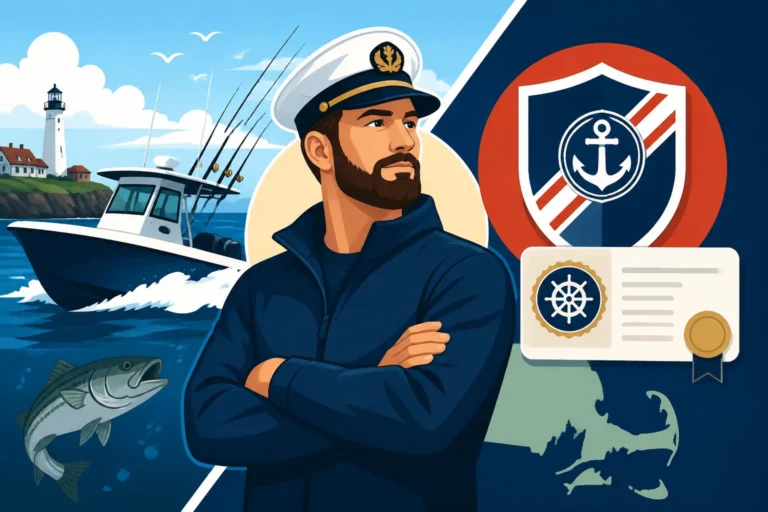
Embarking on a deep sea fishing adventure off the Massachusetts coast is a dream for many anglers, but the sheer scale of the ocean and the logistics involved can feel incredibly daunting. You might be wondering where to even begin, what kind of fish you can realistically hope to catch, or if it's truly worth the investment. This comprehensive guide is here to demystify Massachusetts deep sea fishing charters, walking you through everything from understanding different trip types to preparing for an unforgettable day on the open water, helping you plan your perfect offshore expedition with confidence.
What Exactly is Deep Sea Fishing in Massachusetts?
When we talk about deep sea fishing in Massachusetts, we're not just talking about casting a line from a local pier or even cruising a few miles offshore for striped bass. This is about venturing significantly further out, often many miles from shore, into deeper, more open ocean waters. It's a completely different ballgame, targeting larger, more powerful species that thrive in these expansive environments.
Beyond the Shoreline: Defining Deep Sea
Deep sea fishing typically means heading out into waters that are at least 30 to 50 miles from the coastline, and sometimes much, much further – think about heading towards the edge of the continental shelf or even into true offshore canyons. These are areas where the ocean floor drops off dramatically, creating incredibly rich ecosystems. You're leaving behind the calm, protected bays and inlets and heading into the vast expanse of the Atlantic, where the weather can change quickly and the waves can be substantial. It's an environment that demands a robust vessel, experienced crew, and specialized gear designed for big fish and big water. The journey itself is often part of the adventure, offering breathtaking views of the coastline receding into the distance and the profound feeling of being truly out at sea.
Targeting the Giants: Common Deep Sea Species
The fish you'll encounter on a deep sea trip are often the apex predators of the ocean. These aren't your typical freshwater panfish or even your inshore striped bass, though bass are certainly part of the coastal fishery. We're talking about pelagic species that roam vast distances, like powerful tuna or formidable sharks, as well as the robust groundfish that inhabit the deeper reefs and wrecks. The allure of deep sea fishing is often the chance to hook into something truly massive, a fish that will test your strength, endurance, and angling skill like never before. The sheer size and fighting power of these creatures is what draws so many anglers to the deep.
Distinguishing from Inshore and Party Boat Trips
It's crucial to understand that a deep sea charter is distinct from other fishing experiences you might find in Massachusetts. An inshore charter, for example, might target Massachusetts Striped Bass Charters in bays, estuaries, or close-to-shore reefs. These trips are typically shorter, less expensive, and often more family-friendly due to calmer waters. While incredibly fun, they don't offer the same species or offshore challenge.
Then there are party boats, also known as head boats, which are larger vessels that take many anglers out at once for a per-person fee. While some party boats venture further out for groundfish, they operate on a different model. Massachusetts Party Boat and Head Boat Fishing often involves less personalized attention and a focus on getting as many fish in the cooler as possible, whereas a dedicated deep sea charter is usually a private booking, offering a more bespoke and species-focused experience. The type of boat, the gear, the cost, and the target species all differentiate true deep sea charters from their inshore and party boat counterparts.
Navigating the Waters: Top Deep Sea Fishing Grounds Off Massachusetts
Massachusetts boasts some truly incredible deep sea fishing grounds, each with its own character and target species. From the bustling waters off Cape Cod to the vast expanses of the offshore banks, knowing where to focus your efforts is key to a successful trip. The captains who run these charters are intimately familiar with these areas, having spent countless hours tracking fish movements and understanding the subtle cues of the ocean.
Cape Cod and the Islands: Tuna, Sharks, and More
The waters surrounding Cape Cod, Martha's Vineyard, and Nantucket are legendary for their deep sea opportunities. This region serves as a gateway to the open Atlantic and is a prime hunting ground for some of the most sought-after big game species. For example, the waters east of Chatham and south of Nantucket are prime spots for tuna. The edge of the continental shelf, often referred to as "the canyons," attracts incredible pelagic action.
Anglers here regularly target bluefin tuna, especially during their migratory periods. But it’s not just about the bluefin; these areas also teem with sharks, including formidable mako sharks, thresher sharks, and plentiful blue sharks, offering a different kind of fight. The underwater geography here, with its shoals, rips, and abrupt depth changes, creates nutrient-rich upwellings that concentrate baitfish, in turn drawing in the larger predators. Many charters operating out of towns like Falmouth, Harwich, or Chatham will focus on these rich fishing grounds.
North Shore and Offshore Banks: A Rich Tapestry of Fish
Further north, off the Massachusetts North Shore and stretching towards Stellwagen Bank and Georges Bank, you'll find different but equally productive deep sea fisheries. Stellwagen Bank, a federally protected marine sanctuary, is a famous whale watching spot, but beneath the surface, it's a vibrant ecosystem that attracts a variety of groundfish and pelagic species. Charters departing from Gloucester, Rockport, or even Boston often head to these banks.
Here, the focus might shift to deep-sea groundfish like cod, haddock, and pollock, which inhabit the cooler, deeper waters. While these aren't the high-octane fights of a bluefin, landing a limit of tasty groundfish is incredibly rewarding. Further offshore, Georges Bank is an even larger, more distant fishing ground, renowned historically for its immense fish populations. While it's a longer steam, the potential rewards for tuna and other pelagics can be significant, making it a destination for truly dedicated offshore expeditions. Best Fishing Spots in Massachusetts can give you a broader overview of the state's fishing diversity.
Understanding Water Depths and Structures
Successful deep sea fishing relies heavily on understanding the underwater topography. It's not just about being "out there;" it's about being in the right "out there." Deep sea charters utilize sophisticated electronics, including high-end sonar and GPS, to locate specific structures like wrecks, rock piles, ledges, and temperature breaks. These features create eddies and upwellings that concentrate baitfish, which in turn attract the larger predatory species.
For instance, tuna often follow temperature breaks or congregate around submerged canyons where food sources are abundant. Groundfish, as their name suggests, stick close to the ocean floor, hiding in rocky structures or around shipwrecks. A good captain uses a lifetime of experience and cutting-edge technology to read these underwater cues, putting you directly on top of the fish. This strategic understanding of the ocean's depths and structures is a huge part of what you're paying for with a reputable deep sea charter.
The Thrill of the Catch: Prime Deep Sea Species and Their Seasons
One of the biggest excitements of deep sea fishing is the sheer variety and power of the fish you might encounter. Massachusetts is famous for several hard-fighting, large species that draw anglers from all over. Each species has its peak season, and understanding these can help you plan the most effective trip.
Battling Bluefin Tuna: The Ultimate Offshore Prize
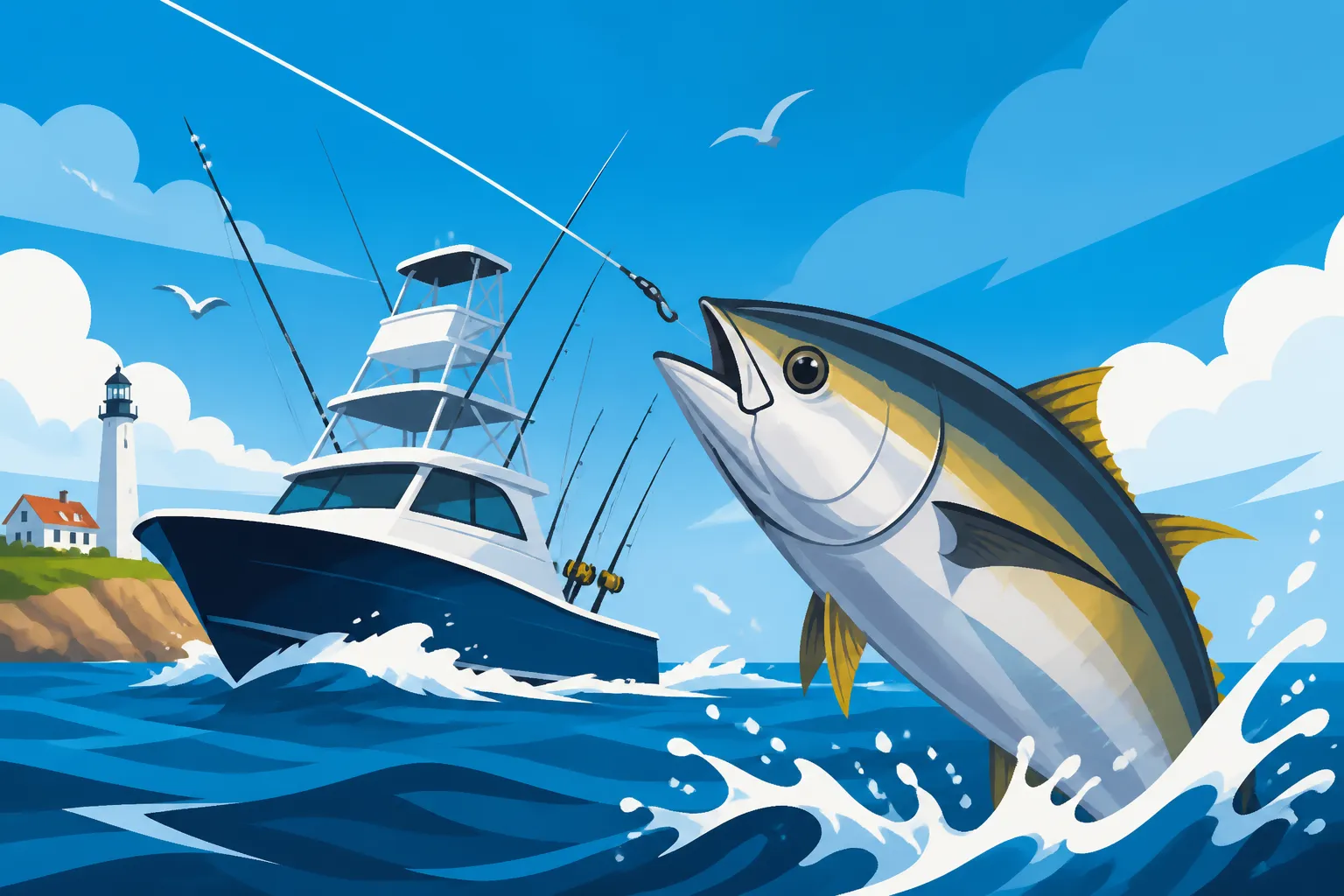
For many, the bluefin tuna is the undisputed king of Massachusetts deep sea fishing. These magnificent fish are pure muscle, renowned for their incredible speed and stamina. Hooking into a bluefin can be an hours-long battle, testing an angler's resolve like no other fish. Bluefin Tuna Fishing off Massachusetts is a world-class experience. While they are present in Massachusetts waters from late spring through late fall, the peak season for targeting bluefin typically runs from July through October.
During these months, large schools of bluefin migrate through the waters off Cape Cod and the Outer Cape, feeding on mackerel, herring, and other baitfish. Charters employ various techniques, including trolling with large lures or natural baits, jigging, and chunking (drifting with cut bait). The regulations around bluefin tuna are strict, with size and bag limits varying by year and permit type, so always defer to your captain for current rules. Landing a giant bluefin is the stuff of legends, a testament to both the fish's power and the angler's perseverance.
Chasing Sharks: Mako, Thresher, and Blue Sharks
If you're looking for a different kind of thrill, Massachusetts waters offer excellent shark fishing opportunities. Mako sharks, famous for their incredible leaps and aggressive fights, are a top target. Thresher sharks, recognized by their elongated tail fin, provide a powerful, drag-screaming battle. Blue sharks, while often smaller, are plentiful and offer consistent action, making them a great option for a deep sea shark trip, especially for those new to shark fishing.
The best time for shark fishing usually aligns with the warmer summer months, from late June through September, when these pelagic predators are actively feeding in the offshore waters. Shark fishing typically involves drifting with chum slicks to attract the fish to the boat. The gear is heavy-duty, designed to handle immense power and sharp teeth. Catch and release is common for many shark species, ensuring their conservation, though some species, like mako, may be retained under strict regulations. Always consult your charter captain about current rules.
Deep-Dwelling Groundfish: Cod, Haddock, and Pollack
Beyond the adrenaline of tuna and shark, Massachusetts also offers fantastic opportunities for deep-sea groundfish. Species like Atlantic cod, haddock, and pollock are delicious table fare and provide a steady, enjoyable fishing experience, often with high catch rates. While not as flashy as a tuna, a good day of bottom fishing can result in a cooler full of fresh fillets.
Groundfish can be targeted throughout the year, but specific seasons might offer better opportunities depending on migratory patterns and regulations. Generally, late spring through fall are productive, but many charters run winter cod trips as well. Fishing for groundfish usually involves dropping baited rigs or jigs to the ocean floor, sometimes in hundreds of feet of water, and waiting for the tell-tale bite. These trips can be less physically demanding than battling a tuna, making them a great choice for families or those looking for a more relaxed offshore experience. However, there are still Massachusetts Recreational Fishing Rules and Bag Limits to be aware of for all species.
Picking Your Perfect Vessel: Types of Deep Sea Charters
Choosing the right type of deep sea fishing charter is crucial for tailoring your experience to your expectations, budget, and group size. Massachusetts offers a range of options, from highly personalized private boats to more communal trips, and understanding the differences will help you make the best decision.
Private Charters: Tailored Experiences for Serious Anglers
Private deep sea charters are the most popular choice for dedicated anglers and groups seeking a customized fishing adventure. When you book a private charter, you're reserving the entire boat and crew for your party, typically up to 6 passengers. This means you have direct input on the target species, fishing methods, and even the pace of the day. Want to spend all day chasing giants for Massachusetts Bluefin Tuna Charters? You can. Prefer to mix it up with some shark fishing in the morning and bottom fishing in the afternoon? That's an option too.
The advantages are clear: personalized attention from the captain and first mate, the ability to fish exactly how and where you want, and an exclusive experience for your group. The crew can dedicate their time to teaching specific techniques, rigging lines, and catering to your group's needs. While these trips are generally more expensive on a per-person basis than party boats, the intimacy and flexibility often make them worth the investment for a truly memorable deep sea outing. Many captains run their businesses through platforms like FishingBooker, making it easy to browse options and read reviews.
Party Boats Head Boats: Budget-Friendly Group Adventures
For anglers on a tighter budget, or those looking for a social fishing experience without the commitment of a private charter, party boats (or head boats) are an excellent alternative. These larger vessels accommodate many anglers, sometimes dozens, and you pay for your spot individually. Massachusetts Party Boat and Head Boat Fishing typically focuses on more accessible species, often groundfish like cod, haddock, and pollock, but some also run longer trips for deeper water species or even tuna, depending on the season and location.
While you won't get the same level of personalized instruction as on a private charter, party boats provide all the necessary gear, bait, and often have a helpful crew to assist with rigging and landing fish. They are a fantastic way to experience offshore fishing without the full expense of a private booking and are often very family-friendly. It’s a great way to meet other anglers, share stories, and simply enjoy being out on the ocean. However, be prepared for a more crowded deck and less flexibility in terms of where you fish or what species you target.
Specialty Charters: Dedicated Tuna, Shark, or Bottom Fishing Trips
Beyond the general private or party boat options, many Massachusetts charters specialize in particular types of deep sea fishing. This could mean a boat specifically rigged for giant bluefin tuna, equipped with heavy stand-up gear and a fighting chair, or a vessel designed for deep dropping for swordfish or tilefish in the canyons. Other charters might focus exclusively on shark fishing, carrying specialized chumming equipment and a strong focus on catch and release.
These specialty charters are perfect if you have a very specific angling goal in mind. The captains and crews on these boats are experts in their chosen niche, possessing an unparalleled understanding of the target species' behavior, migration patterns, and the most effective techniques to catch them. For instance, a dedicated tuna charter captain might spend days tracking baitfish movements and water temperatures to put you on the best bite, dramatically increasing your chances of success. When browsing options on sites like FishingBooker, you can often filter by target species to find these specialized experiences.
Breaking Down the Investment: Understanding Deep Sea Charter Costs
Let's be realistic: deep sea fishing charters in Massachusetts are an investment, and often a significant one. It's not a cheap day out, but the experience and the potential rewards can be priceless. Understanding the factors that influence the price will help you budget and find a trip that fits your financial comfort zone.
Factors Influencing Charter Pricing
The cost of a deep sea fishing charter can vary widely, often ranging from hundreds to several thousands of dollars for a private trip. Several key factors contribute to this:
- Trip Length: A half-day (4-5 hours) trip will naturally be less expensive than a full-day (8-10 hours) or extended multi-day offshore expedition. Deep sea trips typically require longer travel times to reach fishing grounds, so full-day trips are more common.
- Target Species: Trips targeting highly sought-after, harder-to-catch species like giant bluefin tuna or swordfish will almost always be at the higher end of the price spectrum. These require specialized heavy tackle, more fuel for longer runs, and captains with specific expertise. In contrast, a bottom fishing trip for groundfish is usually more affordable.
- Boat Size and Amenities: Larger, more luxurious vessels with amenities like air-conditioned cabins, full galleys, and multiple heads (bathrooms) will command higher prices than smaller, more basic boats.
- Fuel Costs: Fuel is a major expense for any offshore operation. The further you go, and the more powerful the engines, the higher the fuel burn, which gets passed on in the charter price. This is why multi-day canyon trips are especially costly.
- Crew Experience: Highly experienced, reputable captains and crews who consistently put clients on fish often charge a premium for their expertise and track record.
- Seasonality: Peak fishing seasons for popular species might see slightly higher demand and pricing compared to shoulder seasons.
For a general overview of expenses, check out Massachusetts Fishing Charter Costs.
What's Typically Included (and What's Not)
Most reputable deep sea charters in Massachusetts are quite inclusive, but it's always wise to confirm before booking. Here's a general breakdown:
What's Usually Included:
- Boat and Crew: The vessel itself, along with a licensed captain and often one or more mates.
- Fishing Gear: Rods, reels, tackle, and terminal gear appropriate for the target species. This can be very expensive specialized equipment.
- Bait: Live bait, fresh dead bait, or artificial lures as needed for the trip.
- Safety Equipment: Life jackets, first-aid, navigation equipment, EPIRB, etc., all up to Coast Guard standards.
- Fuel: Included in the overall price.
- Fish Cleaning: Many charters will clean and fillet your catch at the end of the day, though some may charge a small additional fee or expect a larger tip for this service.
What's Usually NOT Included (and you should plan for):
- Fishing Licenses: While some charter boats have a blanket permit for passengers, most deep sea anglers will need their own Massachusetts Saltwater Recreational Fishing Permit Explained. Always confirm with your charter beforehand.
- Food and Drink: Bring your own snacks, sandwiches, and beverages. Alcohol is often permitted, but check the boat's policy first.
- Gratuity for Crew: Tipping the mate and captain is customary and highly encouraged for good service. This is a significant part of the crew's income. Read Massachusetts Charter Boat Tipping Etiquette for more details.
- Sunscreen, Hat, Sunglasses: Essential personal items.
- Cooler for Your Catch: You'll need a cooler to take your filleted fish home.
- Seasickness Medication: If you're prone to it, bring your own remedies.
Tips for Budgeting Your Offshore Adventure
Since deep sea charters can be pricey, here are a few tips to make it more manageable:
- Go with a Group: The cost of a private charter is usually for the boat, not per person. Dividing the cost among friends or family (up to the boat's capacity, often 6 passengers) dramatically reduces the individual expense. This is where a platform like FishingBooker can help, as it clearly lists boat capacity and pricing.
- Consider a Party Boat: If a private charter is out of reach, a party boat offers a taste of offshore fishing at a fraction of the cost.
- Book in Advance: Especially for peak season and popular captains, booking well ahead ensures you get your preferred date and avoids last-minute higher prices or limited availability.
- Factor in All Costs: Remember to budget for tips, food, drinks, license, and any personal items. Don't let hidden costs surprise you.
- Off-Season Deals: Sometimes, charters might offer slightly reduced rates during the shoulder seasons (e.g., late spring or late fall) when fishing can still be excellent, but demand is a little lower.
| Trip Type | Typical Duration | Cost Structure | Ideal For | Primary Target Species (Example) |
|---|---|---|---|---|
| Private Half-Day | 4-5 hours | Flat rate for boat | Quick trips, close offshore, small groups | Striped Bass, Bluefish |
| Private Full-Day | 8-10 hours | Flat rate for boat | Dedicated anglers, deep sea species | Tuna, Sharks, Cod, Haddock |
| Private Extended Day | 10-12+ hours | Higher flat rate for boat | Serious tuna/shark hunters, canyons | Giant Bluefin, Mako, Swordfish |
| Party Boat (Head Boat) | 4-8 hours | Per person | Budget-conscious, social, families | Cod, Haddock, Flounder |
| Specialty Tuna Charter | 8-12+ hours | Highest flat rate for boat | Bluefin tuna fanatics | Bluefin Tuna |
Gear Up: Preparing for Your Deep Sea Excursion
Before you step foot on that charter boat, a little preparation can go a long way in ensuring your comfort and enjoyment. From what to wear to what to bring in your bag, thinking ahead prevents those common frustrations that can dampen an otherwise fantastic day.
Essential Personal Items to Bring Aboard
The ocean environment can be unpredictable, so dressing in layers and bringing a few key items is smart. Even on a warm summer day, the wind offshore can create a significant chill, and spray from the waves can leave you damp.
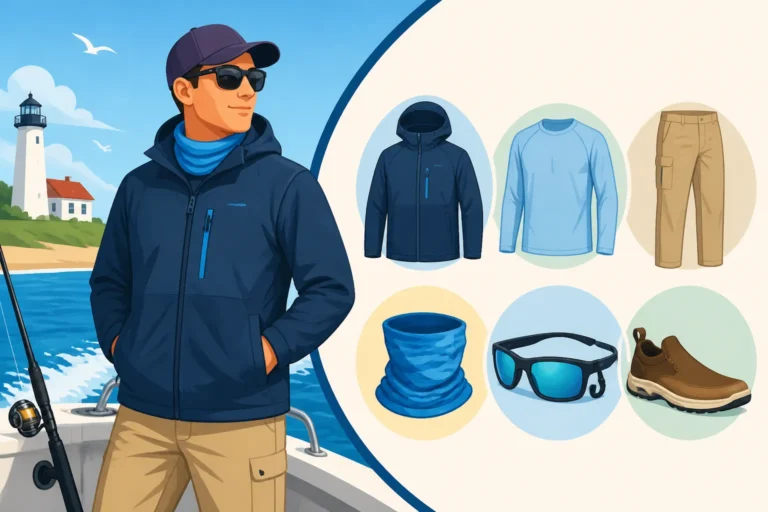
- Layered Clothing: Start with a moisture-wicking base layer, add a fleece or sweatshirt, and top with a waterproof and windproof jacket. Even if it looks sunny, pack rain gear – the weather can change quickly.
- Sun Protection: This is non-negotiable. Bring high SPF sunscreen (waterproof is best), a wide-brimmed hat, and polarized sunglasses. The sun's glare off the water is intense and can lead to severe sunburn and eye strain.
- Comfortable, Non-Slip Shoes: Boat decks can be wet and slippery. Closed-toe, non-marking shoes with good grip (like deck shoes or sneakers) are essential for safety. Leave the flip-flops at home.
- Food and Drink: Pack plenty of water, soft drinks, and snacks. A sandwich or two will hit the spot during a long day. Avoid overly greasy foods that might upset your stomach.
- Cooler (for your catch): While the boat might have coolers for drinks, you'll need your own large cooler in your vehicle to transport your filleted fish home.
- Camera: You'll want to capture those trophy shots and scenic views. Make sure it's waterproof or in a protective case.
- Small Bag: A dry bag or backpack to keep your personal items organized and dry.
- You can find a more extensive list in What to Bring on a Massachusetts Fishing Charter.
Conquering Seasickness: Prevention and Remedies
Seasickness is a real buzzkill, and it can affect even seasoned anglers. Don't let the fear of it keep you from enjoying an offshore trip! Many effective preventative measures and remedies are available.
- Over-the-Counter Medications: Dramamine, Bonine, or ginger-based remedies work for many. It's crucial to take these before you get on the boat, often an hour or two in advance, to allow them to take effect. Waiting until you feel sick is usually too late.
- Natural Remedies: Ginger in various forms (ginger chews, ginger ale, crystallized ginger) is a popular natural option. Acupressure wristbands (Sea-Bands) can also provide relief for some individuals.
- Stay Hydrated and Eat Lightly: Avoid heavy, greasy meals and excessive alcohol the night before and the morning of your trip. Stick to bland, easy-to-digest foods. Dehydration can exacerbate seasickness.
- Focus on the Horizon: Once on the boat, try to stay on deck in the fresh air and keep your eyes fixed on the distant horizon. This helps your brain reconcile conflicting signals from your inner ear and eyes. Avoid reading or looking down at your phone for extended periods.
- Talk to Your Doctor: If you're particularly prone to seasickness, your doctor might be able to prescribe stronger medication.
- Many captains will tell you that the best remedy is often simply to keep fishing – sometimes the excitement of a bite can make you forget your queasiness!
Licenses and Regulations: What Every Angler Needs
Understanding the licensing requirements and regulations is paramount before heading out on a deep sea fishing charter. Ignorance of the law is not an excuse, and violating regulations can result in hefty fines.
- Massachusetts Saltwater Fishing Permit: In Massachusetts, recreational saltwater anglers 16 years of age and older generally need a Massachusetts Saltwater Recreational Fishing Permit. It's inexpensive and relatively easy to obtain online through the MassFishHunt system. While some charter boats operate under a federal permit that covers all their passengers, it's always best practice to confirm with your captain and, if in doubt, obtain your own. For specifics, see Massachusetts Saltwater Recreational Fishing Permit Explained.
- Federal Permits (for Tuna, Shark, etc.): For highly regulated species like bluefin tuna or certain sharks, the vessel (the charter boat) itself must possess specific federal permits. You, as a passenger, do not typically need these federal permits, but the captain absolutely does. Ensure your chosen charter is legally permitted for the species you intend to target.
- Bag Limits and Size Restrictions: Each species has specific Massachusetts Recreational Fishing Rules and Bag Limits regarding the number of fish you can keep (bag limit) and their minimum or maximum size (slot limits). These regulations can change annually, sometimes even mid-season, to manage fish stocks. Your charter captain will be fully aware of the current rules and will ensure compliance. It is your responsibility to follow their guidance regarding what fish can be kept.
- Catch and Release: Many deep sea charters practice catch and release for certain species, especially for larger specimens or those with strict conservation limits, or even all sharks. Be prepared for this, and respect the captain's decision to release a fish.
Onboard Etiquette and Safety: Making the Most of Your Trip
A deep sea fishing charter is a shared experience, even on a private boat, and observing proper etiquette and understanding safety protocols ensures a smooth, enjoyable, and safe day for everyone onboard.
Working with Your Captain and Crew
The captain and first mate are your guides, your teachers, and your safety officers for the day. A good relationship with them makes all the difference.
- Listen Attentively: Pay close attention to the captain's pre-trip briefing and any instructions given throughout the day, especially regarding safety equipment, fishing techniques, and what to do when a fish is on the line.
- Respect Their Expertise: These professionals spend hundreds of days a year on the water. They know the currents, the fish, and the boat better than anyone. Trust their judgment, even if it means moving spots or changing tactics.
- Communicate Clearly: If you feel seasick, need assistance, or have a question, communicate clearly and calmly. Don't suffer in silence.
- Be Patient: Fishing is called "fishing," not "catching," for a reason. There will be downtime. Enjoy the scenery, the company, and the anticipation.
- Tip Generously: As mentioned, tipping is a significant part of the crew's income and is a direct reflection of your appreciation for their hard work, knowledge, and service. A standard tip for the mate is 15-20% of the trip's cost, often split with the captain. This is especially true if they are helping you constantly, cleaning fish, and providing excellent service. Massachusetts Charter Boat Tipping Etiquette provides more detail.
Fish Handling and Conservation Best Practices
Responsible angling is vital for the long-term health of our fisheries. Your charter crew will demonstrate proper techniques, but it's good to be aware.
- Respect the Fish: Whether you're keeping it or releasing it, handle fish with care. If releasing, minimize its time out of the water, support its body weight, and revive it gently.
- Know Your Limits: Adhere strictly to size and bag limits. Your captain will guide you. Don't pressure the crew to keep undersized fish or go over limits.
- Culling and Keeping: If the regulations allow for culling (releasing smaller legal fish to keep larger ones), listen to the crew's advice on when and how to do it efficiently.
- No High-Grading: This refers to illegally discarding legal fish to replace them with bigger ones later. It's unlawful and unethical.
- Minimize Waste: If you keep fish, make sure you plan to eat it. Freezing excess fish properly can allow you to enjoy your catch for months.
Safety First: What to Know Before You Go
Safety is the absolute top priority on any deep sea charter. Accidents can happen quickly on the water, so being prepared and aware is crucial.
- Safety Briefing: Always listen to the captain's safety briefing at the start of the trip. This covers important information about life jackets, emergency procedures, and boat layout.
- Stay Aware of Your Surroundings: The boat is a dynamic environment. Be mindful of moving lines, swinging rods, and other anglers. Never step over a fishing line.
- Hold On: When the boat is underway, especially in choppy seas, always maintain three points of contact (two hands and a foot, or two feet and a hand) to prevent falls.
- Emergency Equipment: Know where the life jackets, first-aid kit, and throwable flotation devices are located. Your captain will point these out.
- Hydration: Drink plenty of water throughout the day to prevent dehydration, which can lead to fatigue and impair judgment.
- Alcohol in Moderation: While many charters allow alcohol, consume it responsibly. Impaired judgment is a significant safety risk on a boat.
- Communication: Inform the captain or crew immediately if you notice any unsafe conditions or if someone is in distress.
Deep sea fishing in Massachusetts offers an incredible range of experiences, from the heart-pounding challenge of a bluefin tuna to the steady rewards of bottom fishing. By understanding the types of trips available, preparing adequately, and respecting the ocean and its resources, you’re well on your way to an unforgettable adventure.
Disclaimer
This article is for general informational purposes only and does not constitute professional advice. Laws, prices and regulations vary by location and change over time. Consult a qualified professional for guidance on your specific situation.