Half-Day vs Full-Day Cape Cod Charters
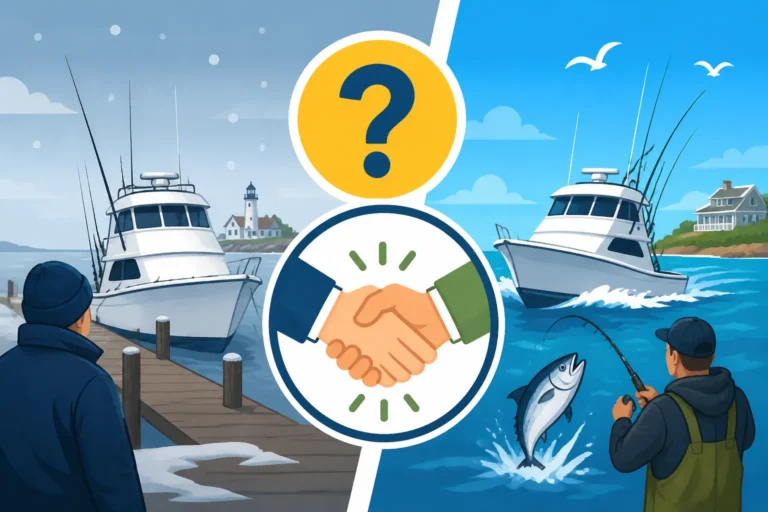
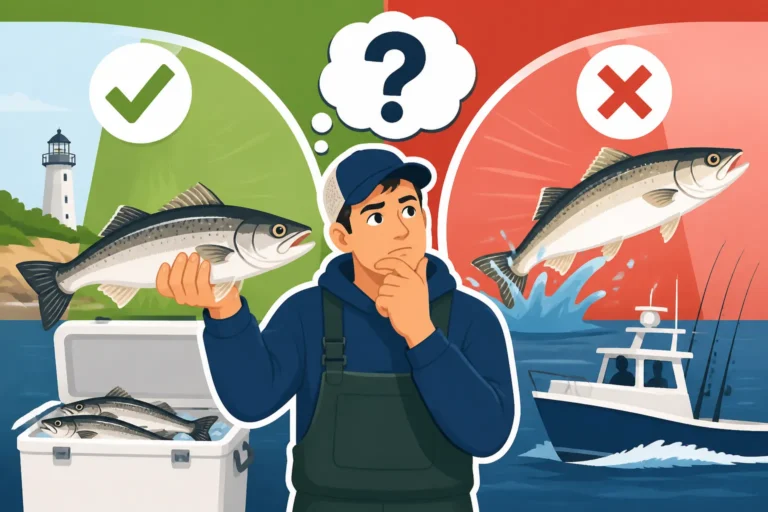
Deciding between a half-day and a full-day fishing charter on Cape Cod can feel like a genuine predicament. You're trying to balance your budget, your precious vacation time, and that burning desire to land a trophy fish. It’s easy to get overwhelmed by the options and wonder if you're making the right call, especially when every minute on the water feels valuable. This guide will meticulously break down the differences, pros, and cons of both half-day and full-day charters, helping you confidently choose the perfect Cape Cod fishing adventure for your needs.
Understanding Half-Day Cape Cod Charters: The Quick Hit
Half-day charters are often the go-to for many anglers visiting the Cape, and for good reason. They offer a taste of the amazing fishing without committing an entire day or a substantial chunk of your vacation budget. These trips typically last around four hours, offering a concentrated burst of action closer to shore.
What a Half-Day Charter Typically Offers
When you book a half-day charter out of a Cape Cod harbor like Barnstable, Falmouth, or Hyannis, you're generally looking at trips that focus on nearby fishing grounds. This usually means targeting species that are abundant in shallower waters or just a short steam from the dock. Your captain will likely head to local reefs, rips, or known inshore hotspots where fish are actively feeding. The emphasis is on efficiency – getting lines in the water quickly and maximizing fishing time rather than extensive travel. It's an excellent way to experience the thrill of the catch without a huge time commitment.
You can often expect to be trolling, casting, or bottom fishing, depending on the captain's strategy and the current conditions. The pace can be quite brisk, as the clock is always ticking. Captains on half-day trips are masters at finding productive spots close to port to ensure their clients have the best chance at a quick bite. These shorter trips also mean less exposure to potentially rough seas, which can be a relief for those prone to seasickness.
Ideal Anglers for Half-Day Trips
Half-day charters truly shine for several types of anglers. They're absolutely perfect for families with younger children, or even teenagers, whose attention spans might not stretch for a full eight hours on the open water. The shorter duration keeps everyone engaged and minimizes the risk of boredom or fatigue. If you're new to saltwater fishing or charter trips in general, a half-day can be a fantastic, low-pressure introduction, allowing you to get your sea legs and learn some basic techniques without feeling overwhelmed.
Similarly, if your Cape Cod vacation is packed with other activities – perhaps exploring beaches, visiting lighthouses, or enjoying local seafood restaurants – a half-day trip lets you slot in a fantastic fishing experience without sacrificing an entire day. It’s also a smart choice for budget-conscious groups, as the overall cost tends to be more approachable than a full-day excursion. Think of it as a concentrated dose of fishing fun, fitting neatly into a busy schedule. You might even find some great options by browsing specific listings on platforms like FishingBooker, which often highlight family-friendly half-day trips.
Pros and Cons of Half-Day Charters
There's a lot to love about half-day trips, but they do come with their own set of limitations.
Pros:
- Budget-Friendly: Generally, the most significant advantage is the lower price point, making it accessible to more groups and families. It allows you to get out on the water without a huge financial commitment.
- Time-Efficient: These trips are perfect for fitting into a busy vacation schedule. You get to fish for a good few hours and still have the afternoon free for other Cape Cod adventures or relaxation.
- Kid-Friendly: Shorter duration means less chance of boredom, seasickness, or fatigue for younger anglers, making it a truly enjoyable family activity. Many captains specialize in making these trips fun and engaging for kids, often focusing on more consistent, albeit smaller, catches.
- Good for Beginners: Less time on the water, often closer to shore, means a gentler introduction to charter fishing and saltwater techniques. It's a great way to test the waters, so to speak, if you're unsure about spending a whole day out.
- Less Exposure to Weather/Seasickness: With less time traveling offshore, there's a reduced chance of encountering extended periods of rough water, which can be a huge relief for those prone to motion sickness.
Cons:
- Limited Range: You're typically restricted to fishing grounds closer to port. This means fewer options for targeting a wider variety of species or exploring distant, potentially more productive, hotspots.
- Fewer Target Species: While you can still catch plenty of fish, the half-day format might limit your chances for larger, more elusive species like certain types of tuna or deepwater cod that require longer travel times. You'll likely focus on inshore species such as striped bass, bluefish, or scup.
- Less Flexibility: If the fishing is slow at the first spot, the captain has less time to move around and find another productive area. The window for experimentation is simply shorter.
- Rushed Feel: Some experienced anglers might find the pace a bit rushed, especially if they enjoy a more relaxed, exploratory approach to fishing. It's less about the journey and more about the immediate destination.
Deep Dive into Full-Day Cape Cod Charters: The Marathon Session
A full-day charter is where serious angling dreams often come to life. These trips are an immersive experience, taking you further afield and providing ample time to pursue a broader range of species, often including those legendary offshore fish.
What a Full-Day Charter Typically Offers
When you commit to a full-day charter, usually lasting around eight hours or more, you're signing up for a comprehensive fishing expedition. These trips allow the captain to travel much farther from shore, sometimes venturing miles offshore into the open Atlantic or exploring expansive stretches of Nantucket Sound or Buzzards Bay. This increased range opens up a whole new world of fishing opportunities, from chasing migratory schools of fish to plumbing deeper wrecks and reefs. You'll have more time to travel to multiple spots, adapt to changing conditions, and try different fishing techniques.
The extended duration means more time for the captain to locate prime fishing grounds, even if it means steaming for an hour or two. Once at the spot, there's ample time for sustained fishing, allowing for different tides, currents, and fish activity windows to be capitalized upon. If the bite slows down in one area, the captain has the flexibility to move to another, increasing your chances of success. You might engage in trolling, jigging, live baiting, or bottom fishing, sometimes all in the same day, depending on the target species and where you are. Cape Cod Fishing Charters Guide for Massachusetts Anglers provides more context on the types of trips available.
Ideal Anglers for Full-Day Trips
Full-day charters are generally best suited for the more seasoned or truly dedicated angler. If you've got a specific trophy fish in mind – perhaps a giant bluefin tuna, a hefty cod, or a large mahi-mahi (if conditions allow) – then a full-day trip is almost a necessity. This duration provides the time needed to reach the offshore grounds where these species reside and to patiently work the area. Anglers who enjoy the full experience of a day at sea, from the ride out to the anticipation of a big strike, will find full-day trips incredibly rewarding.
They are also great for groups of friends or experienced fishing buddies looking for a more intense and focused angling adventure. These trips allow for deeper camaraderie, more storytelling, and the shared excitement of a longer pursuit. If you're looking to maximize your chances of catching a wider variety or larger specimens, and you have the stamina and tolerance for a full day on the water, this is undoubtedly the way to go. Searching for specific full-day options on FishingBooker can help you find captains who specialize in these longer, more ambitious excursions.
Pros and Cons of Full-Day Charters
Committing to a full day of fishing certainly has its perks, but it's important to be aware of the trade-offs.
Pros:
- Greater Range and Flexibility: The biggest advantage is the ability to travel farther and explore more diverse fishing grounds. This significantly expands the range of species you can target and allows the captain to adapt to conditions by moving between multiple spots.
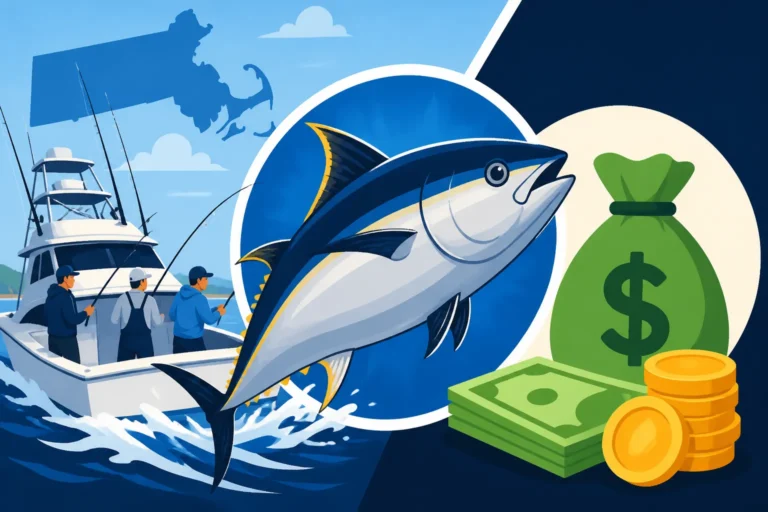
- More Diverse Target Species: With access to deeper and offshore waters, you have a much better chance of encountering highly sought-after species like bluefin tuna, shark, cod, haddock, or even mahi-mahi, depending on the season and location. Massachusetts Bluefin Tuna Charters often require this extended time.
- Increased Fishing Time: More hours on the water simply means more opportunities to get bites, try different techniques, and potentially land that fish of a lifetime. It allows for longer, more patient approaches to fishing.
- Higher Chance for Trophy Fish: Because you can reach prime habitats for larger, pelagic species, your odds of catching a bigger fish increase significantly. It's often the difference between catching schoolie stripers and finding a legitimate cow.
- Immersive Experience: For true fishing enthusiasts, a full day at sea is an adventure in itself. It's about more than just catching fish; it's about the entire journey, the vastness of the ocean, and the thrill of the chase.
Cons:
- Higher Cost: Full-day charters are a more substantial investment, as they require more fuel, crew time, and boat usage. This can be a barrier for some anglers or groups.
- Significant Time Commitment: An entire day (or more) of your vacation is dedicated to the trip. This might not suit those with limited time or other planned activities.
- More Grueling: Eight hours or more on the water can be physically demanding, especially if the seas are rough. Fatigue can set in, and the risk of seasickness increases with prolonged exposure to motion.
- Less Suitable for Young Children: The longer duration and potential for rougher conditions make full-day trips generally less ideal for very young children or those new to boating.
- Weather Dependency: While all trips are weather-dependent, a full-day trip is even more susceptible to cancellation or a less enjoyable experience if conditions deteriorate throughout the day.
Key Factors to Consider When Choosing Your Charter
Making the right choice really boils down to aligning the charter type with your personal fishing goals and practical circumstances. It’s not just about how long you want to be out there, but what you hope to get out of the experience.
Your Budget and Time Availability
Let's be realistic: budget often plays a starring role in this decision. Full-day charters naturally come with a higher price tag. This covers additional fuel, more hours for the captain and crew, and the general wear and tear on the vessel for a longer trip. If you're trying to keep costs down, a half-day trip can be an excellent way to get a quality fishing experience without breaking the bank. It allows you to still enjoy the thrill of charter fishing, perhaps leaving room in your budget for other vacation activities or a nice meal afterwards. When comparing prices, always check what's included – bait, tackle, and sometimes even filleting services are standard, but it’s always good to confirm. Many listings on platforms like FishingBooker clearly outline what's included in the price.
Time is another precious commodity, especially on a Cape Cod vacation. A half-day charter typically wraps up by lunchtime or mid-afternoon, leaving you plenty of time for beach visits, exploring charming towns like Chatham or Provincetown, or enjoying a leisurely dinner. A full-day trip, on the other hand, is an all-day commitment. You'll likely be leaving the dock early in the morning and returning in the late afternoon or early evening. If you have a packed itinerary or simply prefer not to dedicate an entire day to one activity, a half-day option fits much better. However, if fishing is the absolute highlight of your trip, and you want to soak up every moment on the water, the full-day is your best bet.
Your Target Species and Fishing Experience Level
What are you dreaming of catching? This is perhaps the most crucial question. If your heart is set on landing a massive bluefin tuna, battling a hard-fighting shark, or filling your cooler with deepwater cod and haddock, a full-day charter is almost always required. These species typically live farther offshore or in specific deepwater structures that take significant travel time to reach. Captains need ample time to get to these grounds, locate the fish, and allow for extended fighting and landing times. For popular inshore game fish like striped bass and bluefish, both half-day and full-day charters can be incredibly productive, but a full-day offers more time to pursue larger specimens or explore more varied habitats. Massachusetts Striped Bass Charters can be successful on both durations, but a full day expands options.
Your personal fishing experience level and physical stamina also come into play. If you're a novice angler or taking kids along, a half-day trip offers a more manageable introduction to saltwater fishing. It's less intimidating, less physically demanding, and reduces the chances of fatigue or seasickness dampening the experience. On the flip side, if you're an experienced angler who thrives on the challenge of a long day, battling big fish, and learning advanced techniques, a full-day charter provides the immersive experience you're likely seeking. You'll appreciate the extra time to refine your approach and truly hunt for specific species.
Group Composition and Expectations
Consider who will be joining you on this adventure. If you're planning a family outing with young children, remember their energy levels and attention spans. A half-day trip is often ideal, as it provides enough excitement without pushing them past their limits. It keeps the experience fun and positive for everyone. For a group of adult friends or seasoned anglers, a full-day trip can foster incredible camaraderie and shared memories, especially if you're all equally passionate about the pursuit of larger fish. It allows for more relaxed conversation between bites and a deeper shared experience.
It's also vital to manage expectations. A half-day trip, while often productive, might not offer the same potential for diverse catches or truly massive fish as a full-day. If everyone in your group understands and is happy with the scope of a shorter trip – focusing on fun, action, and perhaps some dinner fish – then it's a perfect choice. If, however, there's an expectation of a "trophy hunt" or a desire to explore far-flung locations, then investing in a full-day charter is the only way to avoid disappointment. Clear communication within your group and with your captain about what you hope to achieve will ensure everyone has a fantastic time, regardless of the duration.
What You Can Expect to Catch: Species and Seasons
The length of your charter directly impacts the variety and size of fish you're likely to encounter. Cape Cod offers incredible diversity, but certain fish require more time and distance.
Half-Day Targets: Inshore Abundance
On a typical half-day charter, your captain will focus on productive inshore grounds that are quickly accessible from ports like Falmouth, Hyannis, or Sesuit Harbor. This means you'll mostly be targeting species that thrive in shallower waters, around structure, or along the coastline.
- Striped Bass: Absolutely a primary target for half-day trips, especially during the peak season from late spring through early fall. Captains will often troll tube-and-worm rigs, cast livelier or soft plastics, or jig around rips, jetties, and shallow reefs where these powerful fish hunt. You're likely to encounter a good number of "schoolie" stripers, but keepers are definitely possible. How to Catch Striped Bass in Massachusetts provides great tips.
- Bluefish: These aggressive fighters are another staple of half-day charters, often found in the same areas as striped bass. They offer thrilling, toothy battles and are a blast to catch. Trolling spoons or casting poppers and metal jigs are common techniques.
- Scup (Porgy): Often found in abundance around rocky bottoms and reefs, scup are a fantastic fish for family trips. They bite readily, provide consistent action, and are delicious to eat. Bottom fishing with bait is the most common method.
- Sea Bass (Black Sea Bass): Another excellent bottom-dwelling species that can be targeted on half-day trips, especially in the warmer months. They're tasty and provide good action on light tackle.
- Fluke (Summer Flounder): Depending on the specific grounds and time of year, fluke can be caught on half-day trips, often by drifting baits or bucktail jigs over sandy bottoms. How to Catch Fluke in Massachusetts delves into techniques.
These inshore species provide consistent action and are perfect for beginners or those seeking a shorter, high-activity trip. The focus is usually on maximizing bites within the limited timeframe.
Full-Day Targets: Offshore Variety and Trophies
Stepping up to a full-day charter unlocks a much broader spectrum of possibilities, allowing you to venture to deeper waters and farther offshore. This is where you can truly diversify your catch and chase those bucket-list fish.
- Tuna (Bluefin, Yellowfin): For many, this is the ultimate full-day target. Massachusetts Bluefin Tuna Charters specifically require the extended time to steam to offshore canyons or fishing grounds south of Martha's Vineyard and Nantucket. You'll be trolling large lures, chunking, or jigging for these powerful pelagics. It's a true test of endurance and skill, and a full-day trip provides the crucial time needed.
- Cod and Haddock: These groundfish are found in deeper, cooler waters, often over rocky bottom structures or wrecks far offshore. A full-day trip allows the captain to reach these productive areas and spend ample time bottom fishing with bait or jigs. Massachusetts recreational cod fishing rules apply, but the opportunities for quantity and size increase significantly.
- Shark (Mako, Thresher, Blue): For the adventurous angler, offshore shark fishing is a thrilling full-day pursuit. These trips typically involve chumming offshore and waiting for these apex predators to show up.
- Mahi-Mahi (Dolphin): While more commonly associated with warmer southern waters, mahi-mahi can be encountered offshore of Cape Cod, particularly around floating debris or weed lines in warmer currents during late summer and early fall. They're a bonus catch for tuna or shark trips.
- Greater Striped Bass/Bluefish: While also caught on half-day trips, a full-day allows the captain to seek out larger schools or bigger specimens further from shore, often in open water rips or along bait migrations that require more travel. This is where you might find those truly impressive "cow" stripers.
- Tautog: While sometimes available inshore, larger tautog often inhabit deeper wrecks and rock piles that take longer to reach, making them a better target for a full-day excursion focused on bottom fishing. Tautog Fishing in Massachusetts can be a challenging but rewarding pursuit.
The key takeaway is that a full-day trip significantly enhances your chances of catching a wider range of species, particularly those requiring more travel, deeper water, or specialized techniques. It's truly about exploring the full potential of Cape Cod's rich marine environment.
Making the Most of Your Cape Cod Charter Experience
No matter which duration you choose, a little preparation goes a long way in ensuring your fishing charter is a memorable and successful one.
Essential Gear and What to Bring
Most reputable Cape Cod fishing charters provide all the necessary fishing gear, including rods, reels, bait, and tackle. However, there are still some personal items you'll want to bring to ensure your comfort and enjoyment throughout the trip.
First and foremost, sun protection is paramount. Even on cloudy days, the sun's reflection off the water can be intense. Pack plenty of high SPF sunscreen, a wide-brimmed hat, and polarized sunglasses to cut glare and protect your eyes. Long-sleeved, light-colored shirts and pants can also offer excellent sun protection. Second, dress in layers. Even on a warm summer day, it can be significantly cooler on the water, especially in the early morning or late afternoon. A waterproof or water-resistant jacket is a smart addition, even if rain isn't in the forecast, as sea spray can quickly make you damp.
Food and drinks are essential, particularly for full-day trips. Pack plenty of water, soft drinks, and snacks. Sandwiches, fruit, and energy bars are great choices. Most boats will have a cooler with ice to keep your items chilled, but it's good to confirm. For those prone to seasickness, consult with your doctor about medication options like Dramamine or Bonine and take it before you board the boat, as per instructions. Ginger candy or chews can also help. Lastly, bring a cooler to transport your fillets home if you plan on keeping fish. While the crew will likely bag your cleaned fish, having your own cooler filled with ice in your vehicle ensures freshness for the ride. What to Bring on a Massachusetts Fishing Charter covers these essentials in more detail.
Tipping Etiquette and Crew Appreciation
Just like in other service industries, tipping your fishing charter crew is customary and highly appreciated on Cape Cod. These hardworking individuals put in long hours, often starting well before dawn and finishing long after the boat docks, to ensure you have a safe, enjoyable, and successful trip. They rig baits, assist with casting, untangle lines, net fish, and tirelessly work to keep you comfortable and happy.
A general guideline for tipping is around 15-20% of the total charter cost. If the crew went above and beyond, if they were exceptionally patient with kids, or if they worked incredibly hard to put you on fish during a tough bite, a tip at the higher end of that range, or even a bit more, is a fantastic way to show your gratitude. It's usually best to give the tip directly to the captain, who will then share it with the mate(s). If there's only a captain, the tip goes directly to them. Remember, a good crew can make or break your trip, and a generous tip acknowledges their hard work and dedication. Is Tipping Expected on a Massachusetts Fishing Charter? further explains this important custom.
Maximizing Your Chances of Success
While there are no guarantees in fishing, you can increase your odds of a great trip. First, listen to your captain and mate. They are experts on local waters and conditions. Follow their instructions regarding bait presentation, casting techniques, and how to fight a fish. They want you to catch fish just as much as you do! Second, be prepared to be an active participant. Don't just sit back and wait for a bite. Keep an eye on your line, feel for subtle taps, and be ready to reel when instructed. If you're bottom fishing, learn to feel the bottom. If you're casting, pay attention to where the captain is instructing you to throw your lure.
Third, ask questions! If you're unsure about a technique or want to learn more about the fish you're catching, don't hesitate to ask the crew. Most captains and mates love sharing their knowledge and passion for fishing. This is a great opportunity to learn from seasoned professionals. Finally, have realistic expectations. Some days the fish bite, and some days they don't – that's just fishing! Focus on enjoying the experience, the beauty of the Cape Cod coastline, the camaraderie, and the thrill of being on the water. Every fish caught is a bonus, and every trip is an adventure.
Practicalities and Booking Your Trip
Once you've weighed the pros and cons and decided on your ideal charter duration, it's time to make it happen! Knowing a few practical aspects of booking can make the process smooth and stress-free.
Booking Platforms and Direct Contact
In today's digital age, finding and booking a Cape Cod fishing charter is easier than ever. Online platforms like FishingBooker specialize in connecting anglers with charter captains. These sites offer a wealth of information, including captain profiles, boat details, photos, availability calendars, and crucial customer reviews. They allow you to filter by location (e.g., specific Cape Cod towns), trip duration (half-day vs. full-day), target species, and even boat amenities. Using such a platform can simplify your search, allowing you to compare multiple options side-by-side and read unbiased feedback from other anglers who have fished with a particular captain.
While online platforms are convenient, some anglers prefer to contact captains directly, especially if they have specific questions or want to discuss a customized trip. Many local charter operations have their own websites or can be found through a quick online search for "Cape Cod fishing charters." Direct contact can sometimes lead to more personalized communication and potentially a better understanding of what your trip will entail. Whichever method you choose, make sure to ask about payment schedules, what exactly is included in the price, and their cancellation policy, particularly regarding bad weather.
Understanding Cancellation Policies
Cape Cod weather can be fickle, and unfortunately, even the best-laid fishing plans can be derailed by strong winds, heavy rains, or dangerous seas. Every reputable charter captain will have a clear cancellation policy, and it's absolutely crucial that you understand it before you book.
Typically, captains will make the call to cancel a trip due to unsafe weather conditions. This is for your safety and theirs, and a good captain will never risk putting clients in harm's way. If the captain cancels, you should expect a full refund or the opportunity to reschedule your trip for another date. However, if you decide to cancel for reasons other than the captain's weather call (e.g., someone in your group gets sick, or your plans change), you may be subject to a cancellation fee or forfeit your deposit, especially if you cancel within a certain timeframe (e.g., 72 hours, one week). Always clarify these terms upfront. It's also worth noting that most captains will still fish in light rain or cloudy conditions, so don't assume a little drizzle means your trip is off!
Customizing Your Trip and Communicating with Your Captain
One of the great advantages of booking a private fishing charter, whether half-day or full-day, is the potential for customization. While captains have standard trip offerings, don't hesitate to communicate your preferences and goals before the trip. If you have a specific species you're dying to catch (within reason for the duration chosen), or if you prefer a certain fishing technique, let your captain know. For example, if you're on a half-day trip but you specifically want to target bluefish rather than striped bass, express that preference. If you're going on a full-day trip and are open to targeting anything, but have a strong preference for keeping fish for dinner, mention that too.
A good captain will do their best to accommodate your requests, provided they are realistic and safe for the conditions and duration. Clear, polite communication beforehand helps the captain plan the most effective trip for your group. You can often discuss these details during the booking process or in the days leading up to your trip. Remember, the captain is the expert on the water, so while your preferences are important, also be open to their recommendations based on current fishing reports and conditions.
| Feature | Half-Day Charter (Approx. 4 hours) | Full-Day Charter (Approx. 8+ hours) |
|---|---|---|
| Typical Duration | 4-5 hours | 8-10+ hours |
| Cost Shape | Generally lower, more budget-friendly | Significantly higher, more substantial investment |
| Travel Distance | Closer to shore, short runs from port | Farther offshore, longer runs to distant grounds |
| Target Species | Inshore species: Striped Bass, Bluefish, Scup, Sea Bass, Fluke | Offshore species: Tuna, Shark, Cod, Haddock, Mahi-Mahi, larger Striped Bass |
| Ideal For | Families with kids, beginners, budget-conscious, busy schedules | Serious anglers, trophy hunters, experienced groups, immersive experience seekers |
| Pace | Fast-paced, focused on immediate action | More relaxed, ample time for multiple spots and techniques |
| Physical Demand | Less demanding, lower risk of seasickness | More demanding, higher potential for fatigue/seasickness |
| Flexibility | Limited movement between spots if fishing is slow | High flexibility, can move to multiple locations and adapt |
| Learning Curve | Great introduction to saltwater fishing | Opportunity for advanced techniques and deeper understanding |
Ultimately, the choice between a half-day and full-day Cape Cod fishing charter is a personal one, influenced by your specific goals, budget, and time. Both offer unique and memorable experiences on the stunning waters of Massachusetts. Whether you opt for a quick hit of action or an epic all-day adventure, Cape Cod fishing promises excitement and the chance to create lasting memories. Remember to check out resources like How MassFishHunt Works for Buying a Massachusetts License before you go!
Disclaimer
This article is for general informational purposes only and does not constitute professional advice. Laws, prices and regulations vary by location and change over time. Consult a qualified professional for guidance on your specific situation.