Massachusetts Bluefin Tuna Charter Cost
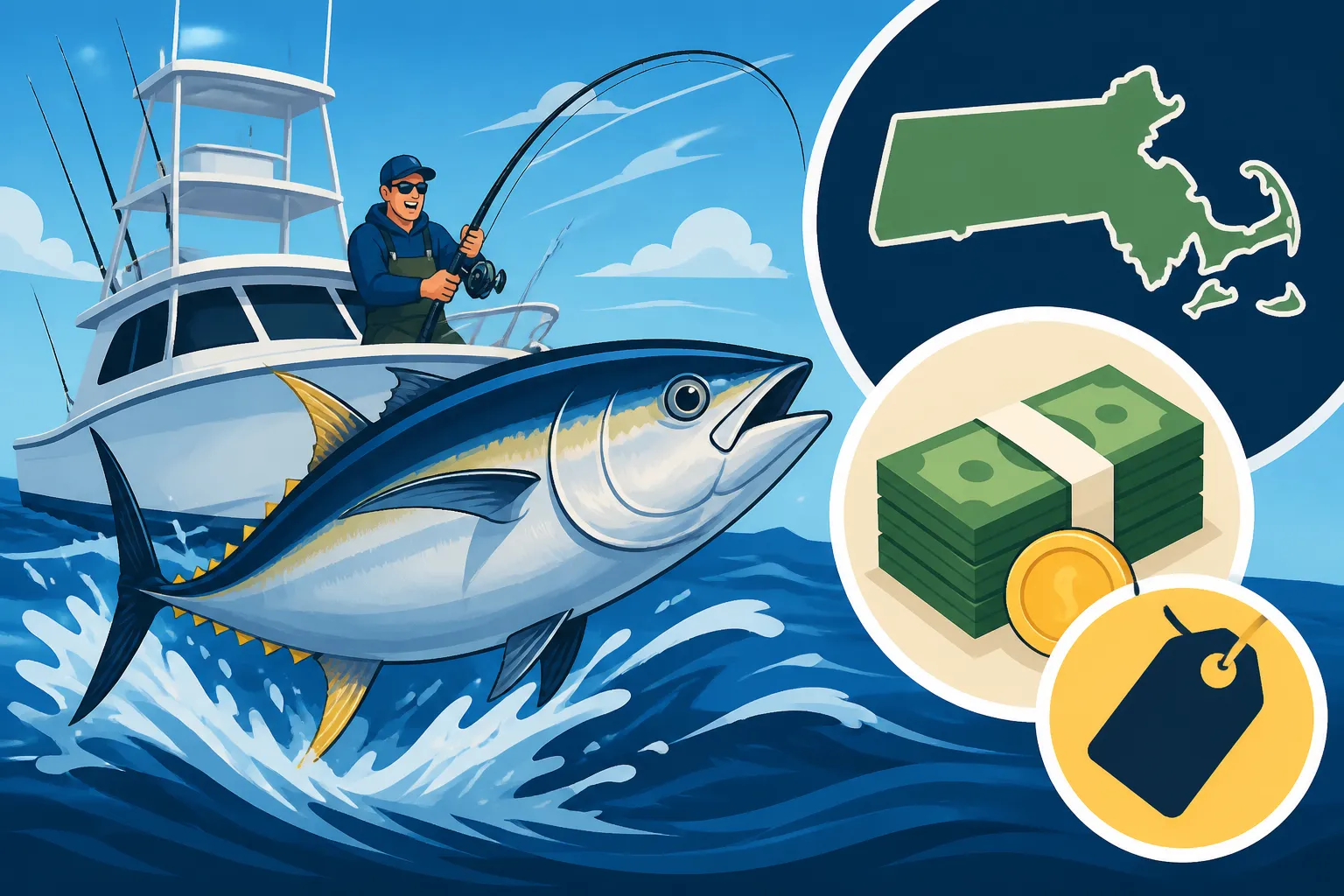
Many anglers dream of battling a giant bluefin tuna off the coast of Massachusetts, but the thought of the cost can sometimes feel as daunting as the fight itself. It's a significant investment, and it’s completely natural to wonder exactly what goes into that price tag and how to budget for such an epic adventure. This guide is here to break down the expenses, explain the driving factors behind bluefin tuna charter costs, and help you understand what to expect when planning your Massachusetts tuna fishing expedition.
Deciphering the Investment: Why Bluefin Tuna Charters Carry a Hefty Price Tag in Massachusetts
When you start looking into bluefin tuna charters in Massachusetts, you'll quickly notice that they tend to be one of the more expensive fishing experiences available. This isn't just about catching a fish; it's about the entire complex operation required to pursue one of the ocean's most powerful predators. There are very real, tangible reasons why these trips command a premium, from the incredible challenge of the fish itself to the highly specialized equipment and expertise involved.
The Allure and Challenge of Bluefin Tuna Fishing
Bluefin tuna are magnificent creatures, renowned for their incredible speed, strength, and sheer size. Hooking into one is a bucket-list experience for many anglers, a true test of will and skill. These fish aren't found just anywhere, nor are they easily fooled. They require captains and crews who deeply understand their migratory patterns, feeding habits, and the precise techniques needed to entice a strike and then successfully bring such a formidable opponent boatside. The sheer adrenaline rush and the bragging rights that come with landing a Massachusetts bluefin contribute significantly to the perceived value of the trip. It's not just a fishing trip; it's an extreme sport on the water.
Furthermore, bluefin tuna populations are highly regulated, with strict Bluefin Tuna Size Limits off Massachusetts and catch quotas in place. This conservation effort, while crucial for the species' future, can also make successful trips even more prized. Charter operations invest heavily in permits and licenses to legally target these fish, and their reputation often rests on their ability to consistently put clients on tuna, even under challenging conditions. The inherent difficulty and the limited opportunity to catch these prized fish naturally increase the demand and, subsequently, the cost associated with the pursuit.
Specialized Vessels, High-Performance Gear, and Maintenance
You can't just chase bluefin tuna in any old boat. These are offshore beasts, often found many miles out to sea in unpredictable conditions. This necessitates large, robust, and incredibly well-maintained vessels specifically designed for offshore fishing. Think powerful engines for long runs, advanced navigation and fish-finding electronics, and safety equipment that meets stringent Coast Guard regulations. These boats are major investments, both initially and in ongoing upkeep. Fuel consumption alone for a full day of tuna fishing offshore can be staggering.
Beyond the boat, the tackle required for bluefin tuna is equally specialized and expensive. We're talking heavy-duty rods and reels capable of handling hundreds of pounds of fighting fish, braided lines with extreme breaking strengths, and a vast array of lures, jigs, and baits designed to withstand the brutal power of a tuna. Breakdowns are common in this kind of fishing – reels can be spooled, rods snapped, and lines parted. Charter operators must constantly replace and maintain this high-end gear, which represents a significant operational cost. They need to ensure they have redundant systems and backup equipment to keep the trip going, even when a powerful tuna decides to test everything to its limits.
The Indispensable Value of Experienced Captains and Crews
Perhaps the most crucial, yet often overlooked, component of a bluefin tuna charter's cost is the expertise of the captain and crew. These aren't just boat drivers; they are seasoned professionals who have spent countless hours on the water studying weather patterns, ocean currents, bait movements, and, most importantly, the elusive habits of bluefin tuna. A good captain knows where to go, when to go, and how to put you on fish when others are struggling. Their knowledge of Bluefin Tuna Fishing Techniques Near Cape Cod and the nuances of the local Massachusetts waters is invaluable.
The crew works tirelessly to ensure a safe, efficient, and productive trip. From rigging baits to managing the cockpit during a chaotic bite, providing instruction, and ensuring client comfort and safety, their roles are multifaceted and demanding. These individuals are highly skilled, often holding specialized licenses, and their compensation reflects their experience and dedication. When you book a Massachusetts Bluefin Tuna Charters trip, you're not just paying for a boat; you're investing in the collective wisdom, hard work, and commitment of a professional team determined to give you the best possible chance at a successful bluefin encounter.
Key Variables That Drive Massachusetts Bluefin Tuna Charter Prices
Understanding the base reasons for the high cost is one thing, but pinpointing the specific factors that cause prices to fluctuate among different charters is another. From how long you plan to be out on the water to the amenities of the boat and even the time of year, several key variables play a significant role in determining the final price of your Massachusetts bluefin tuna charter. Being aware of these can help you better compare options and find a trip that fits your budget and expectations.
Trip Length: From Day Trips to Multi-Day Expeditions
One of the most immediate and impactful factors on charter cost is the duration of your trip. Bluefin tuna fishing in Massachusetts is rarely a "half-day" affair due to the distances involved and the time it takes to locate and pursue these nomadic fish. Most bluefin charters will be full-day trips, typically ranging from 8 to 12 hours. A standard full-day trip will naturally be the most common and accessible option, but even within this, a 10-hour trip will often cost more than an 8-hour one. The longer you're out, the more fuel is consumed, the more wear and tear on the vessel, and the more time the captain and crew are dedicated.
Some charters may offer extended full-day trips, perhaps 14 or even 16 hours, or even multi-day overnight adventures, especially during prime fishing windows or for those targeting truly giant tuna far offshore. These longer trips significantly increase the cost due to increased fuel, provisions, crew wages, and the added complexity of overnight logistics. While pricier, they can offer more fishing time, often allowing the captain to reach more distant grounds or fish through different tides and feeding windows, potentially increasing your chances of success. When browsing options on platforms like FishingBooker, pay close attention to the stated duration to compare apples to apples.
Vessel Type, Size, and Onboard Comforts
Just like cars, fishing boats come in a huge range of sizes, styles, and luxury levels, and these distinctions directly impact the charter fee. A smaller, more basic center console might be less expensive than a larger, fully equipped offshore sportfishing yacht. Larger vessels generally offer more deck space, a smoother ride in rough seas, and often more amenities like air-conditioned cabins, enclosed heads (bathrooms), galleys (kitchens), and sleeping quarters for overnight trips. These comforts are a big draw for some, especially on long runs or during less-than-ideal weather.
The type of boat also matters. A boat specifically rigged for Jigging and Popping for Bluefin Tuna might have a different setup than one focused on trolling or chunking. More advanced electronics, specialized fighting chairs, tuna tubes for live bait, and expansive fish holds all add to the vessel's capital cost and maintenance, which is passed on in the charter price. When choosing a charter, consider what level of comfort and specialization is important to you and your group. A high-end, tournament-ready vessel will always command a higher price than a more utilitarian but still effective fishing machine.
The Relentless Cost of Fuel for Offshore Adventures
This factor cannot be overstated. Bluefin tuna often reside many miles offshore, sometimes 50, 80, or even 100+ miles from the nearest port. Getting to these distant fishing grounds, and then searching for fish once there, burns an immense amount of fuel. Modern offshore boats, with their powerful engines, can consume dozens of gallons of diesel or gasoline per hour at cruising speed, and even more when running flat out. A typical full-day tuna trip can easily consume hundreds of gallons of fuel.
The volatile nature of fuel prices means this operational cost can fluctuate dramatically, directly affecting charter pricing. While some charters include fuel in their stated price, others may have a fuel surcharge or factor it in subtly. Regardless, the cost of powering a large vessel hundreds of miles offshore is a significant component of the overall fee. It's one of the main reasons why a shorter, inshore striped bass trip costs considerably less than a long-range bluefin hunt. Always clarify if fuel is an explicit separate charge or included when comparing options on Massachusetts Fishing Charter Costs.
Seasonality and Peak Fishing Times
Massachusetts bluefin tuna season typically runs from late spring through late fall, but there are definite peak windows when certain sizes of tuna are more abundant or when fishing conditions are historically ideal. For instance, the Best Month for Bluefin Tuna Charters off Massachusetts might see higher demand and slightly elevated prices. During these prime periods, known as "peak season," charters are often booked solid well in advance. High demand, coupled with excellent fishing potential, allows operators to charge their top rates.
Conversely, "shoulder season" – the very beginning or end of the tuna season – might offer slightly lower rates or more flexibility in booking. While fishing can still be fantastic, weather can be more unpredictable, and certain sizes of tuna might not be as prevalent. For instance, early season trips might target smaller "schoolie" tuna, while mid-to-late summer through fall is often when the giant tuna are most active. Many anglers will prioritize booking their Bluefin Tuna Charter Season Out of Boston, Massachusetts during the peak, accepting the higher price for what they perceive as the best chance at a trophy fish. If you're flexible with your dates, exploring shoulder season opportunities could potentially save you a bit.
A Detailed Look at What Your Bluefin Tuna Charter Cost Covers (and What It Might Not)
When you look at the price of a Massachusetts bluefin tuna charter, it's easy to just see a large number. But that number represents a package of services, equipment, and expertise. Breaking down what's typically included versus what might be an additional cost helps clarify the value and allows you to budget more accurately, avoiding any unwelcome surprises on the day of your trip. Transparency from the charter operator is key here, and reputable booking platforms often help clarify these details.
Standard Inclusions: Boat, Gear, and Basic Crew
At its core, a bluefin tuna charter fee covers the use of the fully rigged fishing vessel for the agreed-upon duration, complete with all the necessary tackle. This means you won't need to bring your own expensive rods, reels, or specialized lines – the charter provides the high-performance gear designed to land tuna. This is a huge benefit, as purchasing such equipment yourself would be an enormous expense. The captain and usually one or more mates are also included in the base price, providing their expertise, guiding the trip, rigging baits, and assisting with all aspects of the fishing experience.
Furthermore, basic safety equipment (life jackets, first aid, emergency communication) is always included, as is the boat's navigation and fish-finding electronics. Most charters will also include a supply of ice for your drinks and any fish you might be lucky enough to keep. Some charters might even include a basic assortment of baits and lures to get started. When you search for charters on a site like FishingBooker, many listings clearly outline these standard inclusions, giving you a clear picture of the baseline service you're paying for. Remember, this covers a lot of high-value items and services that would be cost-prohibitive for an individual angler to replicate.
Understanding Potential Add-Ons and Expected Gratuities
While many essentials are included, there are common add-ons and expected expenses that can increase the overall cost. Live bait, especially mackerel, pogies (menhaden), or eels, can sometimes be an additional charge. While some charters catch their own or include a basic amount, targeting bluefin often requires a substantial quantity of premium live bait, which can be expensive to procure. If you're planning a trip focused on Live-Lining Eels for Massachusetts Striped Bass, which might also apply to tuna, be sure to ask about bait costs. It's always wise to clarify the bait situation when booking.
Beyond bait, gratuity for the captain and crew is a standard expectation in the charter fishing industry. This is a significant part of the crew's income and reflects their hard work, dedication, and efforts to make your trip successful. A typical tip ranges from 15-20% of the total charter cost. This is not included in the upfront fee and should be factored into your budget. Many people ask, Is Tipping Expected on a Massachusetts Fishing Charter? The answer is almost universally yes. Always budget for this. Additionally, some charters may offer fish cleaning and processing services for an extra fee, or you might choose to hire a professional fish processor at the dock.
Navigating Booking Platforms and Payment Structures
Booking a bluefin tuna charter often involves a deposit to secure your date, with the remaining balance due on the day of the trip. The specific percentages and deadlines will vary by charter operator. Online booking platforms, such as FishingBooker, can streamline this process by providing secure payment gateways and clear terms and conditions. These platforms also offer the advantage of comparing multiple charter options, reading reviews, and often provide comprehensive details about what's included and what's extra, helping you make an informed decision.
It's also important to understand the Massachusetts Charter Fishing Cancellation Policies. What happens if weather prevents your trip? Most reputable charters will offer to reschedule or provide a full refund for weather-related cancellations initiated by the captain. However, if you cancel last minute, you might forfeit your deposit. Reading these policies carefully before committing is crucial for your financial peace of mind. Some charters may also have a small booking fee if using a third-party service, but this is usually clearly stated.
| Cost Component | Typically Included | Potential Additional Cost |
|---|---|---|
| Vessel Use | Fully equipped fishing boat for charter duration | Upgrades for specific amenities (luxury yacht rental) |
| Captain/Crew | Experienced captain and 1-2 mates | Gratuity (15-20% of charter cost is standard) |
| Fishing Gear | High-quality rods, reels, tackle, and lines | Replacing lost or broken gear due to negligence |
| Bait | Basic dead bait or small amount of live bait | Extensive live bait (eels, mackerel, pogies) |
| Licenses/Permits | Boat's necessary commercial fishing permits | Your individual Do Charter Passengers Need Their Own Saltwater Permit? (if required for species) |
| Fuel | Usually integrated into the base cost for typical runs | Fuel surcharges for extremely long runs, or if explicitly stated as extra |
| Fish Processing | Keeping your catch in cooler | Filleting, bagging, or professional processing at dock |
| Food/Drink | Ice for your cooler | All personal food, beverages, and snacks |
| Booking Fees | Direct booking | Small percentage fee from some online booking platforms |
Strategies for Planning and Budgeting Your Massachusetts Tuna Charter
Now that you have a clearer picture of what drives costs and what's usually included, let's talk strategy. Planning a bluefin tuna charter in Massachusetts is an exciting endeavor, and with a bit of foresight and smart decision-making, you can optimize your budget while still maximizing your chances of a memorable trip. It's about finding the right balance between cost and your desired experience.
Exploring Shared Charters and Group Booking Options
A private bluefin tuna charter can be a significant expense, especially if you're only a couple of anglers. One of the most effective ways to make it more affordable is to go with a larger group or explore a "shared" charter option. Many charters can accommodate up to six passengers, and splitting the cost among How many people can go on a Cape Cod charter boat makes the per-person expense much more manageable. Gather your friends, family, or fellow passionate anglers to share the adventure and the investment.
If you don't have a full group, some charter operators or booking platforms like FishingBooker facilitate "split" or "open boat" trips. On these trips, individual anglers or smaller groups book spots on a larger charter, effectively sharing the cost with other individuals they may not know. This is a fantastic way to experience bluefin tuna fishing without the full financial commitment of a private charter. You might meet some great new fishing buddies, too! Just remember that shared charters mean less control over the trip's specific focus or departure time.
Timing Your Trip: Off-Peak vs. Prime Tuna Season
As mentioned earlier, seasonality plays a role in pricing. While everyone wants to fish during the peak of tuna season when giants are plentiful, these times also coincide with the highest demand and often the highest prices. If your primary goal is the experience of bluefin tuna fishing and not necessarily a specific size class of fish or catching a trophy, consider booking during the "shoulder seasons." This might be late spring when the first schoolie tuna arrive, or late fall as the weather cools and the fish are making their way south.
Fishing during these slightly off-peak times can sometimes offer a better rate and more availability. While the fishing might require a bit more patience or target different sizes of tuna, the thrill of hooking into a powerful bluefin remains. Always discuss the fishing prospects during your chosen time with the charter captain. They can provide realistic expectations for what you might encounter in terms of fish size and abundance during a particular month.
Asking the Right Questions Before You Book
Before you commit to a charter, engage in a thorough conversation with the captain or booking agent. This is your opportunity to clarify all aspects of the trip and ensure there are no surprises regarding the final cost. Here are some essential questions to ask:
- What exactly is included in the base price? (Reiterate the table above)
- Are live baits included, or is there an additional charge?
- What are the expected gratuity guidelines for the crew? (How much to tip a charter captain is a common question, so get their recommendation).
- Are there any fuel surcharges, and how are they calculated?
- What is your cancellation policy, especially for weather?
- Will we need to purchase our own Do Charter Passengers Need Their Own Saltwater Permit? for the trip? (Often, the boat's permit covers recreational anglers, but it's good to confirm).
- What should we bring in terms of food, drinks, and personal gear? (Refer to a guide like Gear you should pack for a Massachusetts fishing charter).
- What happens with our catch? Is fish cleaning included or an extra charge?
Platforms like FishingBooker often make it easy to send inquiries directly to captains, allowing you to get these answers in writing before you book. A reputable charter will be happy to answer all your questions thoroughly, ensuring you feel confident and prepared for your adventure on the water.
Fishing for bluefin tuna in Massachusetts is an unforgettable experience, a true battle of wits and strength against one of the ocean's most incredible creatures. While the cost is an important consideration, understanding what goes into that price tag – the specialized boats, expert crews, and high-end gear – helps you appreciate the immense value you receive. By planning ahead, asking the right questions, and potentially opting for shared trips or shoulder season adventures, you can make this dream a reality.
Disclaimer
This article is for general informational purposes only and does not constitute professional advice. Laws, prices and regulations vary by location and change over time. Consult a qualified professional for guidance on your specific situation.