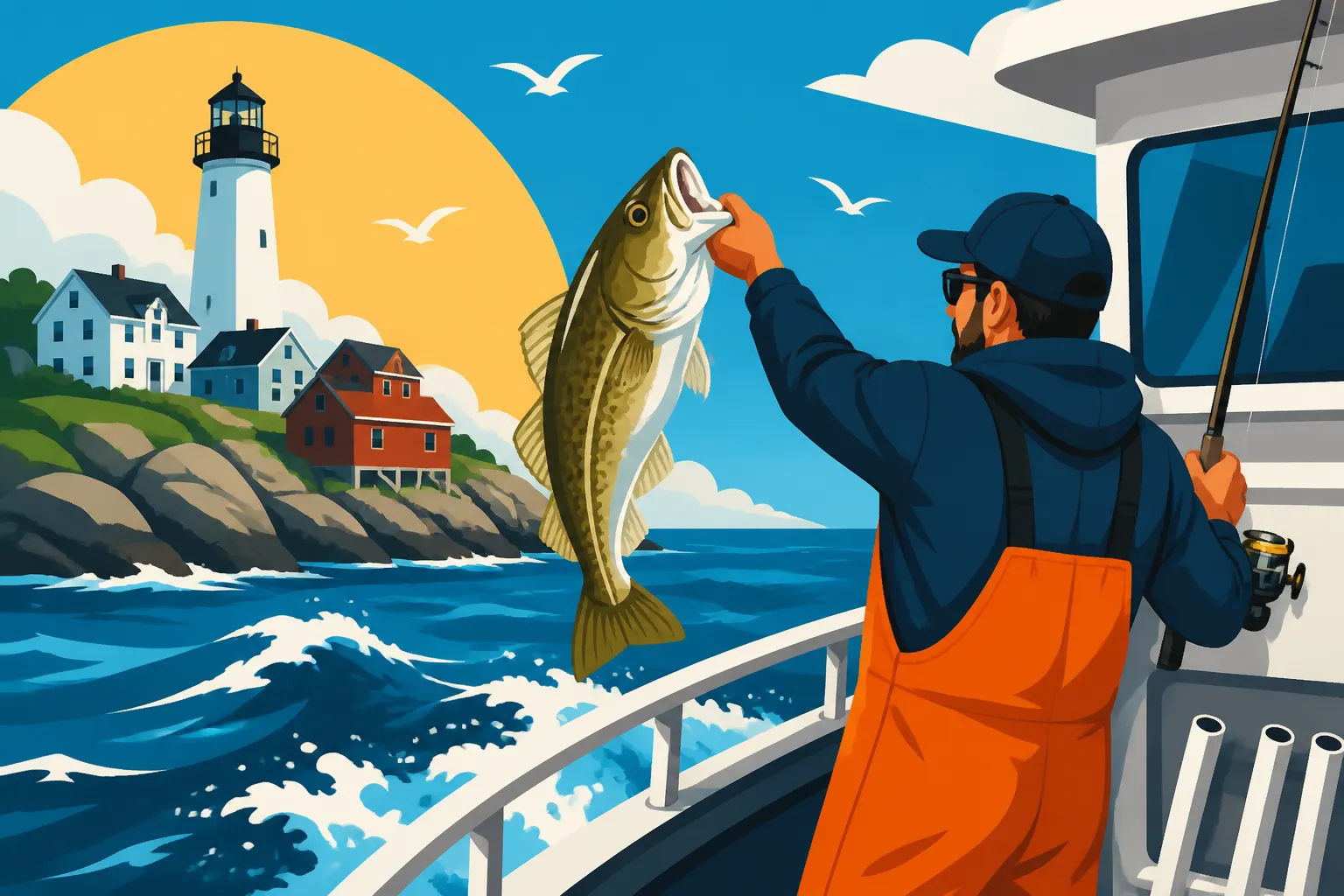
Head Boat Fishing Out of Gloucester, Massachusetts
Dreaming of hitting the rich fishing grounds off Gloucester, but finding the cost of a private charter a bit steep or perhaps you don't have a boat of your own? It's a common dilemma, and one that often leaves aspiring anglers feeling like they're on the outside looking in. This comprehensive guide is here to shed light on head boat fishing out of Gloucester, offering an accessible and incredibly fun way to experience some of the best saltwater action Massachusetts has to offer.
Understanding Head Boat Fishing: Your Accessible Ocean Adventure
Let's be honest, not everyone has the luxury of owning a boat, let alone a vessel capable of handling the Atlantic waters off Gloucester. And while private charters are fantastic, their price point can sometimes put them out of reach for a solo angler or a smaller group. This is where head boat fishing truly shines, offering a fantastic middle ground that many anglers overlook.
What Exactly is a Head Boat?
A head boat, often referred to as a "party boat," is essentially a larger fishing vessel that takes out a number of individuals, each paying for their spot on board. Instead of chartering the entire boat for your private group, you're buying a single "head" or ticket. This makes it a much more economical option for getting offshore. These boats are typically larger, more stable, and designed to accommodate anywhere from 20 to 100 or more anglers, depending on the vessel and the trip type.
Think of it like a public bus service for fishing. Everyone gets on, everyone goes to the same general destination, and everyone gets a shot at the fish. The crew is usually quite experienced, not only in navigating these waters but also in helping first-timers get their lines wet and troubleshoot any issues. It's a fantastic environment for learning and enjoying the camaraderie of fellow anglers without the pressure or expense of a private trip.
Head Boats vs. Private Charters: A Quick Comparison
The choice between a head boat and a private charter often comes down to budget, flexibility, and group size. Each has its distinct advantages, and understanding these can help you decide which is the right fit for your next Gloucester fishing adventure.
Private charters offer a highly personalized experience. You dictate the target species (within reason, depending on the season), the fishing style, and often the pace of the day. You'll typically have a dedicated captain and mate solely focused on your small group, providing individual attention and instruction. This is ideal for serious anglers targeting specific species, or for groups who want a more intimate experience. However, this level of customization and personal attention comes at a significantly higher cost, as you're covering the entire operational expense of the boat and crew for your group. You can learn more about the general costs in Massachusetts Fishing Charter Costs.
Head boats, on the other hand, are designed for efficiency and affordability. While you won't get the one-on-one attention of a private charter, the crew still works tirelessly to ensure everyone has a fair shot at catching fish. The target species and fishing grounds are predetermined by the captain based on seasonal patterns and recent reports, aiming to maximize the chances for a collective good catch. It's a more social experience, perfect for meeting new people, bringing a small family, or just enjoying a day on the water without breaking the bank. For a deeper dive into the distinctions, check out Choosing Between a Charter and a Party Boat.
| Feature | Head Boat Fishing | Private Charter Fishing |
|---|---|---|
| Cost | Generally much more affordable per person | Significantly higher, but split among your group |
| Group Size | Larger groups, individuals or small parties | Private, small group (typically 1-6 anglers) |
| Flexibility | Less flexible, fixed schedule and target fish | Highly flexible, customizable trip and targets |
| Attention | General assistance from crew, less one-on-one | Dedicated captain and mate, personalized service |
| Social Aspect | High, great for meeting other anglers | Intimate, focused on your private group |
| Target Species | Captain's choice based on season and reports | Your group's preference (within seasonal limits) |
| Experience Level | Excellent for beginners and experienced alike | Suited for all, can be tailored for novices |
Why Gloucester is a Premier Head Boat Destination
Gloucester, Massachusetts, is more than just a historic fishing port; it's a living, breathing hub of maritime tradition and abundant angling opportunities. Its strategic location on Cape Ann and access to rich fishing grounds make it an ideal launch point for head boat adventures.
A Rich Fishing Heritage and Abundant Waters
Gloucester's identity is inextricably linked to fishing. For centuries, its waters have yielded incredible catches, sustaining generations of fishermen. This deep-rooted history means the infrastructure for fishing, including well-maintained docks and experienced captains, is top-notch. When you step onto a head boat in Gloucester, you're not just going fishing; you're participating in a tradition that defines the city.
The waters surrounding Gloucester are incredibly diverse. Just a short run from the harbor, you can find a mix of rocky bottom, sandy flats, and deeper ledges, all teeming with various species. This variety of habitats means that head boats can target a wide array of fish throughout the year, keeping the experience fresh and exciting no matter when you decide to go. The proximity to these productive grounds reduces travel time, maximizing your actual fishing time on the water.
What Fish Can You Expect to Catch?
The beauty of fishing out of Gloucester on a head boat is the sheer variety of species that call these waters home. While captains will always target what's most plentiful and biting at the time, you can expect different experiences depending on the season.
During the warmer months, you're likely to encounter a fantastic mix of bottom fish and migrating species. Groundfish like haddock and cod are often the primary targets, especially when regulations allow for their recreational harvest. These species offer consistent action and are excellent table fare. As the water warms, you might also find bluefish or even striped bass making appearances, especially if the boat ventures closer to shore or into areas known for these predators. Depending on the trip type, some boats might also target species like pollock or hake. Understanding the general Massachusetts Saltwater Fishing Seasons can help set your expectations.
What to Expect on a Gloucester Head Boat Trip
Stepping onto a head boat for the first time can feel a little overwhelming, especially with so many people and lines in the water. But with a little preparation and understanding of what's ahead, you'll find it to be an incredibly enjoyable and productive experience.
Typical Trip Duration and Target Species
Most head boat trips out of Gloucester fall into either half-day (around 4-5 hours) or full-day (6-8 hours, sometimes longer for specific targets) categories. The duration often dictates how far the boat will travel and, consequently, which species can be targeted. Half-day trips might focus on closer-to-shore bottom fishing for species like scup, while full-day excursions often head further offshore to deeper waters where haddock and cod are more prevalent.
The captain and crew are constantly monitoring fish reports, weather patterns, and ocean conditions to determine the best spots and target species for each trip. Don't expect to have a say in where the boat goes or what you're fishing for – that's part of the head boat experience. However, this usually means they've put considerable thought into giving everyone the best chance at a successful day. You might even find them targeting specific groundfish in areas known for a hot bite, giving everyone a great shot at species like delicious haddock.
Amenities and Onboard Experience
Head boats are designed for comfort and convenience, even with a crowd. Most vessels have ample deck space, often with benches or seating around the perimeter. You'll typically find a heated cabin (a blessing on cooler days!), restrooms, and often a galley where you can purchase snacks, drinks, and sometimes even a hot meal. These amenities make a big difference, especially on longer trips.
The crew is a vital part of the experience. Besides piloting the boat, they're there to assist anglers. They'll help untangle lines, bait hooks (if you're having trouble), gaff fish, and offer advice on technique. They're often seasoned veterans of these waters and are happy to share their knowledge, especially with beginners. Don't be shy about asking for help – they're there to make your trip enjoyable and successful. It’s a very different dynamic from a private charter where the crew caters exclusively to your group.
The Crowd Factor and Fishing Etiquette
Yes, head boats can get crowded, especially on beautiful summer weekends. This is part of the trade-off for the affordability and accessibility they offer. You'll be fishing shoulder-to-shoulder with other anglers, which means a bit of patience and courtesy goes a long way.
A few unwritten rules of head boat etiquette can make everyone's day better:
- Mind your casting: Be aware of others around you to avoid tangling lines. A simple underhand lob is often all that's needed.
- Reel up when asked: If the captain or crew calls for everyone to reel up to move to a new spot, do so promptly.
- Respect personal space: While limited, try to stay in your designated fishing area.
- Be patient: There will be tangles (it happens to everyone!). The crew will get to you.
- Be helpful: If you see someone struggling, offer a hand if you can. It fosters a great community spirit.
- Clean up after yourself: Dispose of trash properly.
By following these simple guidelines, you contribute to a positive atmosphere for everyone on board, ensuring that the communal aspect of head boat fishing is a highlight, not a hindrance.
Booking Your Gloucester Head Boat Adventure
Booking a head boat trip is generally straightforward, but a little planning goes a long way, especially during peak season.
Finding and Comparing Head Boat Operators
Gloucester is home to several reputable head boat operations that have been serving anglers for years. A quick online search for "Gloucester head boat fishing" or "Gloucester party boat fishing" will usually bring up the main players. Many anglers find it convenient to browse available trips and read reviews on sites like FishingBooker before making a decision. This can give you a good idea of what each boat specializes in, their typical schedules, and what other anglers have experienced.
When comparing boats, consider:
- Trip types: Do they offer half-day, full-day, or specialized trips?
- Target species: Is there a particular fish you're hoping to catch?
- Departure times: Do their schedules fit yours?
- Amenities: Do they have a heated cabin, galley, or other comforts you desire?
- Reviews: What do past customers say about the crew, the boat, and the fishing success?
While FishingBooker is a great resource, don't hesitate to check the individual boat operator's website or give them a call directly. Their staff can answer specific questions about current fishing conditions, what's biting, and what to expect on your chosen date.
Understanding Costs and What's Included
The cost of a head boat trip out of Gloucester is typically much lower than a private charter, making it an excellent value. Prices generally vary based on the trip's duration (half-day vs. full-day) and sometimes the target species (e.g., a specialized tuna trip might be more).
What's typically included:
- Your spot on the boat: Of course!
- Bait: Usually provided and is often fresh.
- Basic tackle: Most head boats will provide a rod, reel, and basic terminal tackle (hooks, weights) if you don't bring your own.
- Crew assistance: Help with tangles, gaffing, and general guidance.
What's usually not included (and you should factor into your budget):
- Fishing license: You'll need a Massachusetts Saltwater Recreational Fishing Permit Explained for saltwater fishing, which is almost always your responsibility to acquire beforehand.
- Food and drinks: While available for purchase on many boats, it's not included in the ticket price.
- Gratuity for the crew: Tipping is customary and greatly appreciated, as the crew works hard to ensure your trip is enjoyable. A common guideline is 15-20% of your ticket price.
- Fish cleaning: Some boats offer this service for a small fee, others don't, or expect you to do it yourself at the dock. Confirm beforehand.
Always check with the specific operator for their current pricing and what precisely is covered in your fare. Some might even offer multi-trip discounts or special rates for children.
Preparing for Your Day on the Water
Once you've booked your trip, it's time to get ready for a fantastic day of fishing. A little preparation will ensure you're comfortable, safe, and ready to reel in some fish.
What to Bring and What to Wear
The key to comfort on a head boat is layers, regardless of the season. It can be significantly cooler on the water than on land, and conditions can change rapidly.
- Layers of clothing: A t-shirt, long-sleeve shirt, fleece or sweatshirt, and a waterproof/windproof jacket are a good start. Even in summer, that jacket will be appreciated for the boat ride out and back.
- Comfortable, non-slip shoes: The deck can get wet and slick. Sneakers or deck boots are ideal.
- Sun protection: Hat, sunglasses, and sunscreen are essential. The sun's reflection off the water can be intense.
- Cooler: Bring a cooler for your catch, especially if the boat doesn't provide one. It's often best to leave this in your car until the end of the trip to save deck space.
- Food and drinks: Pack a small bag with snacks, water, and any other beverages you prefer, even if the boat has a galley.
- Motion sickness medication: If you're prone to seasickness, take preventative measures before you board. Once you're out there and feeling green, it's often too late. What to Bring on a Massachusetts Fishing Charter offers more general advice that applies here too.
License Requirements and Tackle Considerations
Remember, you'll need a valid Massachusetts Saltwater Recreational Fishing Permit Explained to fish on a head boat. Don't forget to purchase it beforehand! Enforcement is real, and the fines for fishing without one aren't worth the risk. Most head boats will not sell licenses onboard, so this is entirely your responsibility.
While head boats usually provide basic tackle, many experienced anglers prefer to bring their own. If you have your favorite rod and reel setup for bottom fishing, feel free to bring it. Just ensure it's appropriate for saltwater conditions and the target species. A medium-heavy conventional rod with a robust reel spooled with 30-50 lb braided line is a common choice for bottom fishing for cod and haddock. If you plan to bring your own tackle, communicate with the head boat operator beforehand to ensure it's suitable and won't interfere with their preferred methods.
The Catch: What You're Likely to Bring Home
The thrill of a head boat trip culminates in the moment you reel in a fish. But what happens then, and what can you actually keep?
Common Species and Bag Limits
The primary target species for Gloucester head boats are often groundfish like haddock and cod, depending on seasonal regulations and stock assessments. You might also encounter pollock, hake, or various species of flounder (winter flounder, yellowtail flounder). In warmer months, if conditions are right, you could hook into a bluefish or even a striped bass, though these are less common primary targets for deep-sea head boats. Massachusetts Saltwater Bag Limits by Species is a critical reference to understand what you can legally keep.
It's absolutely vital to be aware of the current recreational bag limits and size restrictions for each species. These rules are put in place by regulatory bodies to protect fish populations and can change. The crew will usually announce the limits at the start of the trip, but it's always good practice to know them yourself. Keeping an undersized fish or exceeding a bag limit can result in hefty fines, not just for you but potentially for the boat as well.
Handling and Cleaning Your Catch
Once you've successfully landed a fish, the crew will often assist with removing it from the hook and may even help you put it into your personal cooler or a designated common cooler on the boat. It's important to bleed your fish quickly if you intend to eat them, as this greatly improves the taste and quality of the meat. Ask the crew for guidance if you're unsure how to do this humanely and efficiently.
At the end of the trip, when you're back at the dock, you'll need to decide what to do with your catch. Some head boat operators offer fish cleaning services for a fee, where a crew member will fillet your fish for you. This is a super convenient option, especially after a long day of fishing. If this service isn't offered, or you prefer to do it yourself, be prepared to clean your fish at the dock or at home. Many docks have designated cleaning stations. Just remember to be tidy and respect the facilities. Bringing a separate cooler with ice is crucial for keeping your fish fresh on the ride home.
Disclaimer
This article is for general informational purposes only and does not constitute professional advice. Laws, prices and regulations vary by location and change over time. Consult a qualified professional for guidance on your specific situation.