Quabbin Reservoir Fishing Guides in Massachusetts
Let's be honest, the Quabbin Reservoir is an absolute gem for anglers in Massachusetts, but it can also be incredibly intimidating. Its vastness, depth, and unique regulations can make even seasoned fishermen feel like newcomers, struggling to unlock its legendary potential for trophy trout, salmon, and smallmouth bass. This guide is here to shed light on how hiring a Quabbin Reservoir fishing guide can transform your experience, helping you navigate these challenges and make the most of your time on these truly special waters.
Why Consider a Fishing Guide for Quabbin Reservoir?
Fishing the Quabbin isn't just another day on the pond; it's an adventure on one of the largest and most regulated water bodies in Massachusetts. While the thrill of discovering a new spot yourself is undeniable, a guide offers a fast track to success and a deeper understanding of this incredible fishery. For many, it’s the difference between a frustrating day of searching and a memorable day of catching.
Navigating the Unique Challenges of Quabbin
The sheer scale of the Quabbin Reservoir is staggering. With its intricate shorelines, countless coves, islands, and depths reaching over 150 feet, it's easy to feel overwhelmed. Unlike smaller, more predictable lakes, Quabbin presents a complex ecosystem where fish patterns can change dramatically with the season, weather, and even time of day. This isn't just a place where you can randomly cast a line and expect results; it demands a nuanced approach. Furthermore, the Quabbin operates under specific rules set by the Department of Conservation and Recreation (DCR), which can be quite different from other public waters. Things like boat access, launch points, and even where you can fish from shore are highly regulated. A guide lives and breathes these regulations, ensuring you stay compliant and focus on the fishing, not the rulebook.
Imagine trying to locate elusive lake trout or landlocked salmon in such an expansive water body without prior knowledge. These species often inhabit specific depths or structures that are not obvious to the untrained eye. Without a guide, you might spend hours, or even entire days, simply trying to locate fish, rather than actually presenting baits or lures effectively. Their local insight into current conditions, recent fish movements, and productive areas is invaluable, cutting down the learning curve dramatically.
Tapping into Local Expertise and Experience
A Quabbin fishing guide isn't just someone with a boat; they are a living, breathing encyclopedia of the reservoir. They spend countless hours on these waters, tracking migratory patterns, understanding seasonal behaviors of different species, and logging data on what works best under various conditions. This isn't knowledge you can glean from a quick online search; it's hard-earned wisdom passed down through seasons of trial and error. They know the subtle nuances of water temperature, dissolved oxygen levels, and forage availability that dictate where fish will be holding.
For example, a guide might know that during early spring, the landlocked salmon are likely to be found cruising the top few feet of the water column near specific inlets, while in the heat of summer, lake trout will have retreated to the deepest, coolest pockets. They understand the "milk runs"—the sequence of spots that tend to produce fish at certain times of day or tides (though tides aren't a factor in a reservoir, current generation or wind patterns can act similarly). This localized knowledge extends to the best baits, lures, and presentations for particular species on a given day, often carrying a tackle box filled with confidence baits that have proven successful time and again. If you're hoping to experience a truly productive day, this insider knowledge is paramount.
Maximizing Your Catch and Learning Opportunity
Hiring a guide isn't just about catching more fish (though that's certainly a huge bonus!). It's also an incredible learning experience. A good guide acts as a mentor, patiently teaching you the techniques, rigging, and strategies that are effective for Quabbin's unique environment. Perhaps you've always wanted to learn how to troll effectively for lake trout, understanding boat speed, lure depth, and downrigger settings. Or maybe you're keen to master finesse tactics for smallmouth bass holding on deep structure. A guide can provide hands-on instruction, correcting your retrieve, showing you how to read your sonar, or explaining the subtle bite of a particular species.
Beyond the technical skills, guides can teach you about the broader ecology of the reservoir, identifying baitfish, explaining habitat preferences, and even sharing conservation ethics vital to preserving this precious resource. This kind of real-time, personalized coaching is far more effective than watching a dozen YouTube videos. You'll not only leave with potential fish for the dinner table or incredible memories, but also with a significantly improved skillset and a deeper appreciation for the art of angling. Think of it as investing in your own fishing future, with lessons that will benefit you on many other waters as well.
What to Look for in a Quabbin Reservoir Fishing Guide
Choosing the right guide is crucial for a successful and enjoyable Quabbin experience. It's not just about who's available; it's about finding a professional who matches your fishing goals and style. A little homework upfront can make all the difference.
Essential Certifications and Experience
First and foremost, any legitimate fishing guide operating a powerboat on public waters, especially one as large as Quabbin, should possess a valid U.S. Coast Guard (USCG) Captain's license. This license ensures they have met federal requirements for safety, navigation, and emergency procedures. While Quabbin Reservoir has specific rules regarding motorboats (DCR operates its own rental motorboats, and private electric-motor boats are allowed under specific regulations), any guide utilizing a vessel for hire needs this certification for the safety of their clients. Additionally, Massachusetts requires guides to hold a state guide license, demonstrating compliance with state regulations for recreational services. Don't be shy about asking to see these credentials; a professional guide will be proud to show them. You, as an angler, will also need your own Massachusetts Fishing License Guide and often a specific Quabbin Reservoir Fishing Permits and Rules in Massachusetts to fish the reservoir.
Beyond licenses, consider their experience specifically on Quabbin Reservoir. There's a big difference between a guide who fishes a variety of waters and one who specializes in Quabbin. Look for guides who have been consistently operating on the reservoir for several years, as their deep understanding of its nuances will be invaluable. Reviews and testimonials are a great way to gauge a guide's reputation, their success rate, and their overall demeanor. You want someone who is not only skilled at finding fish but also patient, personable, and passionate about teaching.
Specialization and Target Species
Quabbin Reservoir is home to a diverse array of game fish, including landlocked salmon, lake trout, brown trout, rainbow trout, and smallmouth bass, among others. While some guides may be generalists, many have a particular specialization. If your dream is to catch a trophy landlocked salmon, seek out a guide renowned for their salmon expertise. If you're an avid bass angler, find someone who primarily targets smallmouth and understands their seasonal movements and preferred structures.
For instance, a guide specializing in cold-water species might focus heavily on trolling techniques, utilizing downriggers, lead core line, or planer boards to present lures at specific depths. Their boat might be rigged with advanced sonar and GPS to mark thermoclines and structure. On the other hand, a smallmouth bass specialist might employ a more varied approach, incorporating techniques like drop-shotting, jigging, or even fly fishing for these hard-fighting bronzebacks. Be clear about your target species and preferred fishing style when inquiring with potential guides. This will ensure you connect with someone who can genuinely help you achieve your fishing goals.
Guide Services and Inclusions
When booking a guide, it's essential to understand exactly what's included in the price. Most reputable guides will provide all the necessary fishing gear, including rods, reels, and a wide array of terminal tackle and lures. They'll also supply bait, especially if it's live bait for species like lake trout or smallmouth bass. However, it's always wise to confirm this. Will they provide bottled water or light snacks? What about rain gear or extra layers in case the weather turns? A comfortable and well-prepared angler is a happy angler.
Another important service to clarify is fish cleaning. Many guides will clean and fillet your legal catch at the end of the trip, making it convenient for you to take home and enjoy. Some guides might even offer photography services to capture your memorable catches. Trip duration is also a key factor; most guides offer half-day (typically 4-5 hours) and full-day (6-8 hours) options. Consider your stamina and fishing ambition when choosing. A full-day trip generally offers more time to move around, adapt to changing conditions, and learn more. Be sure to discuss these details upfront to avoid any surprises. Reputable platforms like FishingBooker often list these inclusions clearly, making it easier to compare services across different guides.
Different Types of Guided Experiences at Quabbin
Quabbin Reservoir offers a variety of fishing opportunities, and guides tailor their services to match. Understanding these options can help you choose the adventure that's perfect for you.
Full-Day vs. Half-Day Trips
The choice between a full-day and a half-day trip at Quabbin Reservoir often comes down to budget, stamina, and your specific fishing goals. A half-day trip, typically lasting around four to five hours, is a fantastic option for beginners, families with younger children, or those new to the reservoir who want a taste of the action without committing to a full day. It's often less expensive and can be an excellent way to quickly learn some basics and potentially catch a few fish. You might focus on one or two productive spots, or target a single species. However, the limited time might mean less flexibility if conditions change, or less opportunity to travel to more distant, productive areas of the vast reservoir.
A full-day trip, usually six to eight hours, provides a much more immersive experience. This extended time allows the guide to explore a wider range of techniques and locations, adapting to the fish's movements throughout the day. If the morning bite slows down, a full-day trip allows for a shift in strategy, perhaps targeting different species or moving to new sections of the reservoir. This is particularly beneficial for targeting trophy fish that might require more patience and travel. For serious anglers looking to learn advanced techniques, explore the full breadth of Quabbin's fishery, or simply maximize their chances of a significant catch, the full-day option is almost always recommended. It offers a more relaxed pace and a greater chance for those truly memorable moments on the water.
Boat vs. Shore-Based Guiding
Fishing on Quabbin Reservoir comes with specific access rules. Private motorized boats are generally not permitted, except for boats powered by electric motors, under strict DCR regulations, and at designated launches. Most anglers will utilize the DCR's rental boats, or bring their own kayaks/canoes, or small electric-only private boats. Therefore, a "boat-based guide" at Quabbin often means a guide who operates one of these DCR rental boats or an approved electric-motor boat, providing the ultimate mobility on the reservoir. With a boat, your guide can take you to the deepest basins for lake trout, troll along drop-offs for salmon, or access remote coves for smallmouth bass. This significantly expands your fishing horizons, reaching spots inaccessible from shore.
Shore-based guiding is less common but can be an option for certain areas or species. Quabbin has many miles of accessible shoreline, particularly around the designated fishing areas. A shore-based guide might focus on specific stretches of bank where trout or smallmouth bass congregate, teaching you how to read the water, cast efficiently, and present lures from a fixed position. This can be a more budget-friendly option and might appeal to anglers who prefer to stay on solid ground. However, it severely limits your ability to cover water and reach the prime, often deeper, fishing grounds that Quabbin's cold-water species inhabit. For the most diverse and productive experience on Quabbin, a boat-based guide is generally the preferred choice due to the reservoir's immense size and depth. Guides operating through services like FishingBooker will clearly indicate their boat access and capabilities for Quabbin.
Targeting Specific Quabbin Species
Quabbin Reservoir is famous for its diverse and robust cold-water fishery. When you book a guide, you'll likely have the opportunity to target specific species, and guides will tailor their approach accordingly.
- Landlocked Salmon: These acrobatic fighters are a prized catch at Quabbin. Guides often troll for them, using light tackle and delicate presentations with small spoons, stickbaits, or flies behind dodgers or flashers. They'll focus on the upper water column, especially during cooler months or early mornings. Catching a Quabbin salmon is an incredible experience, and a guide's expertise in locating these elusive fish is invaluable.
- Lake Trout: Quabbin's deep, cold waters are ideal for lake trout, which can grow to impressive sizes. Guides typically employ heavier trolling gear, using downriggers to get large spoons, bucktail jigs, or even live bait (where permitted) down to the deepest thermoclines where these fish reside. Understanding the reservoir's complex underwater topography and how lake trout relate to it is key, and a good guide will have extensive knowledge of these deepwater haunts. For more on these prized fish, check out Atlantic Salmon at Quabbin Reservoir which discusses the salmon, and How to Troll for Lake Trout at Quabbin Reservoir.
- Rainbow and Brown Trout: While less common than lake trout and salmon in sheer numbers, Quabbin does hold beautiful rainbow and brown trout. These fish might be caught while trolling for salmon, or can be targeted closer to shore, particularly in shallower coves or around inlets, especially after a fresh stocking. Guides might use a variety of techniques including casting small spoons, spinners, or bait fishing with powerbait or worms.
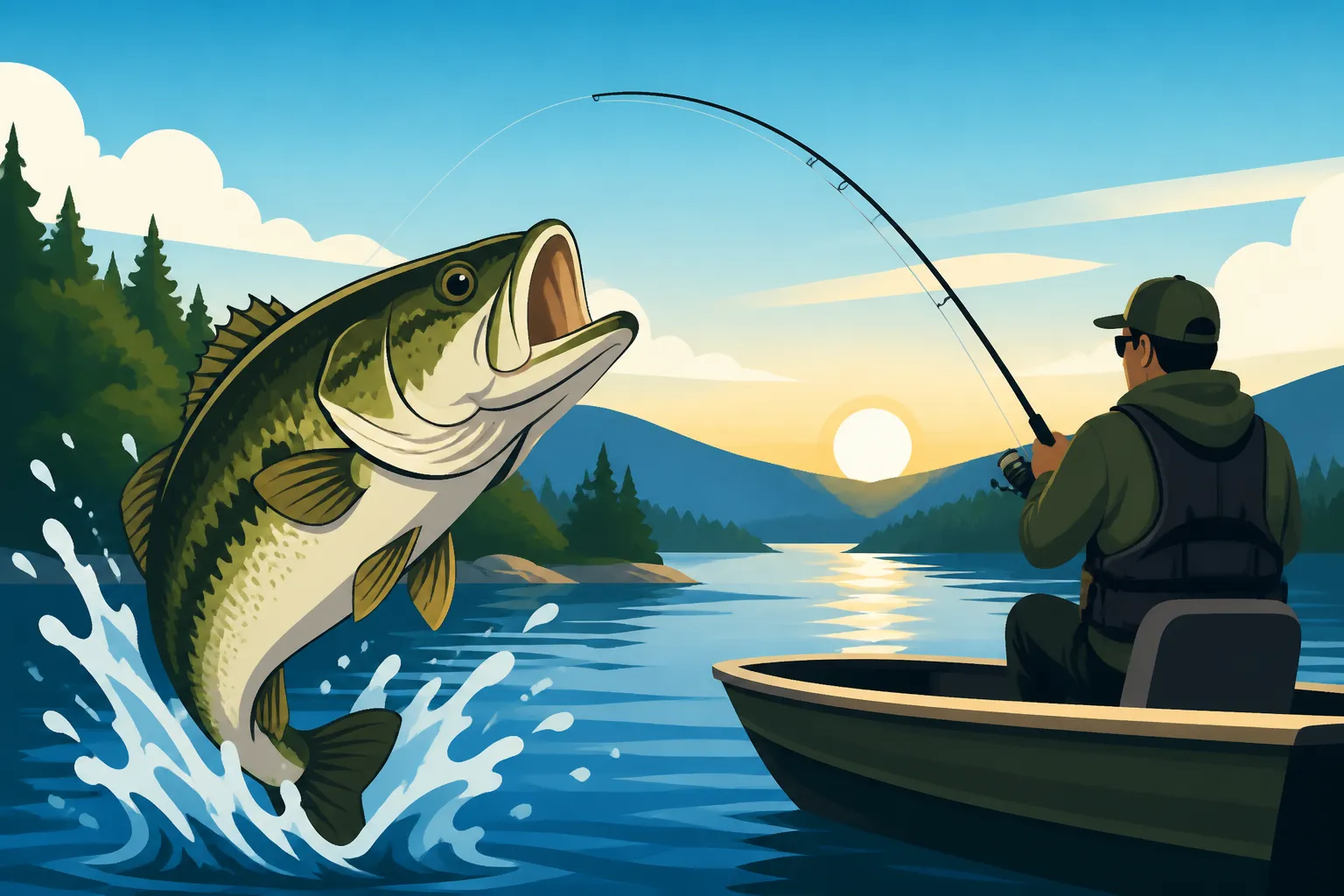
- Smallmouth Bass: For those who love the hard-fighting smallmouth, Quabbin offers a fantastic fishery. Guides targeting smallmouth will often focus on rocky points, submerged humps, and steep drop-offs. Techniques include drop-shotting, jigging tubes or grubs, throwing topwater lures in low light, or even fly fishing with streamers. These guides typically rely heavily on their electronics to find schools of bass relating to structure.
Your guide will usually help you choose the best species to target based on the time of year, prevailing conditions, and your personal preferences, ensuring you have the best possible chance of success.
Booking Your Quabbin Reservoir Fishing Guide
Once you've decided a guide is the way to go, the next step is finding and booking the right one. This process involves a bit of research and asking the right questions.
Finding Reputable Guides
The digital age has made finding fishing guides much easier, but it also means sifting through many options. A great starting point is online booking platforms like FishingBooker. These sites act as a directory, allowing you to search for guides specifically operating on Quabbin Reservoir, read detailed profiles, see available dates, and browse verified customer reviews. This can give you a quick overview of what's available, their specialties, and their pricing structures. When using such platforms, pay close attention to the reviews, especially comments about the guide's patience, instructional ability, and knowledge of the local waters.
Beyond online platforms, local tackle shops and sporting goods stores in towns surrounding Quabbin (like Petersham, Hardwick, or Belchertown) are often excellent resources. The folks working there usually know the local guides personally and can offer unbiased recommendations. Word-of-mouth from fellow anglers is another powerful tool; if you know someone who had a fantastic guided trip on Quabbin, ask them for their guide's contact information. Don't underestimate the power of a personal recommendation from someone who shares your passion for fishing.
Understanding Pricing and What's Included
The cost of a Quabbin Reservoir fishing guide can vary widely based on several factors, including the guide's experience, the duration of the trip (half-day vs. full-day), the type of boat and equipment provided, and the number of anglers. Generally, you can expect the price to cover the guide's expertise, the use of their boat and gear, bait, and often fish cleaning. It's rare for a guide to include your personal fishing license or the specific Quabbin Reservoir permit; those are almost always your responsibility to purchase in advance.
When you receive a quote, always confirm what is explicitly included and what might incur additional costs. Some guides might have a flat rate for up to two anglers and then an additional fee for a third. While a deposit is usually required to secure your booking, ensure you understand the refund policy, particularly for weather-related cancellations. And of course, don't forget about tipping. It's customary to tip your fishing guide, much like other service industries. A general guideline is 15-20% of the trip's cost if you're satisfied with the experience. For more on what to expect, read Massachusetts Fishing Charter Costs and Is Tipping Expected on a Massachusetts Fishing Charter?.
Essential Questions to Ask Before Booking
Before you commit to a guide, arm yourself with a list of questions. This ensures there are no misunderstandings and helps you choose the best fit.
Here's a table of crucial questions to ask:
| Category | Key Questions to Ask |
|---|---|
| Credentials | Are you fully licensed and insured for guiding on Quabbin Reservoir? (e.g., USCG Captain's License, MA Guide License) |
| Experience | How many years have you been guiding on Quabbin? What is your specialty or target species? |
| Trip Details | What are the available trip durations (half-day, full-day)? What time do we typically start and finish? How many anglers can you accommodate? |
| Inclusions | What's included in the price? (e.g., rods, reels, bait, tackle, safety gear, bottled water, fish cleaning) |
| Exclusions | What do I need to bring? (e.g., fishing license, Quabbin permit, food, drinks, rain gear, sunscreen) |
| Quabbin Specific | Do you use a DCR rental boat or an approved electric-motor private boat? What are the specific rules we need to be aware of for Quabbin? |
| Cancellation | What is your cancellation policy, especially for bad weather? Is the deposit refundable under certain conditions? |
| Payment | What's the total cost? What's the deposit amount? What forms of payment do you accept? |
A good guide will appreciate your thoroughness and be happy to answer all your questions, demonstrating their professionalism and commitment to a great experience. Don't hesitate to contact a few different guides to compare their services and get a feel for their personalities.
Preparing for Your Guided Quabbin Trip
The preparation for your guided trip doesn't end once you've booked. A little foresight will ensure you're comfortable, compliant with regulations, and ready to make the most of your day on the water.
Necessary Permits and Licenses
This cannot be stressed enough: you are responsible for having the proper fishing licenses and permits. Your guide will have theirs, but they cannot legally provide yours. For Quabbin Reservoir, this means a valid Massachusetts Fishing License Guide for the current year. If you're a Massachusetts resident, you'll need a resident license; non-residents will need a nonresident license. Children under a certain age may not need one, but it's always best to check the current regulations or the MassWildlife website.
In addition to the general state fishing license, Quabbin Reservoir often requires a specific Quabbin Reservoir Fishing Permits and Rules in Massachusetts. This might be a daily access permit or other unique requirements set by the DCR to help manage the reservoir. These permits often need to be purchased in advance, sometimes online or at a designated DCR office near the reservoir. Don't wait until the last minute! Purchase and print or have digital proof of all necessary licenses and permits before you arrive at the boat ramp. A guide can tell you what you need, but you must acquire them yourself. Without them, your trip could be delayed or even canceled.
What to Pack for a Day on the Water
Even with a guide providing much of the essential gear, there are several personal items you should bring to ensure a comfortable and enjoyable day on Quabbin.
- Clothing: Dress in layers! Even on a sunny summer day, the wind on Quabbin can make it feel much cooler, especially when traveling across the water. A good waterproof or water-resistant jacket is a must, even if rain isn't in the forecast, as spray from the boat or unexpected showers can occur. Wear comfortable, non-slip shoes.
- Sun Protection: The sun's rays reflect off the water, intensifying their effect. Bring sunscreen (a higher SPF is always better), a wide-brimmed hat, and polarized sunglasses. Polarized lenses are also incredibly helpful for spotting fish or submerged structure.
- Food and Drinks: While some guides may offer water, it's always wise to pack your own snacks and drinks, especially if you're on a full-day trip. Staying hydrated and fueled will keep your energy up.
- Camera: You'll want to capture those memories, especially if you land a trophy fish! Just make sure it's waterproof or kept in a dry bag.
- Cooler (Optional): If you plan on keeping your catch, bring a cooler with ice to transport your filleted fish home. Confirm with your guide if they have space on the boat for it.
Mindset and Expectations
Going into a guided trip with the right mindset can greatly enhance your experience. While everyone hopes to catch fish, remember that fishing is called fishing, not catching, for a reason. Weather, fish behavior, and pure luck all play a role. Focus on the experience: the beauty of Quabbin Reservoir, the thrill of the chase, and the valuable knowledge you'll gain from your guide.
View the trip as a learning opportunity. Ask questions, observe your guide's techniques, and try to understand the "why" behind their actions. A good guide loves to share their passion and knowledge. Embrace the moments, whether it's a screaming reel or simply enjoying the tranquil scenery. Remember that a guide’s job is to put you in the best possible position to catch fish and to provide an exceptional experience, but they can't guarantee a specific number or size of fish. Come with an open mind, a readiness to learn, and a positive attitude, and you're almost guaranteed to have a fantastic time on Quabbin.
Disclaimer
This article is for general informational purposes only and does not constitute professional advice. Laws, prices and regulations vary by location and change over time. Consult a qualified professional for guidance on your specific situation.