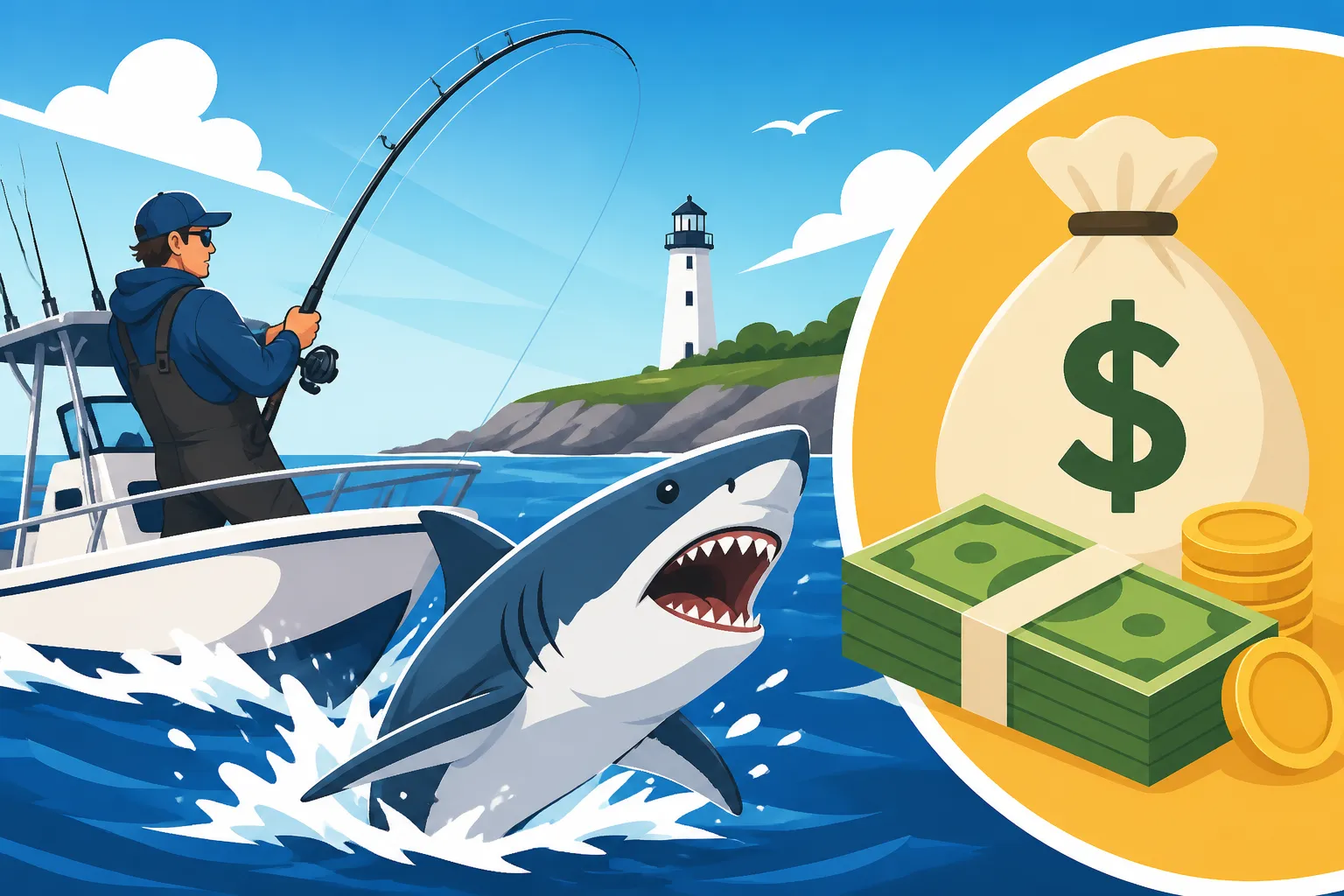
Cost of a shark fishing charter
It's no secret that the allure of chasing a powerful shark off the Massachusetts coast is a bucket-list item for many anglers. But before you get swept away by visions of monstrous thresher or mako sharks, the practical question often looms large: "How much is this adventure actually going to cost me?" It can feel overwhelming trying to figure out the real financial commitment, with so many variables at play. This guide aims to demystify the investment required for a shark fishing charter in Massachusetts, helping you understand the factors that shape the price and what you can expect to get for your hard-earned money.
Understanding the Variables That Drive Shark Charter Costs
When you start looking into shark fishing charters in Massachusetts, you'll quickly realize there isn't one single price tag. The cost of these specialized trips can fluctuate quite a bit, depending on a handful of key factors. It’s not just about booking a boat; it’s about the entire experience, the equipment, and the expertise involved in pursuing these apex predators. Think of it like booking a vacation – a quick weekend getaway in a motel is vastly different in price from an all-inclusive, week-long resort stay.
Trip Duration and Distance from Shore
One of the biggest drivers of charter cost is simply how long you plan to be out on the water and how far offshore you're heading. Shark fishing often means going beyond the sheltered waters of the bays and harbors, sometimes venturing many miles into the open Atlantic. This requires more fuel, more time, and often, more specialized equipment and safety gear, all of which contribute to the overall price.
A shorter trip, perhaps a half-day or a six-hour excursion targeting more inshore shark species (though deep sea shark fishing is inherently an offshore pursuit), will naturally be less expensive than a full-day or extended offshore trip. Longer trips allow the captain to travel further to prime fishing grounds, giving you more time to soak baits and increase your chances of hooking into a significant shark. This extended time also means more labor for the crew, more ice to keep your catch (if you decide to keep one), and a greater operational expense for the boat. For some of the truly massive pelagic species like mako or thresher, you’re almost certainly looking at a full-day commitment to reach their hunting grounds and dedicate sufficient time to the pursuit.
Boat Size, Equipment, and Crew Expertise
The vessel itself, along with its amenities and the caliber of its equipment, plays a significant role in determining the charter's cost. Larger, more comfortable boats with advanced electronics, state-of-the-art rod and reel setups, and specialized shark gear (think heavy-duty stand-up rods, big game reels, wire leaders, and specialized gaffs) represent a substantial investment for charter operators. These boats are typically designed for offshore travel, capable of handling rougher seas, and often equipped with larger fuel tanks for longer runs.
Furthermore, the experience and reputation of the captain and crew are invaluable. You’re not just paying for the boat; you’re paying for their knowledge of local waters, shark behavior, and safety protocols. A seasoned captain who consistently puts clients on fish and maintains a sterling safety record can command a higher price, and frankly, it's often worth every penny. Their expertise can mean the difference between a memorable catch and a frustrating day of searching. For anyone serious about a quality experience, investing in a charter with a top-notch crew and well-maintained gear is paramount. On platforms like FishingBooker, you can often read reviews that speak to the captain's expertise and the boat's condition.
Target Species and Fishing Style
Different shark species require different fishing approaches, and this can impact the charter cost. While many charters broadly offer "shark fishing," some might specialize in certain species. For instance, pursuing powerful blue sharks might involve different tactics and locations than targeting a giant mako or thresher. The bait requirements can also vary significantly. Chumming for sharks, for example, involves a substantial amount of frozen baitfish, which adds to the operating costs.
Moreover, the style of fishing – whether it's primarily drifting with baits, setting up a specialized chum slick, or trolling large lures – dictates the gear and effort involved. Charters that offer more intensive or specialized techniques, or those targeting highly sought-after trophy species, might have a higher price point. If you’re dead set on a particular type of shark, communicate that clearly when inquiring, as it might influence the charter's recommendation and pricing. You might also find that "shark charters" can sometimes be combined with Massachusetts Bluefin Tuna Charters or other deep sea opportunities, further affecting the price.
What Your Shark Fishing Charter Fee Typically Covers
So, you've understood the factors influencing the cost. Now, what exactly does that fee usually encompass? It’s important to know what’s included so you’re not caught off guard by unexpected expenses once you're on the boat or back at the dock. Most reputable Massachusetts shark charters aim to provide an all-inclusive experience for the fishing part of your trip, letting you focus on the thrill of the chase.
Essential Gear, Bait, and Tackle
A major component of your charter fee covers all the necessary fishing gear. This means heavy-duty rods and reels specifically designed for shark fishing, appropriate lines, leaders, hooks, and all the terminal tackle needed for the day. You won't need to bring your own expensive big-game equipment – the charter will have it ready. This is a huge benefit, as purchasing such specialized gear yourself would be a substantial investment.
Beyond the tackle, the cost also includes the bait. For shark fishing, this often means large quantities of fresh or frozen bunker, mackerel, or other oily fish used for chumming to attract sharks to the boat, as well as the actual baits rigged on the lines. The crew meticulously prepares this bait, ensuring it’s fresh and effective. This can be a significant hidden cost if you were to fish on your own, so it's a huge value add in a charter. They'll also provide a wide array of lures if trolling is part of the plan. This peace of mind, knowing all the essential tools for the job are provided, is a big part of the charter experience.
Captain and Crew Expertise
As mentioned earlier, the captain and crew's expertise are paramount, and their wages are, of course, built into the charter fee. You're hiring professionals who are not only skilled boat handlers but also knowledgeable guides. They understand where the sharks are likely to be, how to present baits effectively, and how to safely handle these powerful fish once hooked. This is where you see the real value of a good charter – it's not just a ride on a boat, but a guided fishing expedition.
The crew works tirelessly throughout the trip, from setting up the chum slick and rigging baits to assisting with casting, instructing on fighting techniques, and safely landing (or releasing) the fish. Their dedication ensures a smooth, safe, and productive outing. They are there to answer questions, offer tips, and make sure everyone on board has a fantastic time, regardless of their prior fishing experience. If you’re a beginner, their guidance is indispensable, turning what could be a confusing experience into an enjoyable learning curve. You can often check platforms like FishingBooker to see details about the captain’s experience and what they specialize in.
Fuel, Safety Equipment, and Insurance
Operating a large offshore fishing vessel is expensive, and a significant portion of the charter fee goes towards covering fuel costs. These boats burn a lot of fuel, especially when running many miles offshore. Beyond fuel, the charter fee also accounts for all necessary safety equipment, including life jackets, flares, first-aid kits, and communication devices, all of which are regularly maintained and inspected to meet stringent Coast Guard regulations. Safety is, after all, the top priority for any reputable charter.
Furthermore, the charter operator carries commercial insurance to cover their vessel and passengers. This vital protection is baked into the cost, providing peace of mind for both the operator and the clients. You're not just paying for a fishing trip, but for a safely conducted and professionally insured outing. These are critical behind-the-scenes expenses that ensure your trip is both enjoyable and secure. For more general information on this, you can look at articles like Massachusetts Fishing Charter Licensing and Insurance.
| Feature | Typically Included | Often Not Included (Consider Extra Cost) |
|---|---|---|
| Fishing Gear | Rods, reels, lines, terminal tackle, gaffs | Personal specialty gear (e.g., your own lucky lure) |
| Bait & Chum | All necessary fresh/frozen baits and chum for the trip | |
| Captain/Crew | Expertise, guidance, fish handling, safety | Gratuity (Tipping) |
| Fuel | For the entire duration and distance of the trip | |
| Safety Equipment | Life vests, first aid, communication devices, flares | Seasickness medication |
| Insurance | Commercial vessel and passenger liability | |
| Fish Cleaning | Often provided for any kept legal fish | |
| Licenses/Permits | Crew licenses, vessel permits | Individual angler's personal Massachusetts Saltwater Recreational Fishing Permit Explained |
| Food & Drink | Generally, no | You bring your own snacks and beverages |
| Sun Protection | No | You bring your own sunscreen, hats, etc. |
| Photography/Video | Sometimes basic photos by crew | Professional photographer/videographer |
Beyond the Base Price: Additional Costs and Considerations for Your Shark Trip
While the charter fee covers the bulk of your fishing experience, it's rare for it to be the entire cost of your outing. There are almost always additional expenses and considerations that smart anglers factor into their budget. Being aware of these upfront will prevent any surprises and ensure you have a truly stress-free day on the water.
Gratuity for the Crew
This is perhaps the most significant "hidden" cost that many first-time charter clients overlook. Tipping your captain and crew is customary in the charter fishing industry, much like tipping in a restaurant. These hardworking individuals rely on tips as a substantial portion of their income. They put in long hours, often starting well before dawn to prepare the boat and ending long after dark with cleanup and maintenance. They also work incredibly hard during the trip to ensure you have a successful and enjoyable experience.
A typical gratuity often ranges from 15% to 20% of the total charter cost, though exceptional service might warrant more. It's a direct reflection of your satisfaction with their effort, knowledge, and hospitality. Always factor this into your budget before you even book the trip. For more details on this important etiquette, refer to Is Tipping Expected on a Massachusetts Fishing Charter?. Don’t forget that if the crew cleans and fillets your catch, that's often part of the service covered by your tip.
Fishing Licenses and Personal Supplies
While the charter boat itself has the necessary commercial licenses and permits, you, as an individual angler, will generally need to have your own valid Massachusetts saltwater recreational fishing permit. This is a personal requirement and is almost never included in the charter price. It's crucial to obtain this before your trip to avoid any legal issues, and it's something you can easily purchase online through the MassFishHunt system. Different age groups might have different requirements, so it's always best to check the current regulations, such as those detailed in Massachusetts Fishing License Requirements by Age.
Beyond the permit, you'll want to bring personal supplies to make your day comfortable. This includes food, snacks, and plenty of beverages (water, soda, etc.), as charters rarely provide these. Sunscreen, a hat, sunglasses, and appropriate clothing (layers are always good for coastal Massachusetts) are also essential. If you’re prone to seasickness, bring your preferred remedy and take it before you even leave the dock. A cooler to transport your fillets home (if you keep any legal fish) is also a smart addition. For a comprehensive checklist, check out What to Bring on a Massachusetts Fishing Charter.
Travel, Lodging, and Other Incidentals
Don't forget to account for the costs associated with simply getting to and from the charter departure point. If you're traveling from a distance, this could include gas money, tolls, or even lodging if you plan to stay overnight. Many shark charters depart from major fishing ports like those on Cape Cod, Gloucester, or Boston, so consider your travel logistics carefully. While this guide doesn't delve into every type of charter, knowing Where most Cape Cod charters depart from can help you plan.
Parking fees at the marina can also add a small, unexpected expense. If you plan to celebrate your catch afterwards, a meal at a local restaurant or a stop at a seafood market might also be part of your overall "fishing adventure" budget. These smaller, incidental costs can add up, so it’s wise to have a little extra tucked away.
Finding and Booking Your Massachusetts Shark Charter
With a clearer picture of the costs involved, the next step is finding the right charter for your shark fishing adventure. Massachusetts offers a fantastic array of experienced captains specializing in offshore fishing, and knowing how to approach the booking process can save you both money and headaches.
Researching Charters and Comparing Options
The internet is your best friend when it comes to researching charters. Start by looking at reputable online platforms that aggregate fishing charters, such as FishingBooker. These sites allow you to browse multiple boats, compare their offerings, read customer reviews, and often see general information about their pricing structures and what's included. This is a great way to get a baseline understanding of the market. You'll find many options for Massachusetts Deep Sea Fishing Charters that might target sharks.
When comparing, pay close attention to the details. Does one charter explicitly mention targeting mako and thresher sharks, implying longer runs and heavier tackle? Does another focus more on blue sharks, which might be a slightly less intense (and potentially less costly) trip? Look at the boat's photos – does it look well-maintained? Are the reviews consistently positive, particularly regarding the captain's expertise and the crew's professionalism? Don't hesitate to call a few different charter operators directly. Engage them in conversation, ask about their experience with shark fishing, their preferred methods, and what specific dates they have available. This direct interaction can give you a good feel for their service and passion.
Questions to Ask Before Booking
Once you've narrowed down your choices, prepare a list of questions to ask before you commit. This isn't just about price, but about ensuring the trip aligns with your expectations. Here are a few key questions:
- "What's your typical shark fishing itinerary? How far offshore do you usually go?"
- "What species of sharks do you most often target?"
- "What's your policy if the weather is bad? Do you offer refunds or rescheduling?" (This is crucial, as Do Charters Refund You for Bad Weather? is a common concern.)
- "What's included in the price, specifically regarding bait, tackle, and fish cleaning?"
- "Are there any additional fees I should be aware of?" (This is your chance to clarify about fuel surcharges, etc.)
- "What's the maximum number of anglers you can comfortably take?" (Knowing How Many People Can Join a Massachusetts Charter is important if you're organizing a group trip, as it can affect the cost per person.)
- "What do you recommend bringing in terms of food, drinks, and personal gear?"
- "Do charter passengers need their own Massachusetts saltwater fishing permit?" (Confirm this, as the answer is almost always "yes.")
Getting clear answers to these questions upfront will ensure there are no misunderstandings and that you have a fantastic time on your shark fishing adventure. Many captains are happy to walk you through the specifics, especially when using platforms like FishingBooker, which facilitates direct communication and transparency.
Is a Shark Fishing Charter Worth the Investment?
After breaking down all the potential costs and considerations, you might be wondering: is investing in a shark fishing charter in Massachusetts truly worth it? For many, the answer is a resounding yes, especially when you weigh the unique experience against the logistical challenges and costs of doing it yourself.
The Unique Thrill of Shark Fishing
There's nothing quite like the primal thrill of hooking into a powerful shark. These aren't your everyday freshwater panfish; they are apex predators of the ocean, offering a fight that tests your strength and stamina. The sheer power of a thresher shark leaping from the water or the relentless pull of a mako can be an adrenaline rush unlike any other. A shark charter offers you the opportunity to target these magnificent creatures with the best possible chance of success, guided by professionals who know exactly where to find them and how to safely handle them. This isn't just fishing; it's an adventure.
Massachusetts waters are home to a variety of sharks, and a dedicated charter dramatically increases your chances of encountering one. For many, it's a once-in-a-lifetime experience, a story to tell for years to come. Whether you're an experienced angler looking for a new challenge or a novice eager to feel the power of a true game fish, the excitement of shark fishing is undeniable. Knowing Are Shark Charters Common Off Massachusetts? can give you peace of mind that there are ample opportunities.
Safety, Expertise, and Memories
Ultimately, the cost of a shark fishing charter is an investment in safety, expertise, and unforgettable memories. Trying to pursue offshore sharks on your own without the proper boat, gear, or experience would be not only incredibly difficult but potentially dangerous. Charters provide a safe, controlled environment where you can focus on the fishing, knowing that experienced professionals are handling all the intricate details and safety protocols.
The knowledge shared by the captain and crew, the techniques you learn, and the camaraderie on the boat all contribute to an experience far beyond just the fish you might catch. It's about being out on the vast Atlantic, soaking in the salt air, and experiencing the raw power of nature. Even if the big one gets away, the tales of the fight, the beauty of the ocean, and the thrill of the chase will stay with you long after you've returned to shore. For those who value unique experiences and the opportunity to connect with nature's giants, a shark fishing charter in Massachusetts offers an unparalleled adventure that many find to be well worth the investment.
Disclaimer
This article is for general informational purposes only and does not constitute professional advice. Laws, prices and regulations vary by location and change over time. Consult a qualified professional for guidance on your specific situation.