Average cost of a Cape Cod fishing charter
If you've ever dreamt of battling a powerful striped bass or chasing tuna offshore, a Cape Cod fishing charter is probably high on your list. But let's be honest, the first question that pops into most anglers' minds after "Where do I go?" is "How much is this going to cost me?" It's a completely valid concern, as charter fishing can be a significant investment. This guide is here to help you navigate the various factors that determine the price of a Cape Cod fishing charter, so you can budget realistically and find the perfect trip for your angling ambitions and your wallet.
Understanding What Influences Cape Cod Charter Costs
When you start looking at charter prices, you'll quickly notice they aren't all the same. There's a wide spectrum, and that's because many elements go into calculating the final fee. Think of it like buying a car; a compact sedan and a luxury SUV both get you from point A to point B, but their features, capabilities, and ultimately, their price tags, are vastly different. The same principle applies to fishing charters.
Trip Duration and Type: Half-Day, Full-Day, and Beyond
One of the most immediate and significant factors affecting the cost of a Cape Cod fishing charter is how long you plan to be out on the water. This isn't just about more time for fishing; it's about fuel, crew time, wear and tear on the vessel, and the sheer logistics involved.
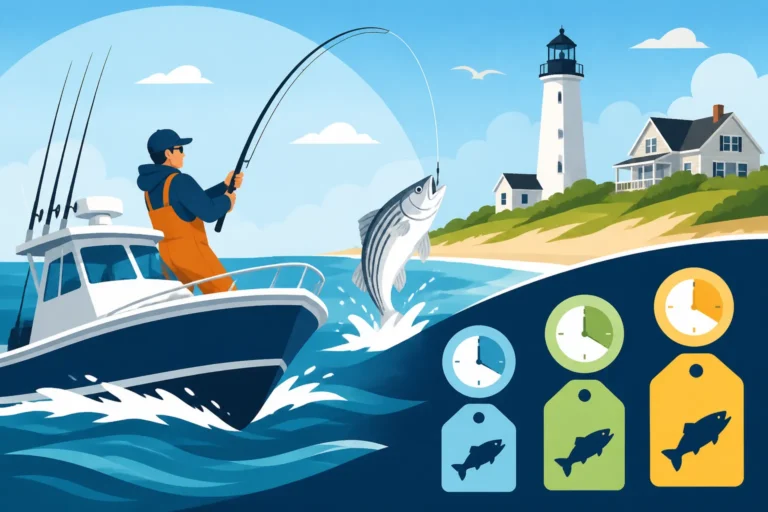
A half-day trip, typically around four hours, focuses on accessible inshore species like striped bass, bluefish, or various bottom fish. These trips are usually the most budget-friendly option, perfect for families with younger children, beginners, or those who want a taste of saltwater fishing without committing to a full day. The captain doesn't have to travel as far, burn as much fuel, or spend as much time actively fishing, which translates to a lower overall cost.
Then you have full-day trips, stretching to eight hours or more. These excursions allow for venturing further offshore, targeting a wider variety of species, or spending more time at productive spots. Perhaps you want to try your hand at jigging for cod or haddock, or venture into Buzzards Bay for tautog. The longer duration means more fuel, more time for the captain and mate, and therefore, a higher price point. For serious anglers looking for a more comprehensive experience, a full-day trip often delivers better value in terms of fishing opportunities. Some charters even offer extended or multi-day trips, especially for highly sought-after species or distant fishing grounds, and these will naturally command premium prices. You can find more details on this dynamic by checking out Half-Day vs Full-Day Cape Cod Charters.
Target Species and Fishing Style
What you want to catch plays a huge role in the cost equation. Different fish live in different habitats and require specific gear, techniques, and travel distances.
- Inshore Game (Striped Bass, Bluefish, Flounder, Scup): Targeting species like striped bass or bluefish often involves fishing closer to shore, in bays, estuaries, or along the Cape Cod Canal. These trips generally fall into the lower to mid-range of charter costs because they don't require extensive travel time offshore. The tackle is typically less specialized, and fuel consumption is lower. Many anglers specifically look for Massachusetts Striped Bass Charters when planning their Cape Cod trip.
- Bottom Fishing (Cod, Haddock, Tautog, Black Sea Bass): If you're hoping for a cooler full of delicious groundfish or want to test your mettle against a strong tautog, you'll likely be heading to deeper, offshore ledges and wrecks. This means longer boat rides, more fuel, and often heavier gear, all contributing to a higher cost than purely inshore trips. The season also impacts availability and cost, as certain species are only in season at specific times.
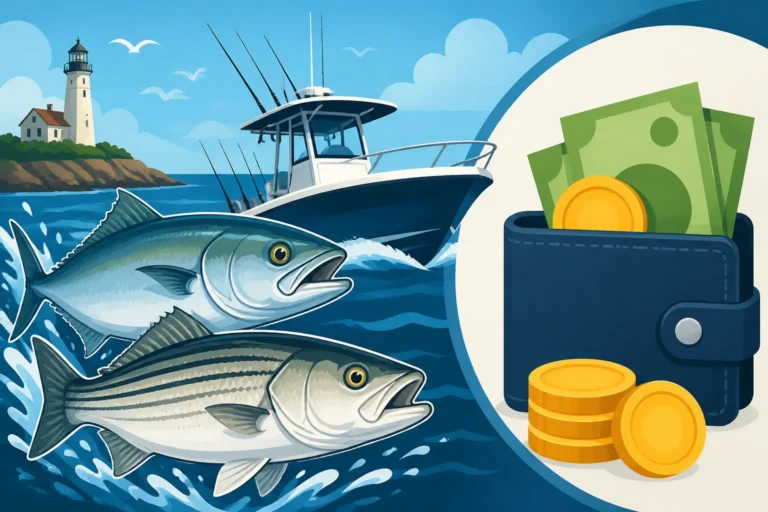
- Offshore Pelagics (Tuna, Shark): This is where the price jump becomes most dramatic. Chasing bluefin tuna, yellowfin tuna, or various shark species takes you far offshore, sometimes many miles out into the Atlantic. These trips demand larger, faster boats capable of handling rougher seas, immense amounts of fuel, highly specialized (and expensive) tackle, and captains with vast experience in deep-sea navigation and big-game tactics. The boat might need to run for hours just to get to the fishing grounds, and the fight with a giant tuna can last for hours more. Because of the specialized equipment and effort involved, Massachusetts Bluefin Tuna Charters are among the most expensive options available. Similarly, specialized Massachusetts Offshore Shark Fishing Charters also carry a higher price tag.
Boat Size, Amenities, and Captain's Experience
The vessel itself, and the expertise of its captain and crew, are also major cost drivers.
- Boat Size and Comfort: Smaller center console boats might be perfect for quick inshore trips with a few anglers. They are nimble, fuel-efficient, and generally less expensive to operate and maintain. Larger sportfishing boats, however, offer more space, greater stability in rougher seas, enclosed cabins with restrooms (a huge plus on long trips!), and more sophisticated electronics. These boats are more expensive to buy, maintain, fuel, and dock, and those costs are reflected in the charter price. If you’re planning a longer trip, especially offshore, a larger, more comfortable boat can make a significant difference to your experience.
- Amenities: Some charters offer basic amenities, while others are essentially floating luxury experiences. Think about the presence of a marine head (restroom), comfortable seating, shade from the sun, or even advanced fish-finding electronics. While not always apparent, these amenities contribute to the charter's operating costs and overall value.
- Captain's Experience and Reputation: An experienced captain with a proven track record of finding fish and ensuring client safety is invaluable. They've spent countless hours on the water, know the local currents, tides, and fishing spots like the back of their hand, and understand fish behavior. Their expertise often means a higher success rate, and that expertise commands a higher fee. Newer or less established captains might offer slightly lower rates to build their clientele, but paying a bit more for a seasoned pro can often lead to a more successful and enjoyable trip.
Typical Cost Ranges for Different Cape Cod Charter Experiences
It's impossible to give exact figures because prices fluctuate based on season, fuel costs, and individual charter operations. However, we can talk about general ranges and what you might expect for different types of trips. Remember to always check with individual charter operators for their current pricing. For a more general overview of pricing, you can look at Massachusetts Fishing Charter Costs.
Half-Day Inshore Trips
These are usually the most accessible and budget-friendly options on Cape Cod. They are fantastic for families, beginners, or anyone looking for a fun, productive few hours on the water without the commitment of a full day.
For a half-day inshore trip, you're typically looking at prices in the lower hundreds, often for the entire boat (not per person), accommodating a small group of around 1-4 anglers. These trips generally focus on species like striped bass, bluefish, fluke, or scup in the calmer waters of Nantucket Sound, Buzzards Bay, or within proximity to harbors like Barnstable or Hyannis. The captain will often stay relatively close to shore, making the most of the limited time by targeting known productive areas. It's a great way to get a taste of saltwater fishing, especially if you're staying near a popular spot like Falmouth or Provincetown. You can easily compare these options on platforms like FishingBooker, where many captains list their half-day rates.
Full-Day Nearshore/Offshore Trips
Stepping up to a full-day charter opens up many more possibilities, but also comes with a higher price tag. These trips are for anglers who want more serious fishing time and access to a broader range of species and locations.
A full-day trip can run into the mid to high hundreds, again, typically for the boat, accommodating similar group sizes (4-6 anglers often). The longer duration allows the captain to venture further out, perhaps to the open waters south of Martha's Vineyard for bonito and false albacore, or to deeper water off Chatham for cod and haddock. You might spend more time trolling for bluefish, or drift fishing for fluke over various bottom structures. These trips require more fuel, more time from the captain and any crew, and a longer commitment from the anglers, which justifies the increased cost. It's a popular choice for groups of friends or more dedicated anglers who want to maximize their time on the water and potentially bring home a good catch.
Specialized Tuna or Offshore Trips
If your dream is to hook into a giant bluefin tuna, chase yellowfin, or battle a mako shark, prepare for a significant investment. These are the premium experiences in Cape Cod fishing.
Specialized offshore trips, particularly for tuna, are in a league of their own when it comes to pricing. These trips typically cost well over a thousand dollars, again for the boat, and are often geared towards a smaller, dedicated group of anglers (often 1-3 for tuna, to maximize rod space and fighting room). The reasons for the high cost are clear: massive fuel consumption for long runs offshore (sometimes 50+ miles), specialized and extremely heavy-duty tackle that can withstand the power of a tuna, the need for larger, faster, and more robust vessels, and the immense experience and skill required from the captain and crew to safely and effectively pursue these apex predators. These trips can last 10-12 hours or even longer. When you consider the immense effort, risk, and specialized gear involved, the price begins to make sense. Many serious anglers use platforms like FishingBooker to find and book these high-value trips, often scheduling them far in advance during peak season.
| Trip Type | Typical Duration | Target Species (Examples) | General Price Category (per boat) | Best For |
|---|---|---|---|---|
| Half-Day Inshore | 4-5 hours | Striped Bass, Bluefish, Fluke, Scup | Lower hundreds | Families, beginners, shorter commitments |
| Full-Day Nearshore | 6-8 hours | Striped Bass, Bluefish, Tautog, Cod | Mid to High hundreds | Enthusiast anglers, diverse fishing |
| Full-Day Offshore | 8-10 hours | Cod, Haddock, Shark, Deepwater Fluke | High hundreds to over a thousand | Serious anglers, specific offshore targets |
| Specialized Tuna | 10-14+ hours | Bluefin Tuna, Yellowfin Tuna | Well over a thousand | Big-game enthusiasts, once-in-a-lifetime |
What's Usually Included (and What's Not) in Your Charter Fee
It's crucial to understand what you're actually paying for when you book a charter. Often, the advertised price covers the essentials, but there can be additional costs that, if not anticipated, can add up quickly.
Standard Inclusions: Gear, Bait, Captain, Crew
The good news is that most reputable Cape Cod fishing charters include the fundamental necessities for a successful trip. When you pay your charter fee, you generally expect:
- The Boat and Captain: Of course, you're paying for the vessel and the licensed, experienced captain to operate it. Their expertise in navigation, fish finding, and local waters is a huge part of the value.
- Fishing Gear: This is a big one! Charters typically provide all the necessary rods, reels, and terminal tackle (hooks, weights, leaders) for the target species. This saves you the hassle and expense of buying or transporting your own specialized saltwater gear. For specific trips like tuna, the rods and reels can be incredibly expensive, so having them provided is a huge bonus.
- Bait and Lures: Live bait, fresh bait, and artificial lures are usually included. The cost of bait, especially live bait like eels or mackerel for striped bass, can be significant, so having it covered in the charter fee is a real convenience.
- Safety Equipment: All charters are required to carry essential safety gear, including life jackets, first-aid kits, and communication devices. This is always factored into the operational cost.
In essence, you typically just need to show up ready to fish, and the charter will have the core tools for the job.
Common Exclusions and Extra Costs
While the basics are covered, there are several common expenses that are not included in the base charter price, and it's essential to budget for them:
- Fishing Licenses/Permits: In Massachusetts, most recreational anglers need a valid fishing license or permit. For saltwater fishing, you'll need a Massachusetts Recreational Saltwater Fishing Permit, and for freshwater, a Massachusetts Freshwater Fishing License. These are personal requirements and are almost never included in the charter fee. You'll need to purchase these separately before your trip. You can learn more about this process by reading How to Buy a Massachusetts Fishing License Online or Massachusetts Saltwater Recreational Fishing Permit Explained.
- Food and Beverages: While some high-end charters might offer light snacks or drinks, it's generally expected that you bring your own food and non-alcoholic beverages. Pack a cooler with sandwiches, snacks, and plenty of water or soda to stay hydrated.
- Fish Cleaning: Some charters offer fish cleaning and filleting services as part of the package or for a small additional fee. Others might not offer it at all, or expect you to do it yourself back at the dock. Clarify this beforehand if bringing home fresh fillets is a priority for you.
- Tips for the Crew: This is a big one, and often overlooked by first-timers. Tipping the captain and particularly the mate (if there is one) is customary and highly encouraged. Mates work incredibly hard, assisting with everything from rigging lines, baiting hooks, netting fish, and cleaning up. A standard tip is typically 15-20% of the total charter cost, given directly to the mate. This is a significant part of their income. Learn more about this custom in Massachusetts Charter Boat Tipping Etiquette.
- Fuel Surcharges: While less common for standard inshore trips, some offshore charters might have a fuel surcharge built into their contract, especially when fuel prices are volatile or for exceptionally long runs. Always confirm this when booking.
- Transportation and Accommodation: Don't forget the costs of getting to Cape Cod, your lodging, and any meals you'll have on land. These are, of course, entirely separate from the charter fee itself.
The "Hidden" Value: Expertise, Safety, Local Knowledge
When you pay for a Cape Cod fishing charter, you're not just paying for a boat ride. You're investing in an experience curated by professionals.
- Safety First: Reputable charter captains are licensed by the U.S. Coast Guard, undergo regular safety training, and ensure their vessels meet stringent safety standards. They know how to handle adverse weather, mechanical issues, and medical emergencies. This peace of mind is invaluable.
- Years of Knowledge: A good captain has spent decades learning the nuances of Cape Cod's waters, understanding tidal flows, fish migrations, and productive spots. This deep local knowledge significantly increases your chances of a successful and memorable trip. They can tell you the best time to fish the Cape Cod Canal, or where to find the elusive albacore.
- Conservation-Minded: Many captains are passionate about conservation and adhere strictly to Massachusetts Recreational Fishing Rules and Bag Limits to ensure sustainable fishing practices for future generations. They often provide insights into these regulations and the importance of responsible angling.
- Stress-Free Experience: All you have to do is show up, cast your line, and enjoy the beauty of the Massachusetts coast. The captain and crew handle all the difficult parts – navigation, finding fish, baiting, tangles, and cleaning up.
How to Budget for Your Cape Cod Fishing Adventure
Planning your budget carefully will ensure your fishing trip is enjoyable and free from unexpected financial surprises. It's about balancing your desires with your resources.
Comparing Booking Options: Direct vs. Platforms
When it comes to booking a charter, you generally have two main avenues: booking directly with a captain or using an online booking platform.
- Booking Directly: Many experienced captains have their own websites or social media pages where you can contact them directly. This can sometimes lead to a slightly better deal as there's no platform fee involved. However, it requires more individual research to find and vet captains, read reviews, and compare options.
- Online Booking Platforms: Websites like FishingBooker specialize in connecting anglers with charter captains worldwide, including extensively on Cape Cod. These platforms offer a centralized place to browse numerous charters, compare prices, read customer reviews, view boat specifications, and easily book your trip. They often have customer service support and sometimes offer guarantees. While there might be a small booking fee associated, the convenience, transparency, and range of options can be very appealing, especially for those new to charter fishing. Using a platform like FishingBooker can streamline your search for the perfect Cape Cod Fishing Charters Guide for Massachusetts Anglers.
When comparing options, always look at what's included and what's extra. A cheaper base price might end up costing more if critical items like bait or fish cleaning aren't covered.
Timing Your Trip for Potential Savings
Like many tourism-dependent activities, charter fishing on Cape Cod has peak and off-peak seasons, and these can influence pricing.
- Peak Season (Summer): July and August are prime time on Cape Cod. The weather is warm, the kids are out of school, and many popular species like striped bass and bluefish are abundant. Charters are in high demand, and prices are usually at their highest. Booking well in advance is essential if you plan to fish during this period.
- Shoulder Seasons (Spring & Fall): Late spring (May/June) and early fall (September/October) can offer fantastic fishing opportunities and potentially more attractive pricing. The weather might be a bit cooler or less predictable, but the fishing can be superb, and charter availability is often better. For instance, the fall run of striped bass can be epic, and many captains might offer slightly discounted rates compared to the peak summer rush. This is also a great time to target groundfish offshore. Consider exploring Best Time of Year to Fish in Massachusetts for a deeper dive into seasonal fishing.
- Off-Season (Winter): While some limited opportunities might exist for specific species, winter is generally the off-season for most Cape Cod charters. You'll find very few, if any, charters operating, and those that do will likely be specialized.
If flexibility is an option, aiming for the shoulder seasons can provide a high-quality fishing experience at a potentially lower cost.
Group Size and Splitting Costs
Most Cape Cod fishing charters price their trips for the entire boat, not per person. This means the total cost of the charter remains the same whether you have one angler or the maximum number allowed (typically 4-6, depending on the boat).
This is a key point for budgeting! The more people you can gather to share the cost, the more affordable it becomes per individual. For example, a trip costing a specific sum might seem steep for one or two people, but if you split it among five friends, the per-person cost becomes much more manageable. When booking, always confirm the maximum number of passengers allowed on the vessel. Organizing a group outing is often the most economical way to enjoy a charter experience. Don't forget to factor in the tip for the crew when calculating everyone's share!
Planning a Cape Cod fishing charter can seem daunting due to the cost, but by understanding the factors involved and planning ahead, you can find a fantastic experience that fits your budget. Whether you're chasing stripers in the bay or venturing offshore for tuna, the thrill of fishing in Massachusetts waters is an unforgettable adventure.
Disclaimer
This article is for general informational purposes only and does not constitute professional advice. Laws, prices and regulations vary by location and change over time. Consult a qualified professional for guidance on your specific situation.