License a Massachusetts charter captain needs
Thinking about casting off for a day of fishing with a professional guide in Massachusetts, you probably expect your captain to know their stuff – not just how to find the fish, but also how to keep everyone safe and operate legally. The truth is, running a fishing charter in Massachusetts isn't as simple as owning a boat and knowing how to fish; it involves a rigorous set of federal and sometimes state-level licensing and certification requirements. This guide will help you understand the essential credentials a Massachusetts charter captain needs, shedding light on the training, experience, and regulatory hurdles they navigate to ensure your trip is both successful and fully compliant.
The Foundation: Understanding the U.S. Coast Guard (USCG) Merchant Mariner Credential
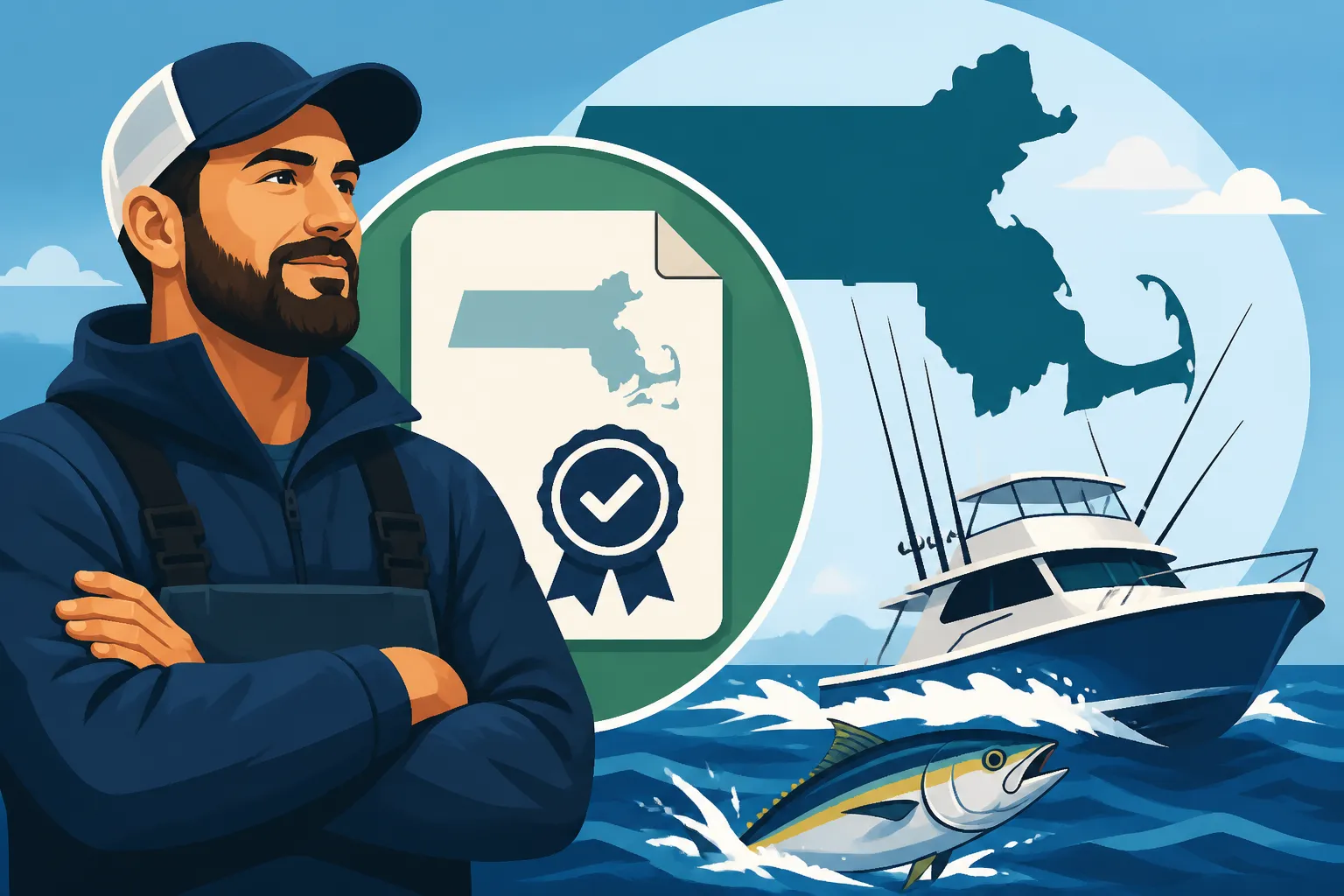
At the heart of any legitimate fishing charter operation in Massachusetts, or anywhere in the United States, is the U.S. Coast Guard (USCG) Merchant Mariner Credential (MMC). This isn't just a simple piece of paper; it's a comprehensive document that proves a captain has met strict federal standards for safety, navigation, and seamanship. When you step aboard a charter, this credential is your first assurance of professionalism. Without a valid MMC with the correct endorsements, a person cannot legally operate a vessel for hire. This is a critical distinction that separates a professional captain from a friend taking you fishing.
Why the USCG Credential is Non-Negotiable
The USCG's role is to ensure maritime safety and security. When it comes to carrying passengers for hire, the stakes are incredibly high. Imagine being miles offshore with an unqualified operator; it's a terrifying thought. The MMC process is designed to prevent such scenarios by requiring captains to prove their competency through written exams, practical assessments, and documented sea time. This ensures they are proficient in navigation, vessel operation, emergency procedures, fire fighting, first aid, and marine environmental protection. It's a commitment to safety that all reputable charter services, including those you might find listed on platforms like FishingBooker, must uphold.
Different Levels of USCG Credentials for Charter Captains
Not all USCG MMCs are created equal, especially when it comes to charter fishing. The specific type of credential a captain holds dictates the size of the vessel they can operate and the number of passengers they can carry. For most fishing charters in Massachusetts, you'll encounter two primary endorsements: the Operator of Uninspected Passenger Vessels (OUPV), often called the "Six-Pack," and the Master's License. The choice between these depends largely on the nature and scale of the charter operation.
The "Six-Pack" License: Operator of Uninspected Passenger Vessels (OUPV)
The Operator of Uninspected Passenger Vessels (OUPV) license, commonly known as a "Six-Pack" license, is the entry-level credential for operating a vessel for hire. It's what most independent fishing guides or smaller charter operators in Massachusetts will hold. The "six-pack" name comes from the limit: it allows a captain to carry no more than six paying passengers on an uninspected vessel. "Uninspected" means the vessel itself is not subject to the rigorous design and structural inspections that larger passenger vessels must undergo.
Requirements for Obtaining an OUPV License
Becoming an OUPV captain isn't a walk in the park. It requires a significant investment of time and effort. First, aspiring captains need to accumulate documented "sea time" – hands-on experience operating a vessel. Typically, this means at least 360 days of experience on the water, with at least 90 of those days occurring in the last three years. The type of waters matters too; sea time can be accrued on inland waters, near coastal waters, or a combination. For those operating along the Massachusetts coastline, the "Near Coastal" endorsement is crucial, requiring a specific amount of near coastal sea time.
Beyond sea time, candidates must pass a comprehensive written examination covering general seamanship, navigation, rules of the road, and safety. They also need to pass a physical examination, including a drug test, and undergo a Transportation Worker Identification Credential (TWIC) background check. This thorough vetting process helps ensure that only qualified and trustworthy individuals are entrusted with the lives of passengers.
Operational Limitations of the OUPV License
While versatile, the OUPV license has clear limitations. The most obvious is the six-passenger cap. This means if you're planning a larger group outing, say with a company retreat or a big family reunion, an OUPV captain won't be able to accommodate everyone on a single vessel. Additionally, the "uninspected" nature means these vessels are generally smaller and might have restrictions on how far offshore they can operate, usually within 100 miles of the coast, depending on the endorsement. Many of the fantastic Cape Cod Fishing Charters Guide for Massachusetts Anglers will operate with OUPV captains for smaller, personalized trips.
The Master's License: For Larger Operations and More Passengers
For larger fishing charter operations, especially those that take out more than six passengers or operate bigger vessels, a Master's License is required. This credential signifies a higher level of experience and responsibility compared to the OUPV. A Master's License holder can command inspected vessels (which means the boat itself has undergone more stringent USCG safety inspections) and carry more than six passengers, up to the vessel's certified capacity.
Path to Becoming a Master Captain
The journey to a Master's License is even more demanding than for an OUPV. It typically requires more sea time – often 720 days, with a significant portion as an OUPV or mate. The examinations are more extensive, delving deeper into vessel stability, marine engineering, and advanced navigation. Candidates must also meet stricter medical standards. This advanced training is essential for captains who might be taking out larger groups on multi-species trips, perhaps targeting Bluefin Tuna Fishing off Massachusetts far offshore, where conditions can be more challenging.
Benefits and Responsibilities of a Master's License
A Master's License opens up opportunities for captains to operate a wider range of vessels and cater to a broader clientele. They can run bigger, more comfortable boats that are popular for longer excursions or corporate events. However, with this expanded privilege comes greater responsibility. Master captains are ultimately accountable for the safety of their vessel, crew, and all passengers aboard. They must also ensure their vessel meets all USCG inspection requirements, which is a continuous process involving regular checks of safety equipment, structural integrity, and operational readiness.
Beyond Federal: Massachusetts State-Specific Requirements and Permits
While the USCG Merchant Mariner Credential is the cornerstone, operating a fishing charter in Massachusetts also involves navigating state-specific regulations. Massachusetts doesn't issue a separate "captain's license" per se, but it does have requirements related to the for-hire fishing business and the vessel itself. These state-level permits often focus on fisheries management and conservation rather than direct operator qualification, complementing the federal safety oversight.
Massachusetts Commercial For-Hire Permits
Any vessel engaged in "for-hire" recreational fishing in Massachusetts waters must typically hold a valid Massachusetts Commercial For-Hire Permit. This permit is issued by the Massachusetts Division of Marine Fisheries (DMF) and is distinct from a captain's federal license. It's about regulating the business of taking people fishing, ensuring that catch data is collected for conservation purposes, and that the vessel is registered as a commercial fishing entity within the state. Anglers looking to book a trip can often verify if a captain's operation is legitimate through platforms like FishingBooker, where reputable charters will often list their state and federal credentials.
Marine Fisheries Reporting Requirements
Holders of the Massachusetts Commercial For-Hire Permit are usually required to submit regular reports to the DMF detailing their catch. This data is vital for monitoring fish stocks and making informed management decisions. For example, if a captain takes out a party targeting Striped Bass Fishing in Massachusetts, they'll need to report the number of fish caught, kept, and released, along with other relevant information. This ensures accountability and contributes to the sustainability of Massachusetts' valuable marine resources.
Vessel Registration and Safety Equipment
While the USCG sets broad safety standards, the vessel itself must also be properly registered with the state of Massachusetts. Additionally, charter boats must carry specific safety equipment beyond what a private recreational vessel might need. This includes things like extra life jackets, emergency signaling devices, fire extinguishers, and often, vessel-specific emergency plans. All of this is routinely checked during USCG safety inspections, but the state also has an interest in ensuring these standards are upheld for businesses operating within its jurisdiction.
| Credential Type | Issuing Authority | Primary Purpose | Passenger Limit | Vessel Type | Key Requirements |
|---|---|---|---|---|---|
| OUPV (Six-Pack) | US Coast Guard | Federal Operator License | Up to 6 | Uninspected | 360 days sea time, exams, medical, drug test |
| Master's License | US Coast Guard | Federal Operator License | 7+ (Vessel Capacity) | Inspected or Uninspected | 720 days sea time, advanced exams, medical, drug test |
| MA Commercial For-Hire Permit | MA Division of Marine Fisheries | State Business Permit | N/A (Vessel Specific) | Any For-Hire | Application, fees, catch reporting |
| Vessel Registration | MA Environmental Police | State Vessel Identification | N/A | Any Vessel | Proof of ownership, fees |
The Continuous Journey: Renewals, Endorsements, and Professional Development
Obtaining a captain's license is not a one-time achievement. It's a commitment to ongoing professional development and regulatory compliance. Both federal and state credentials require regular renewal, which often involves maintaining sea time, passing updated medical exams, and sometimes even refresher courses. This ensures that captains remain current with regulations, best practices, and emergency procedures.
Renewal Cycles and Continued Professionalism
USCG MMCs typically need to be renewed every five years. This process isn't just about filling out a form; it requires captains to prove they still meet the physical standards, haven't had any disqualifying incidents, and have maintained their sea time or completed approved refresher training. For a captain listed on a reputable booking site like FishingBooker, consistent renewals and a clean record are crucial for maintaining their standing and reputation.
Similarly, state commercial for-hire permits must be renewed annually. This ensures the state continues to track commercial fishing activity and gather essential data for resource management. The regulatory landscape for fishing is always evolving, with changes to Massachusetts Recreational Fishing Rules and Bag Limits or Massachusetts Saltwater Bag Limits by Species happening regularly. A professional captain stays on top of all these changes.
Specialized Endorsements and Advanced Training
Many Massachusetts charter captains also pursue specialized endorsements on their MMCs or take advanced training courses. These might include:
- Towing Endorsement: Essential for any captain who might need to provide assistance to disabled vessels.
- Sailing Endorsement: For captains operating sailing vessels for charter.
- Assistance Towing Endorsement: Allows a captain to provide commercial towing assistance for vessels that are not in immediate distress.
- First Aid/CPR/AED Certification: While often a prerequisite for the MMC, many captains pursue advanced medical training to be better prepared for emergencies far from shore.
- Marine Radio Operator Permit (MROP): Required for operating VHF and other marine radios on vessels carrying more than six passengers, or any vessel operating more than 3 miles offshore.
These additional certifications not only enhance a captain's skills and safety protocols but also demonstrate a commitment to offering the safest and most professional experience possible for their clients. It shows they're not just getting by, but actively striving for excellence in their demanding profession.
The Importance of Choosing a Properly Licensed Captain
When you're planning a fishing trip in Massachusetts, whether it's a family outing for panfish in a freshwater pond or an offshore tuna hunt, choosing a properly licensed captain is paramount. It's not just about compliance with the law; it's about your safety, the captain's expertise, and the overall quality of your experience. A captain who has gone through the rigorous process of obtaining and maintaining their federal and state credentials has demonstrated a commitment to professionalism, safety, and responsible stewardship of marine resources.
When you're browsing for a charter, don't hesitate to ask about a captain's credentials. Reputable operators will be proud to share their qualifications. Platforms like FishingBooker often include sections where captains can display their licenses and certifications, giving you peace of mind before you even step foot on the boat. This diligence ensures you're not just paying for a ride, but for the expertise and security that comes with a truly professional fishing guide. It means they've invested in their craft, understand the intricate rules, and are ready to provide a safe and memorable adventure on Massachusetts waters.
Disclaimer
This article is for general informational purposes only and does not constitute professional advice. Laws, prices and regulations vary by location and change over time. Consult a qualified professional for guidance on your specific situation.