Appropriate age for a tuna charter
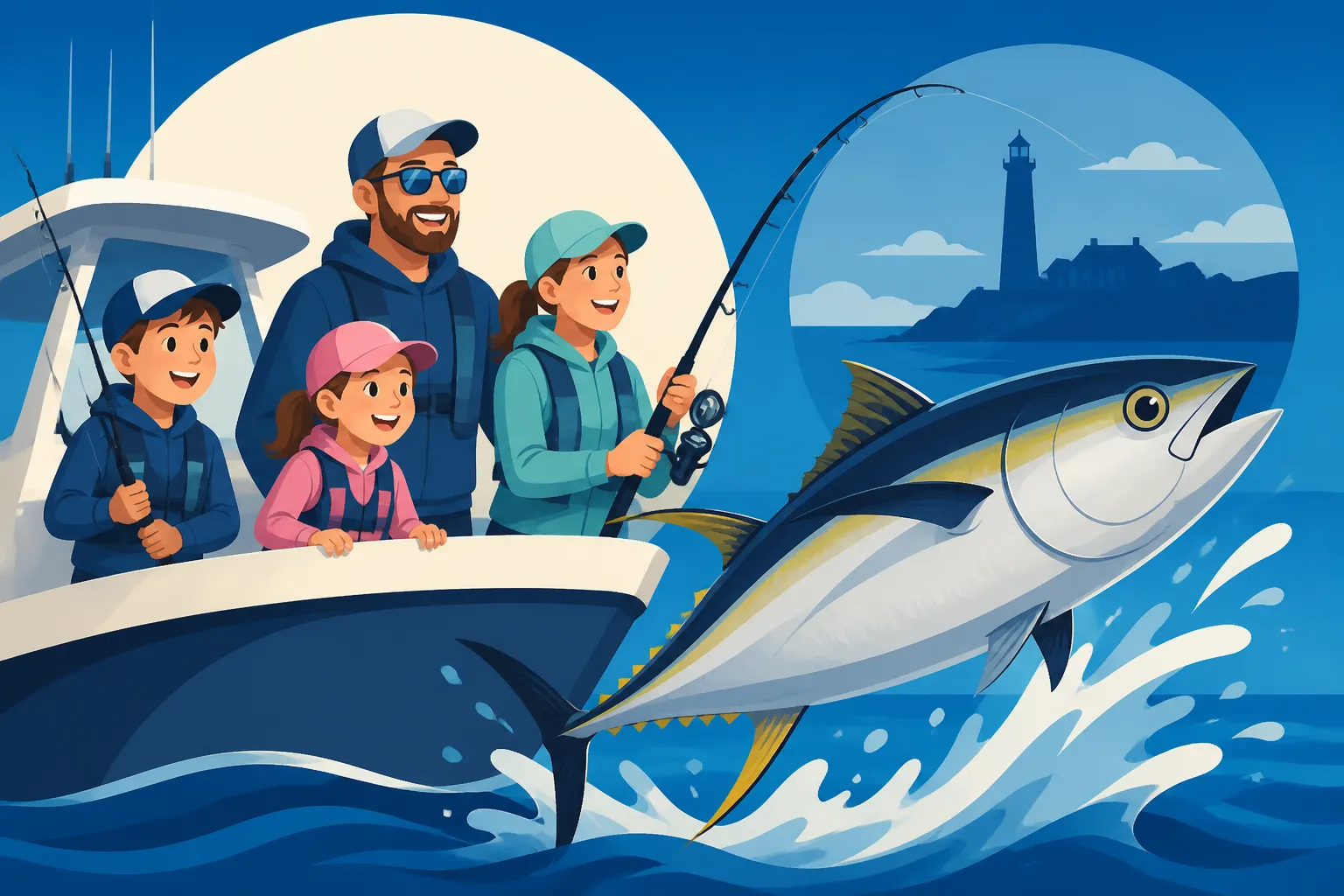
It’s a dream for so many families: heading out onto the vast Massachusetts waters, feeling the thrill of the ocean, and maybe, just maybe, hooking into one of those magnificent bluefin tuna. But if you’re a parent with younger kids, a common worry quickly pops up: is my child old enough for a tuna charter? It's not a silly question, and it’s one I get asked all the time. This guide will walk you through everything you need to consider, from safety to seasickness, helping you determine if a tuna charter is the right adventure for your young angler.
Why Age Matters on a Tuna Charter
Let's be real, tuna fishing isn't your average leisurely trip to the local pond with a bobber and some worms. It's an intense, demanding, and often lengthy offshore experience that requires a certain level of physical and mental fortitude. When considering bringing a child on a tuna charter, it's not just about their chronological age, but their ability to handle the unique challenges these trips present.
Safety Considerations for All Aboard
Safety is always, always paramount on any fishing vessel, but especially so when you're miles offshore chasing powerful fish. The ocean can be unpredictable, and conditions can change rapidly. A tuna charter typically involves fast boats, heavy tackle, and potentially dangerous situations if a large fish is hooked. There's a lot of moving equipment, sharp hooks, and the sheer power of the ocean itself to contend with.
For younger children, their smaller stature can make it harder to brace themselves against waves, navigate a moving deck, or even reach safety equipment if needed. While most reputable captains are excellent at ensuring a safe environment, they also need every passenger to be aware and follow instructions promptly. A child who struggles with listening to commands, or who might get overly excited or scared in a critical moment, could inadvertently put themselves or others at risk. Life vests are mandatory for young children, of course, but even with one, an unexpected wave or a sudden lurch of the boat could cause an injury if they're not prepared.
The Physical Demands of Tuna Fishing
Imagine fighting a fish that can weigh hundreds of pounds and pull like a freight train. Tuna fishing involves heavy-duty rods, reels, and lines. When a tuna hits, it's not a gentle nibble; it's an explosive, often violent strike that requires an angler to get into a fighting harness and exert significant physical strength and stamina.
For an adult, this can be exhausting. For a child, it can be downright impossible or even dangerous if they're not physically up to the task. They need the core strength, arm strength, and endurance to stand for extended periods, reel continuously, and maintain proper form while a massive fish tries to rip the rod from their hands. Many captains might be willing to help a child fight a fish, but the primary experience of reeling it in will still require a certain physical capability. It’s important to remember that this isn't just a day on the water; it's a physically taxing sport.
Endurance for Long Offshore Days
Tuna charters are not short trips. They often involve leaving the dock well before dawn and returning late in the afternoon, or even at sunset. You're talking about 8, 10, or even 12+ hours out on the open ocean. This means long periods of boat travel to reach fishing grounds, followed by hours of trolling, chumming, or jigging, often under the hot sun or in choppy conditions.
A child needs to have the mental and physical endurance to handle this. Will they get bored quickly? Will they get restless and start complaining? Can they tolerate the constant motion of the boat for an entire day? What about bathroom breaks – can they manage using a marine head, or do they have the bladder control for extended periods between stops? The excitement of catching a fish might sustain them for a while, but there are often long stretches of inactivity that can be tough for younger, less patient individuals. It's a Marathon, Not a Sprint.
Assessing Readiness: Beyond Just Age
While there isn't a hard and fast rule set by the state for the "appropriate age" to go on a Massachusetts Bluefin Tuna Charters, most reputable charter captains will have their own guidelines or at least a strong opinion. Ultimately, it comes down to assessing your child's individual readiness, which goes far beyond just the number of candles on their last birthday cake.
Maturity and Attention Span
This is perhaps the most crucial factor. An eight-year-old with a keen interest, a calm demeanor, and the ability to follow instructions might be more "ready" than a hyperactive twelve-year-old with a short attention span. Offshore fishing requires patience. There can be hours of waiting, watching lines, and scanning the horizon without a single bite. Can your child handle the downtime without getting disruptive or frustrated?
More importantly, can they understand and quickly react to critical safety instructions? When a captain says "hold on tight!" or "stay clear of the stern!" they need to grasp the urgency and comply immediately. A child who is too easily distracted, prone to impulsive behavior, or simply doesn't fully understand potential dangers might not be ready for the serious environment of an offshore tuna trip. Discussing the rules and expectations beforehand is a great start, but their ability to stick to them under pressure is key.
Previous Fishing Experience
Has your child been fishing before? Not just for sunfish in a local pond, but have they experienced boat fishing? Have they handled a heavier rod and reel? Do they understand basic fishing etiquette and the patience required?
A child with some prior experience on other types of fishing charters, perhaps even a simpler Massachusetts Striped Bass Charters in calmer inshore waters, will have a much better understanding of what to expect. They'll be familiar with the boat's motion, the feeling of reeling in a decent-sized fish, and the general rhythm of a guided trip. This experience builds confidence and preparedness, making the leap to a more intense tuna trip less daunting. If they've never been on a boat before, a tuna charter might be throwing them into the deep end too quickly. Consider starting with something like Kids Fishing Charters on Cape Cod that focus on smaller, more plentiful species closer to shore.
Managing Seasickness and Discomfort
Seasickness is a real issue on offshore trips, and it can quickly turn a dream trip into a nightmare for everyone aboard. Children, due to their developing inner ears, can be particularly susceptible. Even if your child has never been seasick before, a long day on the open ocean, especially if conditions are choppy, can induce it.
It's vital to have a frank conversation about this with your child and consider preventive measures. Over-the-counter medications, pressure point wristbands, or even specialized patches can help, but they often need to be taken before boarding the boat. Staying hydrated, avoiding greasy foods, and focusing on the horizon can also make a difference. No captain wants a child (or adult!) spending the entire trip throwing up over the side. A child who gets severely seasick won't enjoy the trip, and it can disrupt the fishing for the entire group. If you're unsure, perhaps a shorter, calmer trip first is a better gauge.
Finding Family-Friendly Tuna Charters
So, you've assessed your child, and you think they might be ready. The next step is finding the right charter. Not all tuna charters are created equal when it comes to accommodating younger anglers, and it's essential to do your homework.
Communicating with the Captain
This is the most crucial step! Before you even think about booking, pick up the phone and talk directly to the charter captain. Be completely honest about your child's age, experience level, and temperament. Ask specific questions:
- "What's your typical minimum age recommendation for tuna trips?"
- "How do you handle younger anglers during a fight?"
- "What are the safety protocols specifically for kids?"
- "Are there opportunities for downtime or breaks if my child gets restless?"
- "What are your expectations for a child on board?"
A good captain will appreciate your honesty and give you a realistic picture of what to expect. Some captains are absolutely fantastic with kids and love introducing the next generation to big game fishing. Others might prefer more experienced adult clients for tuna trips, and that's okay – it just means that charter isn't the right fit for your family. Don't be shy about asking for references or reading reviews that specifically mention families or children. Many captains cater to different clienteles, and finding one whose style aligns with your family's needs is key.
Considering Boat Size and Crew Support
Larger boats often offer a bit more stability in choppy conditions, which can help with seasickness, and they might have more deck space for a child to move around safely (under supervision, of course). Some charters also run with a dedicated mate or two, who can provide extra assistance and supervision for a younger angler, helping them with tackle, answering questions, and generally making them feel comfortable.
A smaller, owner-operator boat might be great for a seasoned adult angler, but could feel a bit more cramped and intense for a child. Inquire about the boat's amenities: Is there a comfortable cabin for a child to rest in if needed? Are there proper restroom facilities? These seem like small details, but they can make a huge difference over a long day offshore. The more comfortable and supported your child feels, the better their experience will be.
Booking Through Reputable Platforms
Using a platform like FishingBooker can be incredibly helpful for finding family-friendly options. Many listings specify whether a charter is suitable for children, and you can often filter searches to find boats that welcome families. You can also read detailed reviews from other parents who have taken their kids on specific charters, which can offer invaluable insights.
When you're browsing on FishingBooker, pay attention to the descriptions, photos, and especially the reviews. Look for captains who highlight their experience with younger anglers or those who mention a "family-friendly" atmosphere. This is also a good place to cross-reference Massachusetts Fishing Charter Costs and understand what’s included in the price, so there are no surprises. It simplifies the process of comparing different boats and captains, helping you make an informed decision and increasing the likelihood of a positive experience for your whole family.
Here's a quick comparison of factors to consider when booking:
| Factor | Adult-Oriented Tuna Charter | Family-Friendly Tuna Charter |
|---|---|---|
| Minimum Age | Often unstated, but implied older teens/adults; less flexible | Explicitly states "kids welcome" or minimum age suggestion |
| Captain's Style | Focused purely on fishing, less interaction/teaching | Patient, enjoys teaching, proactive with safety for kids |
| Boat Amenities | Basic, functional for fishing; might lack comfort options | Comfortable cabin, proper marine head, more seating options |
| Crew Support | Often one captain, sometimes one mate | Often captain plus one or more mates specifically to assist |
| Trip Length | Can be very long (10-12+ hours) | May offer slightly shorter options or flexible scheduling |
| Focus | Landing trophy fish is primary goal | Experience, fun, and safety of the child are equally important |
Alternatives for Younger Anglers
If, after all this consideration, a full-blown tuna charter seems a bit much for your child right now, don't despair! Massachusetts offers a plethora of fantastic fishing opportunities that are much more accessible and equally exciting for younger anglers. There's no need to rush into the deep end; often, building up experience with more manageable trips leads to greater enjoyment down the line.
Inshore and Nearshore Charters
Instead of chasing giant tuna far offshore, consider an inshore or nearshore charter. These trips typically stay closer to the coast, resulting in calmer waters and shorter travel times. Species like striped bass, bluefish, or flounder are abundant in Massachusetts bays and estuaries, and catching them provides plenty of thrilling action without the intense physical demands of tuna.
Many inshore charters specialize in family trips and are perfectly set up for children. The boats are often smaller, allowing for a more intimate experience, and the captains are usually experts at keeping kids engaged. These trips are generally shorter, perhaps 4-6 hours, which is a much more manageable timeframe for a child's attention span and endurance. They also tend to be less expensive than offshore tuna trips, making them a great entry point. Think about targeting Massachusetts Striped Bass Slot Limit Explained or Massachusetts Bluefish Daily Bag Limit within an hour or two of the dock.
Party Boats: A Stepping Stone
Party boats, also known as head boats, are another excellent option for families. These larger vessels take many anglers out at once, usually targeting bottom fish like flounder, scup, or cod (when in season and allowed). The cost per person is significantly lower than a private charter, and all necessary tackle and bait are typically provided.
The beauty of a party boat is the sheer number of opportunities for action. Kids love catching fish, and party boats often deliver steady bites. There's also a vibrant, social atmosphere that can be really fun. While they might not get the individualized attention of a private charter, the crew is always on hand to help unhook fish, re-bait lines, and offer guidance. This is a fantastic way to introduce a child to deeper water fishing, get them accustomed to boat motion, and experience the excitement of reeling in multiple fish, preparing them for more challenging trips in the future. Check out options for Massachusetts Party Boat Fishing Cost out of ports like Gloucester or Plymouth.
Shore Fishing Adventures
Sometimes, the simplest adventures are the best. Massachusetts boasts an incredible coastline and countless freshwater ponds perfect for shore fishing. From catching panfish in a local pond to trying your hand at surfcasting for stripers off a Cape Cod beach, these options offer maximum flexibility and minimal stress.
Shore fishing allows you to control the duration of the trip, the environment, and the pace. If your child gets bored or tired, you can pack up and leave whenever you want. It's a fantastic way to teach them about different species, local ecosystems, and the pure joy of simply being outdoors with a rod and reel. There's no seasickness to worry about, and the only "captain" you need to consult is yourself! This is a great way to build a love for fishing without any pressure, preparing them mentally for longer trips and bigger fish down the road. You can even find spots that don't require a Massachusetts Freshwater Fishing License Costs and Rules for very young kids or during Free Fishing Days in Massachusetts.
Ultimately, the best age for a tuna charter isn't a number – it's a combination of your child's maturity, physical capability, and genuine interest. Start small, build their experience, and when they're truly ready, that dream tuna trip will be even more rewarding for everyone involved.
Disclaimer
This article is for general informational purposes only and does not constitute professional advice. Laws, prices and regulations vary by location and change over time. Consult a qualified professional for guidance on your specific situation.