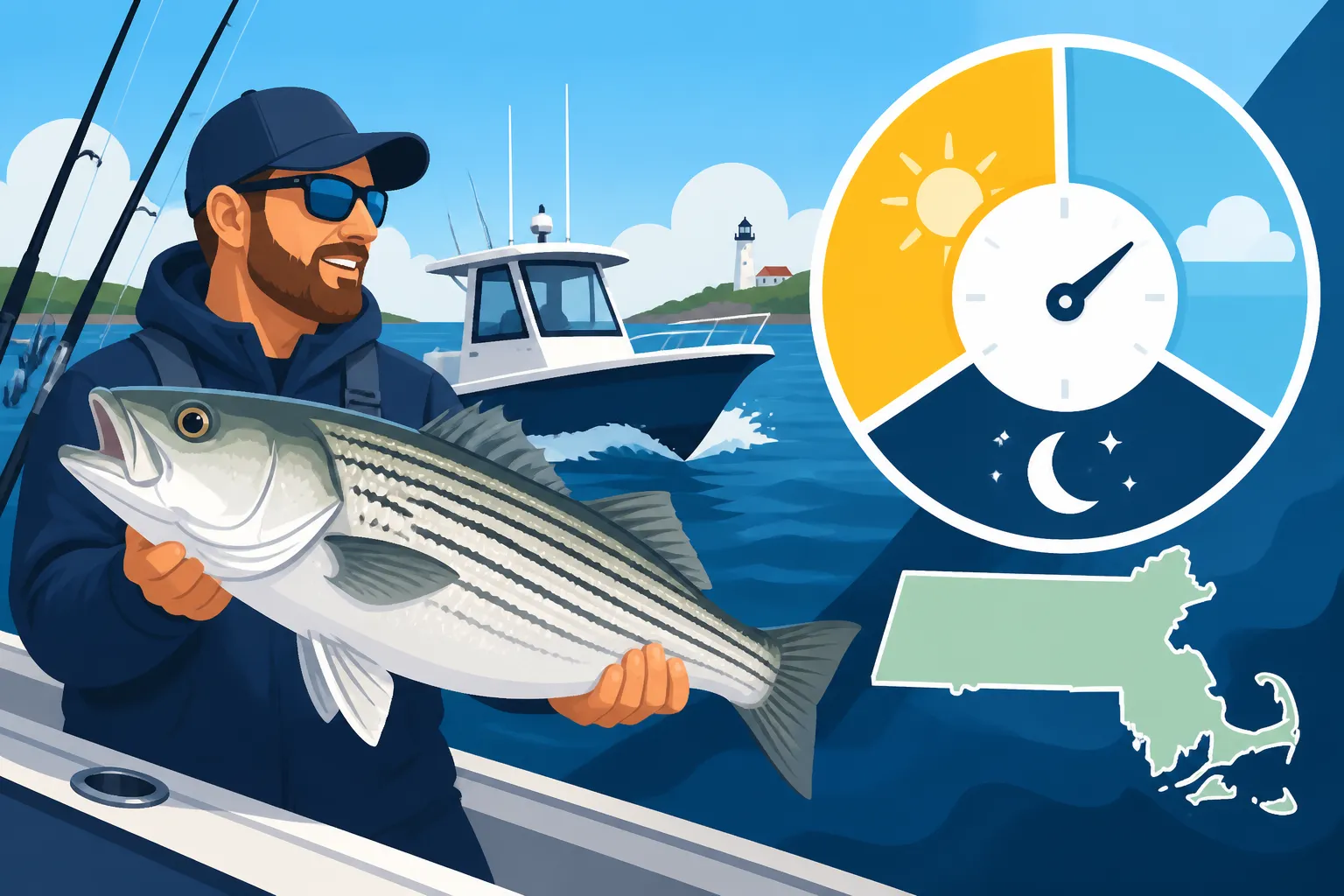
Typical length of a striped bass charter trip
One of the trickiest parts of planning a fishing trip to Massachusetts, especially when you're dreaming of reeling in a powerful striped bass, is figuring out how long to actually book your charter for. It's easy to get overwhelmed trying to balance cost, time commitment, and the desire to maximize your chances of a great catch. This guide is here to walk you through the typical trip lengths for striped bass charters in Massachusetts, helping you understand what each option offers so you can make the best choice for your next angling adventure.
Understanding Striped Bass Charter Trip Lengths in Massachusetts
When you start looking into charter fishing for striped bass here in Massachusetts, you'll quickly notice that most captains offer pretty standard trip durations. These aren't just arbitrary numbers; they've been refined over years to give anglers the best balance of fishing time, travel, and overall experience. It's about finding that sweet spot where you get ample opportunity to hook up without feeling rushed or, conversely, overly exhausted.
The Standard Options: Half-Day vs. Full-Day Adventures
For striped bass charters, the vast majority of operations will present you with two primary choices: a half-day trip or a full-day trip. These are the workhorses of the charter fleet, designed to cater to different levels of commitment, budget, and angler endurance.
A half-day trip for striped bass typically runs for about 4 to 5 hours from the moment you leave the dock until you return. This duration is often perfect for those who are new to charter fishing, families with younger kids, or anyone looking for a solid fishing experience without dedicating an entire day. Captains on half-day trips often focus on closer, more accessible fishing grounds where striped bass are known to congregate. The goal is usually to get lines in the water quickly and maximize fishing time within the shorter window. You might not travel as far or try as many different spots, but the intensity can be high, and the action can be fast and furious if the fish are cooperating.
A full-day trip, on the other hand, is a more substantial commitment, usually clocking in at 7 to 9 hours. This extended time allows for a much broader range of possibilities. Captains can travel further to more remote fishing grounds, explore multiple areas, and employ a wider variety of techniques. If the bite is slow in one spot, there's ample time to pick up and move to another. For the dedicated angler who dreams of targeting larger, trophy-sized striped bass, or simply wants a more immersive fishing experience, a full-day trip offers that flexibility and increased opportunity. It's also great if you want to combine different fishing styles, perhaps trying some trolling, then switching to live bait, or even a bit of jigging if conditions allow.
Factors Influencing Trip Duration Beyond Standard Bookings
While half-day and full-day are the norms, it's not always a rigid "set it and forget it" situation. Several factors can subtly (or not so subtly) influence the actual experience and perceived length of your trip, even within those standard windows.
First off, weather conditions play a huge role. A captain's primary concern is always safety. If the forecast calls for rough seas or dangerous storms, your trip might be shortened, rescheduled, or even canceled. Even if conditions are safe, a choppy ride to the fishing grounds can extend travel time, eating into precious fishing minutes. Conversely, a perfectly calm day might mean quicker travel and more time with lines in the water. Always be flexible and understanding when it comes to weather; your captain wants a successful and safe trip just as much as you do.
The travel time to fishing grounds is another significant factor. If the striped bass are biting just a short hop from the marina in, say, Boston Harbor, a half-day trip can feel incredibly productive. However, if the hot bite is 10-15 miles offshore or requires navigating through a busy channel for an extended period, that travel can significantly reduce the actual time you spend fishing. Discuss this with your captain when booking – they often have a good idea of where the fish have been and what the typical travel time will be for a given trip length. For instance, a charter departing from Falmouth to fish Vineyard Sound might have a different travel expectation than one leaving from Gloucester targeting Cape Ann waters.
Finally, the captain's discretion and local knowledge are invaluable. A good captain isn't just a boat driver; they're a seasoned expert of their local waters. They know the tides, the currents, the migratory patterns of striped bass, and where the baitfish are hiding. They might extend a trip slightly if they're on a hot bite and everyone is having a blast, or they might recommend a specific duration based on current fishing reports. While custom trips outside of the half-day/full-day model are less common for standard striped bass outings, a truly exceptional captain might offer slightly varied schedules or be open to a discussion about your specific desires if you communicate them clearly. This is where researching reputable captains on platforms like FishingBooker can really pay off, as reviews often highlight their flexibility and dedication to client experience.
What to Expect from Different Striped Bass Charter Durations
Knowing the general time frames is one thing, but understanding the actual experience you'll get from a half-day versus a full-day striped bass charter is key to setting your expectations correctly. It’s not just about more hours; it’s about different opportunities and pacing.
The Half-Day Striped Bass Experience (4-5 Hours)
A half-day trip is often the entry point for many anglers into the world of saltwater charter fishing, and for good reason. It’s digestible, less expensive, and can still be incredibly productive for striped bass.
Realistic expectations: On a 4-5 hour striped bass charter, you should expect the captain to take you to known local hotspots where striped bass are likely to be found. This might be a nearby reef, a productive rip, or a stretch of coastline known for holding baitfish and, consequently, stripers. The focus will be on getting lines in the water quickly and maximizing your chances of a hook-up. You might not travel vast distances, but a skilled captain will use their knowledge to put you on fish efficiently. It's often a great option for finding legal-sized striped bass, especially if you're not solely focused on landing a "cow." It's also fantastic for a casual outing with friends or family where the camaraderie is as important as the catch.
What's usually covered: Most half-day charters will include all necessary bait and tackle. This means you won't have to worry about bringing your own rods, reels, or figuring out what lure is best that day. The captain or mate will typically provide basic instruction on how to use the gear, how to cast (if needed), and how to fight a striped bass. They'll also handle the netting and often the de-hooking of fish. This inclusive approach makes it very accessible, even for absolute beginners.
Pros of a half-day trip:
- Cost-effective: Generally, half-day trips are significantly less expensive than full-day options, making them more budget-friendly. You can usually find information on the Half-day striped bass charter cost in Massachusetts by checking various charter websites.
- Less commitment: It’s easier to fit into a vacation schedule, and less demanding physically. Perfect if you have other plans for the day or simply don't want to be on the water for too long.
- Great for beginners and families: The shorter duration is ideal for those with limited fishing experience or younger children who might lose interest on a longer trip. It offers a taste of the excitement without overdoing it.
- Quick action potential: Captains often target spots known for consistent, if not necessarily trophy-sized, striped bass action, aiming for a fun experience with multiple hook-ups.
Cons of a half-day trip:
- Limited exploration: You won't cover as much ground or explore as many diverse fishing environments.
- Less time if the bite is slow: If the fish aren't cooperating immediately, the shorter trip means less time to try different spots or techniques to find them.
- Can feel rushed: Sometimes, especially if travel time to the grounds is a bit longer, the actual fishing time can feel compressed.
The Full-Day Striped Bass Immersion (7-9 Hours)
For those who are serious about their striped bass fishing or just crave a more thorough experience, the full-day trip is the way to go.
Realistic expectations: A 7-9 hour striped bass charter opens up a much wider range of possibilities. Your captain can take you to more distant, less pressured fishing grounds, including offshore rips, remote islands, or deeper channels where larger striped bass might be holding. This extended time allows for trying various fishing tactics – perhaps starting with some trolling, then switching to live-lining eels, chunking bait, or even jigging deeper structure. If the fish aren't biting in one area, there's ample time to relocate and try several different spots without feeling rushed. This significantly increases your chances of finding a trophy-sized striped bass or encountering multiple schools of fish. It's an immersive experience for the dedicated angler.
What's usually covered: Like half-day trips, full-day charters almost always include all the necessary bait and tackle. The key difference is that on a full-day trip, the captain might have a broader array of specialized tackle for different techniques or larger fish. They'll also provide guidance and assistance, often with a more relaxed pace for instruction and discussion. Fish cleaning and filleting services at the end of the trip are also common, though it's always good to confirm this beforehand.
Pros of a full-day trip:
- Wider range of fishing grounds: More time means the ability to travel further and explore more diverse habitats, increasing the chances of finding active fish.
- More tactics and techniques: You can experiment with different methods, which is great for learning and adapting to conditions.
- Better chance at trophy fish: Larger striped bass often hang out in more remote or deeper areas, which are more accessible on a full-day trip.
- Relaxed pace: There’s less pressure to rush, allowing for a more enjoyable and less frantic fishing experience. You can really settle in and enjoy the journey.
- More time to find fish: If the bite is tough, the extra hours provide crucial flexibility to move around and locate active schools.
Cons of a full-day trip:
- Higher cost: Understandably, full-day trips come with a higher price tag. Knowing the Massachusetts Striped Bass Charter Cost will help you budget.
- Longer commitment: It requires dedicating a significant portion of your day, which might not suit everyone's schedule or stamina.
- Can be tiring: A full day out on the water, especially battling fish, can be physically demanding. Sun exposure and sea motion can also be more of a factor.
Choosing the Right Trip Length for Your Striped Bass Adventure
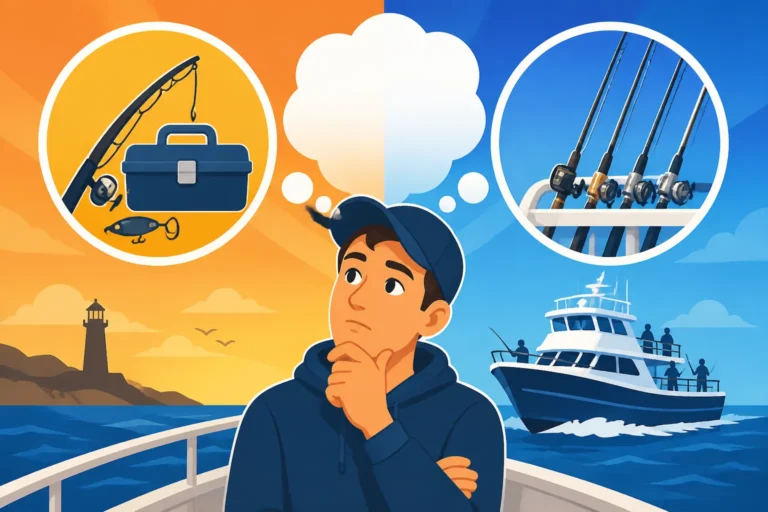
Deciding between a half-day and a full-day striped bass charter isn't just about time and money; it's about matching the experience to your specific needs, your group's dynamics, and your personal fishing aspirations. You want to ensure that the trip you book delivers the kind of day on the water you're truly hoping for.
Considering Your Group and Experience Level
The makeup of your fishing party is a huge determinant in selecting the ideal trip length. Different groups have different tolerances and desires.
For beginners and families with young kids, a half-day trip often proves to be the superior choice. Think about it: a 4-year-old's attention span is usually not built for 8 hours of intense fishing, regardless of how exciting the striped bass action might be. The novelty wears off, and then you're stuck on a boat with restless children, which isn't fun for anyone. A shorter trip offers a fantastic introduction to fishing, allowing them to experience the thrill of a catch without the potential for boredom or fatigue. It keeps the energy high and ends before anyone gets truly tired or cranky. Plus, if it turns out fishing isn't their passion, you haven't committed an entire day or a huge sum of money to the discovery.
On the flip side, experienced anglers seeking a challenge will almost certainly lean towards a full-day adventure. If you've spent years casting lines and you're hoping to land that elusive, big striped bass, or you want to experiment with different techniques like live-lining eels or advanced jigging, then the extra hours are invaluable. A full day provides the opportunity to cover more ground, try multiple spots, and really work to find the fish. It caters to a more focused and dedicated pursuit of the species, offering the flexibility to adapt to changing conditions and go where the fish are, even if it's a bit of a run.
The overall group size and dynamics also play a role. A large group, perhaps a bachelor party, might prefer a full-day trip for the social aspect and extended fun. A smaller, more focused group of hardcore anglers might also want the full day to maximize their chances. However, if your group includes a mix of experience levels or varying degrees of enthusiasm, the half-day can be a great compromise, ensuring everyone has a positive experience.
Matching Trip Length to Your Fishing Goals
Before you even look at a charter calendar, sit down and honestly ask yourself what you want out of this trip. Your personal fishing goals should guide your decision.
If your primary goal is casual fun and just want to catch a few striped bass, a half-day trip is likely more than sufficient. Many anglers simply want to feel the tug of a striper on the line, enjoy a few hours on the beautiful Massachusetts coast, and perhaps bring home a couple of fish for dinner. A good captain on a half-day trip can absolutely deliver this, focusing on consistent action in nearby waters. You’re looking for a fun, accessible outing rather than a grueling hunt for a trophy.
However, if you're targeting larger fish, hoping to employ specific techniques, or keen on exploring more diverse waters, then a full-day trip becomes almost essential. Trophy striped bass are often found in less accessible areas, and they can be finicky. The extended time allows the captain to patiently work different locations, wait for tide changes, or switch up presentations until that big fish bites. It's about maximizing every possible advantage to achieve that specific, more ambitious goal. This emphasis shifts from just "catching fish" to a more strategic and dedicated pursuit.
Ultimately, it comes down to the emphasis on the experience versus just catching. A half-day can be a fantastic "catching" experience if the fish are on. A full-day often offers a more profound "experience," allowing for a deeper dive into the art of fishing, more time to connect with the ocean, and the thrill of the hunt over a longer period.
Booking and Communication Tips
Once you've narrowed down your ideal trip length, the next step is booking, and this is where clear communication is paramount.
When you contact a charter captain or booking service, don't be afraid to ask questions about their typical day and travel time. For example, "How much actual fishing time can we expect on a 4-hour trip, given travel to your usual striped bass spots?" or "If we book a full day, how far might we travel, and what areas do you usually target?" Their answers will give you a clearer picture of what you're getting.
It's also crucial to communicate your goals clearly to the captain. Are you bringing young kids and just want them to catch something? Are you a seasoned angler hoping for a shot at a 40-pounder? Being upfront helps the captain tailor the trip as much as possible to your expectations, even within the standard trip lengths. They want you to have a great time, and knowing your priorities helps them succeed.
Platforms like FishingBooker are incredibly useful for this process. They allow you to compare various charter options in Massachusetts, filter by trip length, and – most importantly – read reviews from other anglers. These reviews often provide insights into how captains manage their time on half-day vs. full-day trips, how far they typically travel, and how well they cater to different group types. Using such resources can help you vet captains and choose one whose philosophy aligns with your desired experience. For instance, you might see a review mentioning a captain who always goes the extra mile on a full-day trip, or one who is particularly patient with kids on a shorter outing. This information is gold when trying to match your expectations with a charter.
| Feature / Trip Length | Half-Day Striped Bass Charter (4-5 hours) | Full-Day Striped Bass Charter (7-9 hours) |
|---|---|---|
| Typical Duration | 4 to 5 hours | 7 to 9 hours |
| Cost | Lower | Higher |
| Travel Distance | Closer, more accessible spots | Further, more diverse grounds |
| Fishing Time | Efficient, focused on quick action | More relaxed, ample time for exploration |
| Techniques Used | Often one or two primary methods | Variety of methods (trolling, live bait, jigging) |
| Ideal For | Beginners, families, casual outings, tight schedules | Experienced anglers, trophy hunters, immersive experience |
| Physical Demand | Moderate | Higher |
| Exploration | Limited | Extensive |
| Chance for Trophy Fish | Possible, but less emphasis | Enhanced opportunities |
| Flexibility | Less time to adapt if fishing is slow | More time to adapt and move spots |
Preparing for Your Chosen Striped Bass Charter Length
Once you've booked your striped bass charter, whether it's a quick half-day sprint or a full-day marathon, a little preparation can go a long way in ensuring a comfortable and successful trip. Being ready for the conditions and the duration will allow you to focus on the fun: reeling in those incredible Massachusetts stripers.
Essential Gear and Supplies for Any Trip Length
Some items are simply non-negotiable for any time spent out on the water, regardless of how long you'll be gone. Think of these as your core comfort and safety kit.
Always prioritize sunscreen, a hat, and appropriate clothing (layers). Even on a cloudy day, the sun's reflection off the water can lead to a nasty burn. A wide-brimmed hat is better than a baseball cap for all-around protection. As for clothing, layers are your best friend in New England. Mornings can be chilly, even in summer, but the sun can quickly warm things up. Having a waterproof or water-resistant outer layer is also smart, as sea spray is common, and you never know when a quick shower might pop up. And don't forget good sunglasses – polarized lenses are fantastic for spotting fish or structure in the water, and they protect your eyes from glare.
You'll definitely want to bring some snacks and drinks, even for a half-day trip. Fishing can be hungry work, and staying hydrated is crucial. Pack plenty of water, juice, or sports drinks. For snacks, non-perishable items like granola bars, fruit, or sandwiches are perfect. Avoid anything that requires elaborate preparation or refrigeration unless your charter explicitly provides it.
If you plan on keeping any of your catch (and you're allowed to, according to current regulations), you'll need a cooler for your fish. Most charters don't provide a cooler for your personal catch, though they will have one for their ice and bait. Bringing your own ensures your fresh-caught striped bass stays in prime condition until you get home. It’s always a good idea to confirm fish cleaning arrangements with your captain; some will clean and fillet your fish for you, while others might offer it as an additional service. For more details on what to pack, check out our guide on Gear you should pack for a Massachusetts fishing charter.
Adapting to Longer or Shorter Excursions
While the basics cover you for any trip, there are specific considerations for half-day versus full-day adventures.
For longer trips, hydration becomes even more critical. Pack extra water and perhaps electrolyte-rich drinks. More food is also a good idea – a full meal rather than just snacks might be necessary to sustain you for 7-9 hours. Comfortable footwear is key; you'll be standing a lot, and wet decks are common, so non-slip, supportive shoes are essential. If you're prone to seasickness, a full-day trip will definitely test your mettle. Take motion sickness precautions well in advance. This could be over-the-counter medications, wristbands, or other remedies. Don't wait until you're feeling green; take it before you even step on the boat. We have a helpful resource on How common seasickness is on Cape Cod tuna charters that can offer more advice. It's also wise to get a good night's sleep before a full-day trip; being well-rested makes a huge difference in your endurance and enjoyment.
For shorter trips, the emphasis is on maximizing efficiency. Since you have less time on the water, you want to be ready to fish quickly. Listen carefully to your captain's instructions, and be prepared to cast lines as soon as you reach the fishing grounds. Don't spend precious minutes fumbling with gear or getting organized. While packing is generally lighter, being prepared means having your sunglasses, hat, and sunscreen applied before you depart the dock.
Always check with your captain about what they provide versus what you need to bring. Some charters are truly all-inclusive, even offering a light lunch on full-day trips. Others expect you to be entirely self-sufficient beyond the fishing gear itself. A quick phone call or email before your trip can clarify any doubts and ensure you're perfectly prepared for your Massachusetts striped bass fishing adventure.
Disclaimer
This article is for general informational purposes only and does not constitute professional advice. Laws, prices and regulations vary by location and change over time. Consult a qualified professional for guidance on your specific situation.